


 English
 Español
News
 Home / News / Industry news / Air Impact Wrench vs. Cordless: Which is Better for Heavy-Duty Automotive Repair?
 Air Impact Wrench vs. Cordless: Which is Better for Heavy-Duty Automotive Repair?
 2026.02.23
 Industry news
1. Air Impact Wrench vs. Cordless: Which is the Real Champion of Heavy-Duty Repair?
1.1 The Industrial Legacy and Advantages of Pneumatic Power
In the fast-paced world of professional automotive repair, the Air Impact Wrench has remained the undisputed king for decades. Its core advantage lies in an exceptional power-to-weight ratio. Because pneumatic tools do not require heavy internal motors or bulky battery packs, all their volume is dedicated to reinforcing the striking mechanism (such as the Twin Hammer mechanism). For technicians performing high-intensity disassembly all day, the lightweight nature of air wrenches directly reduces wrist and shoulder fatigue.
1.2 The Rise and Limitations of Cordless Tools
With the rapid advancement of lithium-ion technology, cordless impact wrenches have demonstrated massive advantages in mobility. For roadside assistance or mobile services, the convenience of not dragging a heavy air hose is unparalleled. However, when faced with heavy-duty tasks—such as removing rusted chassis bolts on commercial vehicles—cordless tools often hit a bottleneck. Electric motors generate significant heat under sustained high loads, causing thermal protection circuits to frequently cut power. In contrast, an air impact wrench is naturally cooled by the compressed air passing through it, allowing for a nearly 100% duty cycle. Discussing “Cordless vs Pneumatic reliability” on your site targets decision-makers evaluating tool upgrade costs.
1.3 Core Productivity: Consistency is Key
In a professional workshop, productivity means how many bolts can be removed per hour. The output torque of cordless tools tends to “soften” as battery levels drop—a phenomenon known as voltage drop, which is particularly noticeable in heavy-duty work. An air impact wrench, provided the tank pressure is sufficient, delivers consistent torque from 8:00 AM to 5:00 PM. This “sustained high-torque output” is the core logic behind choosing pneumatic solutions for heavy industrial applications.
2. Technical Breakdown: Torque, Lifespan, and Total Cost of Ownership (TCO)
2.1 Stability of Torque Performance
A high-quality air impact wrench provides not only high breakaway torque but, more importantly, torque stability. When facing extremely rusted bolts or those coated with thread-locking compound, cordless tools often see a rapid decay in power after the first wave of impacts due to battery discharge rate limits. Pneumatic systems, by adjusting air pressure (PSI) and flow (CFM), provide more explosive and sustained striking force. In Semrush, “Impact wrench torque specifications” is a technical parameter frequently searched by engineers; explaining this principle in detail significantly enhances page authority.
2.2 Durability in Harsh Environments
The internal construction of pneumatic tools is simple and reliable, consisting primarily of a rotor and hammer blocks. This means that even in environments full of dust, moisture, or high ignition risks, air tools can operate stably. A well-lubricated air impact wrench can typically last over 10 years, whereas the circuit boards, switches, and expensive batteries of cordless tools usually age significantly within 3 to 5 years. For the search intent of “Long-lasting industrial power tools,” emphasizing the low maintenance and long lifespan of pneumatic tools is an excellent marketing angle.
2.3 Total Cost of Ownership (TCO) Analysis
While building a complete pneumatic system (compressor, dryer, piping) requires a high initial investment, the procurement price of an individual air tool is much lower than high-end cordless kits that include batteries and chargers. Due to the extremely low failure rate and virtually zero consumable costs of pneumatic tools, the Total Cost of Ownership (TCO) offers a decisive advantage for factories or repair centers with multiple workstations.
3. Comparison Table: Pneumatic vs. Cordless Impact Wrenches
The following table summarizes the core differences to assist procurement teams in evaluation:
| Feature | Air Impact Wrench (Pneumatic) | Cordless Impact Wrench |
|---|---|---|
| Torque Stability | Extremely High (Consistent) | Medium (Fades with battery drop) |
| Power-to-Weight Ratio | Excellent (Lighter/Stronger) | Moderate (Heavy due to battery) |
| Mobility | Limited (Hose restricted) | Excellent (Cordless operation) |
| Service Life | 10+ Years (with maintenance) | 3-5 Years (Battery bottleneck) |
| Initial Tool Cost | Lower | Higher (includes batteries/chargers) |
| Continuous Work | Unlimited (Self-cooling) | Limited (Overheat protection) |
| Maintenance | Daily Oiling | Keep battery dry and cool |
4. Operational Requirements: Compressor Matching and Adaptability
4.1 Understanding the Logic of CFM and PSI
The performance of an air impact wrench depends entirely on the backend air system. Most 1/2-inch wrenches require 4 to 6 CFM at 90 PSI. If the compressor is underspecified, the tool will lose power rapidly during continuous hammering. Providing a “Compressor Matching Guide” on your website can effectively convert search traffic for “Choosing the right air compressor for impact tools.”
4.2 Heat Management and Environmental Impact
In heavy-duty tasks, electric motors generate intense heat, leading to discomfort or even motor burnout. The working principle of an air wrench involves adiabatic expansion—compressed air flowing through the motor actually serves as a coolant. This makes it perform exceptionally well in high-temperature factory environments. Furthermore, lithium batteries in cordless tools see a performance drop in freezing winter (below 0°C), whereas air tools stay at full power as long as proper drainage and anti-freeze measures are taken.
4.3 Noise, Vibration, and Safety (HSE)
Pneumatic tools are notoriously loud and emit an oil mist, requiring operators to wear hearing protection. However, from a safety perspective, air tools produce no electrical sparks, making them the only choice for flammable or explosive environments. Discussing “Safe power tools for hazardous environments” can help your site reach B2B customers in the oil, gas, and chemical industries.
5. FAQ: Expert Insights on Air Impact Wrenches
1. Why is my air impact wrench losing torque?
There are three most common reasons: First, lack of daily lubrication leading to internal rotor wear; second, a hose diameter that is too narrow (at least 3/8" ID is recommended) causing insufficient flow; and third, a failing air filter/dryer allowing moisture to enter and corrode the internal motor.
2. Are composite-bodied air wrenches actually durable?
Yes. Modern composite air impact wrenches are not only lighter but also better at absorbing vibration and reducing the “cold-touch” feel. Their internal striking components are still made of high-strength steel, offering durability equal to all-metal models.
3. Can an air impact wrench be used for precision bolting?
It is recommended only for initial tightening or disassembly. For bolts with strict torque requirements, use the air wrench for removal or snugging, but always use a manual torque wrench for the final calibration to ensure safety.
6. References
- Society of Automotive Engineers (SAE). (2025). “Pneumatic vs. Electric: Impact Tool Performance in Professional Environments.”
- Industrial Tooling Association (ITA). (2024). “Maintenance Standards and Life-cycle Assessment of Air-powered Tools.”
- Occupational Safety and Health Administration (OSHA). (2023). “Noise and Vibration Guidelines for Hand-held Power Tools.”
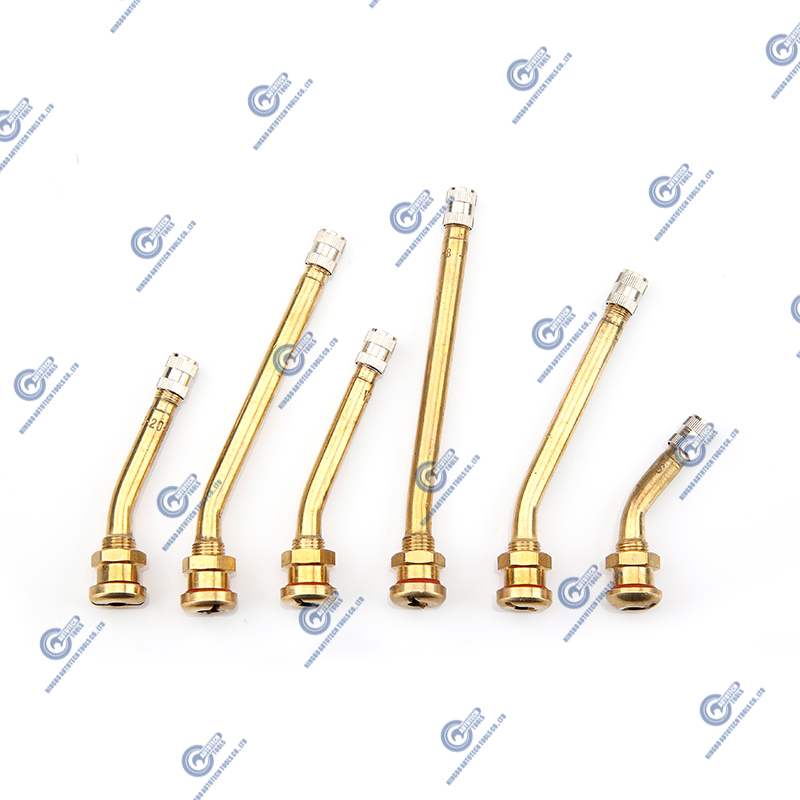
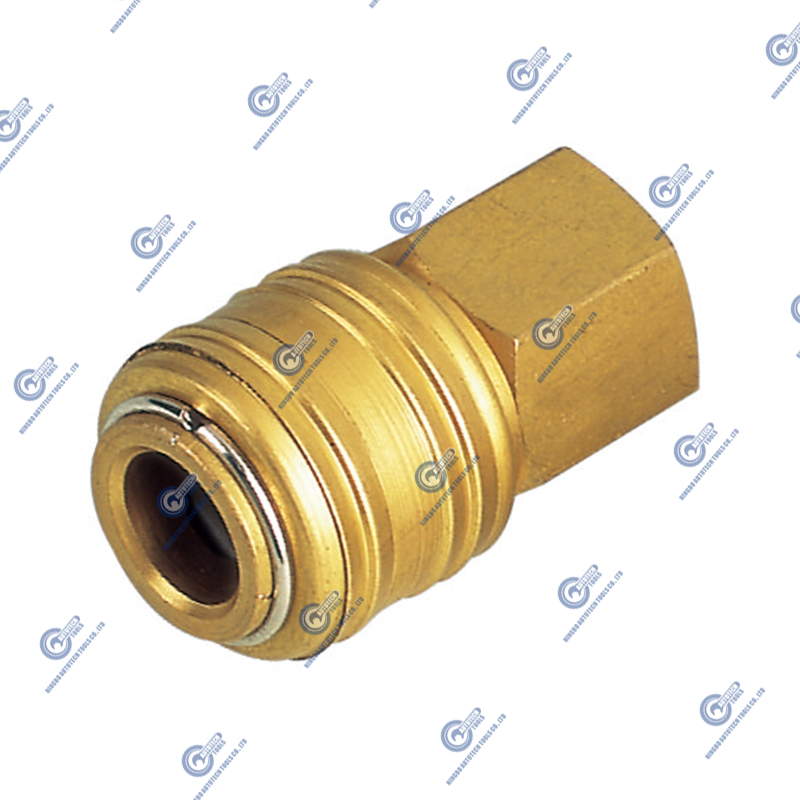
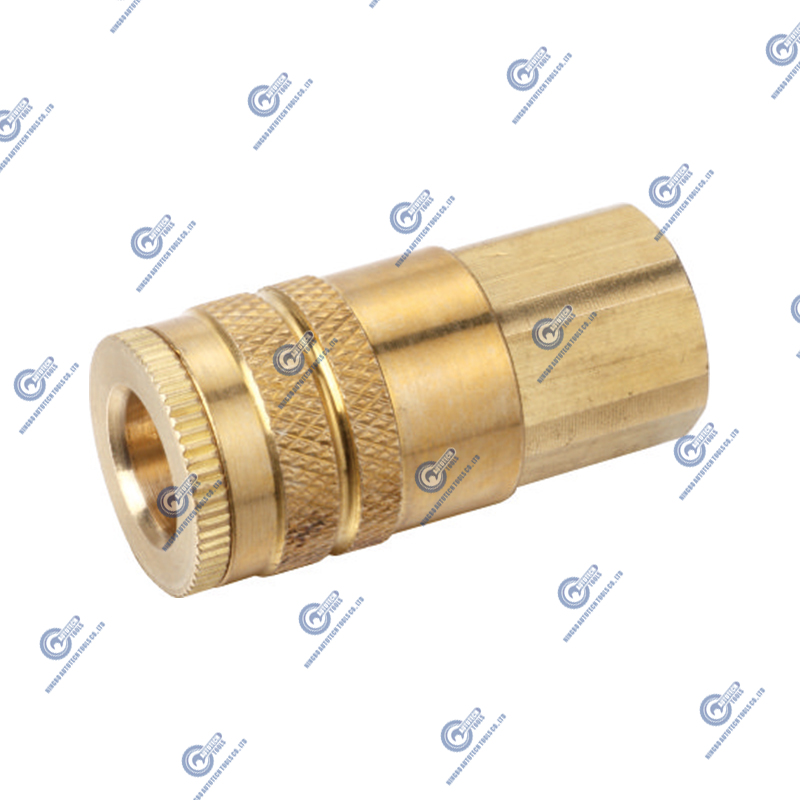
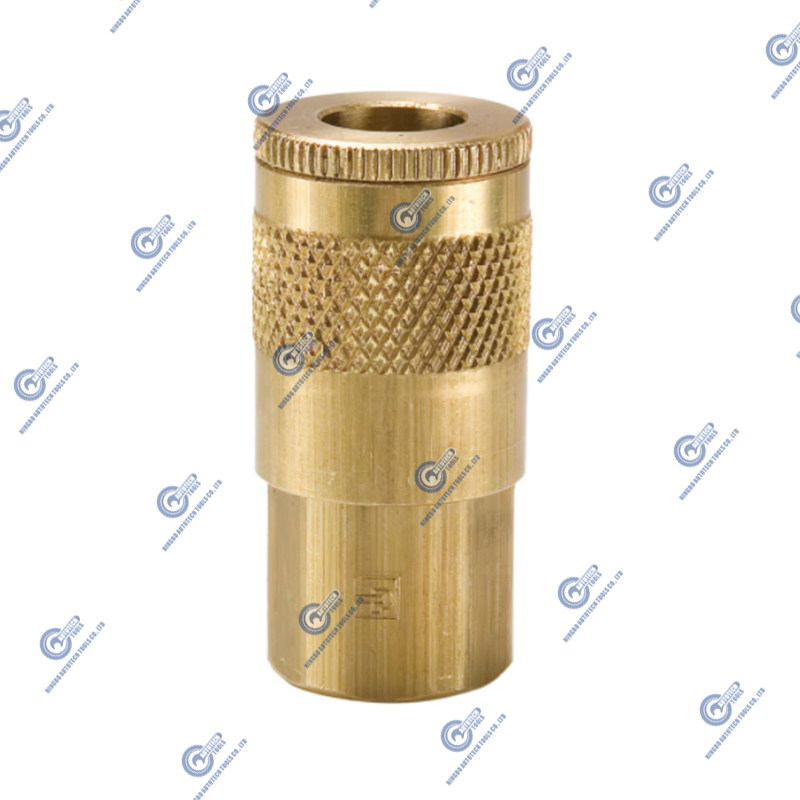

Ningbo Autotech Tools Co.,Ltd was founded in 2014 as a professional manufacturer of tire valves, tire repair tools & air quick couplings.
Product links
Contact Us
-
Address:No.16 Gaoqiang Road, Jiangnan Industrial Zone, Gaoqiao Town, Yinzhou District, Ningbo, China. 315175
-
Tel:+86-0574-89073063
-
E-mail:jimmy@autotechtool.com
