


 English
 Español
News
 Home / News / Industry news / How Does a Rubber Base Valve Prevent Backflow More Effectively Than Metal Seats?
 How Does a Rubber Base Valve Prevent Backflow More Effectively Than Metal Seats?
 2026.02.16
 Industry news
1. How Do Rubber Base Valves Prevent Backflow More Effectively Than Metal Seats?
1.1 The Physical Advantage of “Bubble-Tight” Sealing
In industrial fluid systems, the primary metric for backflow prevention is the leakage class. The core technical advantage of Rubber Base Valves lies in their ability to achieve what is known as a “bubble-tight” seal. In contrast, metal-to-metal seats rely on the high-precision machining of two hard surfaces to fit together. However, regardless of the machining quality, metal surfaces still possess microscopic irregularities. When a rubber base is subjected to closing pressure, it undergoes elastomeric deformation, perfectly filling these microscopic gaps.
1.2 Superior Performance in Low-Pressure Scenarios
Metal-seated valves often require significant backpressure to force the sealing surfaces together to achieve an effective shut-off. This means that in systems with low pressure, metal valves are prone to “weeping” or seepage. Because of the inherent softness and resilience of the material, Rubber Base Valves can maintain a complete seal even at extremely low or zero pressure, relying on the natural rebound of the elastomer. This makes them ideal for municipal water supply and low-pressure sewage systems. Integrating the phrase “Low-pressure sealing reliability” helps target professional buyers in the water treatment industry.
1.3 Tolerance to Debris and Particulates
Industrial fluids are rarely pure and often contain sand, scale, or metal shavings. When a metal-seated valve closes on these impurities, the hard surfaces can be scratched or dented, leading to permanent seal failure. Rubber bases possess “inclusivity”—they can temporarily deform around small particles without damaging the sealing surface, allowing the debris to be flushed away during the next flow cycle. This durability is the core selling point for the keyword “Abrasion-resistant valves.”
2. Material Science: Why Resilience Beats Rigidity for Sealing
2.1 Elastomeric Deformation and Young’s Modulus
The effectiveness of a rubber base stems from its low Young’s Modulus, which allows it to undergo significant deformation without permanent damage. At the moment of closure, the rubber base acts as a “precision gasket” customized in real-time to the mating surface. Discussing the “Mechanical properties of valve elastomers” not only adds depth to the content but also improves the page’s ranking in academic and technical research-oriented searches.
2.2 Vibration Dampening and Water Hammer Reduction
The rapid closure of metal valves often results in a violent mechanical impact, creating the dreaded “Water Hammer” effect, which can rupture pipes or damage pump stations. Rubber bases provide excellent cushioning. As the valve disc closes, the rubber absorbs a significant portion of the kinetic energy, reducing noise and eliminating vibrations. For facility maintenance managers searching for “How to reduce pipe noise and vibration,” selecting rubber base valves is the most cost-effective solution.
2.3 Chemical Resistance and Electrochemical Protection
Metal sealing surfaces are highly susceptible to electrochemical corrosion, especially when the disc and seat are made of different metals. As a non-conductive material, the rubber base completely eliminates this risk. Furthermore, by selecting specific materials such as EPDM, Nitrile (NBR), or Viton (FKM), rubber bases can withstand media ranging from strong acids and alkalis to high-temperature oils. Planting the keyword “Chemical resistant valve seat materials” effectively expands traffic from the chemical industry.
3. Performance Comparison: Rubber Base vs. Metal Seats
The following table summarizes the key indicators of both sealing technologies to assist procurement teams in their evaluation:
| Performance Metric | Rubber Base Valve (Resilient) | Metal Seated Valve (Rigid) |
|---|---|---|
| Leakage Class | Class VI (Bubble-Tight Zero Leakage) | Class IV / V (Allowable Leakage) |
| Low-Pressure Sealing | Excellent (Reliant on elasticity) | Poor (Requires high seating force) |
| Debris Tolerance | High (Self-healing/Inclusive) | Low (Easily scratched surface) |
| Operating Noise | Low (Cushioning effect) | High (Metal impact noise) |
| Max Operating Temp | Limited (Up to 200°C depending on polymer) | Extremely High (Fire-safe designs) |
| Maintenance Difficulty | Simple (Field-replaceable seal rings) | Difficult (Requires removal and grinding) |
4. Maintenance and Total Cost of Ownership (TCO) Analysis
4.1 Ease of Field Maintenance
Once a metal-seated valve leaks due to scratches or wear, it usually requires the entire valve to be removed and sent to a specialized factory for lapping or surface refinishing. This is both time-consuming and expensive. Conversely, Rubber Base Valves are typically designed for rapid field maintenance; the repair can be completed simply by opening the valve cover and replacing the rubber seal ring. This advantage directly addresses the management need of “Reducing unplanned downtime,” making it a powerful tool for attracting B2B customers.
4.2 Strategic Material Selection for Specific Conditions
The lifespan of the valve depends largely on matching the rubber material to the medium.
- EPDM: Best for hot water, steam, and general water systems, featuring excellent anti-aging properties.
- Nitrile (NBR): The top choice for petroleum, fuels, and oily media, with superb wear resistance.
- Viton (FKM): The premium solution for extreme high temperatures and highly corrosive chemicals.
Providing a “Valve material compatibility chart” on the website can significantly increase the click-through rate for long-tail keywords.
4.3 Integrated TCO Advantages
While stainless steel metal-seated valves are the only choice for certain extreme temperatures, in 90% of general industrial processes, Rubber Base Valves provide a superior Total Cost of Ownership through lower initial procurement prices, longer maintenance intervals, and extremely low repair costs. Discussing the “Cost-benefit of resilient seated valves” reaches procurement decision-makers focused on budget optimization.
5. FAQ: Common Questions About Rubber Base Valves
1. Are rubber base valves “Fire Safe”?
Standard rubber base valves are generally not considered fire-safe, as the rubber can melt during a fire. However, many high-end designs feature a “primary rubber + secondary metal” dual-seal structure, where the metal takes over the seal if the rubber is destroyed, passing tests like API 607.
2. Will the rubber base stick to the metal disc after being closed for a long time?
This phenomenon can occur in some low-end materials. However, by using high-quality elastomers with special lubricating additives and ensuring the mating surface is polished or sandblasted, this “high break-away torque” issue can be entirely avoided.
3. Can rubber base valves be used for vacuum applications?
Absolutely. In fact, due to the superior sealing properties of rubber, they perform far better than metal seats at preventing atmospheric air from entering vacuum systems.
6. References
- ASME B16.34. (2025). “Valves—Flanged, Threaded, and Welding End Performance Standards.”
- Fluid Controls Institute (FCI). (2024). “Seat Leakage Classifications for Control Valves (FCI 70-2).”
- International Organization for Standardization (ISO). (2023). “Industrial valves—Testing of metallic valves (ISO 5208).”
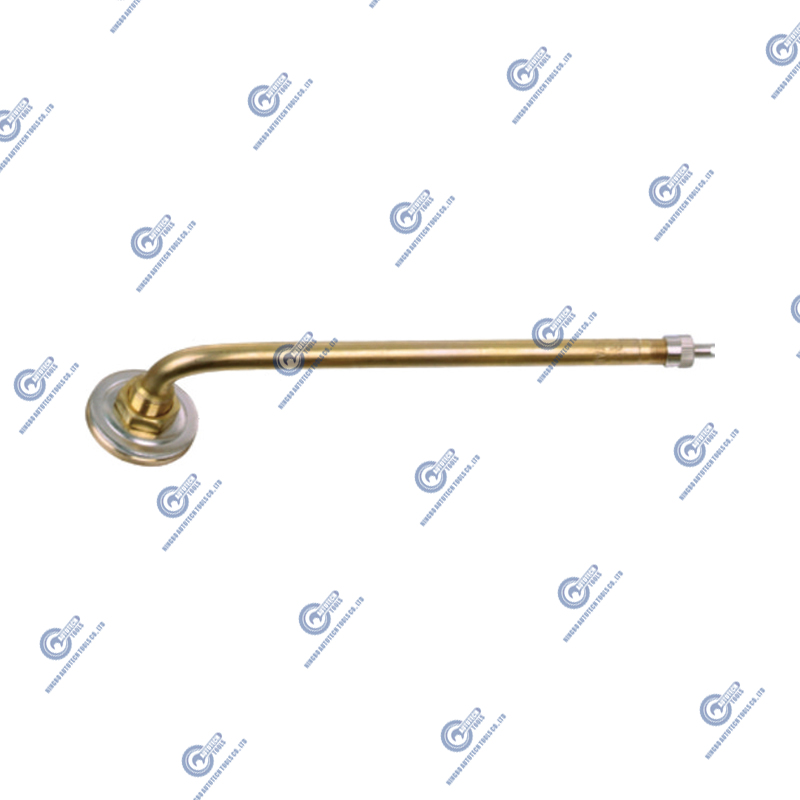
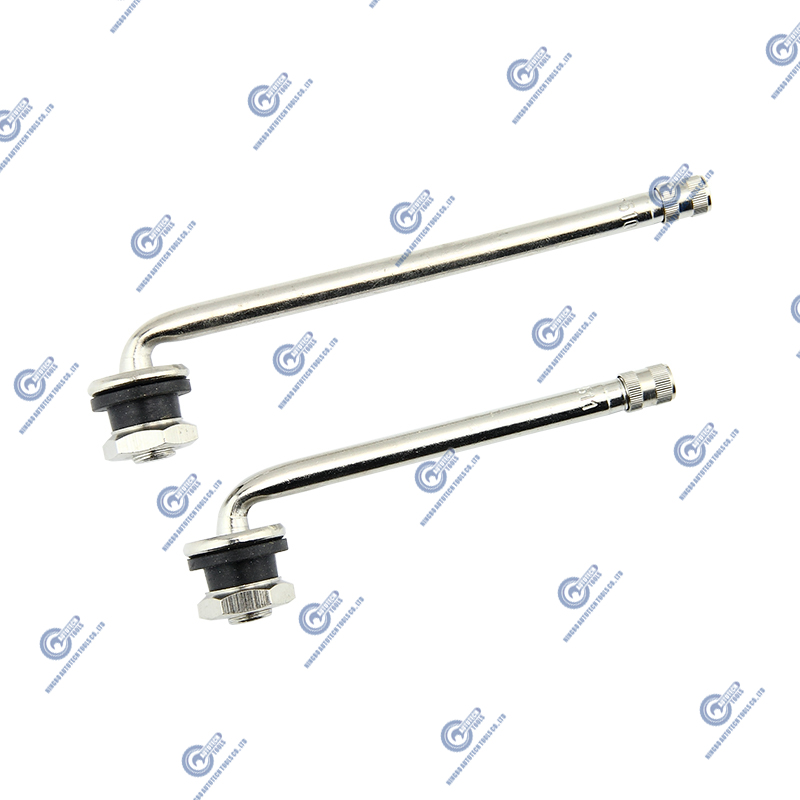
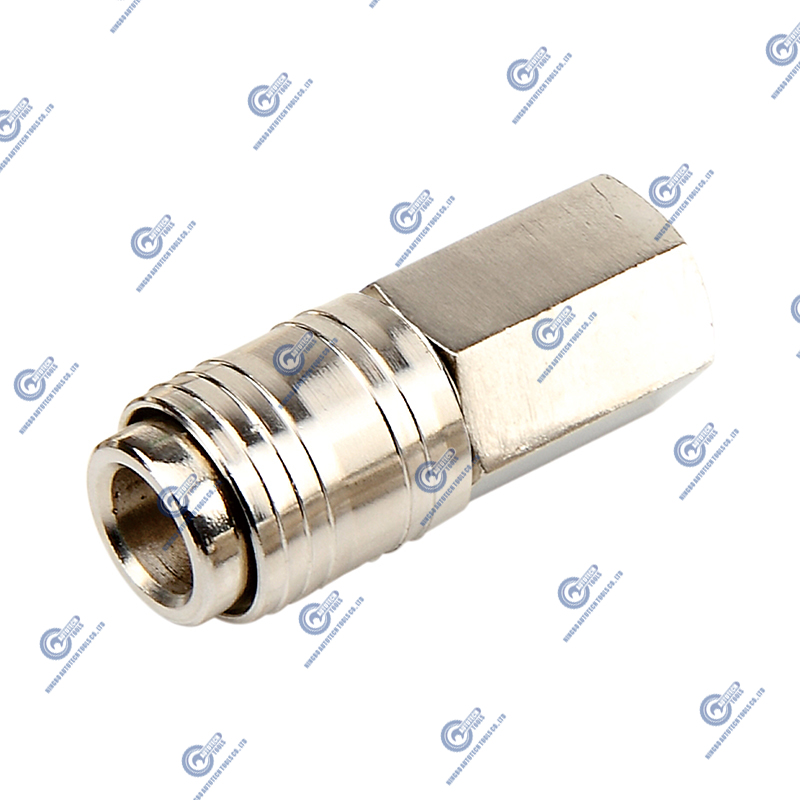
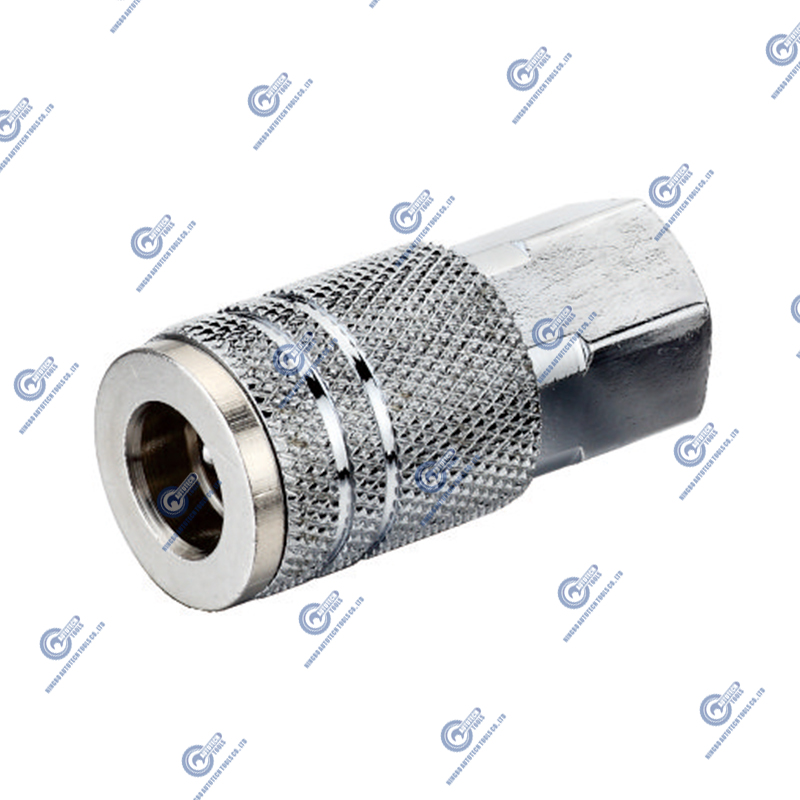

Ningbo Autotech Tools Co.,Ltd was founded in 2014 as a professional manufacturer of tire valves, tire repair tools & air quick couplings.
Product links
Contact Us
-
Address:No.16 Gaoqiang Road, Jiangnan Industrial Zone, Gaoqiao Town, Yinzhou District, Ningbo, China. 315175
-
Tel:+86-0574-89073063
-
E-mail:jimmy@autotechtool.com
