


 English
 Español
News
 Home / News / Industry news / Snap-In Tubeless Tire Valves: Selection, Maintenance & Common Mistakes
 Snap-In Tubeless Tire Valves: Selection, Maintenance & Common Mistakes
 2026.10.12
 Industry news
Tubeless tires have become the standard for modern passenger vehicles, and at the center of their reliability is a small but critical component: the snap-in tubeless tire valve. For more than a decade, our team has manufactured these valves for export markets across Europe, the Americas, and beyond, and we've learned exactly what separates a valve that lasts from one that fails. In this guide, we'll walk through the anatomy, selection, and maintenance of snap-in tubeless tire valves, drawing on hands-on production experience that goes beyond textbook theory.
What Are Snap-In Tubeless Tire Valves?
A snap-in tubeless tire valve—also called a rubber valve stem—is a one-piece assembly that combines a rubber body with a brass or zinc-alloy core. The rubber base is shaped with a tapered flange designed to be pulled through the valve hole in a wheel rim. Once the base pops through, it snaps back to its original shape and creates an airtight seal against the rim.
These valves are used on a wide range of vehicles, including passenger cars, light trucks, and some motorcycles. They are the default choice for many OEMs because they are low-cost, quick to install, and effective at maintaining tire pressure in ordinary road conditions. In our factory, we produce snap-in valves in various stem lengths and angles to fit different wheel designs and clearance requirements.
How Snap-In Tubeless Tire Valves Work
The sealing principle of a snap-in valve is simple but robust. When the valve is inserted from the inside of the rim, the tapered rubber base stretches through the hole. As the flange emerges on the outside, it expands and presses firmly against the inner edge of the rim. When the tire is inflated, the air pressure acts on the large internal surface of the rubber base, pushing it harder against the rim—this is called a pressure-assisted seal.
Inside the valve body sits a spring-loaded Schrader core. Under normal conditions, the core remains closed, keeping air inside the tire. When you connect an inflation chuck or a tire pressure gauge, the pin in the core is depressed, opening the passage for air to enter or exit. Many modern vehicles also attach TPMS sensors to the metal core or use a long sensor bolt that passes through the valve body, making the valve's quality and dimensions critical for accurate pressure monitoring.
Snap-In vs. Clamp-In Tubeless Valves: Key Differences
While snap-in valves are the most common for smaller vehicles, clamp-in valves are often used in high-performance, heavy-duty, or aftermarket applications. Understanding the differences helps you choose the right component for every wheel.
| Feature | Snap-In Valve | Clamp-In Valve |
|---|---|---|
| Design | One-piece rubber stem | Metal body with separate rubber seal |
| Installation | Pulled through the rim hole | Inserted from outside, secured by a nut |
| Seal | Rubber flange compresses against rim | Rubber grommet compressed between metal nut and rim |
| Pressure capability | Standard up to about 65 psi | Higher pressure ratings, often for truck and racing |
| Durability | Rubber ages faster | More resistant to centrifugal force and corrosion |
| Cost | Lower cost | Higher cost |
| Common applications | Passenger cars, light trucks, motorcycles | High-performance, off-road, commercial vehicles |
As a manufacturer, we produce both types. For everyday commuting and typical light-truck use, snap-in valves offer the best balance of simplicity and value. When you need higher pressure stability or extra protection against vibration, a clamp-in valve may be a better fit—but for the majority of drivers, a properly manufactured snap-in valve is more than sufficient.
Choosing the Right Snap-In Valve for Your Vehicle
Not all snap-in valves are created equal. The correct specification depends on your rim, tire, and intended use. Here are the key factors we recommend every buyer—whether a garage owner or a vehicle enthusiast—to consider.
- Rim hole diameter: Standard passenger rims use a specific hole size. Always match the valve's base diameter to the rim's valve hole specification. Using an undersized valve can leak, and forcing a larger valve can damage the rim.
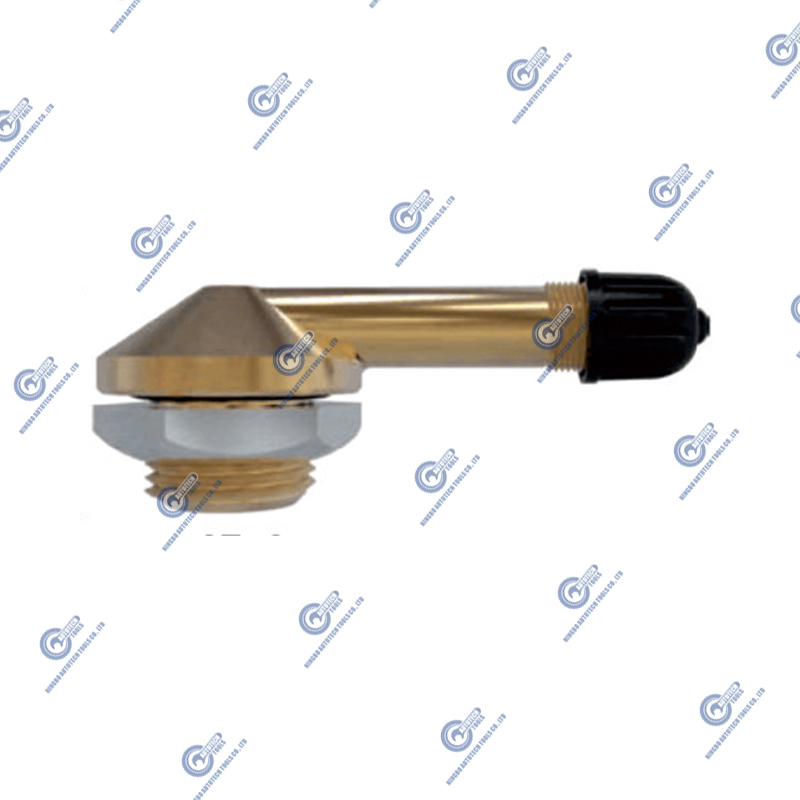
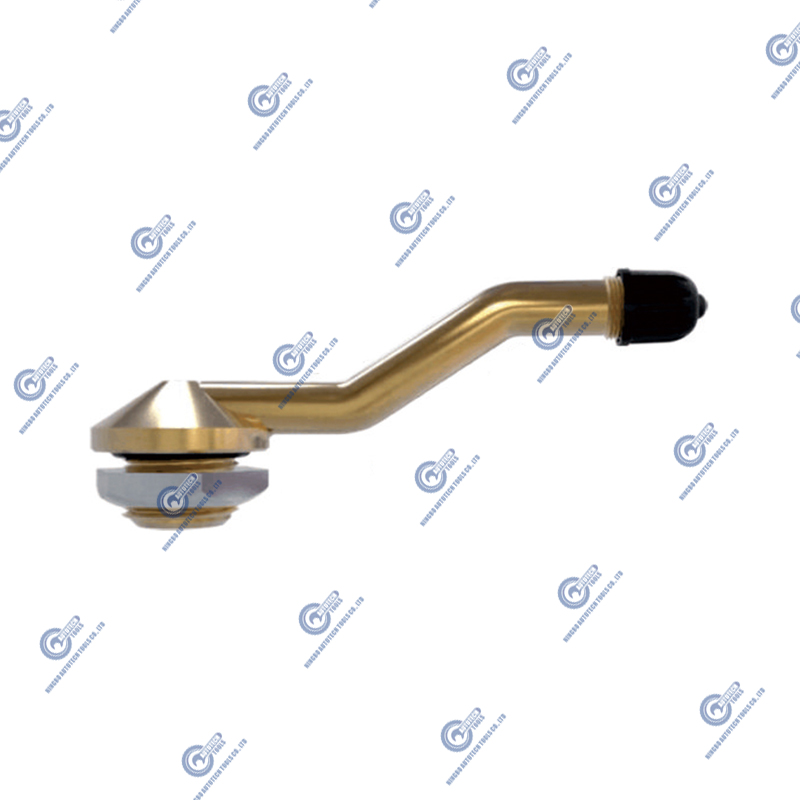
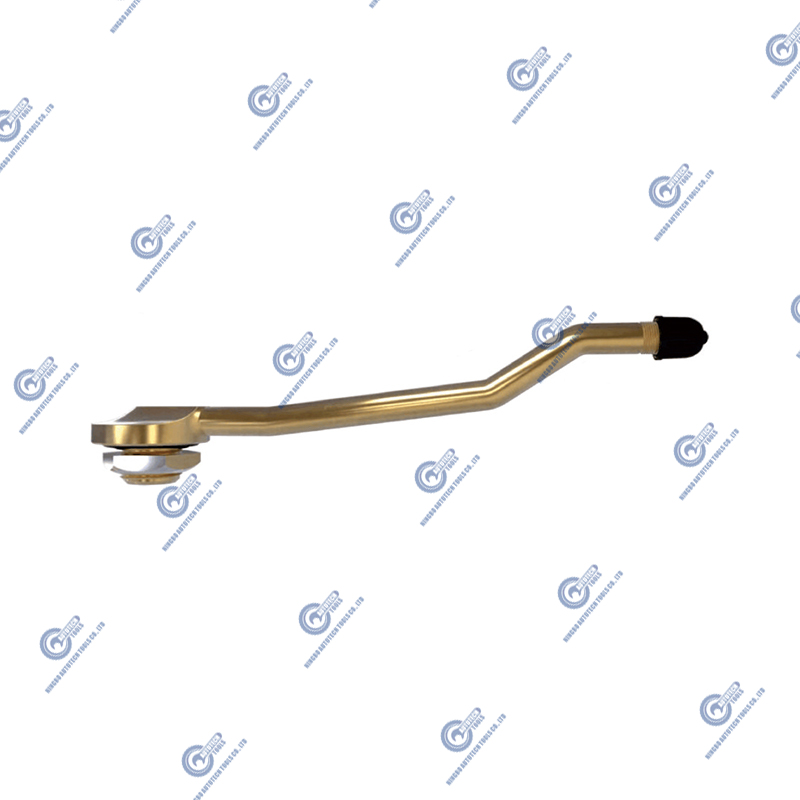
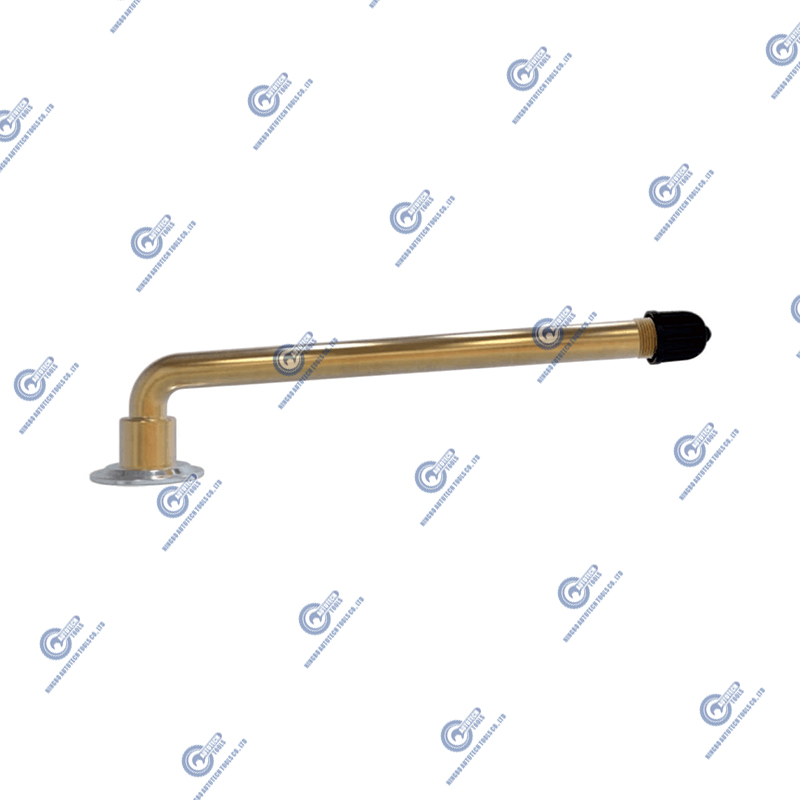
- Stem length and angle: Straight valves work in most factory wheels, but deep-dish or aftermarket wheels may require a longer stem or a 45-degree or 90-degree angled design to reach accessible inflation positions.
- Rubber compound quality: EPDM rubber offers excellent ozone and heat resistance. Cheap rubber can crack within two years, especially in hot or sunny climates.
- Metal core material: Brass is standard for corrosion resistance. Zinc-alloy cores are lighter but should be plated. Ensure the core is firmly embedded in the rubber.
- TPMS compatibility: If your vehicle has tire pressure monitoring, confirm the valve works with your sensor type. Some sensors replace the valve core or mount to the stem.
- Pressure rating: For heavy loads or off-road use, choose a valve with a higher pressure rating. Our valves for commercial applications are tested at higher inflation pressures to ensure a safety margin.
Common Snap-In Valve Problems and How to Prevent Them
In our years of production and after-sales feedback, we've seen recurring valve issues. Most are avoidable with proper installation and periodic inspection.
Premature rubber cracking
Exposure to ozone, UV rays, and certain cleaning chemicals causes the rubber body to harden and crack. This is the most common failure mode, and it's easily prevented by using a high-quality EPDM compound and metal valve caps that protect the open end.
Leakage around the rim hole
A leak appears when the rubber base does not seat evenly. This usually happens because the rim hole has sharp edges or debris, or because the valve was stretched too much during installation. Lubricating the valve base with a silicone lubricant and inspecting the rim hole before installation can eliminate most leaks.
Bent or snapped stems
When a tire slips on the rim or is subjected to extreme lateral forces, the metal core inside the rubber can bend or break at the base. This is more common with very low-profile tires or aggressive off-road use. Choosing a reinforced rubber base with a metal insert and avoiding hard impacts can mitigate the risk.
To extend the life of your snap-in valves, follow this simple maintenance routine:
- Inspect valve stems visually during each tire pressure check.
- Always replace the valve when mounting a new tire—old rubber loses flexibility.
- Use plastic or metal caps with a built-in seal to keep dirt and moisture out.
- Have a professional verify valve torque and seating after any tire service.
Why Quality Matters: What We've Learned as a Manufacturer
Our factory has supplied snap-in tubeless valves to distributors and OEMs in more than 30 countries. Through that experience, we've learned that the difference between a reliable valve and a problematic one often lies in the unseen details: the purity of the rubber batch, the thickness of the reinforcing rings, the accuracy of the metal core, and the consistency of the vulcanization process.
That's why we subject every batch of incoming rubber to supplier screening and incoming material testing, compare compounds from different lots, and run process-controlled production with traceability. We test every batch according to industry indicators before it leaves the workshop. For the buyer, this means a snap-in valve that maintains its elasticity for years, seals consistently, and does not create slow leaks or sensor errors.
When you choose a snap-in tubeless valve, you are not just buying a piece of rubber and brass—you are betting on a manufacturing process. A valve that looks identical on the outside can be very different on the inside. Invest in quality from the beginning, and you'll save time, money, and safety on the road later.
Snap-in tubeless tire valves are small components, but they carry the entire safety responsibility of your tire's air containment. By understanding how they work, selecting the right specification, respecting regular maintenance, and sourcing from a manufacturer that values quality control, you can avoid the silent leaks and sudden failures that make tires unsafe. Whether you're a fleet manager, a workshop owner, or a careful driver, paying attention to the tiny valve at the base of your wheel is a simple step that pays off in every mile.

Ningbo Autotech Tools Co.,Ltd was founded in 2014 as a professional manufacturer of tire valves, tire repair tools & air quick couplings.
Product links
Contact Us
-
Address:No.16 Gaoqiang Road, Jiangnan Industrial Zone, Gaoqiao Town, Yinzhou District, Ningbo, China. 315175
-
Tel:+86-0574-89073063
-
E-mail:jimmy@autotechtool.com
