


 English
 Español
News
 Home / News / Industry news / Are Portable Tire Gauges & Inflators Reliable for Emergency Situations?
 Are Portable Tire Gauges & Inflators Reliable for Emergency Situations?
 2026.03.30
 Industry news
Portable tire gauges and inflators have become essential tools for drivers who prioritize vehicle safety and readiness. Designed to measure tire pressure accurately and inflate tires quickly, these compact devices are particularly valuable during roadside emergencies. But how reliable are they in real-world situations, and what should users know to maximize their effectiveness? This article explores the reliability of portable tire gauges and inflators, their features, advantages, and best practices for emergency use.
1. Understanding Portable Tire Gauges & Inflators
What They Are
Portable tire gauges are handheld devices used to measure tire pressure, while inflators are devices capable of pumping air into tires. Many modern devices combine both functions, allowing drivers to monitor and maintain tire pressure on the go. These tools are compact, lightweight, and often battery-powered or rechargeable, making them suitable for emergency kits.
Why They Are Essential
Maintaining proper tire pressure is crucial for safety, fuel efficiency, and tire longevity. Underinflated tires increase the risk of blowouts and reduce handling performance, while overinflated tires can cause uneven wear and discomfort. In emergencies, having a reliable portable gauge and inflator can prevent dangerous situations and allow drivers to reach a safe location for repairs.
2. Key Features That Ensure Reliability
Accurate Pressure Measurement
Accuracy is the most critical factor for a portable tire gauge. Reliable devices provide pressure readings within a small margin of error, typically ±1-2 psi. Digital gauges often offer higher accuracy and clear displays, making them easier to read under low-light conditions.
Rapid Inflation Capability
During emergencies, the ability to inflate a tire quickly is vital. Portable inflators vary in speed, measured in liters per minute (L/min) or PSI per minute. High-performance inflators can fill a standard car tire within a few minutes, while slower models may be suitable only for minor adjustments.
Durability and Build Quality
Emergency situations often involve rough handling or exposure to weather elements. Reliable portable tire gauges and inflators are constructed from durable materials such as reinforced plastics, metals, or rubberized coatings. Water-resistant or dust-resistant features also enhance performance under adverse conditions.
Power Source Considerations
Portable inflators can be powered by batteries, USB rechargeable units, or a car’s 12V power outlet. For emergencies, devices that can draw power directly from the vehicle are particularly useful, as they do not rely solely on battery charge.
Feature Comparison Table of Portable Tire Gauges & Inflators
| Feature | Basic Models | Advanced Models | Emergency Suitability |
|---|---|---|---|
| Pressure Measurement | Analog, ±2-3 psi | Digital, ±1 psi | Advanced models provide more precise readings |
| Inflation Speed | Low, 5-10 L/min | High, 20-30 L/min | Fast inflation is preferred for emergencies |
| Power Source | Batteries only | Battery + 12V car adapter | Dual power ensures readiness |
| Durability | Plastic housing | Reinforced plastic/metal casing | Durable models handle rough use |
| Portability | Lightweight | Compact, sometimes foldable hose | All portable, convenient for vehicle storage |
3. Practical Use in Emergency Situations
Checking Tire Pressure on the Road
In emergencies, a quick pressure check can identify underinflated tires caused by punctures or temperature changes. Portable gauges allow drivers to monitor all tires, including the spare, and take immediate corrective action.
Inflating Tires Safely
Portable inflators enable rapid inflation to recommended PSI levels. Most inflators have automatic shutoff features to prevent overinflation. Users should ensure the vehicle is parked on a flat, stable surface before operating the inflator and follow the manufacturer's instructions for safe use.
Emergency Scenarios
Portable tire gauges and inflators are particularly useful in situations such as:
- Flat tires due to minor punctures
- Pressure drops during long trips
- Cold weather conditions causing tire contraction
- Remote areas without nearby service stations
4. Tips for Maximizing Reliability
Regular Maintenance
Even portable devices require care. Check the hose, nozzle, and connectors for cracks or leaks, replace batteries or recharge regularly, and calibrate the gauge if necessary.
Storage and Accessibility
Keep the device in a designated vehicle storage area, such as the trunk or under-seat compartment. Ensure it is easily reachable during emergencies, and include instructions for use in the kit.
Familiarization Before Emergencies
Practice using the tire gauge and inflator before an actual emergency. Understanding how to attach the nozzle, set the PSI, and operate the device safely will reduce stress during real roadside situations.
FAQ
1. Can a portable inflator handle all tire types?
Most portable inflators are suitable for standard car, motorcycle, and bicycle tires. Check specifications for larger tires, such as trucks or SUVs.
2. How long does it take to inflate a tire with a portable inflator?
Depending on the model and tire size, it can take 2–10 minutes. High-capacity models inflate faster.
3. Are digital tire gauges more reliable than analog?
Digital gauges generally offer higher accuracy and are easier to read, especially in low-light conditions.
4. Can I use a portable inflator in extreme weather?
Most devices work within a certain temperature range. Check manufacturer guidelines for operation in extreme cold or heat.
5. How do I ensure my portable tire gauge & inflator is ready for emergencies?
Regularly check battery levels, inspect the hose and nozzle, and store it in an accessible, protected location.
References
- National Highway Traffic Safety Administration (NHTSA) – Tire Safety Guidelines
- Automotive Maintenance Manuals – Portable Tire Tools
- Consumer Reports – Best Portable Tire Gauges and Inflators
- Vehicle Safety and Emergency Preparedness Standards
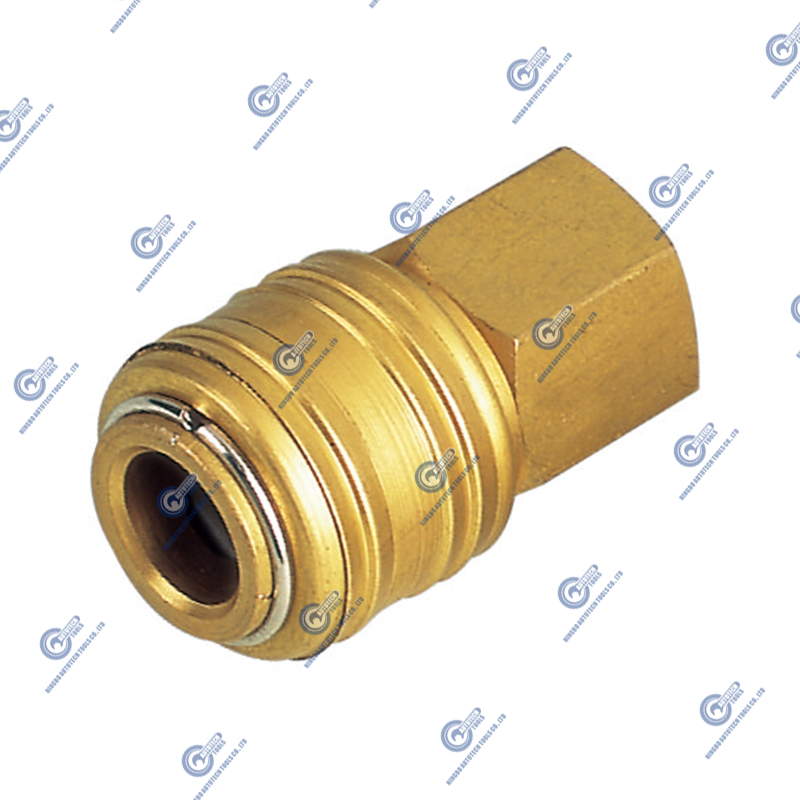
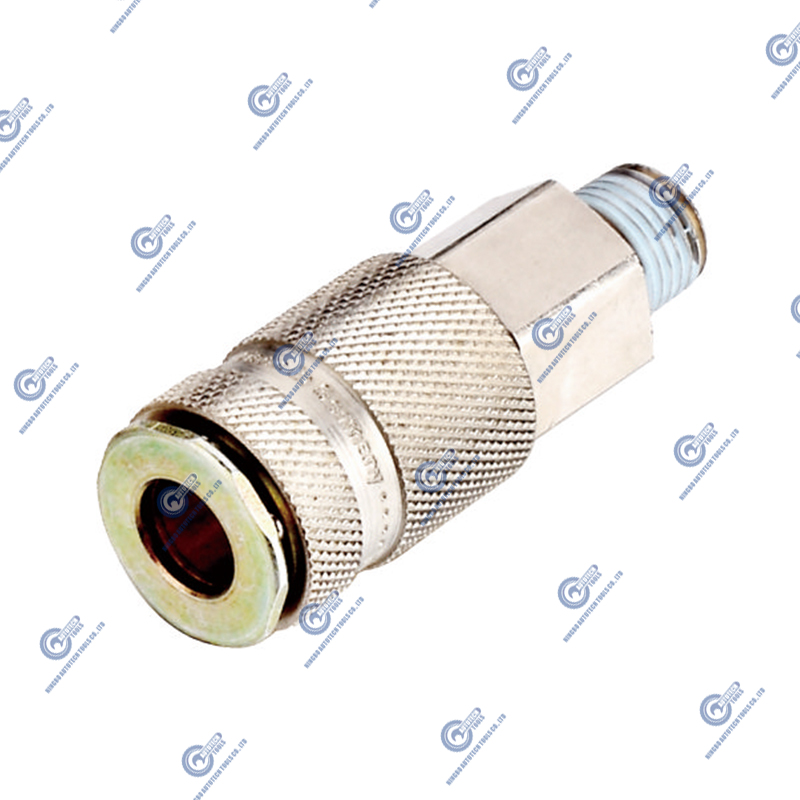
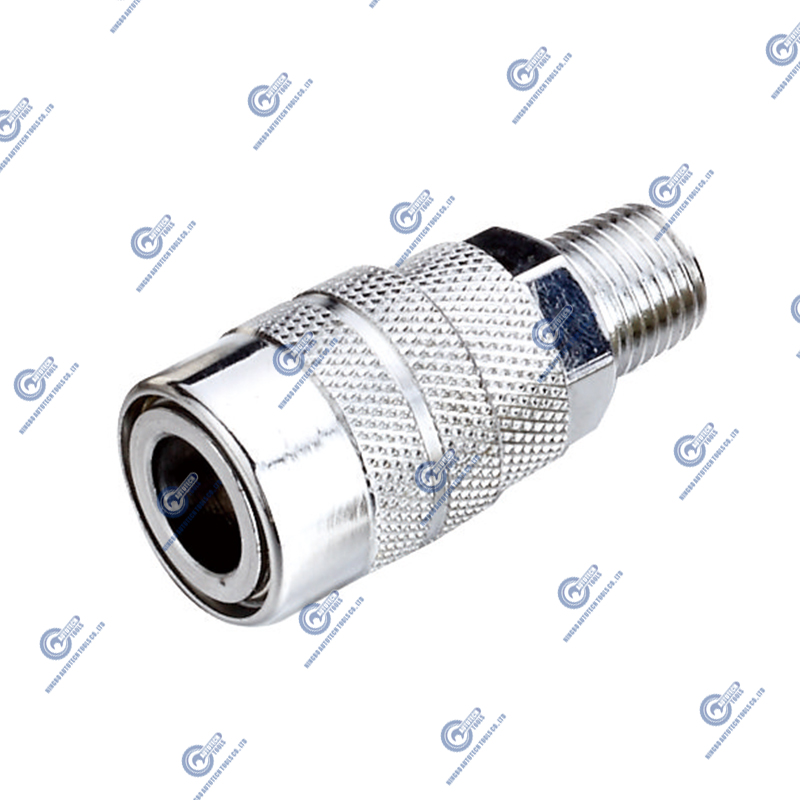
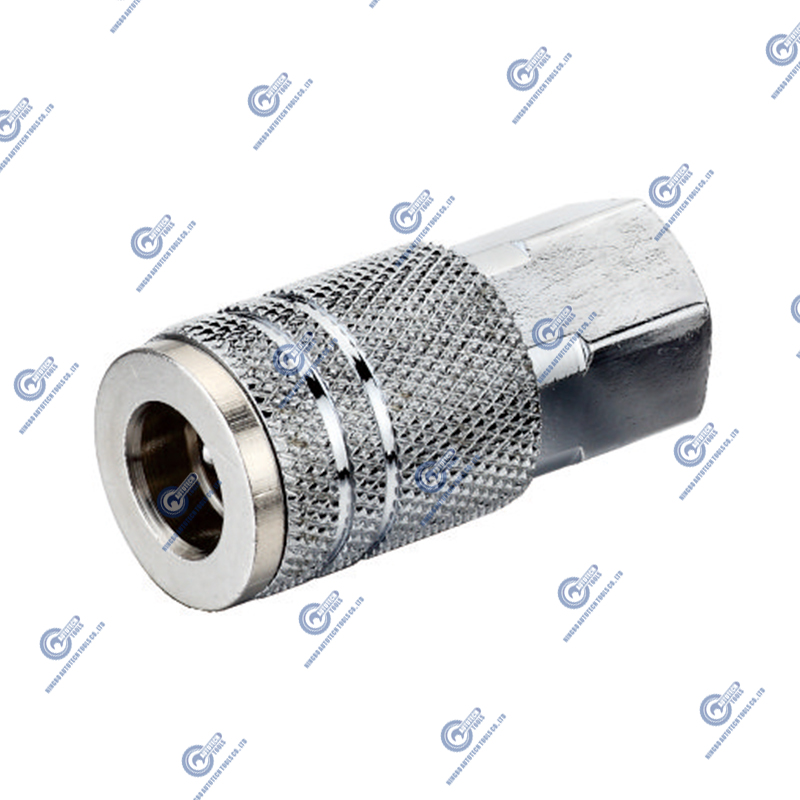
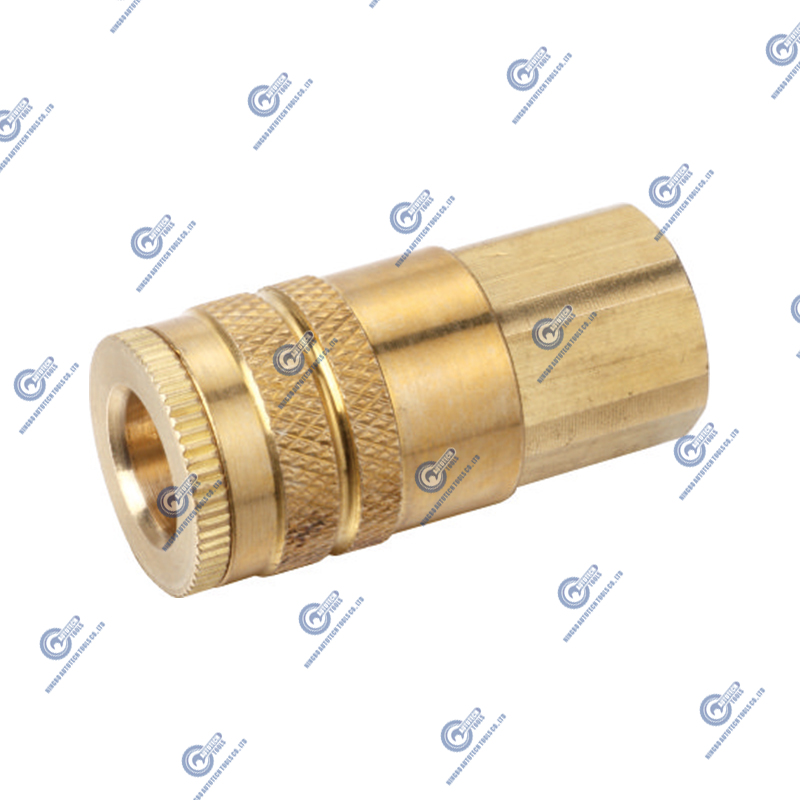
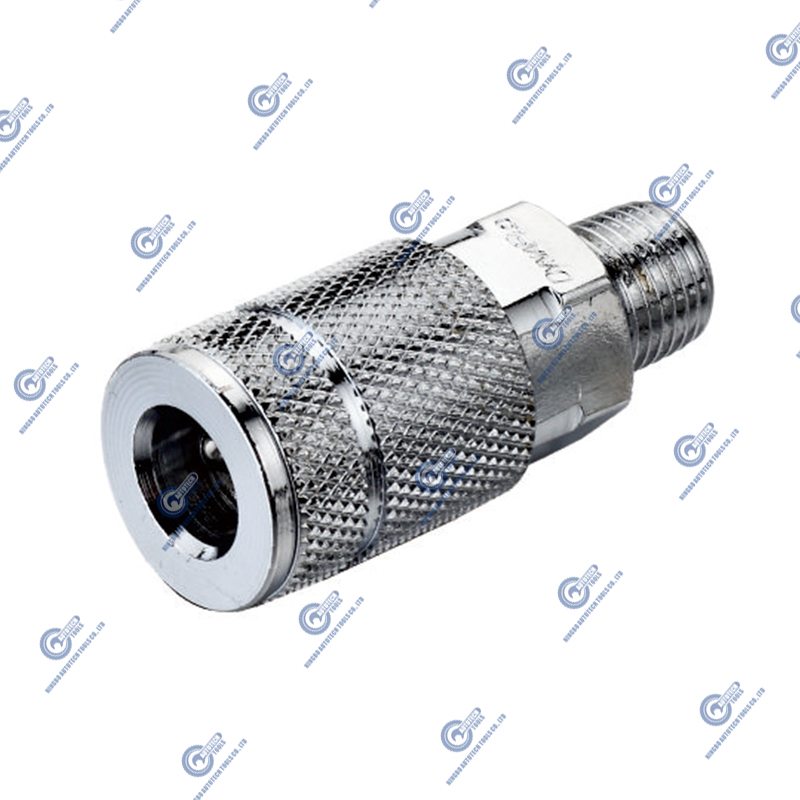
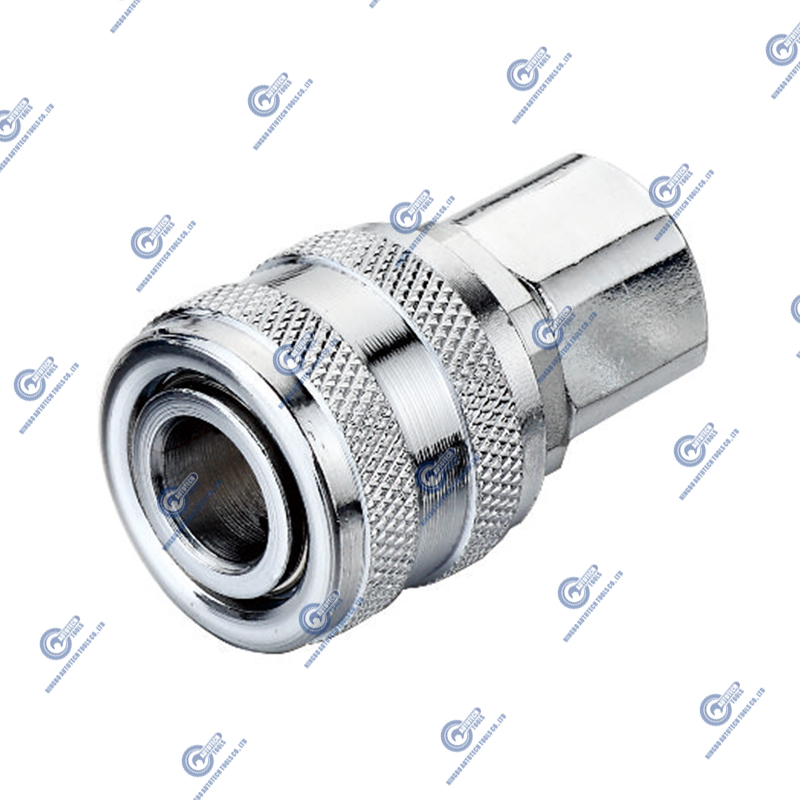
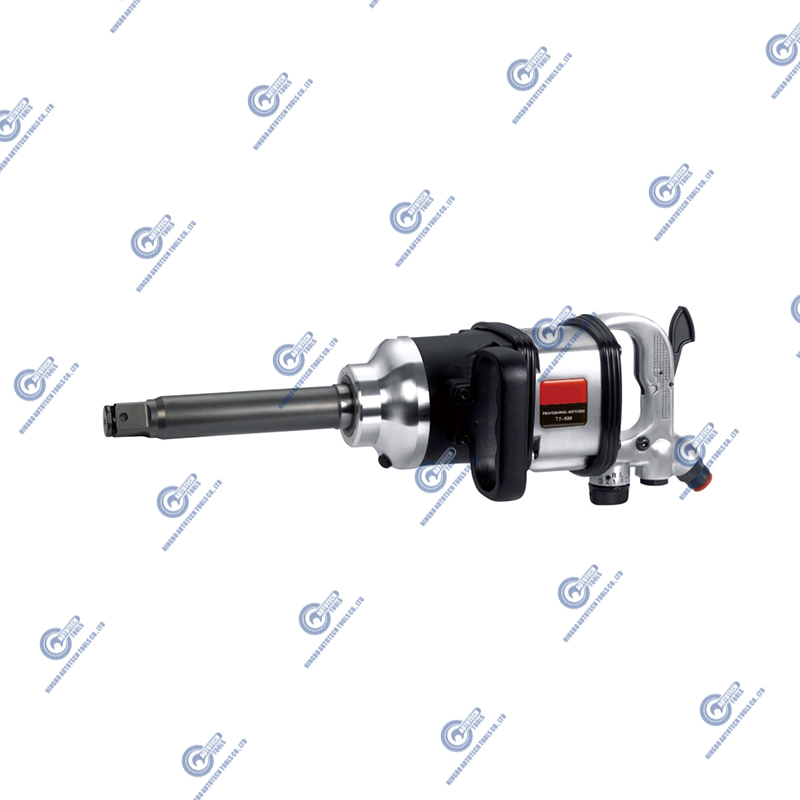

Ningbo Autotech Tools Co.,Ltd was founded in 2014 as a professional manufacturer of tire valves, tire repair tools & air quick couplings.
Product links
Contact Us
-
Address:No.16 Gaoqiang Road, Jiangnan Industrial Zone, Gaoqiao Town, Yinzhou District, Ningbo, China. 315175
-
Tel:+86-0574-89073063
-
E-mail:jimmy@autotechtool.com
