


 English
 Español
 Home / Products / TIRE VALVES / Truck and bus tire valves / Nickel plated brass valves with o-rings, metric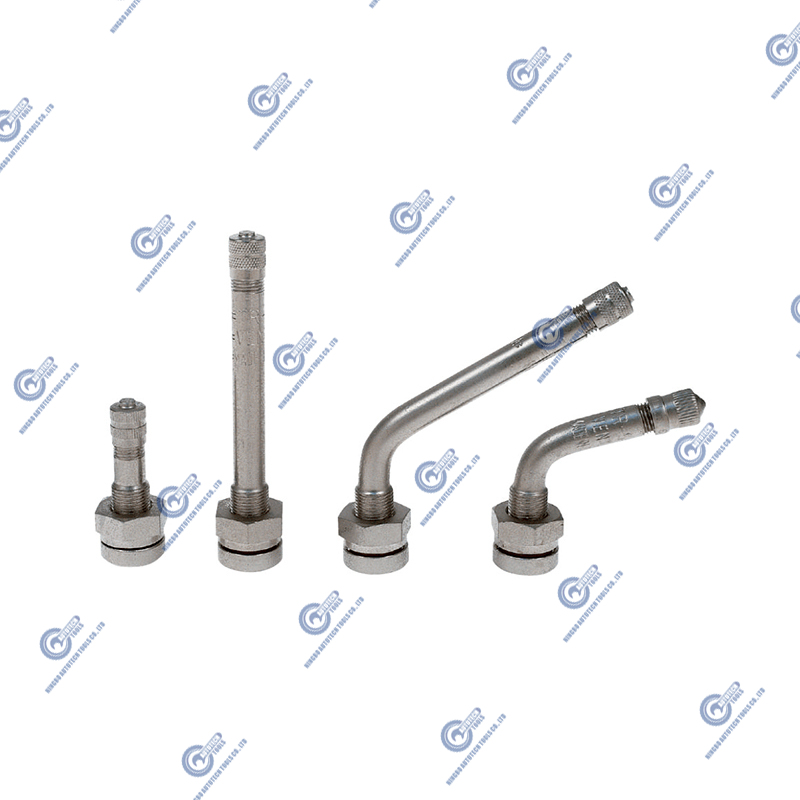
Nickel plated brass valves with o-rings, metric
Material:
This kind of valve can be installed in the bus's air pressure management system to regulate and control the air pressure of the bus tires. By properly adjusting the valve, you can ensure that the bus tires maintain proper air pressure, improving the bus's handling, stability and fuel efficiency. The nickel-plated brass valve is equipped with an O-ring seal and is used in conjunction with an air pressure monitoring device to monitor the air pressure of bus tires. Through this valve, the bus driver can monitor the tire pressure at any time and take timely measures to prevent problems caused by excessive or under-inflated tires. The normal air pressure of bus tires is one of the keys to ensuring driving safety. Proper air pressure can improve the tire's grip, braking performance and handling, reduce the risk of accidents during bus driving, and ensure the safety of passengers and vehicles. By maintaining proper tire pressure, you can reduce tire wear and tear and extend the life of your tires. This is of great significance to bus operating companies, which can reduce maintenance costs and improve the economic benefits of vehicles.

Detailed parameters
| TR No | Rim Holes (mm/in) |
Eff.length (mm) |
α° |
| TR542 | 9.7/.39" | 32 | |
| TR543 | 9.7/.39" | 59 | |
| TR543C | 9.7/.39" | 59 | 45 |
| TR543D | 9.7/.39" | 59 | 60 |
| TR543E | 9.7/.39" | 59 | 75 |
| TR544 | 9.7/.39" | 73 | |
| TR544D | 9.7/.39" | 73 | 60 |
| TR544E | 9.7/.39" | 73 | 75 |
| TR545 | 9.7/.39" | 89 | |
| TR545B | 9.7/.39" | 89 | 26 |
| TR545C | 9.7/.39" | 89 | 36 |
| TR545D | 9.7/.39" | 89 | 60 |
| TR545E | 9.7/.39" | 89 | 75 |
| TR546 | 9.7/.39" | 108 | |
| TR546B | 9.7/.39" | 108 | 26 |
| TR546C | 9.7/.39" | 108 | 36 |
| TR546D | 9.7/.39" | 108 | 60 |
| TR546E | 9.7/.39" | 108 | 75 |
| TR547D | 9.7/.39" | 119 | 60 |
KEEP IN TOUCH
About

Ningbo Autotech tools Co., Ltd.
is an international trade enterprise combined with a factory, specializing in the manufacturing of Tire Valves, Tire Repair Tools & Air Quick Couplings. As China Nickel plated brass valves with o-rings, metric Suppliers and Nickel plated brass valves with o-rings, metric Factory, We focus on developing high-quality products for top-end markets. And our products are mainly exported to over 30 countries such as USA, Germany, Spain, Italy, UK, Brazil, Argentina etc. Our clients include many OEM customers who specialize in the automotive industry and construction machinery.
Plant equipment
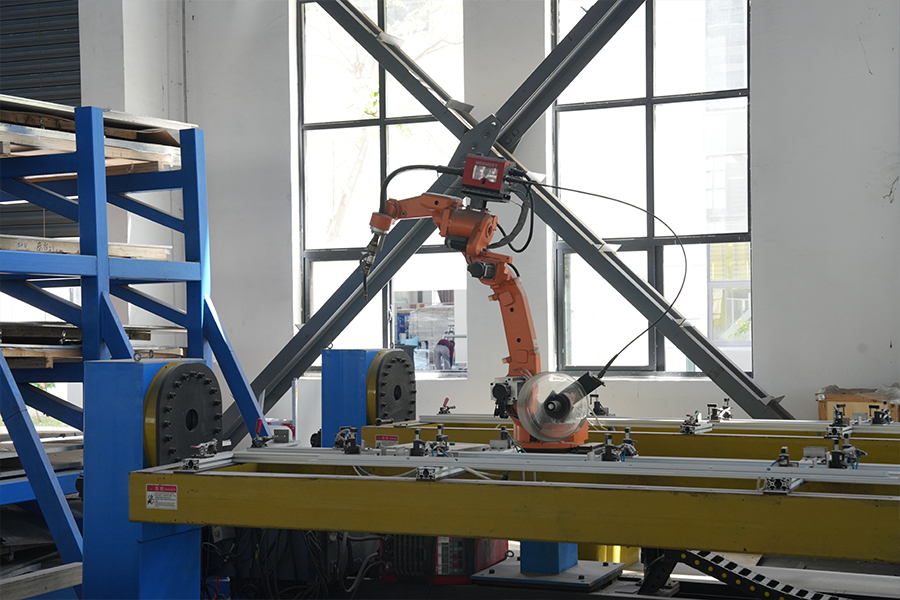
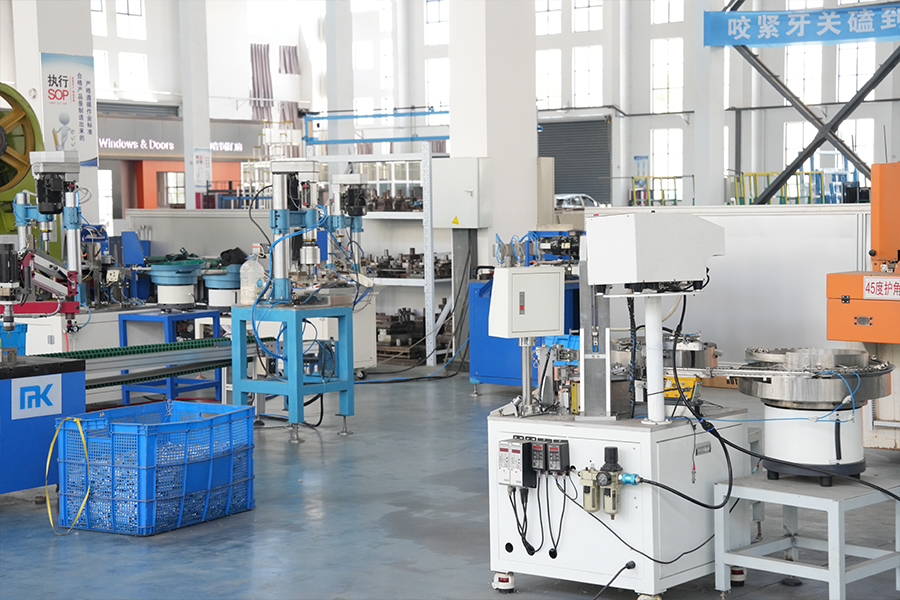
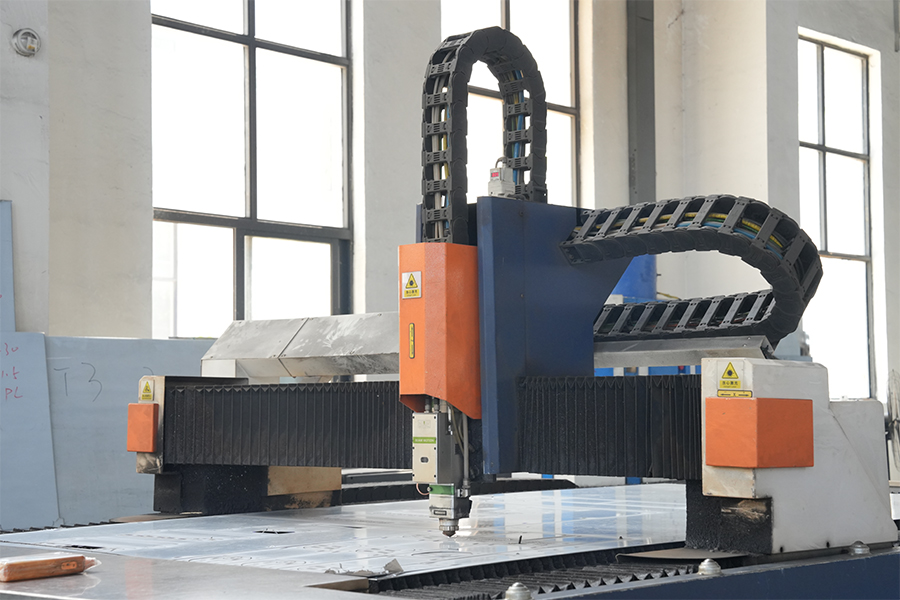
News
-
Picture a delivery van that has been running fine for weeks. Then one morning, the onboard TPMS light shows the right front tire at 28 psi instead of 35 psi. The driver tops it off, but the...
READ MORE -
A quality digital tire pressure gauge is generally more accurate than a comparable analog dial gauge, typically reading within ±0.5 to ±1 PSI, versus ±2 to ±4 PSI for many analog dial gauges...
READ MORE -
TPMS-compatible tire valves differ from standard valves primarily because they must house or attach to a pressure sensor inside the wheel, requiring specific valve stem designs — typically ...
READ MORE

Ningbo Autotech Tools Co.,Ltd was founded in 2014 as a professional manufacturer of tire valves, tire repair tools & air quick couplings.
Product links
Contact Us
-
Address:No.16 Gaoqiang Road, Jiangnan Industrial Zone, Gaoqiao Town, Yinzhou District, Ningbo, China. 315175
-
Tel:+86-0574-89073063
-
E-mail:jimmy@autotechtool.com
