


 English
 Español
News
 Home / News / Industry news / Do pneumatic wrenches need lubrication and maintenance? Routine maintenance steps to extend their lifespan
 Do pneumatic wrenches need lubrication and maintenance? Routine maintenance steps to extend their lifespan
 2025.12.01
 Industry news
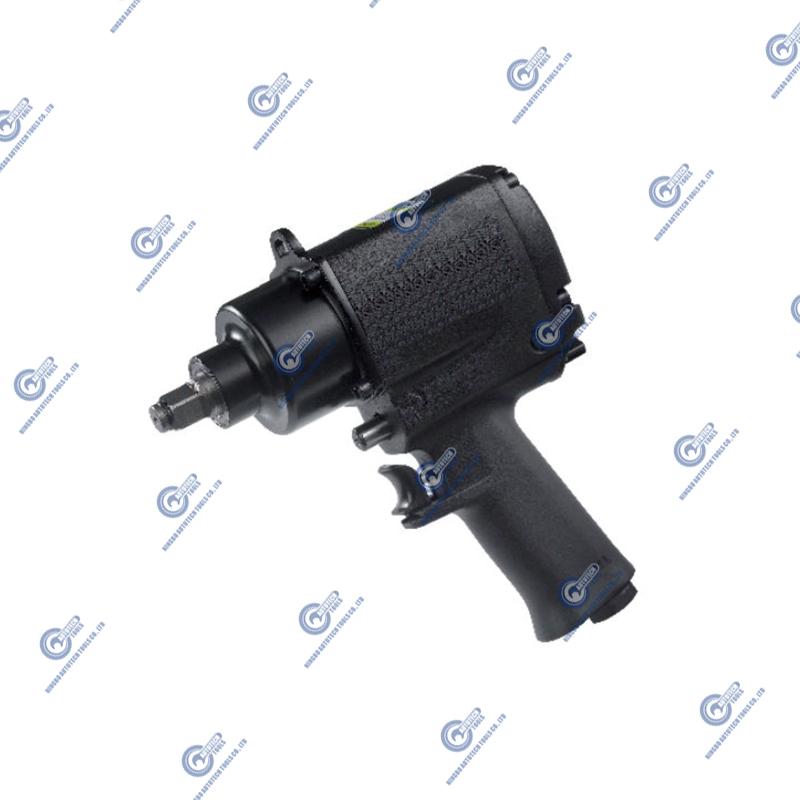
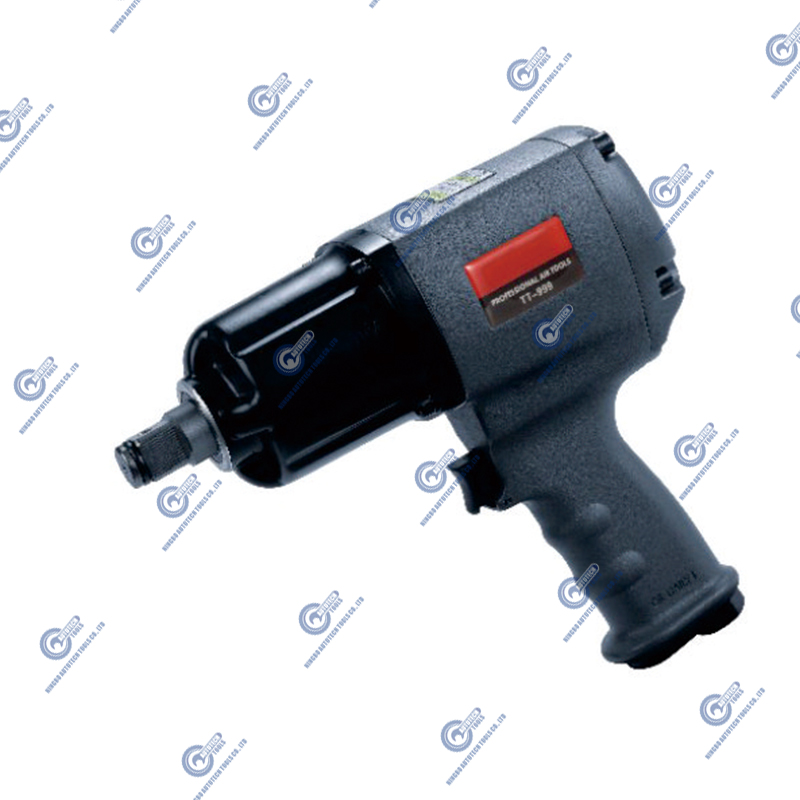
Air impact wrenches are indispensable heavy-duty tools in automotive repair, heavy industry, and construction. Unlike electric tools, pneumatic tools rely on high-pressure airflow to drive their internal motor and impact mechanism. Therefore, regular lubrication and maintenance are not just “suggestions,” but “necessities” to ensure the tool’s performance and significantly extend its service life.
I. Lubrication: The “Blood” of the Pneumatic Wrench
The air impact wrench has two separate but equally crucial lubrication areas: the Pneumatic Motor System and the Impact (Hammering) Mechanism System.
1. Lubrication of the Pneumatic Motor System (Daily Essential)
The vanes and rotor inside the pneumatic motor require a continuous film of oil to reduce friction, prevent air leakage, and carry away internal moisture and contaminants.
- Lubricant Choice: You must use specialized Air Tool Oil. This is typically a low-viscosity mineral oil with excellent anti-moisture, anti-rust, and emulsifying properties. Strictly avoid using standard engine oil, WD-40, or any heavy greases, as these can cause vanes to stick and the tool to clog.
- Lubrication Frequency: Before every use is the minimum requirement. If the tool is used continuously for long periods (over 4 hours), it’s recommended to lubricate again during a work break.
- Procedure:
- Disconnect the air source to ensure the tool is safe.
- Drip 3-10 drops of specialized air tool oil into the tool’s Air Inlet. The exact number of drops depends on the tool size and manufacturer’s recommendation.
- Reconnect the air source and loosely cover the Exhaust Port with an old rag or towel.
- Let the tool run free for a few seconds so the oil is evenly distributed as a mist, coating all internal pneumatic components.
2. Lubrication of the Impact Mechanism (Periodic Deep Maintenance)
The impact mechanism (including the hammer block, anvil, bearings, etc.) is the core part that withstands massive, instantaneous torque forces. This area endures extremely high pressure and heat.
- Lubricant Choice: Specialized Air Impact Grease or heavy-duty oil recommended by the manufacturer. This grease is typically thicker and formulated to resist shock and sling-off.
- Lubrication Frequency: It is generally recommended to perform a full lubrication every 40 to 50 operating hours, or at least biannually, referencing the user manual for specifics.
- Procedure:
- Grease Fitting System: If your wrench is equipped with a Grease Fitting, use a grease gun to inject an appropriate amount of specialized grease.
- Disassembly Maintenance: For models without a grease fitting, you will need to disassemble the Hammer Case, clean out the old, contaminated grease, and then manually apply a fresh, even coat of specialized grease to all contact points and rotating surfaces of the impact mechanism.
II. Routine Cleaning and Preventive Checks
Lubrication addresses internal friction, but air source quality and the tool’s external condition are external factors affecting performance.
1. Air Quality Control (The Key to Preventing Rust)
The greatest enemy of pneumatic tools is moisture in the air line. Air compressors generate condensation, and if this water enters the tool, it causes internal parts to rust and corrode.
- Compressor Drainage: You must drain the condensation from your air compressor’s storage tank daily or based on humidity levels.
- FRL System: It is highly recommended to install an FRL (Filter-Regulator-Lubricator) combination in the air line:
- Filter: Removes solid particles and moisture from the air source.
- Regulator: Ensures the tool operates within the correct pressure range (typically 90 PSI).
- Lubricator: Provides continuous oil mist lubrication during use.
2. Tool Component Inspection and Maintenance
The following table outlines the checks and maintenance tasks required for an air impact wrench at different intervals:
| Maintenance Item | Target Component | Frequency | Purpose and Action |
|---|---|---|---|
| Motor Lubrication | Air Inlet | Before Every Use | Keeps internal vanes lubricated, preventing rust and friction. Drip in 3-10 drops of air tool oil. |
| Air Quality Check | Compressor Tank, Line Filters | Daily / Weekly | Prevents moisture and contaminants from entering the tool. Ensure the compressor tank is drained, and check/replace filter elements. |
| Impact Mechanism Lubrication | Inside Hammer Case | Every 40-50 Operating Hours | Ensures smooth operation of hammering components and withstands shock loads. Inject grease or replace impact oil as per the model. |
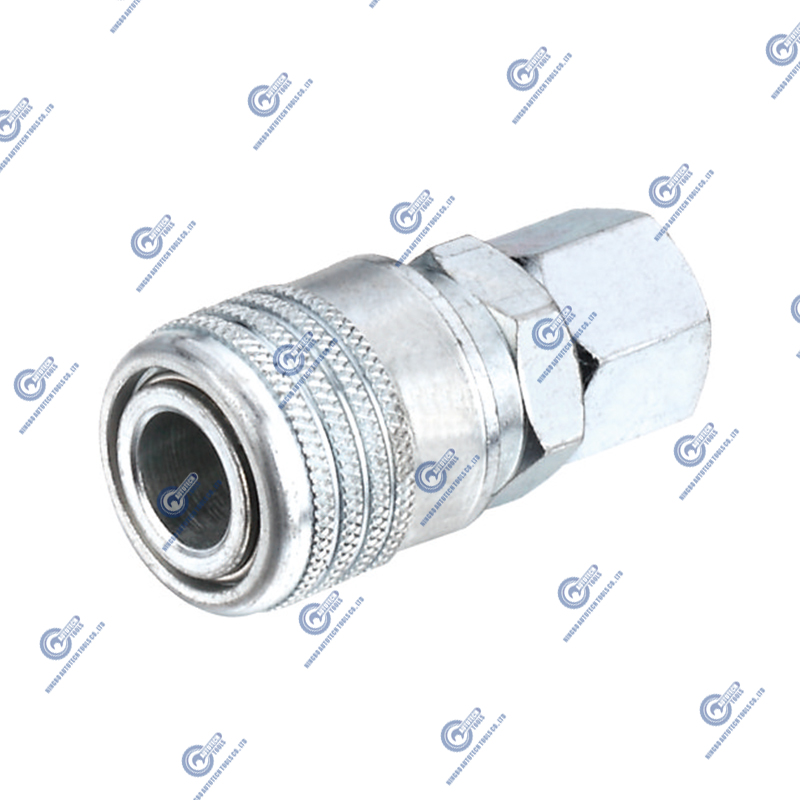
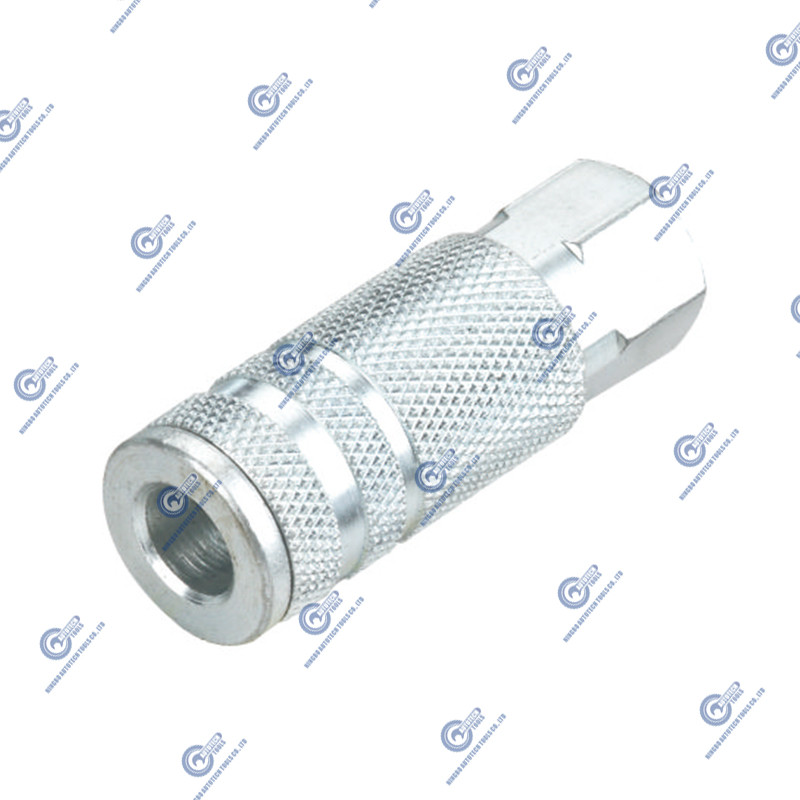
| Hose and Coupler Check | Air Hose, Quick Connectors | Before Every Use | Check for leaks, cracks, or wear. Leaks cause pressure loss and reduced tool torque. |
| External and Exhaust Cleaning | Tool Body, Exhaust Port | After Every Use | Remove surface dirt and oil residue from the exhaust port. Wipe down with a clean rag. |
| Anvil/Square Drive Check | Anvil (Square Drive) | Monthly | Inspect for cracks, chips, or excessive wear. Ensure the socket retaining pin or O-ring is intact. |
3. Safe Storage
When not in use, store the pneumatic wrench in a dry, clean environment. Avoid prolonged exposure to moisture, dust, or extreme temperatures. Before long-term storage, perform one final lubrication and run the tool for a few seconds to protect the internal components.
By strictly following these lubrication and maintenance steps, you can maximize the efficiency of your air impact wrench and ensure it delivers the manufacturer’s promised torque whenever you need it.
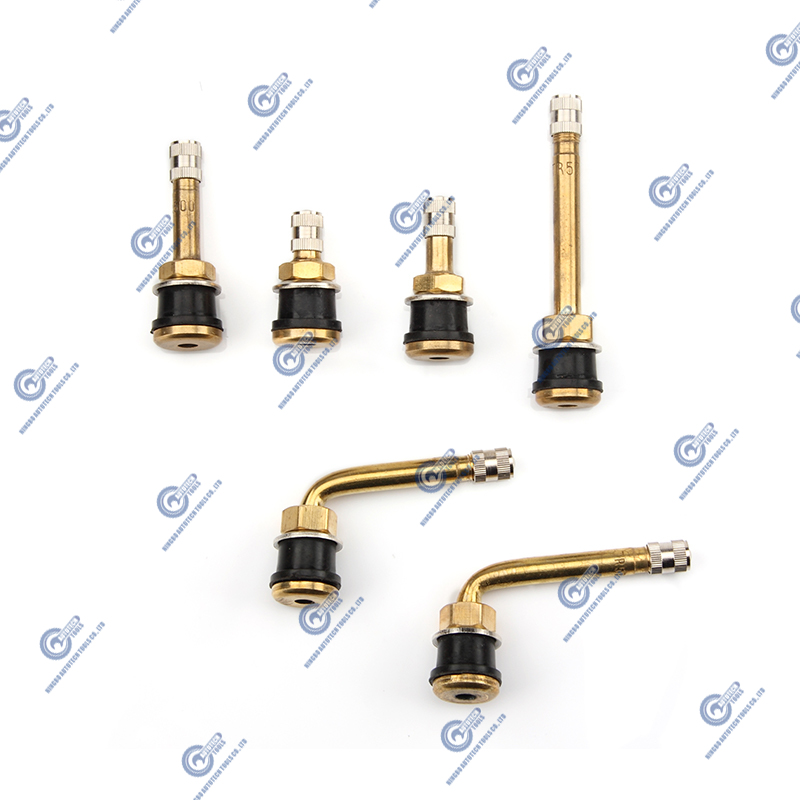
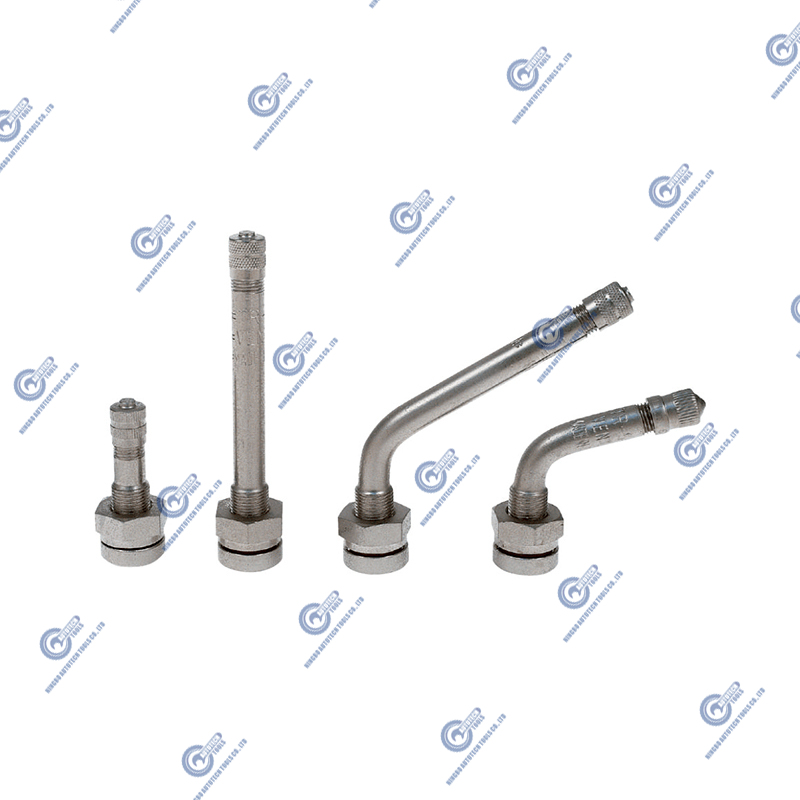
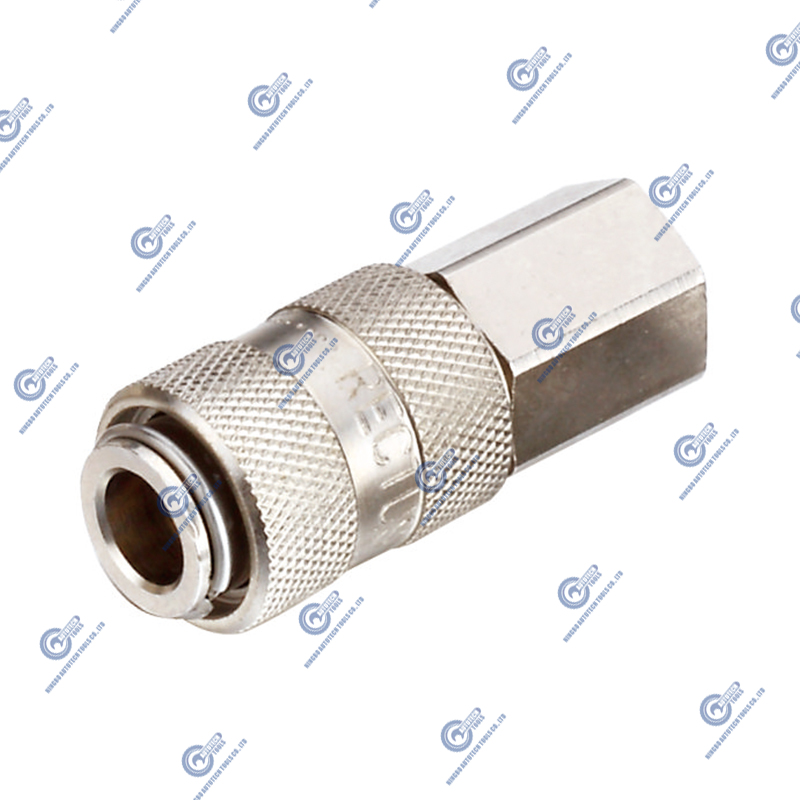
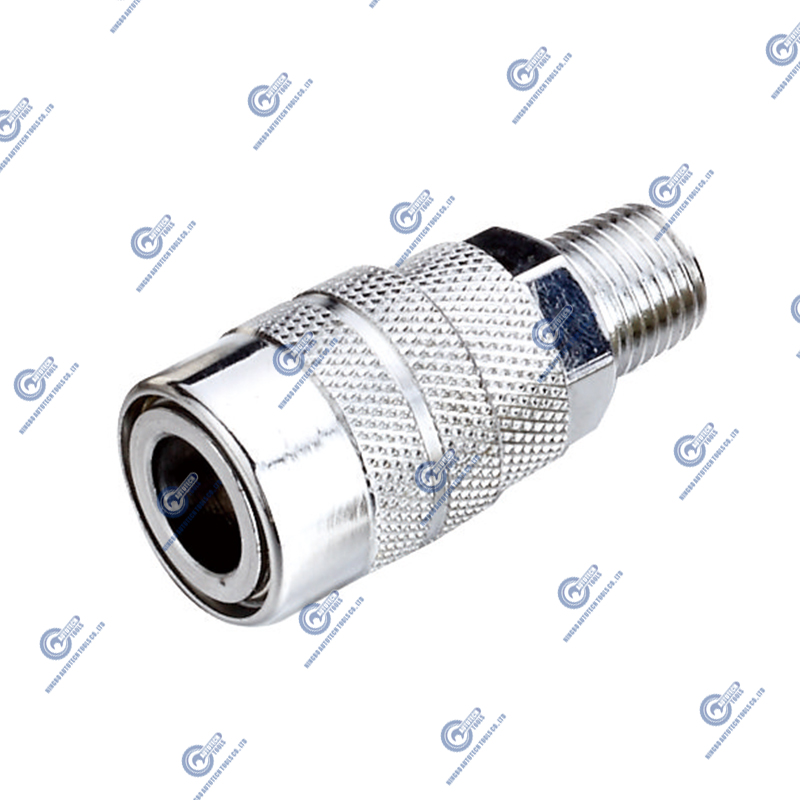

Ningbo Autotech Tools Co.,Ltd was founded in 2014 as a professional manufacturer of tire valves, tire repair tools & air quick couplings.
Product links
Contact Us
-
Address:No.16 Gaoqiang Road, Jiangnan Industrial Zone, Gaoqiao Town, Yinzhou District, Ningbo, China. 315175
-
Tel:+86-0574-89073063
-
E-mail:jimmy@autotechtool.com
