

 English
 Español
News

Why Should You Use a Hydraulic Jack Instead of a Mechanical Jack?
 2025.12.08
 Industry news
When you need to lift heavy loads—whether it’s for a vehicle, machinery, or construction material—choosing the right type of jack is crucial. Hydraulic jacks and mechanical jacks are both popular tools for lifting, but hydraulic jacks are gaining preference in many industries due to their superior performance and ease of use.
1. Greater Lifting Power
One of the most significant advantages of a hydraulic jack is its lifting power. Hydraulic jacks use hydraulic fluid to generate force, enabling them to lift much heavier loads than a mechanical jack can.
-
Mechanical jacks rely on mechanical advantage, often using a ratchet or screw mechanism, which can require a lot of manual effort, especially when lifting heavy objects. The force required is directly related to the load and the mechanical system in place, which can be inefficient when dealing with very heavy weights.
-
Hydraulic jacks, on the other hand, work based on Pascal’s principle, which states that pressure applied to a confined fluid is transmitted undiminished throughout the fluid. This allows hydraulic jacks to generate high lifting force with minimal effort. A small amount of force applied at the handle can lift incredibly heavy loads.
For example, a hydraulic bottle jack can lift a car or even a small truck with just a few pumps, while a mechanical jack might require several turns of the handle and significant effort to achieve the same result.
2. Ease of Use
When it comes to ease of use, hydraulic jacks are far more convenient than their mechanical counterparts.
-
Mechanical jacks require repetitive actions such as turning a crank or handle to lift the load. This process can be tiring and time-consuming, especially when lifting heavier vehicles or machinery. The amount of effort required is often proportional to the load, which can result in strenuous labor.
-
Hydraulic jacks are designed for ease. By simply pumping the handle, the hydraulic mechanism amplifies your force, making lifting heavy objects almost effortless. You don’t have to manually crank or turn anything repeatedly. This ease of use makes hydraulic jacks ideal for individuals who may not have the strength to operate a mechanical jack effectively.
This feature makes hydraulic jacks especially helpful in emergency situations, such as when you need to quickly lift a vehicle to change a tire or perform repairs.
3. Faster Lifting Process
In industrial or automotive settings, time is of the essence. Hydraulic jacks are significantly faster at lifting loads compared to mechanical jacks, which is an important factor when you’re working under tight deadlines.
-
Mechanical jacks typically require a series of turns or actions to lift the load. Depending on the jack’s design and the weight of the load, this process can take several minutes. The turning motion itself can also be slow, especially for large, heavy vehicles.
-
Hydraulic jacks, however, work with minimal effort and in fewer steps. A few pumps of the handle are often enough to achieve the desired lift, which speeds up the overall process. This makes hydraulic jacks ideal for environments like auto repair shops or warehouses where fast and efficient lifting is required to increase productivity.
In fact, many mechanics prefer hydraulic jacks because they allow for faster tire changes, reducing vehicle downtime and improving workflow efficiency.
4. More Precise Control
Hydraulic jacks offer better control over lifting and lowering operations, which is essential when working with heavy or sensitive equipment.
-
Mechanical jacks often lack the precision required for delicate or detailed lifting. Because they work through mechanical components, the lift can be jerky or uneven, making it difficult to reach the exact height you need.
-
Hydraulic jacks, by contrast, offer smoother and more gradual lifts. The hydraulic fluid allows for finer adjustments, so you can lift or lower your load in very precise increments. This is particularly important when working with sensitive machinery or performing tasks that require careful height adjustments, such as in construction or vehicle maintenance.
The precision of hydraulic jacks helps ensure that your load is raised or lowered safely and exactly where you need it, without sudden jerks or drops.
5. Increased Stability and Safety
Stability is a key factor when lifting heavy objects. A hydraulic jack provides greater stability than mechanical jacks, especially when dealing with very heavy or awkwardly shaped loads.
-
Mechanical jacks are often less stable, especially if the load is off-center or unbalanced. This can lead to tipping or even accidents during use.
-
Hydraulic jacks, on the other hand, are generally designed with wider bases and heavier structures to distribute the weight of the load evenly. This helps prevent tipping and adds an extra layer of stability to the lifting process. In addition, many hydraulic jacks come with built-in safety features like overload protection valves, which prevent the jack from lifting beyond its capacity, ensuring safety during operation.
6. Lower Maintenance and Longer Lifespan
Hydraulic jacks tend to require less maintenance than mechanical jacks and have a longer operational life.
-
Mechanical jacks have many moving parts, including gears, ratchets, and cranks, which can wear out over time. These components often need to be lubricated regularly and sometimes replaced when they wear out.
-
Hydraulic jacks have fewer moving parts and rely on a hydraulic fluid system, which is generally more durable. As long as the hydraulic fluid is kept at the proper level and there are no leaks in the system, a hydraulic jack can last for years with minimal maintenance. The sealless design and simple hydraulic components make them less susceptible to wear and tear.
By investing in a hydraulic jack, you’re more likely to get long-term value from your equipment, as it requires less frequent servicing and lasts longer than mechanical jacks.
7. Compact and Portable Design
While hydraulic jacks are powerful, they are also designed to be compact and portable, making them easy to store and transport.
-
Mechanical jacks can sometimes be bulky, especially the larger ones, due to their complex mechanical systems and long handles.
-
Hydraulic jacks, particularly bottle jacks and low-profile jacks, are typically smaller and more portable. They can easily be stored in a trunk or garage without taking up much space. Many models are designed to be lightweight, allowing for easy transportation between job sites or within a workshop.
Their portability makes hydraulic jacks a great option for roadside assistance or for use in remote areas where you need to lift heavy loads without access to larger equipment.
8. Versatility in Applications
Hydraulic jacks are highly versatile and can be used for a wide range of lifting applications, from automotive repairs to industrial machinery lifting.
| Application | Mechanical Jack | Hydraulic Jack |
|---|---|---|
| Automotive lifting (cars/trucks) | Suitable but slow and manual | Fast, efficient, and powerful |
| Industrial machinery lifting | Often limited in power | Ideal for heavy machinery |
| Construction equipment | Requires manual labor | Can lift heavy construction equipment |
| Appliance moving | Limited weight capacity | Can lift heavy appliances efficiently |
This versatility means you can use hydraulic jacks in more situations compared to mechanical jacks, which are typically used in more specific, lower-load situations.
9. Less Physical Strain
Using a hydraulic jack puts far less strain on the user compared to a mechanical jack.
-
Mechanical jacks require users to exert considerable force to operate the crank or handle. This can lead to fatigue, especially when lifting heavier objects.
-
Hydraulic jacks minimize the physical effort required, allowing even individuals with limited strength to lift heavy objects with ease. The fluid-powered system takes much of the effort out of lifting, reducing fatigue and the risk of injury.
For individuals with limited physical strength or those working long shifts, hydraulic jacks are an ergonomic and efficient solution.
10. Cost-Effectiveness in the Long Run
While hydraulic jacks may have a higher upfront cost compared to mechanical jacks, they are often more cost-effective in the long run due to their durability and lower maintenance needs.
-
Mechanical jacks might need more frequent repairs, especially when gears or cranks wear out. These additional costs can add up over time.
-
Hydraulic jacks, with their fewer moving parts and durable construction, require minimal maintenance and can last for many years. Additionally, the increased efficiency and speed of hydraulic jacks can lead to time savings, which is valuable in industrial and commercial settings.
This makes hydraulic jacks a wise investment for anyone who needs a reliable and long-lasting lifting solution.
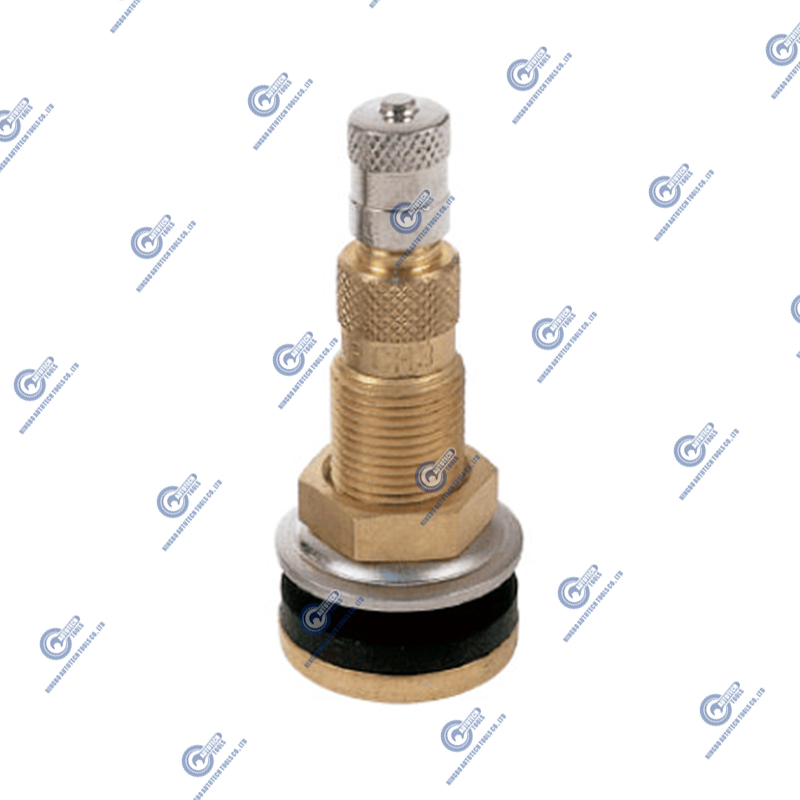
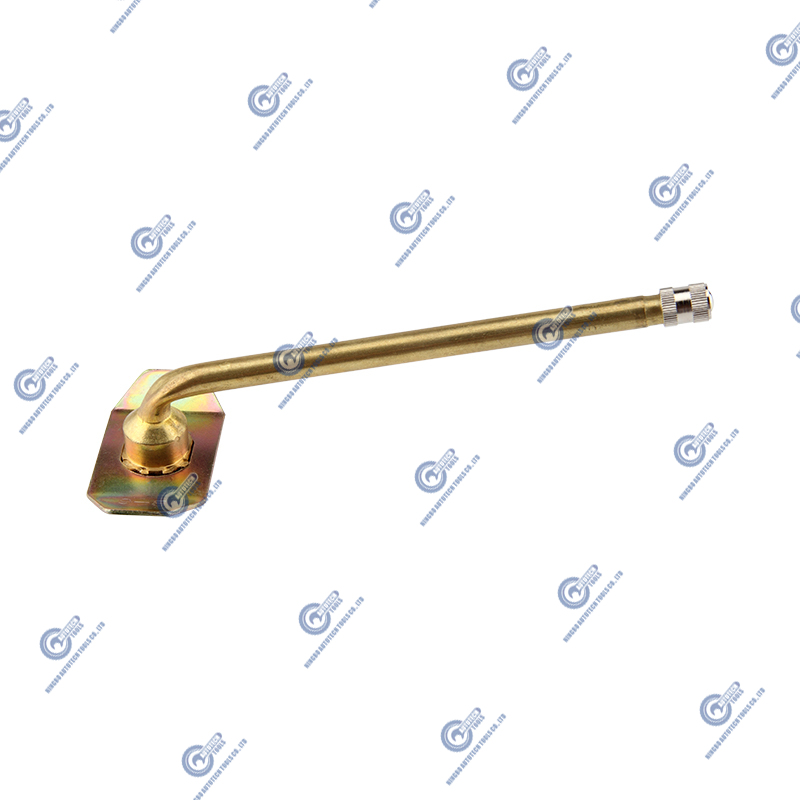
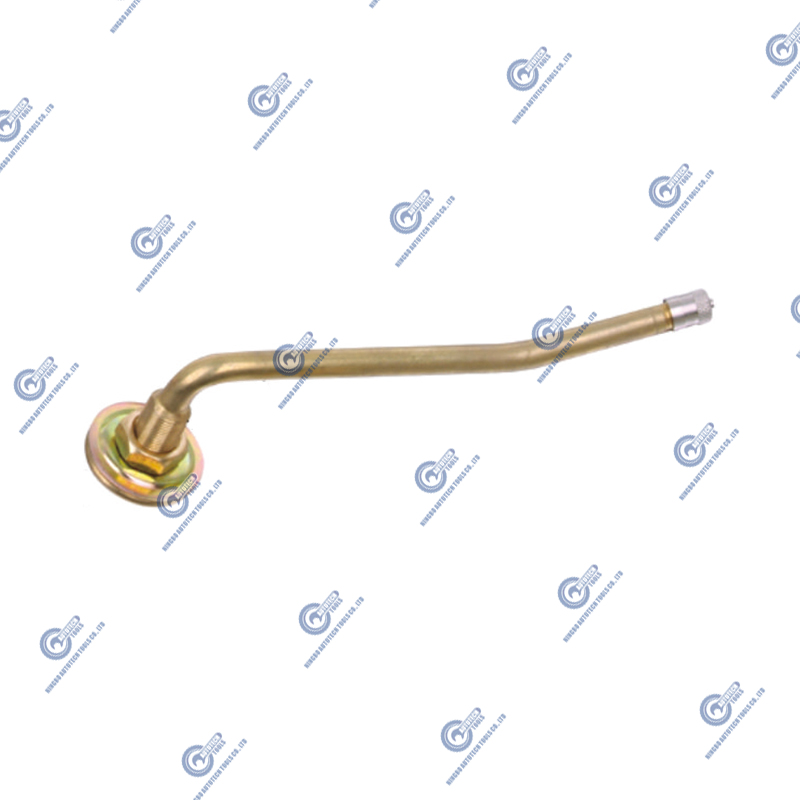
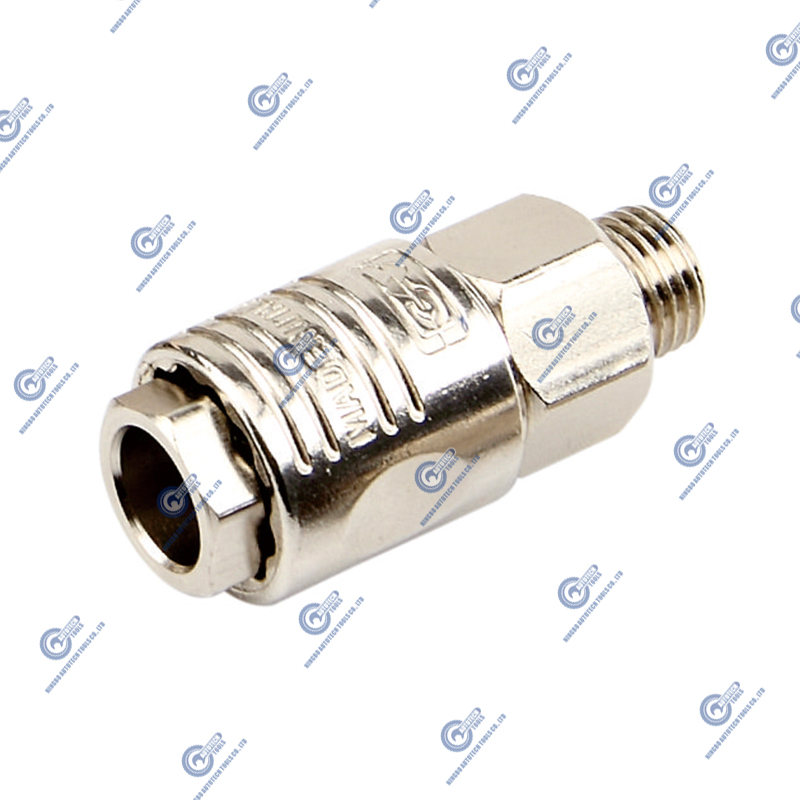
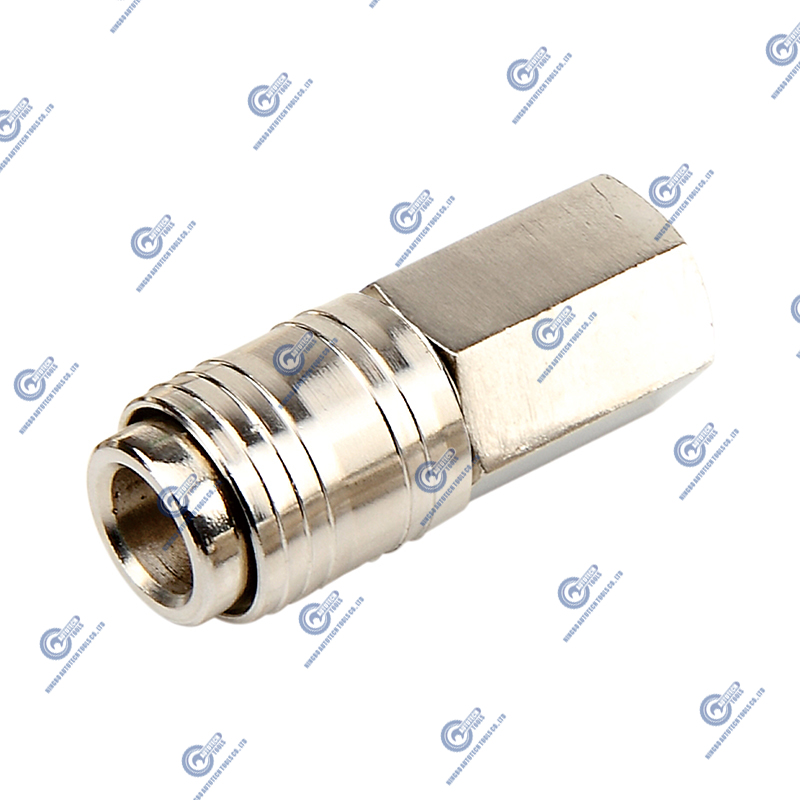
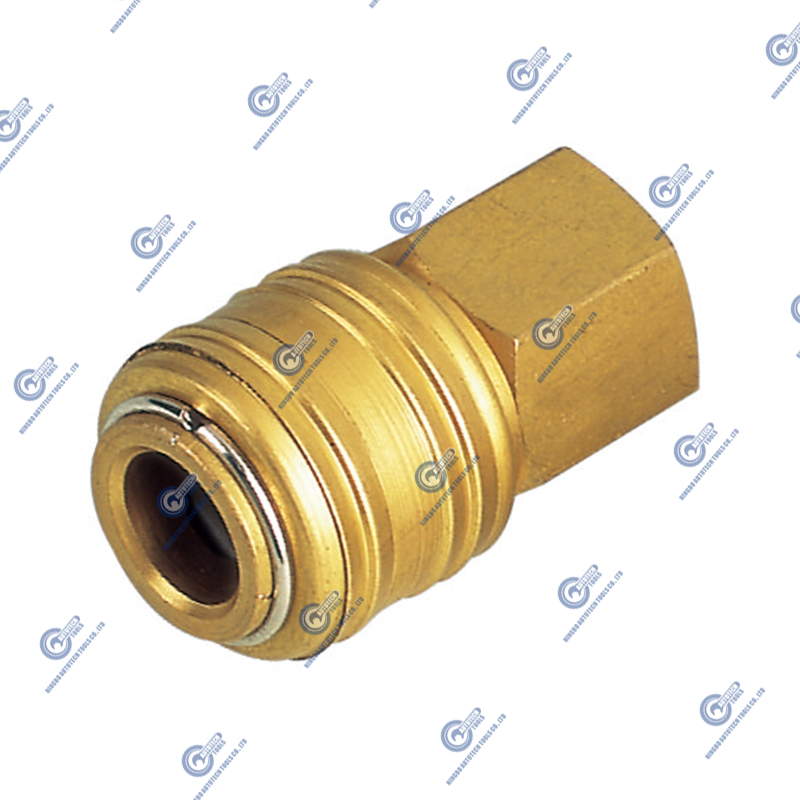
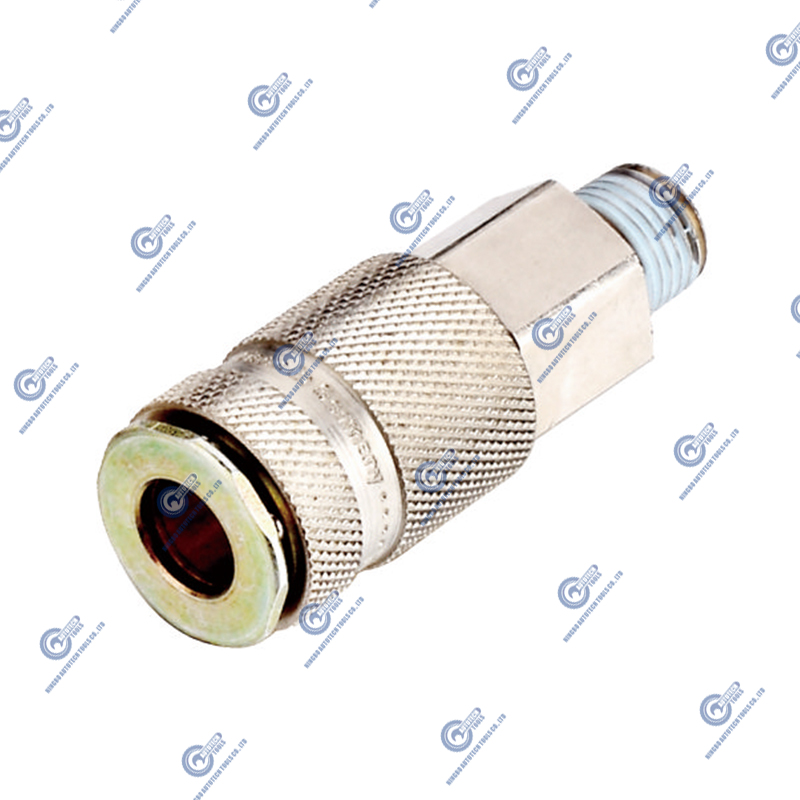
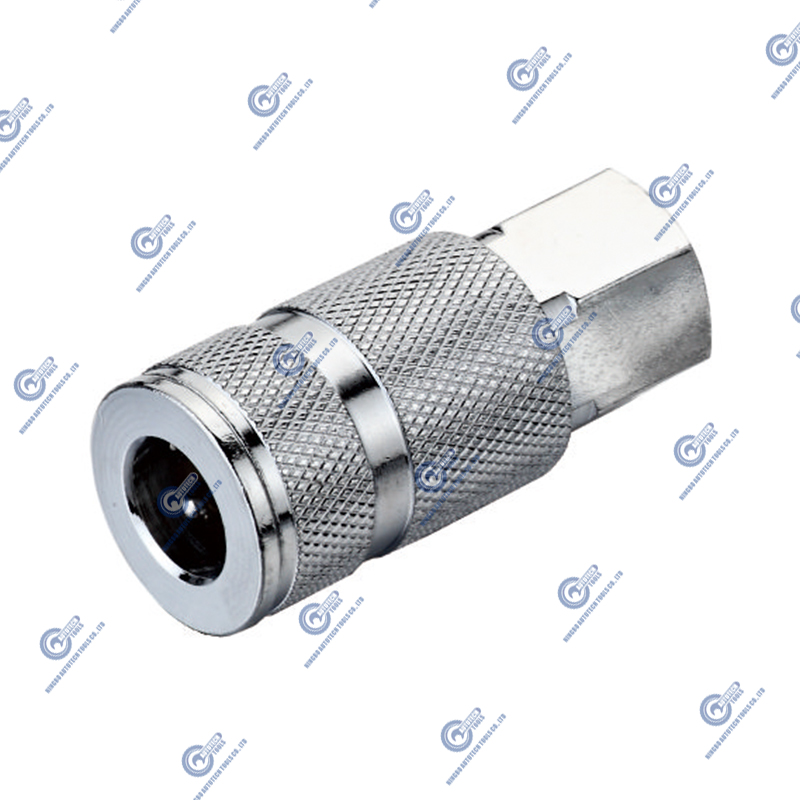
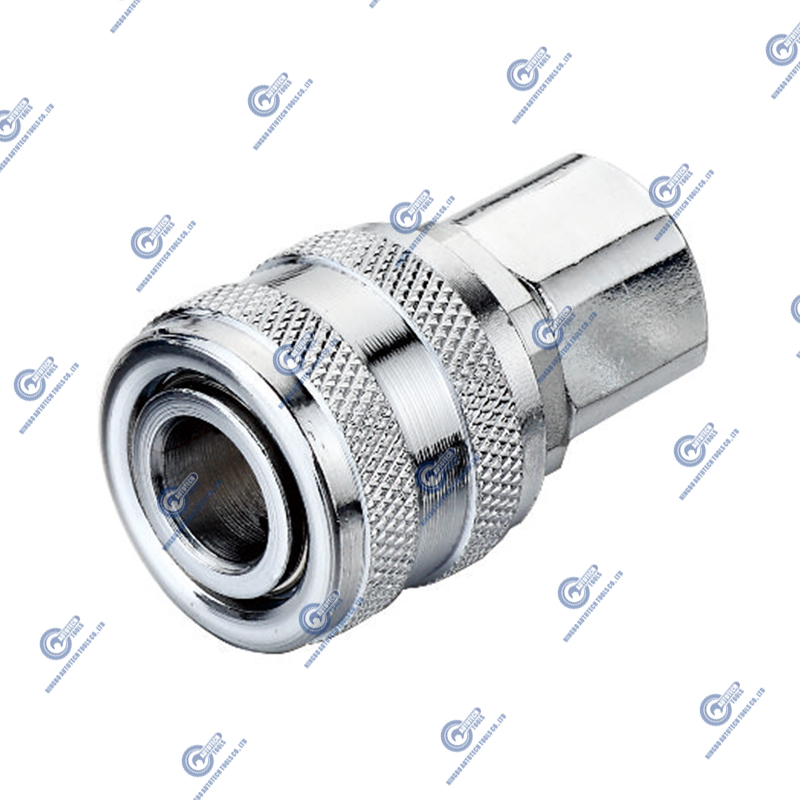
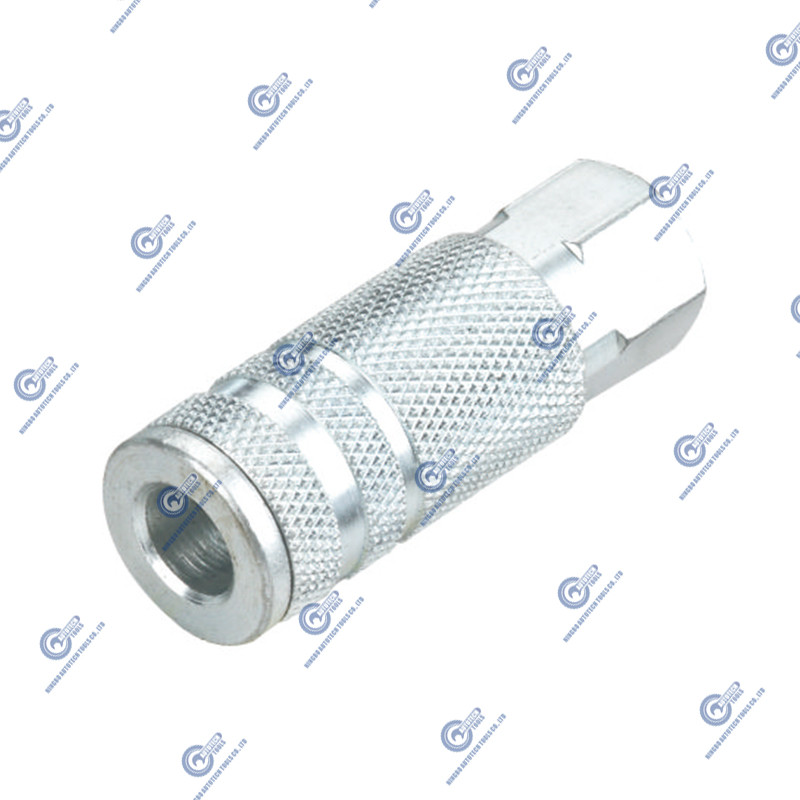

Ningbo Autotech Tools Co.,Ltd was founded in 2014 as a professional manufacturer of tire valves, tire repair tools & air quick couplings.
Product links
Contact Us
-
Address:No.16 Gaoqiang Road, Jiangnan Industrial Zone, Gaoqiao Town, Yinzhou District, Ningbo, China. 315175
-
Tel:+86-0574-89073063
-
E-mail:jimmy@autotechtool.com
