


 English
 Español
News

How to Prevent Air Leaks in Air Hose & Fitting Connections?
 2026.04.20
 Industry news
Air leaks in air hose & fitting systems are a major issue in compressed air networks because they directly reduce system efficiency, increase energy consumption, and negatively affect pneumatic tool performance. In industrial environments such as manufacturing plants, automotive workshops, packaging lines, and construction sites, compressed air is often one of the most expensive utilities. Even small leaks can cause significant pressure drops and force compressors to work harder, increasing operational costs. Preventing air leaks is therefore not only a maintenance task but also a key strategy for improving energy efficiency, equipment lifespan, and production stability. Effective leak prevention requires a combination of correct component selection, precise installation, proper sealing techniques, and ongoing maintenance practices.
Understanding Why Air Leaks Happen in Air Hose & Fitting Systems
Mechanical and installation-related causes
Air leaks commonly originate from improper installation or mechanical mismatch between hose and fitting. When the hose is not cut evenly or is inserted incorrectly into the fitting, the sealing surface cannot form a proper airtight connection. Over-tightening or under-tightening threaded fittings is another frequent cause, as it either damages sealing elements or leaves gaps that allow air escape.
Wear, aging, and material degradation
Over time, both hoses and fittings are exposed to pressure cycles, vibration, and environmental conditions. Rubber hoses may crack, PVC may harden, and sealing O-rings may lose elasticity. These aging effects gradually weaken the sealing performance and lead to slow but continuous air leakage.
System pressure and operational stress
Industrial compressed air systems often operate under fluctuating pressure conditions. Sudden pressure spikes or continuous vibration from machinery can loosen fittings or create micro-gaps in connections, which eventually develop into measurable leaks.
Choosing the Right Air Hose & Fitting for Leak Prevention
Importance of material compatibility
Selecting the correct combination of hose and fitting materials is essential for preventing air leaks. Common hose materials include rubber, PVC, polyurethane (PU), and hybrid polymers, while fittings are typically made from brass, stainless steel, or aluminum. Each material has different elasticity, hardness, and thermal expansion properties. A mismatch between hose flexibility and fitting rigidity can lead to poor sealing performance or premature wear.
Proper sizing and dimensional accuracy
Correct sizing ensures a tight and secure fit between components. If the hose inner diameter is too large for the fitting, air leakage will occur. If it is too small, installation stress may damage the hose structure. Industrial standards require precise tolerance matching to ensure long-term airtight performance.
Comparison of common air hose materials and performance
| Material | Flexibility | Pressure Resistance | Durability | Typical Application |
|---|---|---|---|---|
| Rubber | High | High | High | Heavy industrial use |
| PVC | Medium | Medium | Medium | General workshop use |
| PU (Polyurethane) | Very High | Medium-High | Medium | Lightweight tools |
| Hybrid Polymer | High | High | High | Professional systems |
Key selection principle
The best anti-leak performance is achieved when the hose and fitting are designed for the same pressure range, temperature range, and mechanical load conditions.
Proper Installation Techniques to Avoid Air Leaks
Importance of correct assembly process
Installation quality is one of the most critical factors in preventing air leaks. Even high-quality components will fail if installed incorrectly. The hose end must be cut cleanly and inserted fully into the fitting without twisting or misalignment. Any uneven surface can create micro-gaps that lead to air escape under pressure.
Thread sealing and connection methods
For threaded fittings, sealing methods such as PTFE (Teflon) tape or liquid thread sealant are commonly used. However, improper application—such as over-wrapping tape or contaminating threads—can actually worsen sealing performance. Correct application ensures uniform sealing pressure across threads.
Stress-free installation design
Hoses should be installed without excessive bending or tension near connection points. Mechanical stress is one of the leading causes of gradual leakage because it continuously weakens the sealing interface.
Installation best practices
- Ensure straight and clean hose cuts
- Use correct insertion depth into fittings
- Apply proper tightening torque
- Avoid twisting during assembly
- Use support brackets for long hose runs
Regular Maintenance and Leak Detection Practices
Importance of preventive maintenance
Regular maintenance is essential for detecting early-stage leaks before they become serious system failures. In industrial systems, even small leaks can result in significant energy loss over time.
Common leak detection methods
Industrial users typically use several methods to identify leaks:
- Soapy water bubble test for visual detection
- Ultrasonic leak detectors for high-precision identification
- Pressure decay testing in closed systems
- Continuous monitoring via smart sensors
Maintenance schedule for air hose & fitting systems
| Component | Inspection Frequency | Typical Lifespan | Maintenance Action |
|---|---|---|---|
| Air hose | Monthly | 1–3 years | Check cracks & wear |
| Fittings | Monthly | 2–5 years | Check tightness |
| Seals/O-rings | Quarterly | 6–12 months | Replace if worn |
| Entire system | Annually | N/A | Full pressure test |
Early warning signs of leakage
- Drop in system pressure
- Increased compressor runtime
- Audible hissing sounds
- Higher energy bills without increased usage
Environmental and Operational Factors Affecting Leakage
Temperature variations
Temperature changes can significantly affect sealing performance. High temperatures may soften hose materials, while low temperatures can make them brittle. Both conditions increase the likelihood of leaks at connection points.
Vibration and mechanical movement
Industrial environments often involve continuous vibration from machinery. This vibration gradually loosens fittings and weakens sealing joints, especially if hoses are not properly supported.
Pressure fluctuations and system load
Frequent changes in pressure create dynamic stress on fittings. Over time, this repeated loading can cause micro-movements that result in air leakage.
External environmental exposure
Exposure to oil, chemicals, UV radiation, and moisture can degrade both hoses and fittings, especially in outdoor or harsh industrial environments.
Best Practices for Long-Term Leak Prevention
Use high-quality industrial-grade components
Investing in high-quality air hose & fittings is the most effective long-term strategy. Precision-engineered components ensure tighter tolerances and better sealing performance under pressure.
Standardize system components
Using standardized fittings across the entire system reduces compatibility issues and ensures consistent sealing behavior. Mixed systems often lead to mismatch-related leaks.
Support and protection systems
Proper installation support reduces stress on connections:
- Hose clamps for stability
- Protective sleeves for abrasion resistance
- Mounting brackets to reduce vibration impact
Continuous monitoring systems
Modern industrial facilities increasingly use smart sensors to monitor air pressure and detect leaks in real time, improving maintenance efficiency and reducing downtime.
Preventing air leaks in air hose & fitting systems requires a comprehensive approach involving correct material selection, precise installation, regular maintenance, and environmental protection. Most leaks are not caused by a single failure but by a combination of poor fitting practices, material wear, and mechanical stress over time. By using properly matched components, ensuring stress-free installation, and implementing routine inspection schedules, industrial users can significantly reduce air loss, improve system efficiency, and lower energy costs. In compressed air systems, where energy consumption is closely tied to efficiency, even small improvements in leak prevention can deliver substantial long-term operational savings.
FAQ
What is the main cause of air leaks in air hose & fitting systems?
Most leaks are caused by improper installation, poor sealing, or worn-out components such as hoses and O-rings.
How can I quickly detect air leaks in a system?
You can use soapy water to check for bubbles or use ultrasonic leak detection devices for industrial systems.
Do air leaks significantly increase energy costs?
Yes, even small leaks can cause compressors to run longer, leading to higher electricity consumption.
How often should air hoses and fittings be checked?
They should be inspected at least once a month in industrial environments.
Can thread seal tape fix all air leaks?
No, it only improves sealing on threaded connections but cannot fix damaged or misaligned components.
References
- U.S. Department of Energy (DOE). Compressed Air System Optimization Guide.
- Compressed Air and Gas Institute (CAGI). Best Practices for Air System Efficiency.
- ISO 4414: Pneumatic Fluid Power Systems and Safety Standards.
- Engineering Toolbox. Compressed Air Leakage and Energy Loss Analysis.
- Parker Hannifin Technical Handbook. Hose and Fitting Installation Guidelines and Standards.
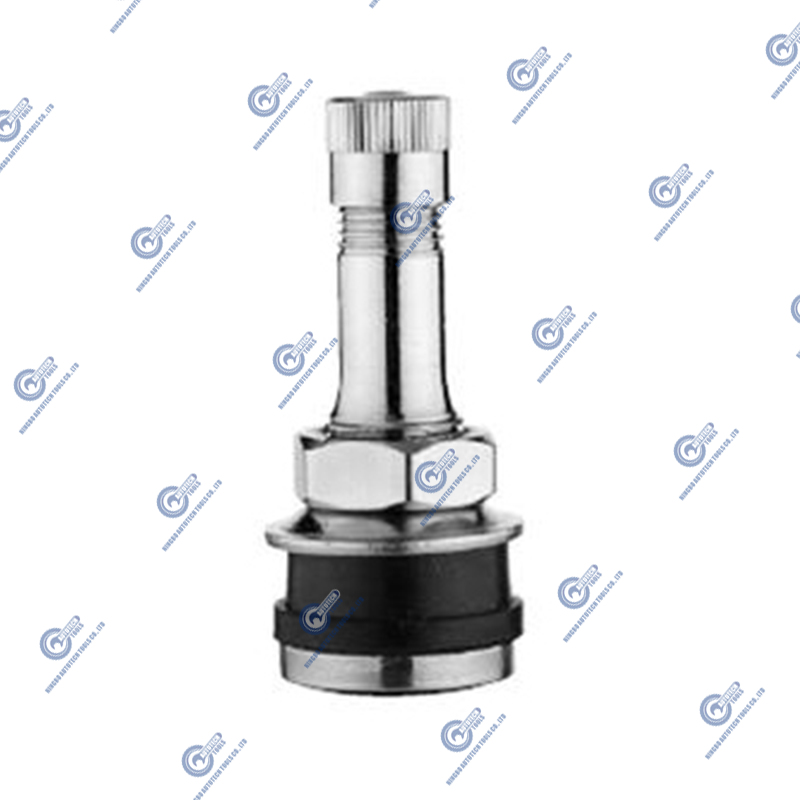
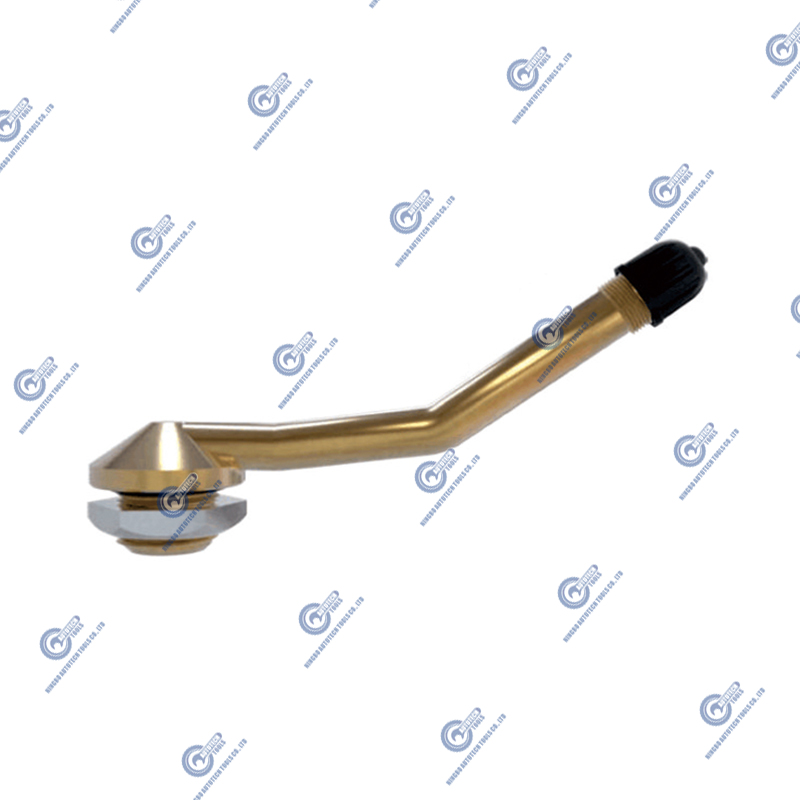
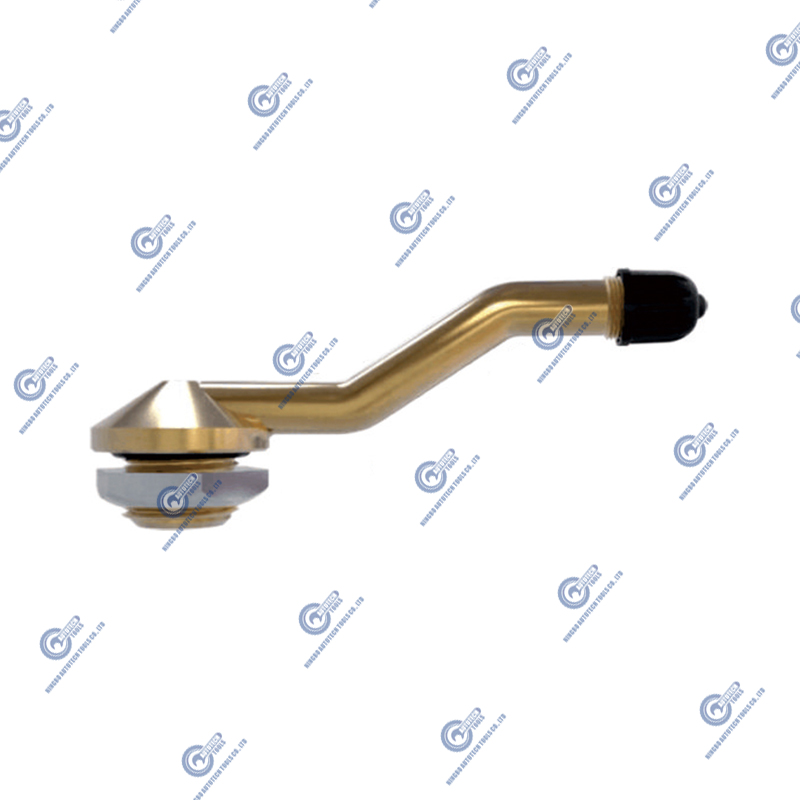
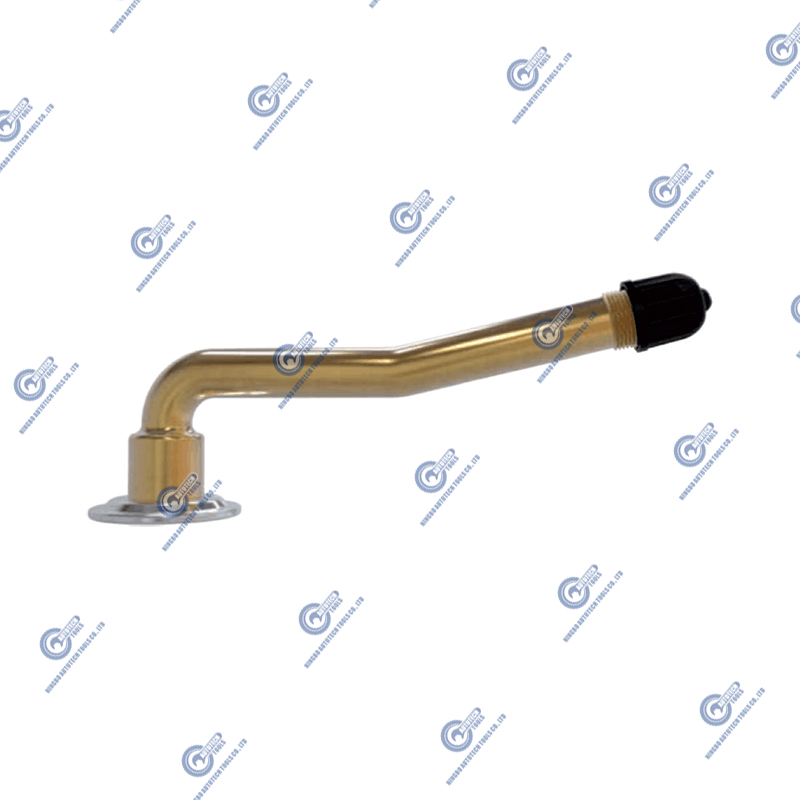
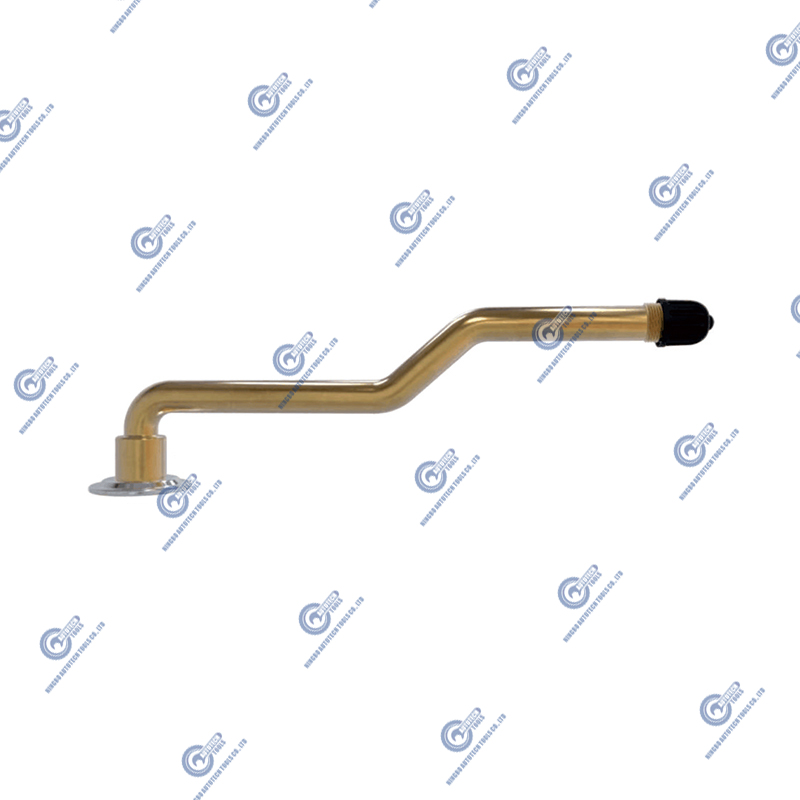
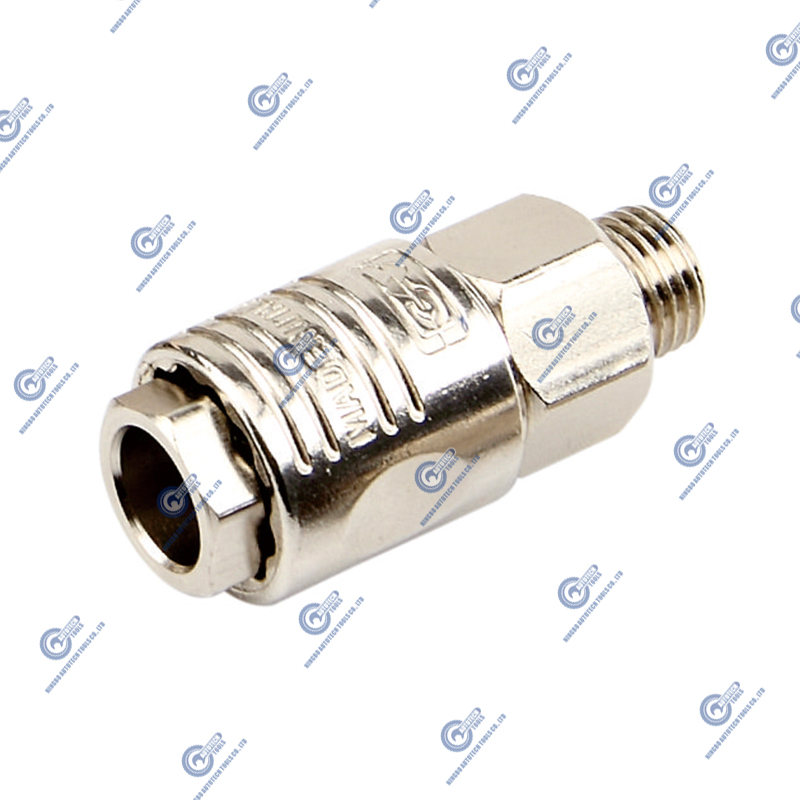
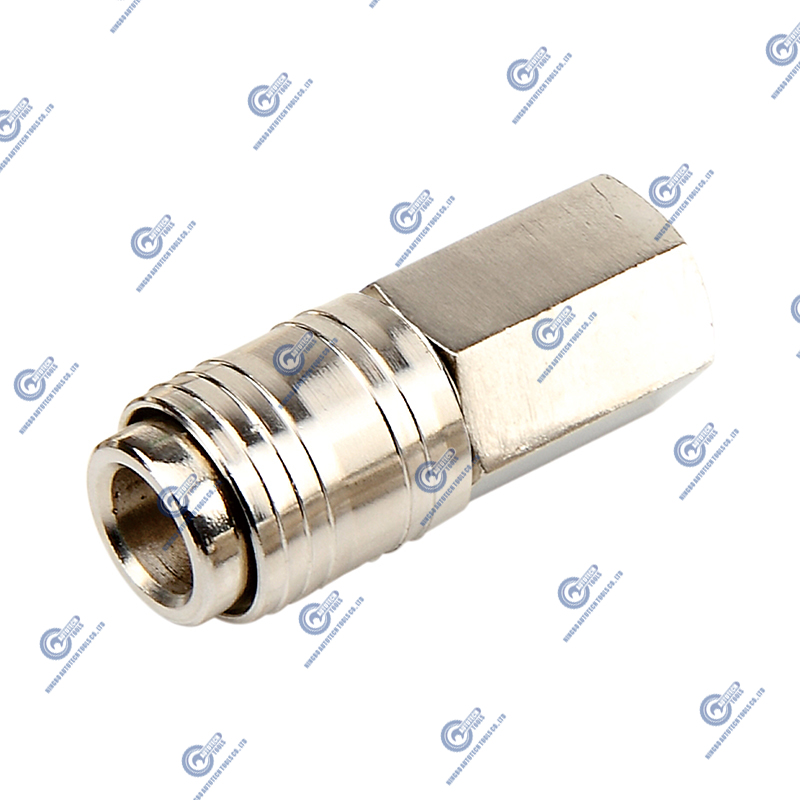
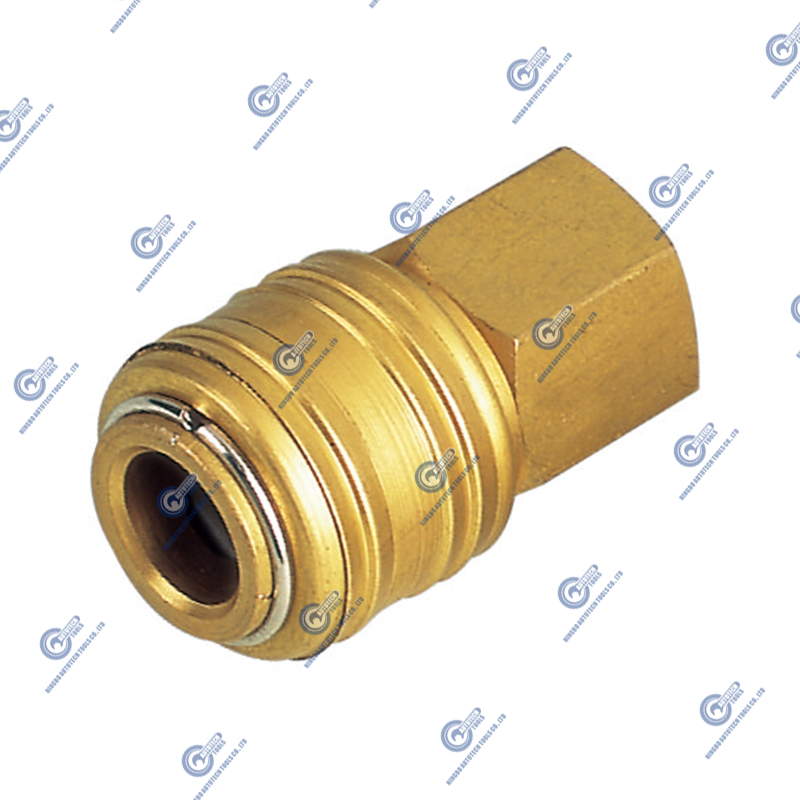

Ningbo Autotech Tools Co.,Ltd was founded in 2014 as a professional manufacturer of tire valves, tire repair tools & air quick couplings.
Product links
Contact Us
-
Address:No.16 Gaoqiang Road, Jiangnan Industrial Zone, Gaoqiao Town, Yinzhou District, Ningbo, China. 315175
-
Tel:+86-0574-89073063
-
E-mail:jimmy@autotechtool.com
