


 English
 Español
News

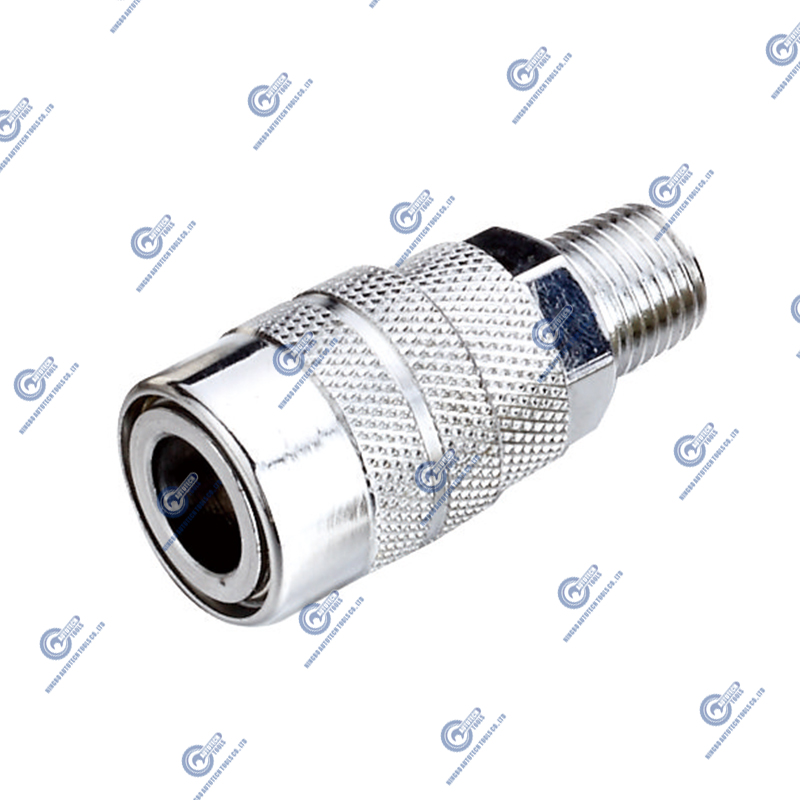
Why is Your Air Coupler Leaking and How Can You Fix It Safely?
 2026.04.13
 Industry news
A leaking air coupler is one of the most common—and deceptively expensive—problems in a pneumatic system. Beyond the irritating hissing sound, a leak is a direct drain on your operational budget. Air compressors are energy-intensive machines, and even a single small leak can force your motor to cycle twice as often, leading to premature pump wear and skyrocketing utility bills. More importantly, a compromised coupler is a significant safety hazard. Under standard industrial pressures of 90–120 PSI, a failing component can transform into a high-velocity projectile or cause “injection injuries” if a high-pressure stream of air penetrates human skin.
Identifying the Source: Where is the Compressed Air Escaping?
Before reaching for your toolbox, you must perform a thorough diagnostic to identify exactly where the air is escaping. In many cases, what appears to be a “failed coupler” is actually a symptom of a poor connection or an incompatible accessory. Identifying the specific “leak path” will save you from replacing perfectly good hardware.
Leakage at the Threaded Connection
If you detect air bubbling out from the point where the coupler meets the air hose, the pipe manifold, or the tool inlet, the issue is almost certainly with the thread sealant. Over time, the constant vibration of pneumatic tools combined with thermal expansion and contraction can cause even high-quality PTFE (Teflon) tape to shred or degrade. Furthermore, if the coupler was over-tightened during installation, the threads may have suffered from “galling,” creating microscopic gaps that air can whistle through. To fix this, you must disconnect the air supply, unscrew the coupler, and clean the threads thoroughly with a wire brush. Reapply a professional-grade PTFE tape—wrapping it in the direction of the threads—or use a liquid anaerobic thread sealant designed specifically for high-pressure pneumatic applications.
Internal Interface Leakage While Connected
If air is hissing out specifically from the junction where the coupler and the plug are joined, the diagnostic focus shifts to the internal O-ring or the plug’s physical condition. Inspect the plug (the male end) first. If the “nose” of the plug is scratched, pitted from rust, or worn down from years of being dropped on concrete, it will no longer create a flush seat against the coupler’s internal rubber seal. If the plug appears pristine, then the internal O-ring inside the coupler is likely the culprit. These seals can dry out, tear, or become “nicked” by dirty air. While some specialty high-flow couplers allow for internal seal replacement, the vast majority of industrial couplers are “sealed for life.” If the internal seal is gone, the coupler has reached the end of its service life.
Leakage from the Coupler While Disconnected
An air coupler is fundamentally a one-way check valve. It is designed to stay sealed when no tool is attached. If you hear a leak coming from the center of the coupler when it is empty, the internal poppet valve or its return spring is failing. This is often caused by debris—such as rust flakes from an undrained compressor tank—getting lodged in the valve seat. Sometimes, a quick injection of pneumatic tool oil into the coupler can lubricate a stuck spring and solve the problem. However, if the internal valve seat is physically pitted or the spring has lost its tension, the coupler will continue to waste air and must be replaced to maintain system efficiency.
The Safety Protocol: How to Fix it Without Risk of Injury
Working with compressed air requires a “safety-first” mindset that many DIYers and even some professionals overlook. Compressed air stores a tremendous amount of potential energy; a sudden release can cause metal parts to fly with lethal force or cause hearing damage from the decibel spike of an unrestrained blast.
Step 1: Complete System Decompression
Never, under any circumstances, attempt to repair, tighten, or loosen a coupler while the line is pressurized. The first step is to turn off the air compressor and “bleed” the lines. You should pull the ring on your compressor’s safety relief valve or use an air blowgun until your inline pressure gauges read absolute zero. Be wary of “trapped air” in long hose runs; always verify the line is empty by attempting to trigger the tool one last time before putting a wrench to the fittings. Even a seemingly small 10 PSI residual pressure is enough to blow debris into your eyes or cause a fitting to spin off with enough torque to break a finger.
Step 2: The “Backup Wrench” Technique
When you are ready to remove or install a coupler on a flexible air hose, you must always use two wrenches—one to turn the coupler and a “backup wrench” to hold the hose fitting stationary. If you use only one wrench, the torque you apply will be transferred into the hose itself. This causes the internal reinforcement fibers of the hose to twist and tear. You might fix the leak at the coupler, but you will have created a structural weakness in the hose that could lead to a catastrophic “hose whip” burst later. By using a backup wrench, you ensure that the mechanical stress is confined strictly to the threaded interface, preserving the integrity of your air lines.
Step 3: Structural Inspection and Disposal
While the coupler is removed, perform a “physical” on the hardware. Inspect the metal sleeve for hairline cracks, which are common in brass couplers that have been dropped frequently. Look inside the coupler at the “locking balls” or “dogs.” If any are missing, flat, or rusty, the coupler can no longer safely hold a plug under pressure. If a coupler shows signs of structural fatigue, do not attempt to “save” it with extra tape or lubricants. In the industrial world, couplers are considered “consumable” items. The $10 cost of a new, high-quality steel coupler is a negligible investment compared to the risk of an industrial accident or the energy cost of a persistent leak.
Technical Comparison: When to Repair vs. When to Replace
The following table provides a quick-reference guide to help you decide whether a coupler can be salvaged or if it belongs in the scrap bin.
| Symptom | Probable Cause | Recommended Action |
|---|---|---|
| Air hissing from threads | Degraded PTFE tape or loose fit | Repair: Clean threads and re-apply sealant. |
| Air hissing between plug and coupler | Worn internal O-ring or scratched plug | Replace Plug first, then Coupler if leak persists. |
| Coupler leaks when empty | Fouled or rusted internal poppet valve | Replace Coupler: Internal valves are not serviceable. |
| Coupler sleeve is “stuck” or hard to pull | Lack of lubrication or grit buildup | Maintenance: Clean with air and use pneumatic oil. |
| Plug “wobbles” significantly when locked | Worn locking balls or oversized plug groove | Replace Both: This indicates severe mechanical wear. |
| Visible cracks in the brass sleeve | Metal fatigue from impact or over-pressure | Immediate Replacement: Serious burst hazard. |
FAQ: Frequently Asked Questions
Can I use standard WD-40 to lubricate my air couplers?
No, you should avoid this. Standard WD-40 is a solvent-based penetrant, not a dedicated lubricant. It can cause the rubber O-rings and seals inside the coupler to swell, soften, and eventually fail. For pneumatic components, always use a dedicated pneumatic tool oil or a high-quality silicone-based lubricant that is specifically labeled as “O-ring safe.”
Does the material of the coupler (Brass vs. Steel) affect its tendency to leak?
Yes, each has its pros and cons. Brass is naturally softer and more “conformable,” which often leads to a better initial seal at the threads. However, because it is soft, the locking mechanism wears out faster in high-vibration environments. Steel is far more durable and resistant to the “dropping” damage common in automotive shops, but it is prone to internal rust if your compressor system isn’t equipped with an effective moisture trap or dryer.
Why does my brand-new coupler leak even with a new plug?
The most common reason is an Interchange Mismatch. There are several major standards: Industrial (Type M), Automotive (Type C), and ARO (Type A) are the most common. While they look nearly identical to the naked eye, the “nose” length and diameter differ by mere fractions of an inch. An Industrial plug in an Automotive coupler will either not fit at all or will fit loosely and leak constantly. Always ensure your plugs and couplers share the same “Interchange” profile.
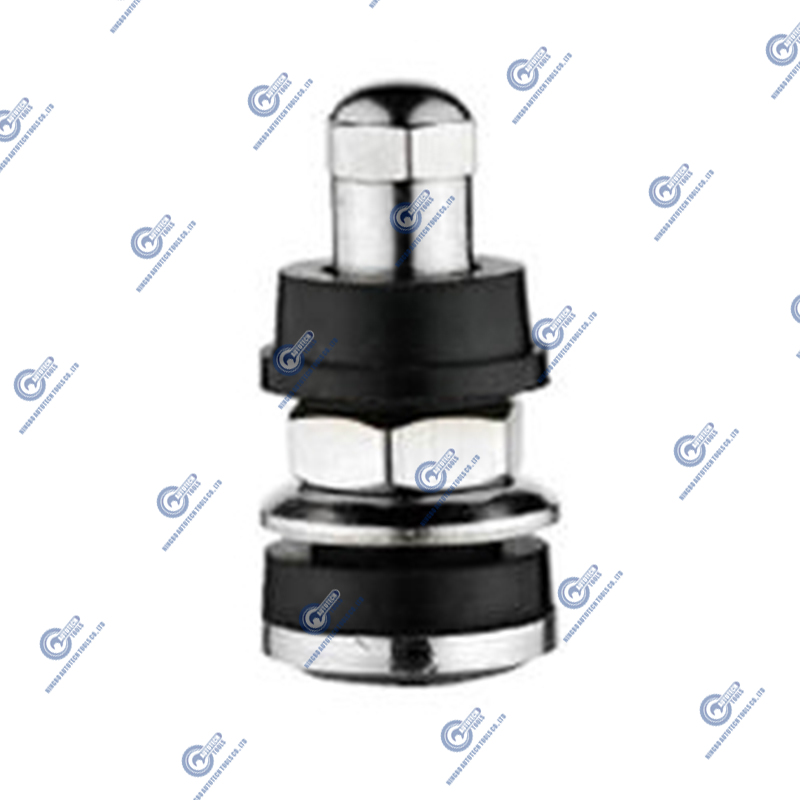
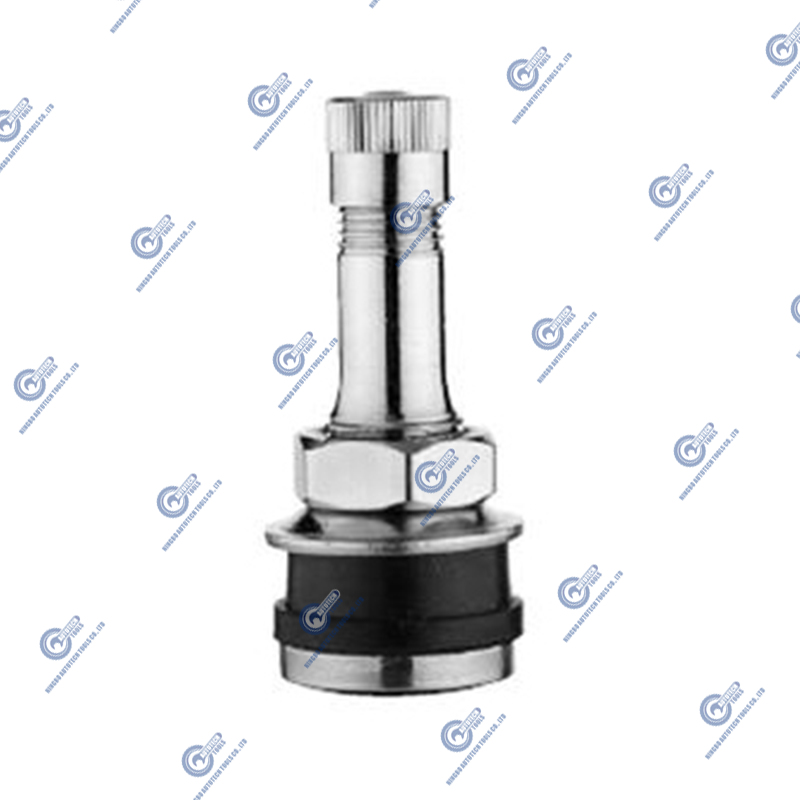
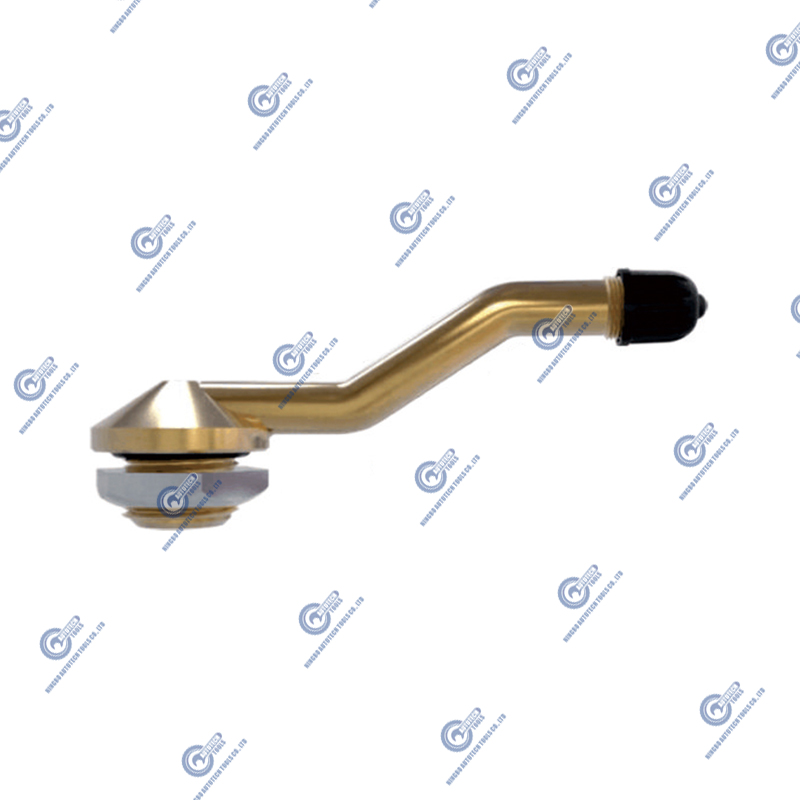
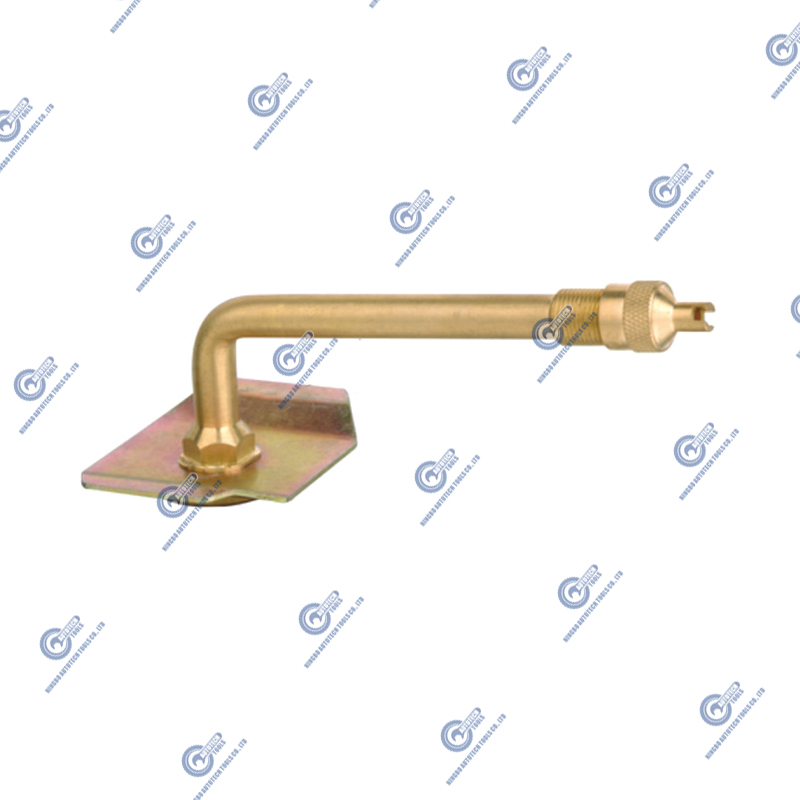
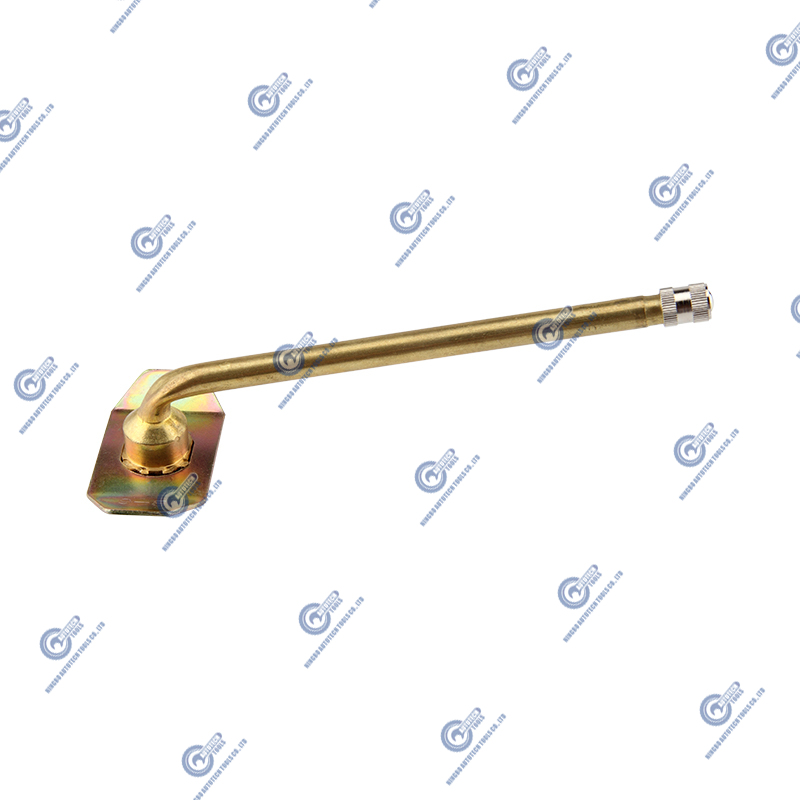
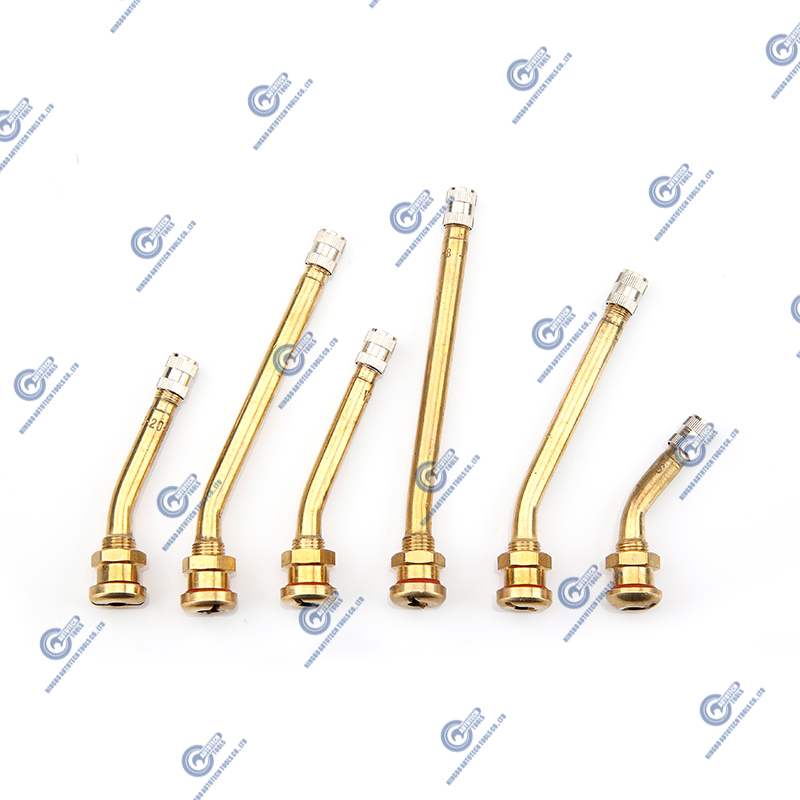
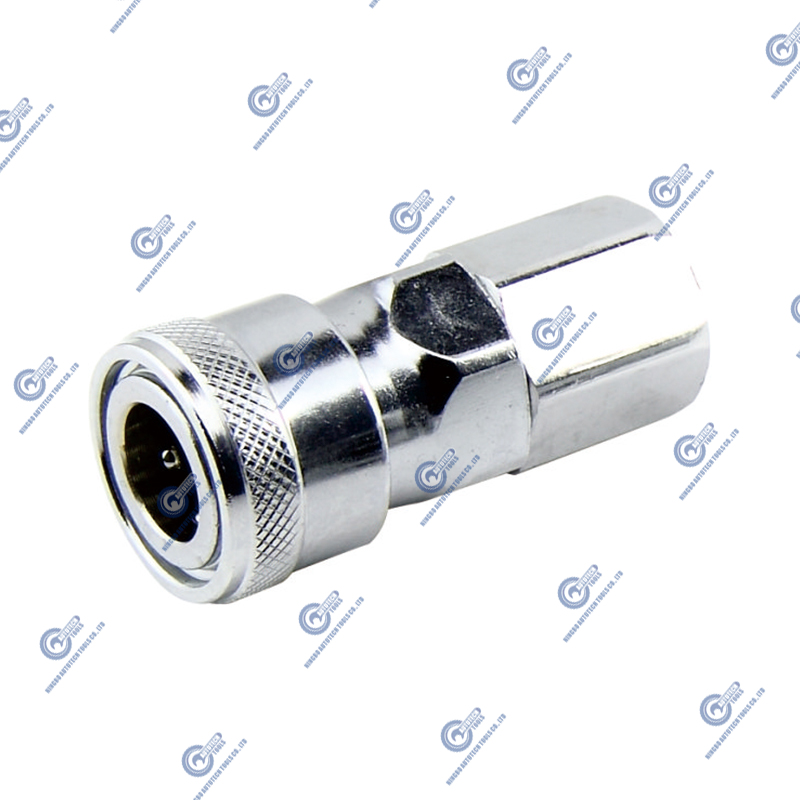
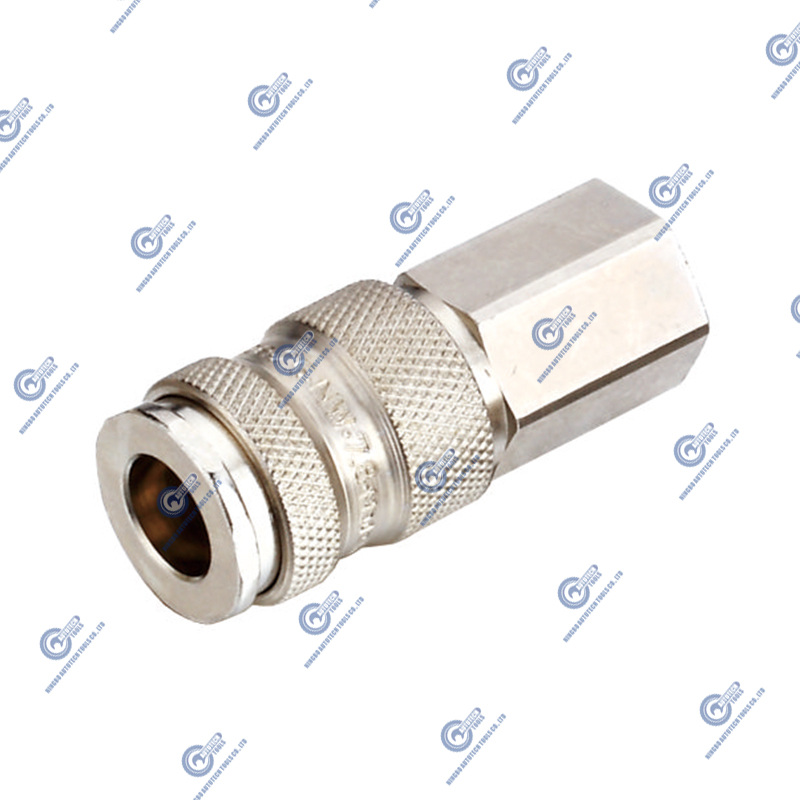

Ningbo Autotech Tools Co.,Ltd was founded in 2014 as a professional manufacturer of tire valves, tire repair tools & air quick couplings.
Product links
Contact Us
-
Address:No.16 Gaoqiang Road, Jiangnan Industrial Zone, Gaoqiao Town, Yinzhou District, Ningbo, China. 315175
-
Tel:+86-0574-89073063
-
E-mail:jimmy@autotechtool.com
