


 English
 Español
News
 Home / News / Industry news / How Do You Choose the Right Tire Repair Tools for Tubeless vs. Tube-Type Tires?
 How Do You Choose the Right Tire Repair Tools for Tubeless vs. Tube-Type Tires?
 2026.05.18
 Industry news
Choosing the right tire repair tools comes down to one critical distinction: tubeless tires are repaired from the outside using plug kits or from the inside using patch kits, while tube-type tires require you to remove the tube entirely and patch or replace it directly — the tools, materials, and procedures for each are fundamentally different and are not interchangeable. Using the wrong approach — such as plugging a tube-type tire without addressing the inner tube — results in a failed repair within hours. This guide breaks down exactly which tools each tire type needs and why.
How to Identify Whether Your Tire Is Tubeless or Tube-Type
Before selecting any repair tools, confirm your tire type. Using the wrong repair method on the wrong tire type is the most common — and most dangerous — mistake in DIY tire repair.
Tubeless tires:
- Marked "Tubeless" or "TL" on the sidewall
- Standard on virtually all modern passenger cars, SUVs, and most motorcycles produced after the mid-1980s
- The tire itself holds air — no separate inner tube inside
- Mounted on a sealed rim with a rubber bead that creates an airtight seal against the wheel
Tube-type tires:
- Marked "TT" or "Tube Type" on the sidewall
- Common on bicycles, older motorcycles, farm equipment, ATVs, and some classic vehicles
- Air is held by a separate rubber inner tube seated inside the tire casing
- The valve stem protrudes through the rim and is part of the tube, not the rim itself
If you cannot find a sidewall marking, check the valve stem — a rubber valve stem indicates tubeless; a metal or bolt-in stem with a visible nut on the rim face indicates tube-type. When in doubt, consult your vehicle's owner manual or the tire manufacturer's specifications.
Core Tool Differences: Tubeless vs. Tube-Type at a Glance
| Tool / Material | Tubeless Tire | Tube-Type Tire |
|---|---|---|
| Plug kit (rasp + needle tool) | Yes | No |
| Internal patch kit | Yes (permanent fix) | Yes (applied to tube) |
| Tire levers / bead breaker | Only for internal patch | Always required |
| Tube patch kit | Not applicable | Primary repair method |
| Replacement inner tube | Not applicable | Best option for severe damage |
| Sealant (liquid) | Preventive use | Applied inside tube |
| Valve core tool | For sealant injection | For tube valve service |
| Portable inflator / CO₂ | Essential | Essential |
| Vulcanizing cement | With plug or patch | With tube patch |
Repair Tools for Tubeless Tires
Tubeless tires offer the most repair options and are generally faster to fix roadside because the tire does not need to be dismounted for a plug repair. There are three distinct repair approaches, each requiring different tools.
Option 1 — Plug Kit (Roadside Temporary Repair)
The fastest roadside fix for a tubeless tire. A plug kit costs $8–$25 and works without dismounting the tire. Key tools required:
- Rasp tool — cleans and roughens the puncture channel; non-negotiable for plug adhesion
- Plug insertion needle — threads the plug strip through the puncture
- Rubber plug strips — the sealing material; mushroom plugs provide a broader seal than rope-style strips and are preferred for longevity
- Vulcanizing cement — activates bonding between plug and tire rubber
- Utility knife — trims plug flush after insertion
Best for: tread-area punctures under ¼ inch on passenger vehicles, trucks, and motorcycles. Not suitable for sidewall punctures, holes over ¼ inch, or any tire showing internal damage.
Option 2 — Internal Patch Kit (Permanent Repair)
The only repair method recognized as permanent by the Rubber Manufacturers Association for tubeless tires. Requires dismounting the tire from the wheel. Tools required:
- Bead breaker — separates the tire bead from the rim; manual models cost $20–$60, shop units $150+
- Tire spoons or mount/demount levers — removes the tire from the rim without damaging the bead
- Buffing tool or wire brush — scuffs the interior repair area for patch adhesion
- Combination plug-patch unit — seals from inside while filling the puncture channel; superior to patch alone
- Vulcanizing cement and roller — bonds and seats the patch without air bubbles
- Tire lubricant (bead lube) — allows reinstallation of the tire onto the rim without damage
Option 3 — Liquid Tire Sealant (Preventive or Emergency)
Tire sealant (such as Slime or Stan's NoTubes) is injected through the valve stem and coats the interior of the tire. It automatically seals punctures up to ¼ inch as they occur. Tools required:
- Valve core removal tool — removes the valve core to allow sealant injection without resistance
- Sealant injection hose or syringe — directs the liquid into the tire precisely
- Portable inflator — re-pressurizes the tire after sealant injection
Note: sealant can make subsequent professional repairs more difficult by contaminating the interior surface. Many tire shops charge an additional $15–$30 cleaning fee before performing a permanent repair on a sealant-treated tire.
Repair Tools for Tube-Type Tires
Tube-type tire repair always requires accessing the inner tube — you cannot seal a tube-type flat without dismounting the tire and removing the tube. This makes roadside repair more involved but not technically difficult with the right tools.
Essential Tube-Type Repair Tools:
- Tire levers (3-piece set) — plastic or nylon levers that pry the tire bead off the rim without scratching alloy wheels; metal levers risk rim and bead damage. Cost: $3–$12
- Tube patch kit — includes sandpaper, vulcanizing cement, and self-adhesive or cement-bond rubber patches. Glueless patches (peel-and-stick) work for emergencies; vulcanizing patches provide a stronger, more durable bond
- Bucket of water or spray bottle — submerging or spraying the inflated tube identifies puncture location via bubbling; essential when the puncture is not visually obvious
- Sandpaper or metal scuffer — roughens the tube surface around the puncture for adhesion; included in most patch kits but check quality before relying on it
- Replacement inner tube — the fastest fix for severe tube damage, multiple punctures, or valve stem failure. Always carry a spare tube sized to match your tire dimensions (e.g., 700x25-32c for road bikes, or the exact size marked on the tube sidewall for motorcycle or ATV use)
- Portable hand pump or CO₂ inflator — re-inflates the repaired or replaced tube; CO₂ cartridges are faster for roadside use but provide a one-time-use inflation only
Tube Repair Process Overview:
- Deflate the tire completely and use tire levers to unseat one bead from the rim
- Pull the inner tube out, beginning at the valve stem
- Partially inflate the tube and locate the puncture using water submersion or soapy spray
- Mark, scuff, and apply vulcanizing cement to the repair area — allow to become tacky (60–90 seconds)
- Apply patch and press firmly for 2 minutes; roll with a patch roller if available
- Partially inflate the tube, reseat it in the tire, and reinstall the bead carefully without pinching the tube
- Inflate to specification and verify no leaks
Choosing the Right Patch: Vulcanizing vs. Glueless
For tube-type tires, the type of patch significantly affects repair durability. Understanding the difference helps you choose the right tool for the situation.
| Patch Type | Bond Strength | Application Time | Best Use | Cost |
|---|---|---|---|---|
| Vulcanizing (glue) | Excellent — permanent | 5–8 minutes | Any situation, preferred for all repairs | $3–$8 per kit |
| Glueless (peel-and-stick) | Moderate — temporary | 2–3 minutes | Emergency roadside use only | $2–$5 per kit |
| Hot vulcanizing | Superior — industrial grade | 15–20 minutes | Heavy equipment, truck inner tubes | $20–$60 per kit |
Application-Specific Tool Recommendations
Passenger Cars and Trucks (Tubeless):
- Keep a plug kit in the glove box for roadside emergencies — the Stop & Go Tubeless Tire Plug Kit and the Safety Seal Kit are well-regarded options under $20
- Pair with a 12V portable compressor that plugs into the accessory port — delivers consistent inflation without CO₂ limitations
- For permanent repairs after a plug, use a plug-patch combination kit at a shop or with a bead breaker at home
Motorcycles (Tubeless or Tube-Type Depending on Model):
- Most modern sport and touring bikes use tubeless — a compact plug kit with CO₂ inflators fits easily in a tank bag or tail pack
- Older bikes and many dual-sport/adventure models use tube-type rear tires — carry tire spoons, a patch kit, and a spare tube sized to your specific wheel
- Confirm tube or tubeless designation in your owner's manual — never assume based on visual inspection alone for motorcycles
Bicycles (Almost Always Tube-Type, Unless Converted to Tubeless):
- Standard setup requires tire levers, a patch kit, a spare tube, and a hand pump or CO₂ — this combination covers virtually every roadside flat
- Tubeless-converted bicycle tires need a sealant injector, valve core tool, and tubeless-specific plugs (Dynaplug or Lezyne Tubeless kits are popular choices)
- For mountain bikes, carry both — a tubeless plug for quick trail fixes and a spare tube as a backup if the plug fails
Agricultural and Heavy Equipment (Tube-Type):
- Large tube-type tires on tractors and farm equipment require heavy-duty bead breakers, rim clamps, and hot vulcanizing patch kits
- Tube sizes vary widely — always carry a replacement tube matching the exact size code (e.g., 18.4-38) printed on the existing tube
- A portable high-volume air compressor (minimum 10 CFM) is essential — standard automotive compressors cannot inflate large agricultural tires in reasonable time
Building the Right Tire Repair Kit for Your Vehicle
Rather than buying a generic kit, assemble or select a kit matched to your specific tire type and typical use scenario. Here is what each vehicle type should carry:
| Vehicle Type | Tire Type | Must-Have Tools | Approx. Kit Cost |
|---|---|---|---|
| Passenger car / SUV | Tubeless | Plug kit, 12V compressor, gauge | $30–$60 |
| Modern motorcycle | Tubeless | Compact plug kit, CO₂ inflators, gauge | $20–$45 |
| Older / dual-sport motorcycle | Tube-type | Tire spoons, patch kit, spare tube, pump | $25–$50 |
| Road / gravel bicycle | Tube-type | Tire levers, patch kit, spare tube, hand pump | $15–$30 |
| Mountain bike (tubeless) | Tubeless | Tubeless plug kit, sealant, spare tube backup | $30–$55 |
| ATV / farm equipment | Tube-type | Heavy patch kit, spare tube, bead breaker, compressor | $60–$150 |
The right tire repair tools are determined entirely by whether your tire is tubeless or tube-type — a plug kit solves tubeless flats without dismounting the tire, while tube-type repairs always require tire levers, a patch kit or spare tube, and full access to the inner tube. Identify your tire type before purchasing any kit, match your tools to your vehicle and typical usage scenario, and never use a plug on a tube-type tire or attempt to patch a tubeless tire from the outside without addressing the puncture channel. The right tool for the right tire makes the difference between a 10-minute roadside fix and a failed repair that leaves you stranded.
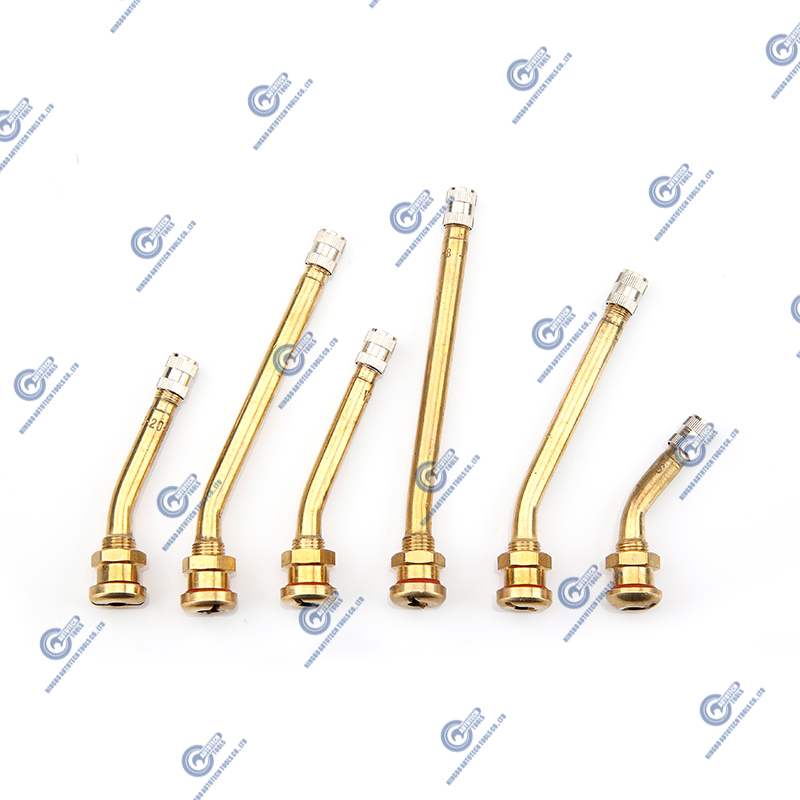
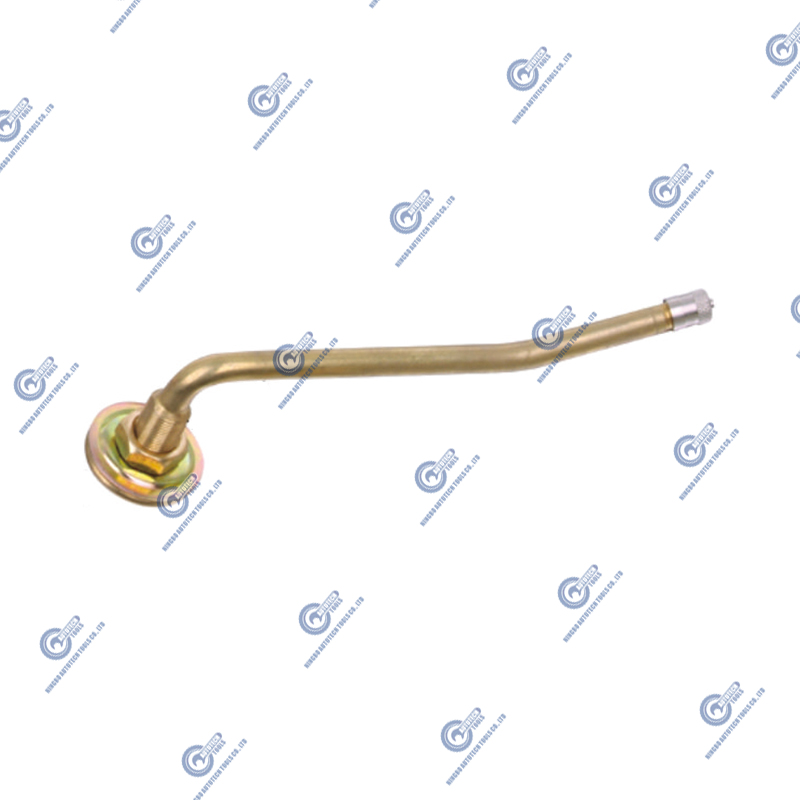
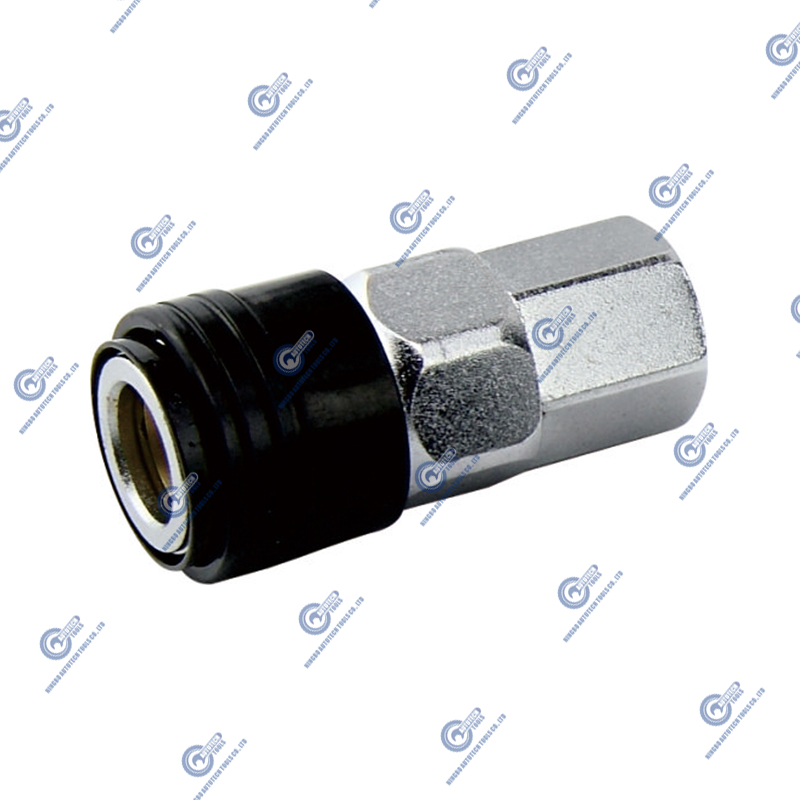
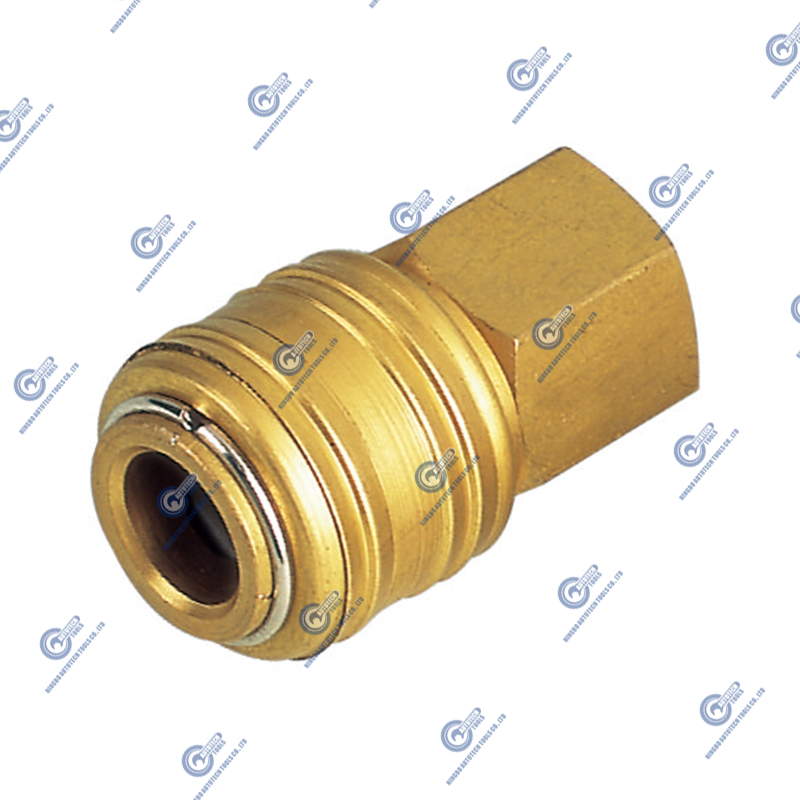

Ningbo Autotech Tools Co.,Ltd was founded in 2014 as a professional manufacturer of tire valves, tire repair tools & air quick couplings.
Product links
Contact Us
-
Address:No.16 Gaoqiang Road, Jiangnan Industrial Zone, Gaoqiao Town, Yinzhou District, Ningbo, China. 315175
-
Tel:+86-0574-89073063
-
E-mail:jimmy@autotechtool.com
