


 English
 Español
News

How Do You Use a Tire Plug Kit to Fix a Flat Tire Step by Step?
 2026.05.11
 Industry news
To use a tire plug kit to fix a flat tire, you locate the puncture, remove the object causing it, ream out the hole with the rasp tool, insert a plug strip through the needle tool, push it into the hole, trim the excess, and reinflate the tire — the entire process takes 10–15 minutes and can be done roadside without removing the tire from the vehicle. Done correctly on an eligible puncture, a plug repair can last the remaining life of the tire. This step-by-step guide covers every stage with the detail you need to do it right the first time.
What Comes in a Standard Tire Plug Kit
Before starting, confirm your kit contains all the necessary components. Most plug kits sold for $8–$25 include the following:
- Rasp tool (reamer) — a metal rod with a rough, file-like surface used to clean and roughen the puncture hole
- Plug insertion tool (needle tool) — an eye-needle shaped tool used to thread and push the plug into the hole
- Plug strips — sticky, rope-like rubber strips coated in vulcanizing compound; typically 5–10 included per kit
- Vulcanizing cement — rubber bonding compound applied to the plug and hole for a stronger seal
- Utility knife or scissors — for trimming the plug flush with the tread surface
You will also need a tire pressure gauge and an inflator (portable compressor or CO₂ inflator) — these are not always included in basic kits but are essential to complete the repair.
Know When a Plug Kit Can — and Cannot — Be Used
A tire plug is not appropriate for every puncture. Using a plug on an ineligible injury risks catastrophic tire failure. Check these criteria before proceeding:
| Condition | Plug Repair? | Reason |
|---|---|---|
| Puncture in tread area, under ¼ inch (6mm) | Yes | Standard plug repair zone |
| Puncture larger than ¼ inch diameter | No | Plug cannot seal reliably |
| Puncture in sidewall or shoulder | No | Sidewall flexes — plug will fail |
| Tire driven flat (run-flat damage) | No | Internal structure likely damaged |
| Multiple punctures close together | No | Structural integrity compromised |
| Visible cracks, bulges, or bead damage | No | Tire must be replaced |
Step 1: Ensure Safety Before You Begin
If you are on the road, safety setup is not optional. More roadside injuries occur from passing traffic than from the flat tire itself.
- Pull completely off the roadway onto a flat, stable surface — avoid soft shoulders where the vehicle may shift
- Turn on hazard lights and place road flares or reflective triangles at least 50 feet behind the vehicle
- Apply the parking brake and place wheel chocks or rocks behind the opposite tires if available
- Do not attempt this repair if the tire is on a steep incline or if you cannot safely access the puncture
Step 2: Locate the Puncture
The puncture source is not always immediately visible. Use these methods to find it quickly:
- Visual scan — slowly rotate the tire and look for a nail, screw, glass shard, or other object embedded in the tread
- Listen — if the tire still has some air, you may hear hissing near the puncture site
- Soapy water test — spray or wipe diluted dish soap over the tread and look for bubbling, which pinpoints the exact leak location
- Once located, mark the spot with chalk, a marker, or a piece of tape before removing the object
Step 3: Remove the Object from the Tire
Use pliers to pull the nail, screw, or debris straight out of the tire in the same angle it entered. Do not wiggle or twist the object sideways — this enlarges the hole and makes plugging more difficult.
Once removed, air will begin escaping more rapidly. Work quickly but carefully through the remaining steps. If you need a moment to prepare tools, you can temporarily reinsert the object to slow air loss — but do not delay more than 2–3 minutes.
Step 4: Ream the Hole with the Rasp Tool
This step is skipped by many first-time users — and it's why their plugs fail. The rasp tool serves two critical purposes: it cleans debris and rubber fragments from the hole edges, and it roughens the interior surface so the vulcanizing compound bonds properly.
- Insert the rasp tool straight into the puncture hole, following the same angle as the original puncture.
- Push it in and pull it out with a firm, twisting motion — repeat 5–8 times.
- The hole should feel slightly larger and the tool should move in and out smoothly without resistance.
- Do not over-ream — you only need to clean and roughen the channel, not significantly enlarge it.
A properly reamed hole gives the plug compound a clean, textured surface to grip. Skipping this step is the number one cause of plug leaks within the first 24–48 hours.
Step 5: Prepare and Load the Plug Strip
- Thread one plug strip through the eye of the insertion needle tool, centering it so equal lengths hang from each side — the plug should form a "U" shape through the needle eye.
- Apply vulcanizing cement generously along the entire length of the plug strip and around the tip of the needle tool.
- Also apply a small amount of cement directly into the reamed hole using the rasp tip or your finger.
- Allow the cement to become tacky — approximately 30–60 seconds — before inserting. Do not let it dry completely.
Step 6: Insert the Plug into the Hole
This is the most physically demanding step and requires firm, deliberate force.
- Align the needle tool with the puncture hole at the same angle as the original penetration.
- Push the needle straight in with steady, firm pressure until approximately ½ inch (1.2 cm) of the plug tails remain visible above the tread surface — do not push the entire plug through.
- With one quick, straight pull, withdraw the needle tool — the plug strip's eye-loop catches in the hole and the needle releases, leaving the plug seated in the tire.
- Do not twist or rotate the needle while pulling — pull straight out along the insertion angle.
You should feel resistance as the plug fills the hole. The two tails of the plug strip should now be protruding from the tread surface, and air loss should stop or slow dramatically.
Step 7: Trim the Plug Flush with the Tread
Wait at least 2–3 minutes after insertion before trimming — this gives the vulcanizing compound time to begin bonding and prevents the plug from being pulled back out when you cut it.
- Use a sharp utility knife or the cutter included in your kit to trim the protruding plug tails as close to the tread surface as possible
- Cut in a single clean slice rather than sawing back and forth — sawing can disturb the plug seating
- Leave no more than 1–2mm of plug material above the tread — excess plug can catch on road debris and pull the plug loose over time
Step 8: Reinflate and Verify the Seal
- Inflate the tire to the manufacturer's recommended pressure — found on the door jamb sticker, typically 32–36 PSI for most passenger vehicles.
- Apply soapy water over the plug area and watch for bubbles. No bubbling means a successful seal.
- If you see slow bubbling, the plug may not be fully seated — press firmly on the plug area and recheck. Persistent leaking means the plug needs to be replaced or the tire requires professional service.
- Check pressure again after 5 minutes to confirm it is holding steady.
A successful plug repair will hold pressure immediately and not require topping off. If the tire loses more than 2 PSI in 5 minutes, the seal is inadequate and the repair should not be trusted for highway driving.
After the Repair: What You Should Know
- Drive speed restriction: For the first 24 hours after plugging, keep speed below 50 mph (80 km/h) while the vulcanizing compound reaches full cure strength
- Have the repair inspected: The Tire Industry Association and most tire manufacturers recommend having a plug repair professionally inspected and ideally converted to a plug-patch combination repair within 100 miles of the initial fix
- Monitor pressure daily for the first week — a slow leak developing after the initial repair indicates incomplete sealing
- A plug alone is not considered a permanent repair by most tire manufacturers — a plug-patch (combination repair done from the inside) is the only repair recognized as permanent by the Rubber Manufacturers Association
- Restock your plug kit after each use — most kits include only 5–10 plugs and one-time use cement packets
Quick Reference: Tire Plug Repair at a Glance
| Step | Action | Key Detail |
|---|---|---|
| 1 | Safety setup | Hazards on, triangles placed, parking brake set |
| 2 | Locate puncture | Visual, listen, or soapy water test |
| 3 | Remove object | Pull straight out with pliers, no twisting |
| 4 | Ream the hole | 5–8 in-and-out twisting passes with rasp tool |
| 5 | Load plug strip | Center in needle eye, apply cement, wait 30–60 sec |
| 6 | Insert plug | Push in until ½ inch remains, pull needle straight out |
| 7 | Trim plug | Wait 2–3 min, cut flush leaving 1–2mm above tread |
| 8 | Inflate and verify | Inflate to spec PSI, check with soapy water, no bubbles = success |
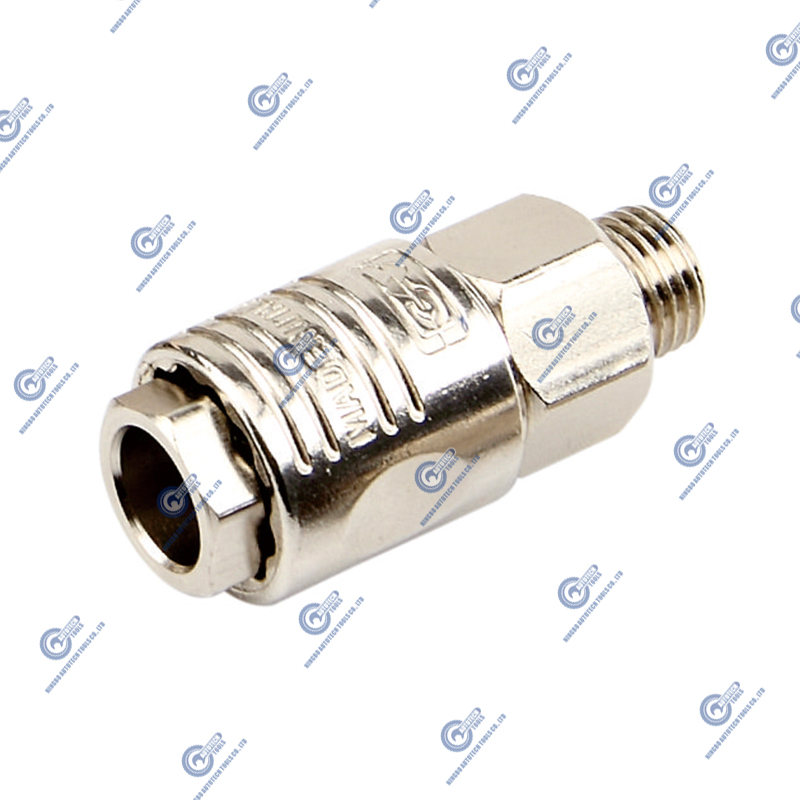
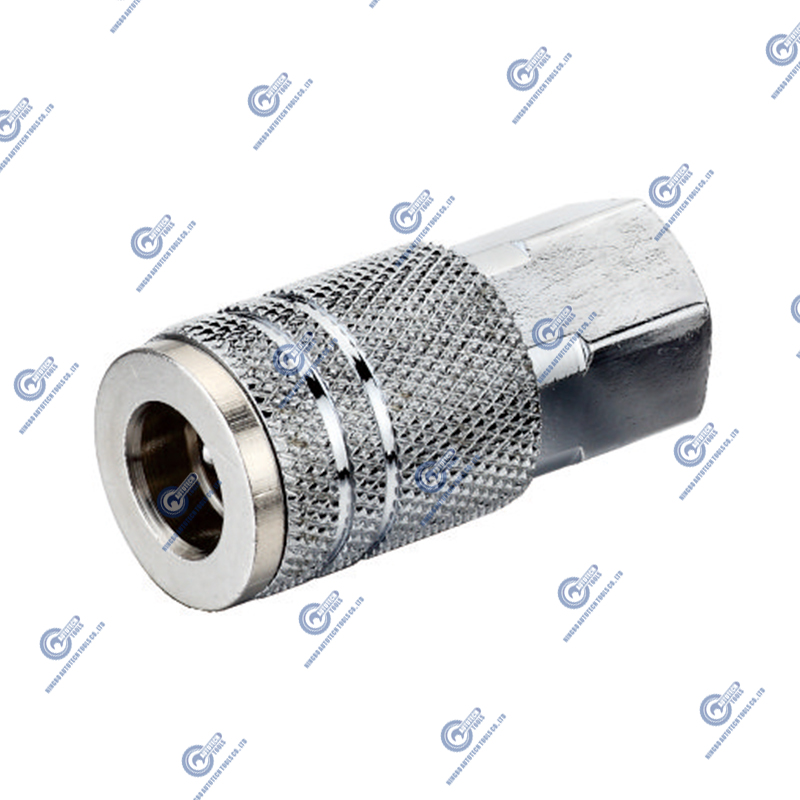
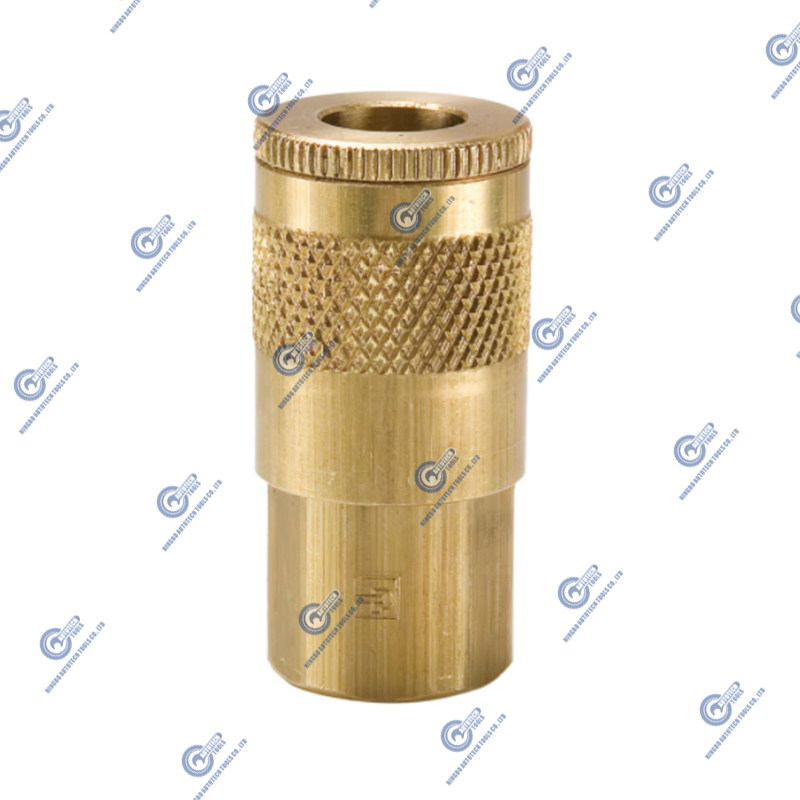
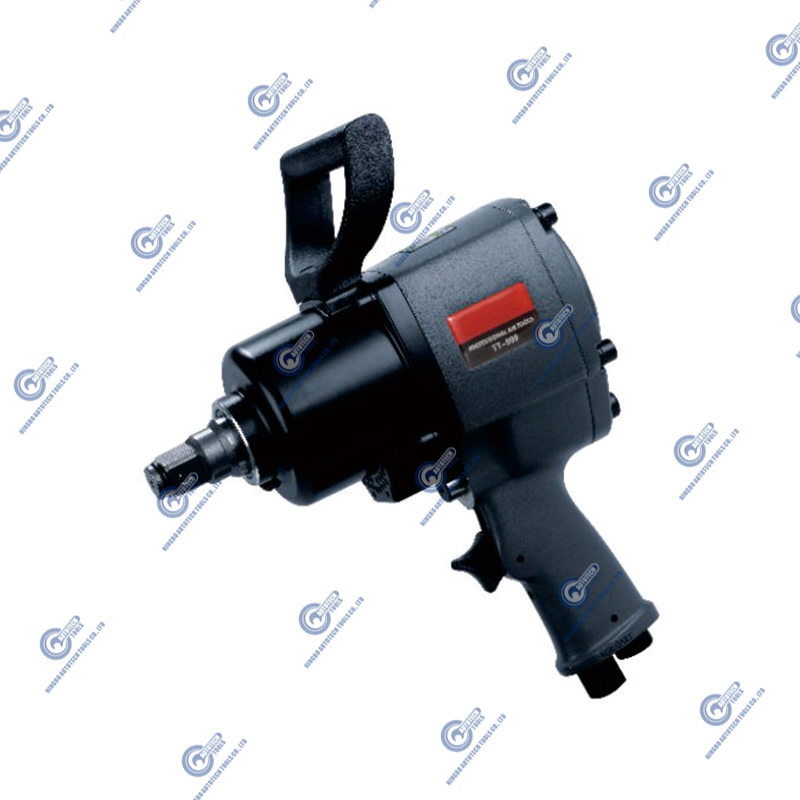

Ningbo Autotech Tools Co.,Ltd was founded in 2014 as a professional manufacturer of tire valves, tire repair tools & air quick couplings.
Product links
Contact Us
-
Address:No.16 Gaoqiang Road, Jiangnan Industrial Zone, Gaoqiao Town, Yinzhou District, Ningbo, China. 315175
-
Tel:+86-0574-89073063
-
E-mail:jimmy@autotechtool.com
