


 English
 Español
News

How to Choose the Right Tire Valves for Your Vehicle
 2026.07.20
 Industry news
The Short Answer: Match Valve Type to Your TPMS and Wheel Design
For most passenger vehicles, the right tire valve choice is a TPMS-compatible rubber snap-in valve rated for the OE recommended pressure, replaced every time new tires are mounted rather than reused across multiple tire changes. That single rule covers the majority of everyday cars and light trucks. Vehicles with alloy wheels running higher pressures, performance vehicles, or heavy-duty trucks often need a metal clamp-in valve instead, since rubber stems degrade faster under high pressure and heat. The sections below break down exactly when each valve type applies, why length and TPMS compatibility matter more than most drivers realize, and how to spot a valve that needs replacing before it causes a slow leak or blowout.
Rubber Snap-In vs. Metal Clamp-In Valves
The core decision for most drivers comes down to two valve stem types, and choosing the wrong one is one of the most common causes of slow air leaks after a tire change.
Rubber Snap-In Valves
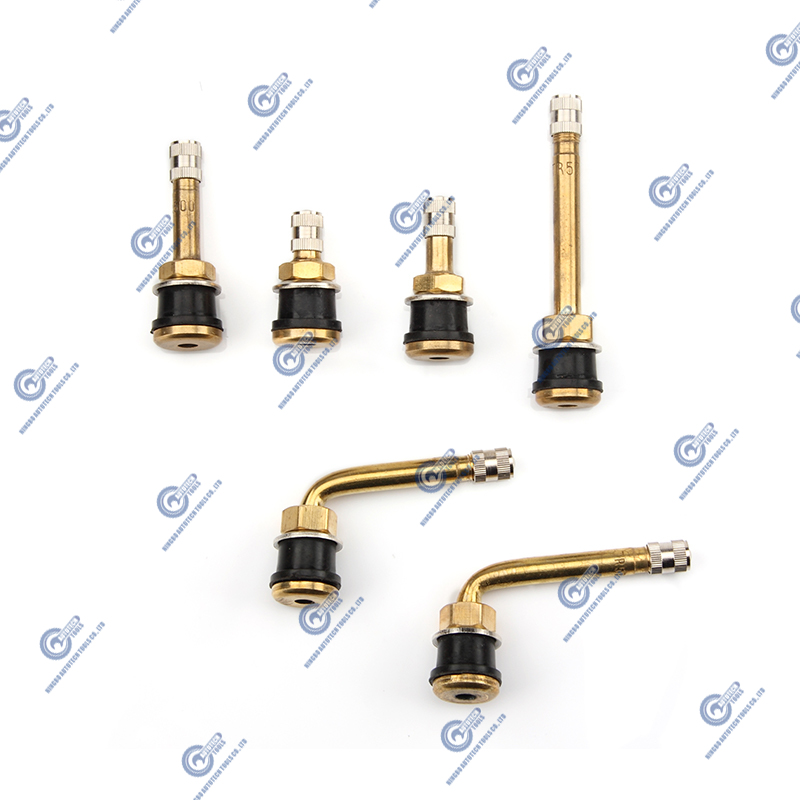
Rubber snap-in valves are standard equipment on most passenger cars and light trucks, and they're rated for pressures up to roughly 65 PSI, well above the 30-35 PSI most passenger tires run at. They're inexpensive, easy to install, and the industry-standard recommendation is to replace them every time a tire is removed and remounted, since the rubber can crack or lose its seal after being flexed during removal, even if it looks intact.
Metal Clamp-In Valves
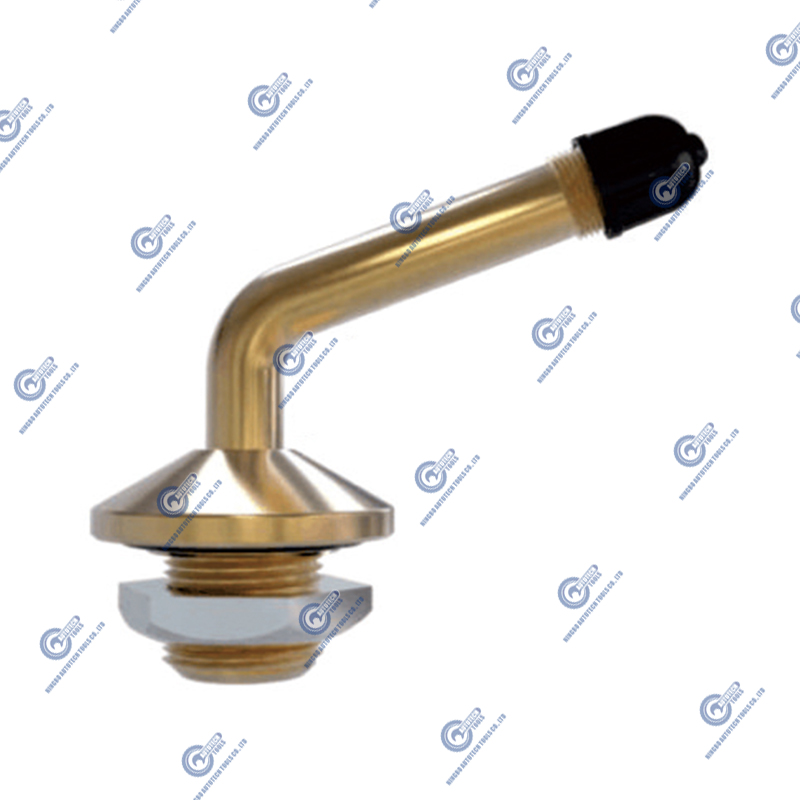
Metal clamp-in valves are built for higher pressure and heavier loads, commonly rated for up to 150-175 PSI, making them the standard choice for performance cars, trucks with heavy towing duty, and any vehicle running pressures above what a rubber stem can safely handle long-term. They're more expensive and require more careful torque-spec installation, but they resist heat degradation and high-speed centrifugal stress far better than rubber over time.
Why TPMS Compatibility Is Non-Negotiable
Since 2007, federal regulation has required all new passenger vehicles sold in the United States to include a Tire Pressure Monitoring System, and most of these systems mount the pressure sensor directly onto the valve stem itself. This means the valve isn't just an air seal anymore — it's also a structural mount for an electronic sensor, which changes the selection criteria significantly.
Using a non-TPMS valve stem on a vehicle equipped with sensors will either prevent installation entirely or leave the sensor unsecured, risking damage during driving. TPMS-specific valve stems use a reinforced rubber grommet or a metal-and-rubber hybrid construction designed to hold the added weight and vibration of the sensor without cracking prematurely, unlike a standard stem never intended to carry that load.
How to Confirm TPMS Compatibility
- Check your vehicle's original equipment manual for TPMS confirmation
- Look for a dash warning light labeled "TPMS" or a tire pressure icon, which confirms the system is present
- Ask your tire installer to confirm the sensor type before ordering replacement valve stems, since sensor mounting varies by manufacturer
Matching Valve Stem Length to Wheel Design
Valve stem length isn't a one-size-fits-all measurement, and getting it wrong causes real problems — a stem that's too short can be difficult or impossible to reach with an inflator, while one that's too long can flex excessively and wear out faster or even contact the wheel well under certain conditions.
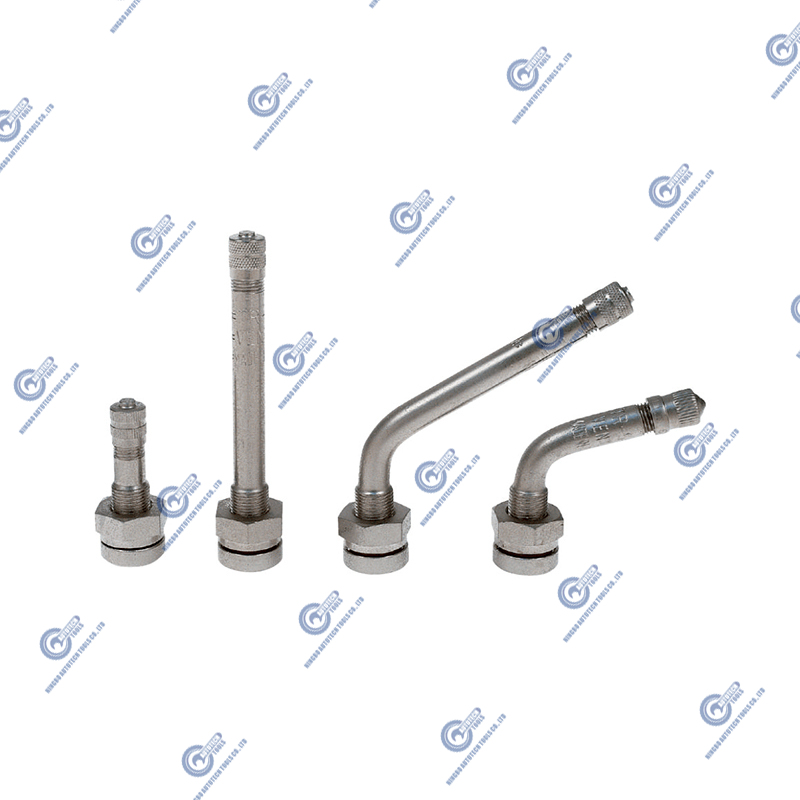
Wheel offset and rim depth determine the correct length, which is why deep-dish aftermarket wheels almost always require longer valve stems than standard factory wheels. Most passenger vehicles use a standard 1.5-inch stem, while wheels with significant offset or deep-lip designs often require stems in the 2-4 inch range to keep the valve accessible for inflation without excessive protrusion.
| Wheel Type | Typical Valve Length | Notes |
|---|---|---|
| Standard factory wheel | 1.5 inches | Most common OE fitment |
| Moderate aftermarket offset | 2.0-2.5 inches | Common on mid-size aftermarket rims |
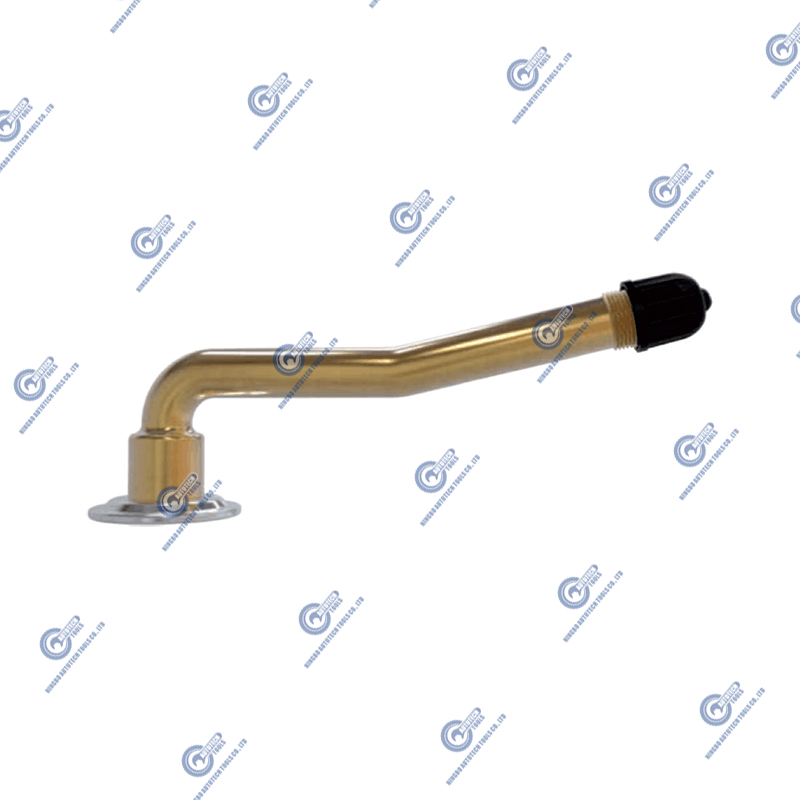
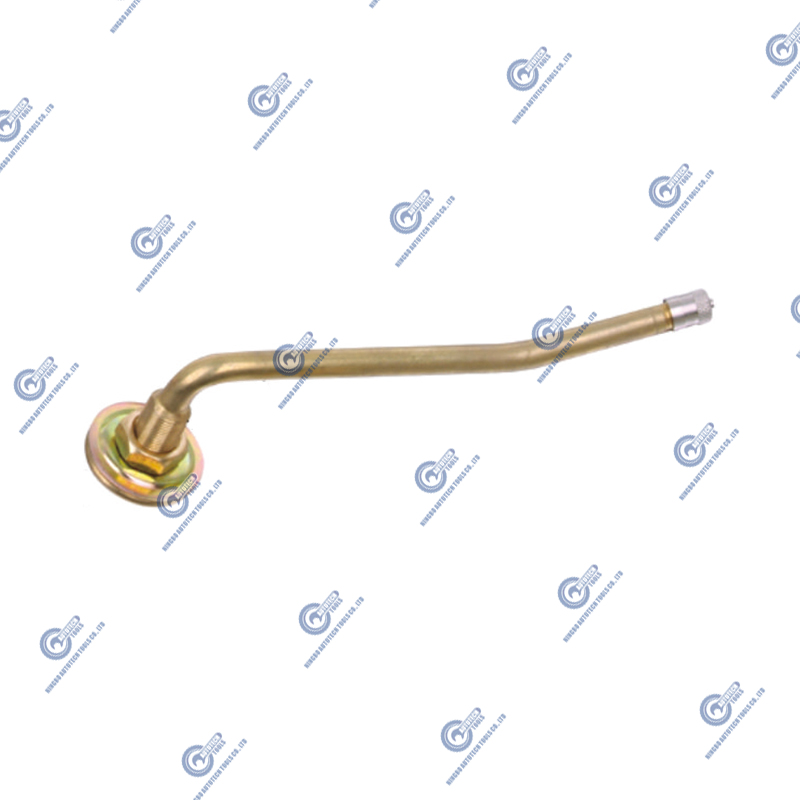
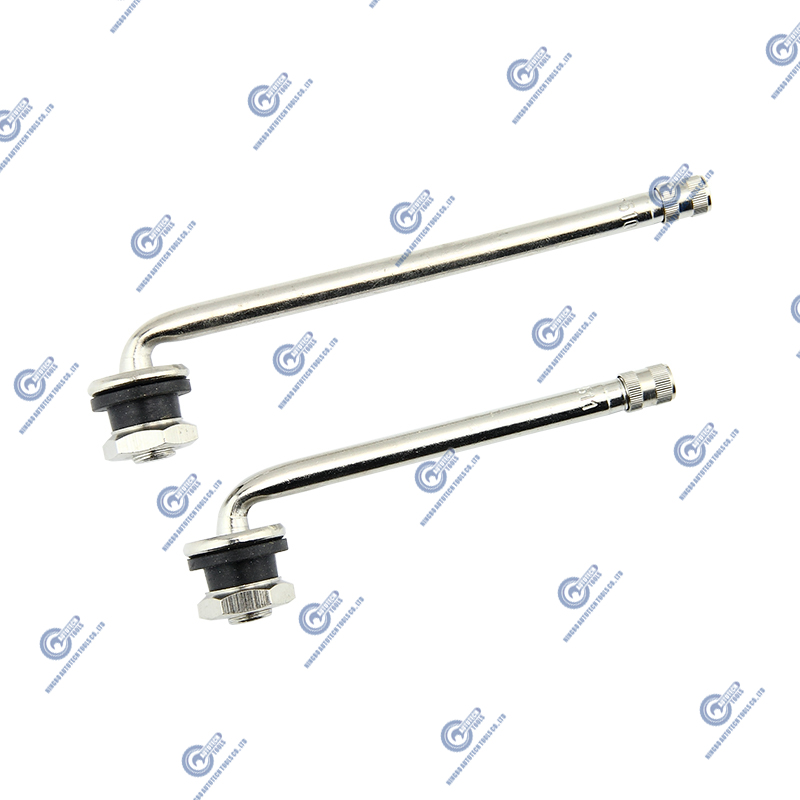
| Deep-dish or high-offset wheel | 3.0-4.0 inches | Angled or bent valve stems often needed |
Valve Core and Cap Considerations
The valve core — the small spring-loaded pin inside the stem that seals air in — is a separate wear part from the stem itself and is often overlooked. Standard brass cores are reliable for most conditions, but nickel-plated cores resist corrosion significantly better in vehicles regularly exposed to road salt or coastal humidity, which matters most for vehicles driven in winter climates or near the ocean.
Valve caps matter more than many drivers assume. A missing or loose cap allows dirt and moisture to reach the valve core, which is a common cause of slow leaks that seem to have no obvious source. Metal caps with a rubber gasket seal more reliably than plastic caps, which can crack in cold weather and lose their sealing function entirely.
Signs Your Tire Valves Need Replacement
Valve stems degrade gradually, and the warning signs are often mistaken for a slow tire leak rather than a valve problem specifically. Checking the valve directly can save an unnecessary tire replacement.
- Visible cracking, dry rot, or discoloration on a rubber stem
- A valve that leans noticeably to one side rather than sitting straight
- Persistent slow pressure loss even after confirming the tire itself has no puncture
- A hissing sound when applying soapy water to the valve stem base, indicating an air leak at the seal
- A missing, cracked, or corroded valve cap that's left the core exposed
Most tire professionals recommend replacing valve stems every time a tire is dismounted and remounted, even if the old stem shows no visible damage, since the rubber-to-wheel seal is disturbed during tire changes and rarely reseals as reliably the second time.
Step-by-Step: Choosing the Right Valve for Your Vehicle
Once the general categories are understood, these steps translate the decision into a straightforward purchase.
- Confirm whether your vehicle has TPMS and, if so, which sensor type it uses
- Check your typical operating tire pressure against the rubber stem's 65 PSI limit to decide if a metal valve is needed
- Measure or confirm your wheel's offset to select the correct valve stem length
- Choose nickel-plated valve cores if you drive in salted or coastal environments regularly
- Replace valve caps with metal, gasketed versions rather than reusing worn plastic caps
- Replace the valve stem itself at every tire change, regardless of its visible condition
Getting these details right at the time of a tire change costs very little compared to dealing with a slow leak, a damaged TPMS sensor, or a valve failure at speed, all of which are far more common consequences of an overlooked or mismatched valve stem than most drivers expect.
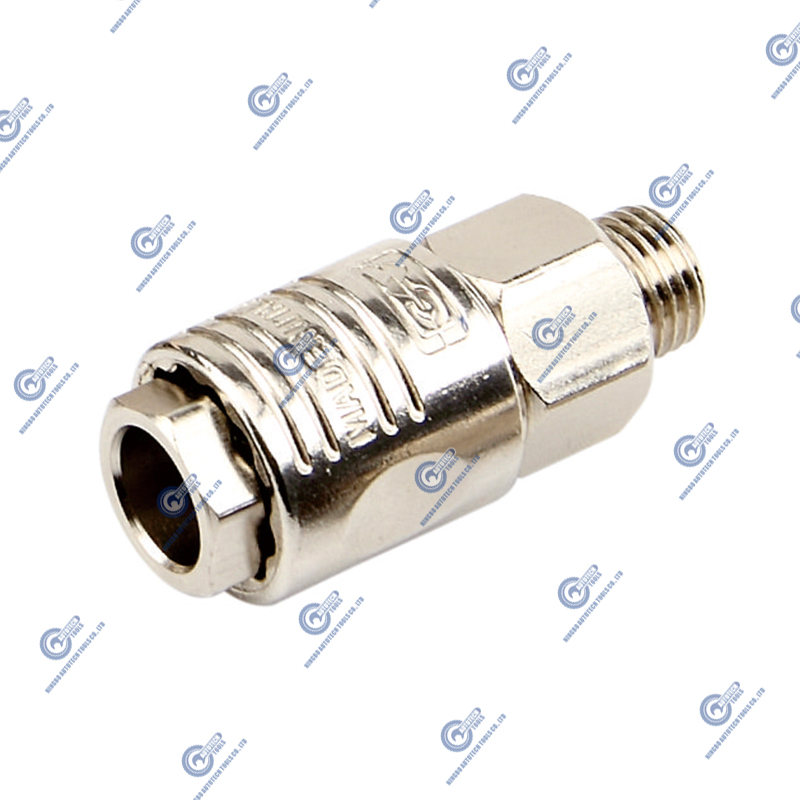
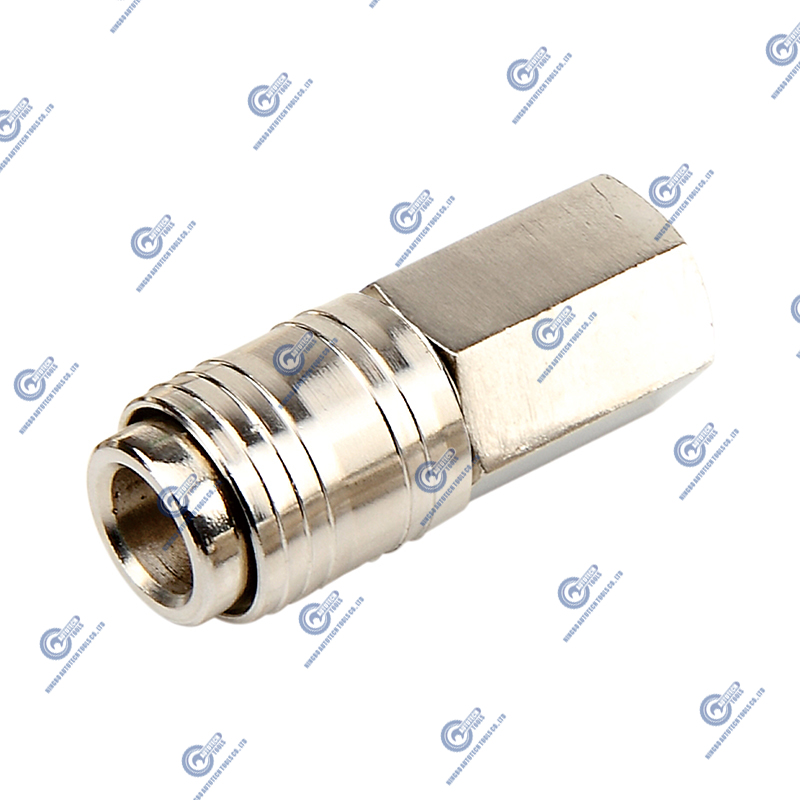
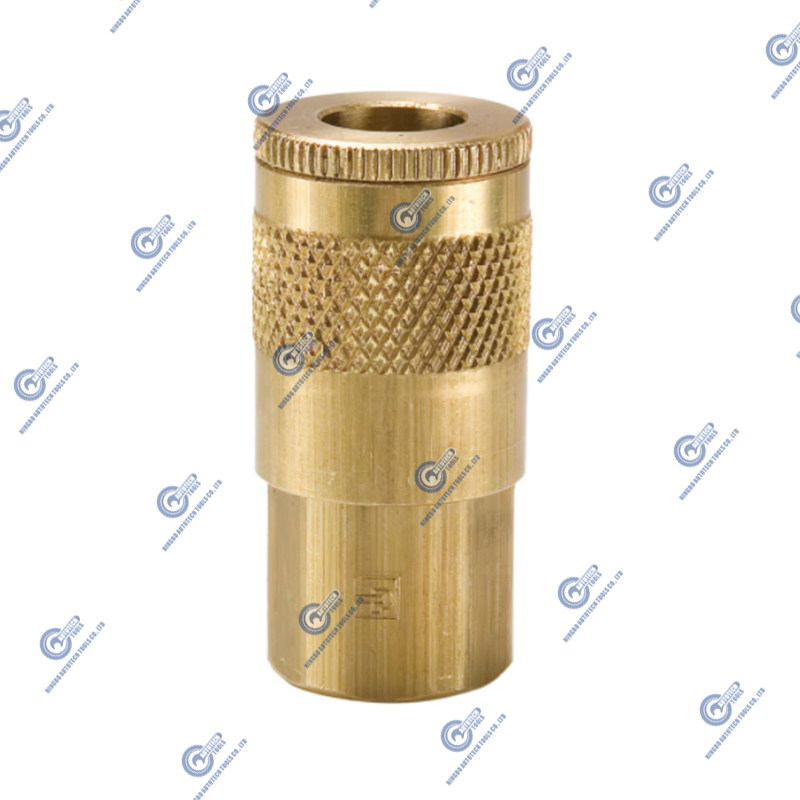
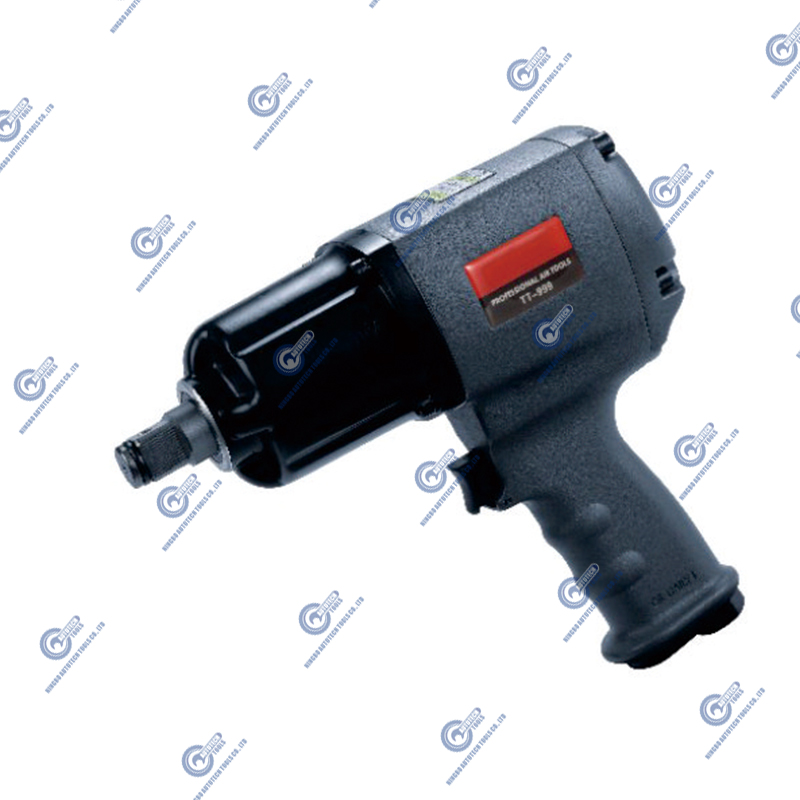

Ningbo Autotech Tools Co.,Ltd was founded in 2014 as a professional manufacturer of tire valves, tire repair tools & air quick couplings.
Product links
Contact Us
-
Address:No.16 Gaoqiang Road, Jiangnan Industrial Zone, Gaoqiao Town, Yinzhou District, Ningbo, China. 315175
-
Tel:+86-0574-89073063
-
E-mail:jimmy@autotechtool.com
