


 English
 Español
News
 Home / News / Industry news / Why Your Coupler and Plug Won't Connect: A Guide to Quick-Connect Compatibility
 Why Your Coupler and Plug Won't Connect: A Guide to Quick-Connect Compatibility
 2026.07.13
 Industry news
In most cases, a coupler and plug won't connect because they belong to different industrial interchange standards — for example, an ARO-style coupler will not accept a Milton-style plug, even though both look similar and are sized for the same 1/4" air line. There are five major quick-connect standards in common use (ARO/Parker, Milton, Industrial, High Flow, and Automotive), and mixing them is the single most common cause of failed connections. The fix is straightforward: identify which standard your coupler uses, then match the plug to that exact standard rather than assuming based on size or thread alone. The sections below explain how to identify your standard, what else can cause connection failures, and how to avoid this problem going forward.
The Most Common Cause: Mismatched Interchange Standards
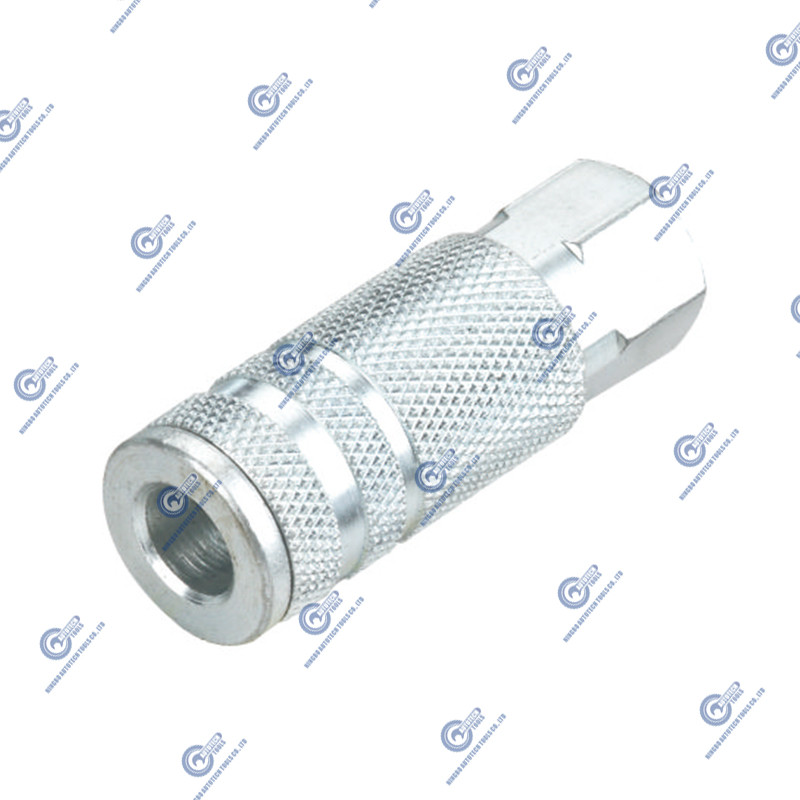
Unlike screw threads, quick-connect couplers and plugs rely on a specific internal ball-and-groove geometry to lock together. Because this geometry isn't standardized across the entire industry, several competing "interchange" families exist, and a plug from one family will physically not seat or lock into a coupler from another — even if the nominal size (like 1/4") matches exactly.
This is different from a thread mismatch, where you can usually feel resistance. With interchange mismatches, the plug may appear to insert partway but will not click into place or hold pressure, which often leads users to assume the fitting is defective when it's actually just the wrong family.
The Five Major Quick-Connect Standards
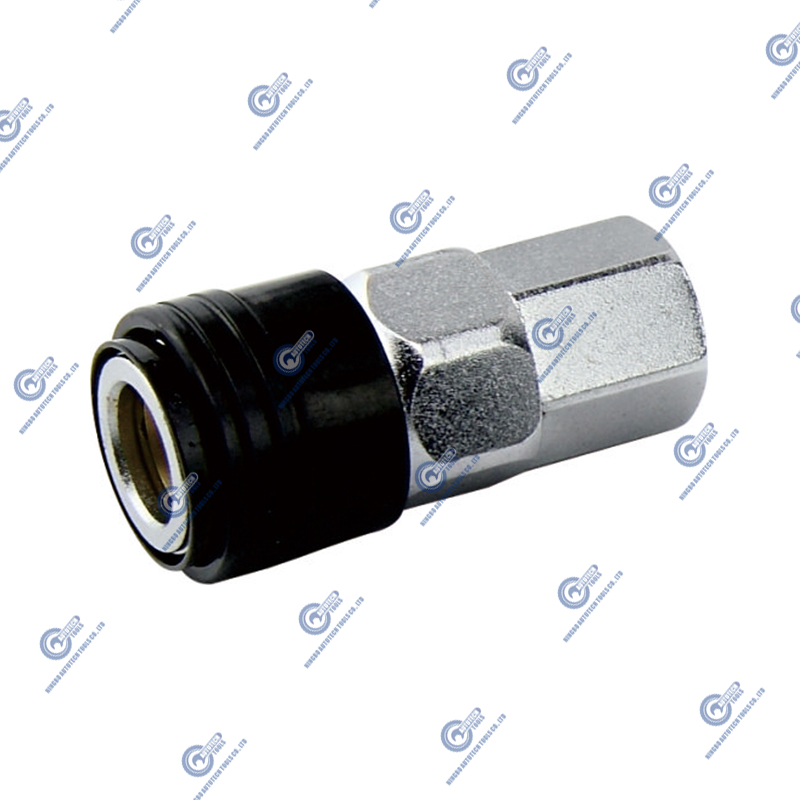
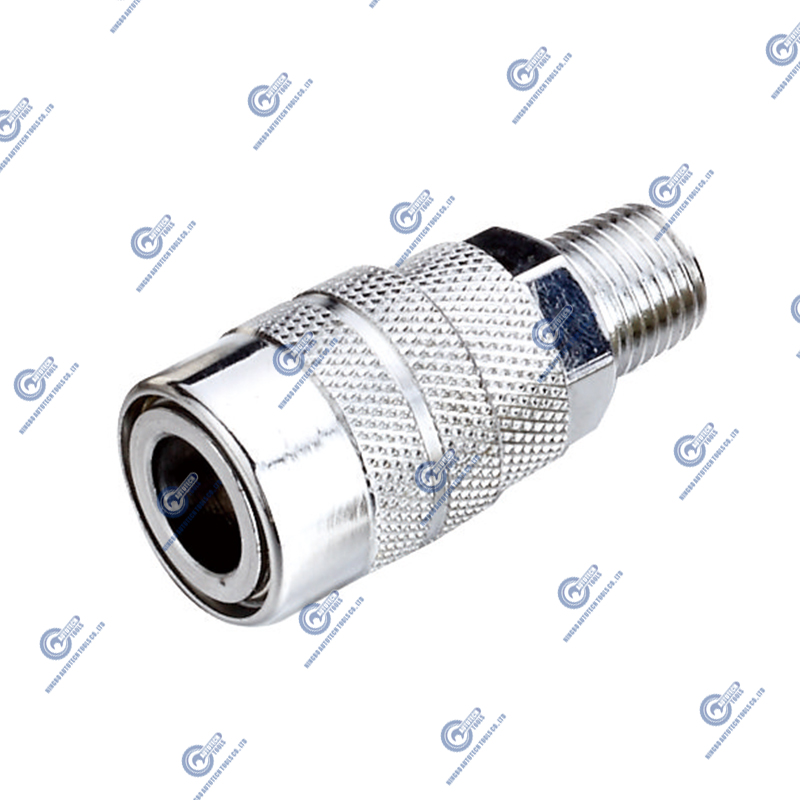
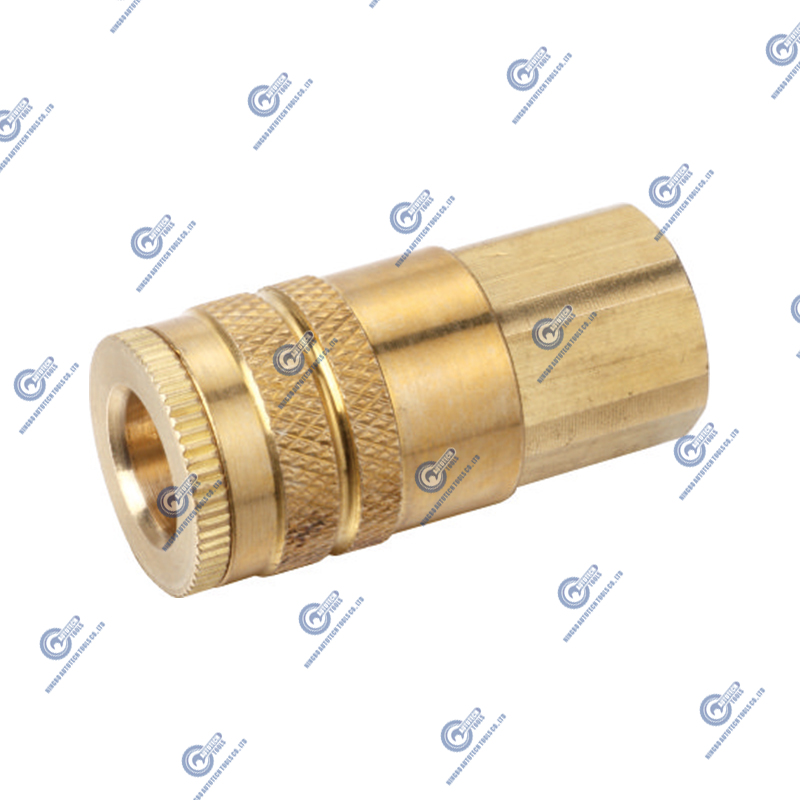
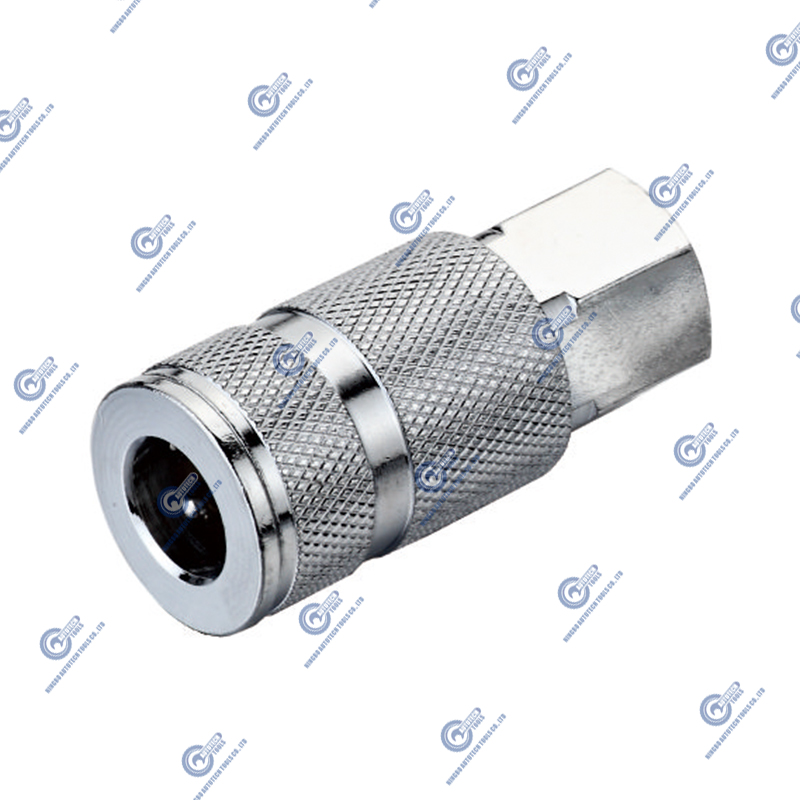
Knowing these five standards by name and general shape is the fastest way to diagnose a compatibility issue. The table below summarizes the most common types found in the US and international markets.
| Standard | Common Name | Typical Use |
|---|---|---|
| ARO / Parker | "A-Style" | Most common in North American shop air tools |
| Milton | "M-Style" | Common on lower-cost consumer air compressors |
| Industrial | "I-Style" | General industrial pneumatic equipment |
| High Flow (T-Style) | "T-Style" | High CFM tools requiring reduced airflow restriction |
| Automotive (Tru-Flate) | "H-Style" | Automotive service and tire shop equipment |
Of these, ARO/A-style is by far the most common in North American shop and garage settings, which is why it's often the safest default when replacing a lost or damaged fitting — but always confirm against your existing equipment rather than assuming.
How to Identify Which Standard You Have
If your existing coupler isn't labeled, a few simple checks can usually identify its family without needing to disassemble anything.
- Check for stamped markings on the coupler body — many manufacturers stamp the style letter (A, M, I, T, H) directly on the fitting
- Compare the coupler's collar shape and length against manufacturer reference charts, since each style has a distinct profile
- Test-fit a plug you know matches a specific standard (for example, from a labeled tool) against your unknown coupler
- If your equipment came with original documentation, check the parts list — it often specifies the fitting standard by name
Other Reasons a Coupler and Plug Might Not Connect
While mismatched standards cause the majority of connection failures, a few other issues are worth ruling out before assuming an interchange mismatch.
Common Secondary Causes
- Debris or dirt buildup inside the coupler's ball-locking mechanism, preventing the sleeve from retracting fully
- Worn or damaged locking balls inside the coupler, which can prevent a secure lock even with a matching plug
- Residual pressure in the line that prevents the sleeve from retracting properly during connection
- Size mismatch — a 3/8" plug will not properly seat in a 1/4" coupler, even within the same standard
A quick way to test for debris versus a true standard mismatch: try a plug you're confident matches the coupler's standard. If it still won't lock in smoothly, the coupler itself likely needs cleaning or replacement rather than the plug being wrong.
Why Universal or Multi-Fit Couplers Can Help
For shops or households juggling multiple tools bought over the years — often from different manufacturers — universal couplers designed to accept two or more standard plug types (commonly ARO and Industrial, or ARO and Automotive) can eliminate much of this compatibility headache. These couplers typically cost 20–40% more than single-standard versions but can save significant frustration and downtime when working with mixed toolsets.
How to Avoid This Problem Going Forward
Once you've identified and fixed a mismatch, a few simple habits prevent the issue from recurring as you add tools or replace worn fittings.
- Standardize on one interchange type across your shop or garage whenever possible, converting mismatched tools with adapter fittings if needed
- Label or color-code couplers and plugs by standard if you must maintain more than one type
- When purchasing new air tools, check the included fitting standard before buying rather than assuming it matches your existing setup
- Keep a small stock of adapters on hand for occasional cross-standard needs, rather than replacing entire hose assemblies
Quick Troubleshooting Checklist
Next time a coupler and plug won't connect, work through this order to diagnose the issue quickly:
- Confirm both fittings are the same nominal size (e.g., both 1/4")
- Check for visible markings identifying the interchange standard on each fitting
- Inspect the coupler for dirt, debris, or a stuck sleeve mechanism
- Release any residual line pressure before attempting to connect
- If all else checks out, assume a standard mismatch and consult a compatibility chart or bring the parts to a hardware supplier for comparison
Final Takeaway
If your coupler and plug won't connect, the most likely explanation is a mismatched interchange standard, not a defective part. Before replacing anything, identify which of the five major standards — ARO, Milton, Industrial, High Flow, or Automotive — your existing equipment uses, and match new purchases to that standard going forward. For mixed toolsets, a universal multi-fit coupler is often the simplest long-term fix, eliminating repeated compatibility issues as you add new tools over time.

Ningbo Autotech Tools Co.,Ltd was founded in 2014 as a professional manufacturer of tire valves, tire repair tools & air quick couplings.
Product links
Contact Us
-
Address:No.16 Gaoqiang Road, Jiangnan Industrial Zone, Gaoqiao Town, Yinzhou District, Ningbo, China. 315175
-
Tel:+86-0574-89073063
-
E-mail:jimmy@autotechtool.com
