


 English
 Español
News
 Home / News / Industry news / Snap-In Tubeless Valve Stems Guide: TR Sizes, Rubber Types, and Installation Tips
 Snap-In Tubeless Valve Stems Guide: TR Sizes, Rubber Types, and Installation Tips
 2026.06.15
 Industry news
A snap-in tubeless valve stem is a rubber-bodied valve that seals against the wheel rim through pressure fit alone, without requiring a separate locknut. The most common sizes are TR413 (standard length, for passenger cars and light trucks) and TR414 (slightly longer, for higher pressure or thicker wheel coatings), with TR418 used for larger rim holes on trucks and trailers. Choosing the correct valve depends on three factors: rim hole diameter, valve length, and rubber material rated for your vehicle's tire pressure and operating temperature.
What Is a Snap-In Tubeless Valve Stem?
A snap-in valve stem consists of a metal valve core housing surrounded by a molded rubber grommet. The rubber portion is pulled through the rim's valve hole and seats into a groove, creating an airtight seal through compression rather than mechanical fasteners. This design makes installation and replacement quick, which is why snap-in valves are standard equipment on most passenger vehicles.
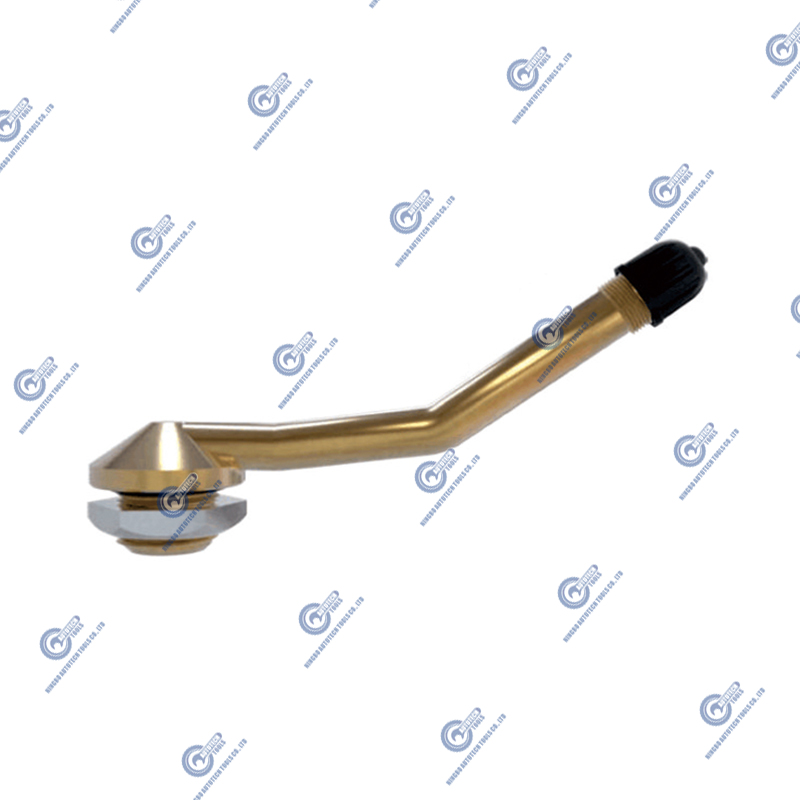
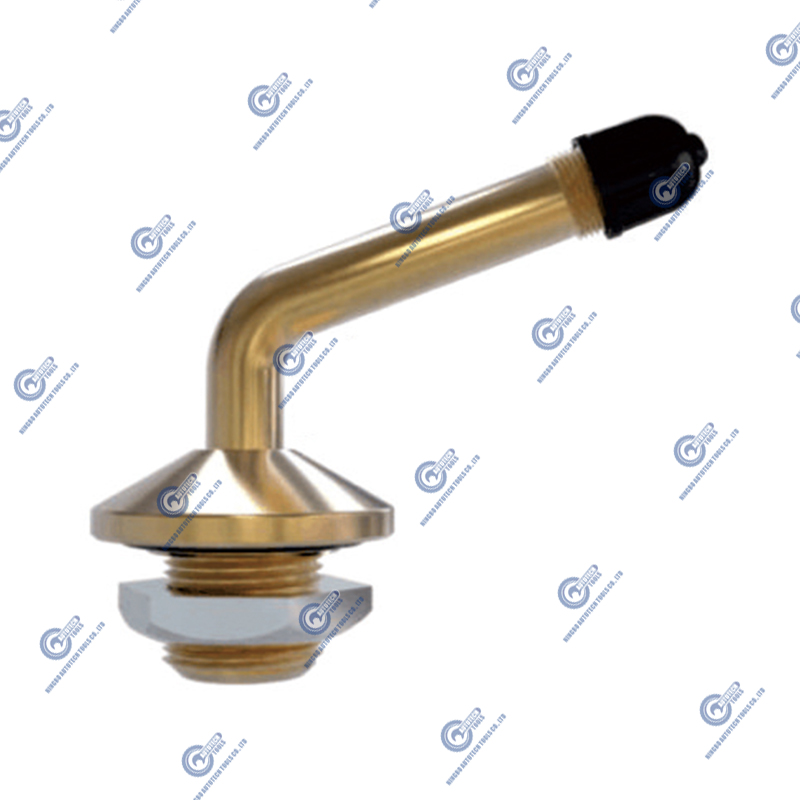
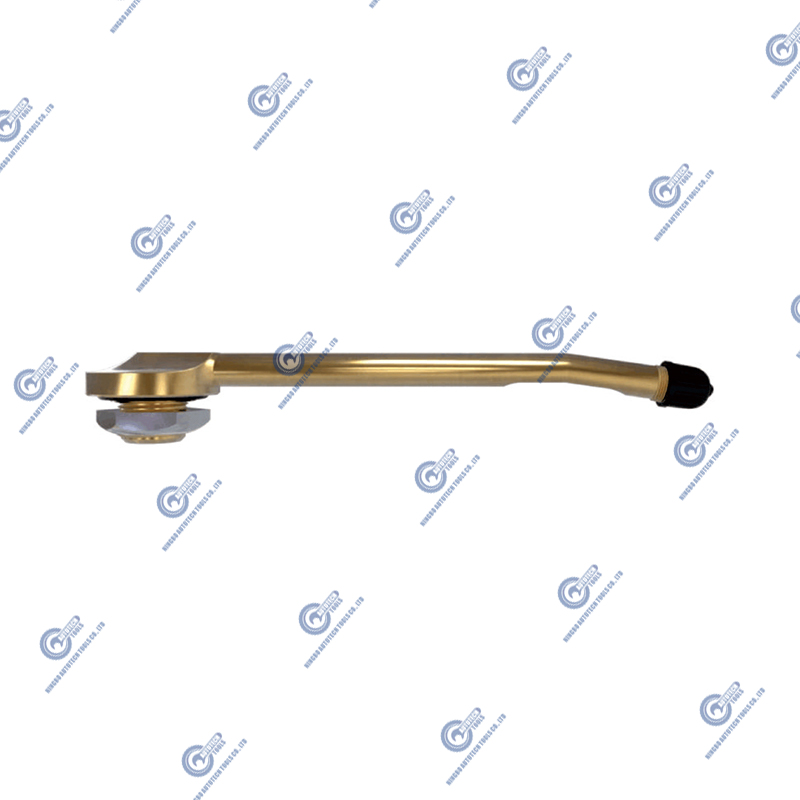
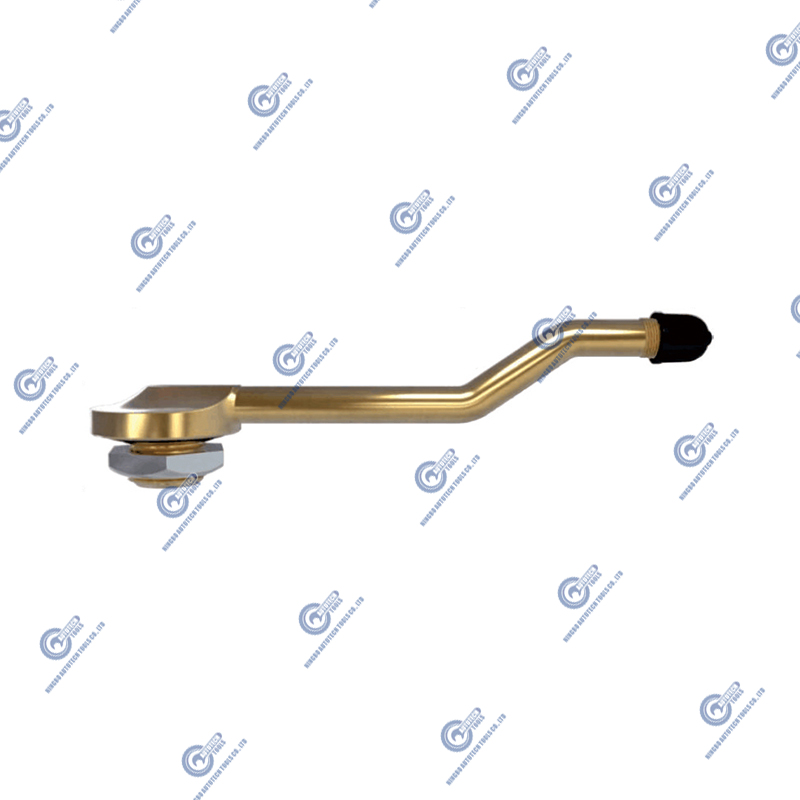
Snap-in valves are rated for tire pressures up to roughly 65 PSI, which covers the vast majority of passenger cars, SUVs, and light-duty trailers. Vehicles requiring higher pressures, such as commercial trucks, typically use clamp-in metal valves instead.
Common TR Sizes and Their Specifications
The "TR" number is an industry-standard designation that refers to a specific combination of rim hole diameter, valve body length, and base diameter. The table below summarizes the most commonly used sizes.
| TR Number | Rim Hole Diameter | Overall Length | Common Application |
|---|---|---|---|
| TR412 | 0.453 in (11.5mm) | 1.46 in (37mm) | Compact cars, low-profile applications |
| TR413 | 0.453 in (11.5mm) | 1.57 in (40mm) | Most common; standard passenger cars and light trucks |
| TR414 | 0.453 in (11.5mm) | 1.97 in (50mm) | Vehicles with thicker wheel coatings or wider rim wells |
| TR418 | 0.625 in (15.9mm) | 2.45 in (62mm) | Light trucks, trailers, and larger rim holes |
TR413 is the most widely used size and fits the majority of OEM wheels on cars and light SUVs sold in North America. If you're unsure which valve your vehicle uses, checking the tire placard or contacting the wheel manufacturer is more reliable than guessing based on vehicle make alone.
Rubber Types and Material Considerations
Standard Rubber (EPDM)
EPDM rubber is the most common material for snap-in valves due to its good balance of flexibility, cost, and resistance to ozone and weathering. It performs well in temperatures ranging from -40°F to 257°F, covering most everyday driving conditions.
High-Pressure Rubber (HP)
High-pressure rubber valves are rated for up to 80 PSI and are recommended for vehicles that regularly run higher tire pressures, such as performance cars or vehicles carrying heavy loads. These valves use a denser rubber compound that resists deformation under sustained pressure.
Nickel-Plated Brass Cores
While the body of a snap-in valve is rubber, the internal valve core is typically brass with a nickel or chrome plating to resist corrosion. Standard brass cores work fine for most climates, but vehicles regularly exposed to road salt may benefit from cores with additional corrosion-resistant coatings.
TPMS-Compatible Valves
Vehicles with Tire Pressure Monitoring Systems (TPMS) require valve stems specifically designed to house the sensor, which differ from standard snap-in valves in both shape and rubber compound. Using a non-TPMS valve on a TPMS wheel will not damage the sensor, but it won't seal correctly around the sensor housing, so always confirm TPMS compatibility before purchasing.
Step-by-Step Installation Tips
- Remove the old valve stem using a valve stem puller or by cutting it out with a utility knife, then clean the rim hole of any debris or old rubber residue
- Apply a small amount of valve lubricant or soapy water to the rubber body to ease insertion through the rim hole
- Insert the valve stem from inside the wheel and use a valve stem installation tool to pull it through until the rubber seats fully into the rim groove
- Check that the valve sits perpendicular to the rim surface, as an angled valve can cause uneven sealing and accelerated wear
- Inflate the tire and check for leaks around the valve base using soapy water before remounting the wheel
A valve stem installation tool costs less than $15 and is necessary for a proper seal; attempting to pull the valve through with pliers alone often results in tearing or improper seating.
When to Replace Your Valve Stems
Rubber valve stems degrade over time due to UV exposure, ozone, and temperature cycling, even if they show no visible damage. Industry guidance commonly recommends replacing snap-in valve stems every time new tires are mounted, since the cost is minimal compared to the labor involved in remounting tires later if a valve fails.
| Warning Sign | Likely Cause | Recommended Action |
|---|---|---|
| Cracking near the base | UV/ozone degradation of rubber | Replace immediately |
| Valve leans noticeably | Rubber softening or improper seating | Inspect for leaks; replace if soft |
| Slow pressure loss | Worn valve core or seal | Replace valve core first; replace stem if leak persists |
| Visible white or chalky rubber | Rubber drying out and losing elasticity | Replace before next tire service |
A new snap-in valve stem typically costs $1-3, making it one of the cheapest preventative replacements in routine tire maintenance.

Ningbo Autotech Tools Co.,Ltd was founded in 2014 as a professional manufacturer of tire valves, tire repair tools & air quick couplings.
Product links
Contact Us
-
Address:No.16 Gaoqiang Road, Jiangnan Industrial Zone, Gaoqiao Town, Yinzhou District, Ningbo, China. 315175
-
Tel:+86-0574-89073063
-
E-mail:jimmy@autotechtool.com
