

 English
 Español
News
 Home / News / Industry news / Hydraulic Jack Buying Guide: Capacity, Stroke, and Safety Ratings Explained
 Hydraulic Jack Buying Guide: Capacity, Stroke, and Safety Ratings Explained
 2026.06.08
 Industry news
Choosing the right hydraulic jack comes down to three non-negotiable specs: lifting capacity (tonnage), stroke length, and safety certification. Get these wrong and you risk equipment damage, personal injury, or a jack that simply can't do the job. This guide walks you through every key factor so you can buy with confidence.
Start Here: Match Capacity to Your Load
Lifting capacity is the single most important spec. A hydraulic jack must be rated for at least 1.5× the actual load weight to operate safely and provide a working margin. Using a jack at 100% of its rated capacity accelerates seal wear and dramatically increases failure risk.
Common Applications and Recommended Capacity
| Application | Typical Load Weight | Recommended Capacity |
|---|---|---|
| Passenger car (one corner) | 400–600 kg | 2 ton |
| SUV / light truck (one corner) | 700–1,200 kg | 3–4 ton |
| Heavy-duty truck / bus axle | 3,000–6,000 kg | 10–20 ton |
| Industrial machinery / press | 10,000–50,000 kg | 20–100 ton |
| Civil / structural lifting | 50,000+ kg | 100–500+ ton |
Always confirm the actual load from the vehicle or equipment manufacturer's specifications — never estimate by eye.
Stroke Length: How High Does Your Load Need to Rise?
Stroke length is the total vertical travel distance of the ram — from its lowest to its highest extended position. Buying a jack with insufficient stroke means the job simply can't be completed.
- Short stroke (50–150 mm): Ideal for body shop alignment, tight engine bay work, or applications where the starting lift point is already elevated.
- Medium stroke (150–300 mm): The most common range for automotive floor jacks and general workshop use.
- Long stroke (300 mm+): Required for trucks, trailers, or structural applications where significant ground clearance must be created.
For example, changing a standard car tire typically requires 150–200 mm of stroke to create enough clearance. A truck with low-profile tires and a dropped suspension may need 250 mm or more. Always measure the minimum clearance needed before purchasing.
Closed Height vs. Extended Height
Also check the closed (collapsed) height. If a jack's minimum height is 180 mm but your vehicle's lowest lift point sits at 120 mm, the jack won't fit. Low-profile floor jacks often start as low as 85 mm, specifically designed for sports cars and lowered vehicles.
Types of Hydraulic Jacks and When to Use Each
Not all hydraulic jacks are built for the same job. Choosing the right type before buying prevents costly mismatches.
Floor Jack (Trolley Jack)
The most common type for automotive workshops. Mounted on wheels for mobility, with capacities from 2 to 10 tons. A quality 3-ton steel floor jack suitable for daily workshop use typically costs $80–$250. Aluminium versions weigh 30–40% less but cost significantly more.
Bottle Jack
Compact and inexpensive, bottle jacks handle 2–100+ tons and are commonly used for off-road recovery, farm equipment, and structural lifting. They have a small footprint but a higher minimum height than floor jacks — typically 180–250 mm — making them unsuitable for low-clearance vehicles.
Long Ram Jack
Designed for horizontal pushing and lifting in confined spaces. Frequently used in transmission work, frame straightening, and fitting large components. Stroke lengths of 200–500 mm are standard.
Toe Jack
Purpose-built for machinery and equipment with extremely low ground clearance — sometimes as little as 10–15 mm. Essential for millwrights and industrial maintenance where other jack types cannot access the lift point.
Safety Ratings and Certifications You Must Check
Never buy a hydraulic jack without verifiable safety certification. A jack that fails under load can cause fatal injuries. Look for these certifications depending on your region:
- ASME PASE (USA): The American Society of Mechanical Engineers' standard for portable automotive service equipment. Requires jacks to hold 150% of rated load for 10 minutes without measurable drop.
- CE Marking (EU/UK): Confirms conformity with European machinery safety directives. Required for sale in the European Economic Area.
- TÜV / GS Mark (Germany): A rigorous voluntary certification that goes beyond CE requirements. Products carrying GS certification have been independently tested.
- AS/NZS 4991 (Australia/NZ): Governs lifting devices in Australia and New Zealand, mandating regular load testing and traceability.
Key Safety Features to Verify
- Overload bypass valve: Prevents the jack from lifting beyond its rated capacity — a critical internal safeguard.
- Safety relief valve: Releases hydraulic pressure automatically if overloaded, preventing structural failure.
- Load-holding valve: Locks the ram in position to prevent gradual creep-down under sustained load.
- Saddle design: A wide, rubberized saddle (minimum 60 mm diameter for automotive use) distributes load and reduces the risk of slippage.
Build Quality: Steel vs. Aluminium vs. Cast Iron
The material directly affects weight, durability, corrosion resistance, and cost. Here is a side-by-side comparison:
| Material | Weight (3-ton floor jack) | Durability | Corrosion Resistance | Relative Cost |
|---|---|---|---|---|
| Steel | 25–35 kg | High | Low (paint-dependent) | Low–Medium |
| Aluminium | 14–20 kg | Medium–High | High | High |
| Cast Iron | 30–45 kg | Very High | Low | Low–Medium |
For a professional workshop with daily use, heavy-gauge steel offers the best durability-to-cost ratio. For a racing team or mobile mechanic who frequently transports their equipment, the weight savings of aluminium — often 10–15 kg lighter per unit — justify the higher price.
Hydraulic Jack Maintenance: Keep It Working Safely
Even the best hydraulic jack will fail prematurely without basic maintenance. Follow these practices to extend service life and ensure reliable operation:
- Check hydraulic fluid level every 3 months. Low fluid is the leading cause of jack failure. Use only the fluid type specified by the manufacturer (typically ISO 32 or ISO 46 hydraulic oil).
- Bleed air from the system if the ram feels spongy or rises unevenly. Open the release valve and pump the handle 10–15 times with no load to purge trapped air.
- Inspect seals and cylinders for oil weeping before each use. A seal replacement kit for most floor jacks costs $10–$30 and takes under an hour — far cheaper than replacing the unit.
- Store horizontally for floor jacks; upright for bottle jacks. Improper storage orientation allows hydraulic fluid to migrate away from critical seals.
- Test load-holding performance annually by lifting a known load to full height and observing over 5 minutes. A drop of more than 10 mm indicates seal wear or valve degradation.
Red Flags: What to Avoid When Buying
The hydraulic jack market is filled with products that overstate their capabilities. Watch out for these warning signs:
- No certification markings: Any jack sold without CE, ASME, or equivalent certification should be treated as unverified and avoided for load-bearing use.
- Unrealistic weight-to-capacity ratio: A 3-ton aluminium floor jack should weigh at least 12 kg. A unit claiming 3-ton capacity at only 8 kg is almost certainly overstating its rating.
- No manufacturer contact information: Reputable brands provide clear documentation, spare parts availability, and a warranty of at least 12 months.
- Thin cylinder walls: On bottle jacks, a cylinder wall thickness below 3 mm at rated capacity is a structural concern. Request material specifications if purchasing in bulk.
Final Checklist Before You Buy
Use this checklist to confirm you have selected the right hydraulic jack for your application:
- Rated capacity is at least 1.5× the maximum load weight
- Stroke length meets or exceeds the required lift height
- Closed height is low enough to access the lift point
- Product carries ASME PASE, CE, GS, or equivalent certification
- Overload bypass valve and safety relief valve are confirmed features
- Material and weight are proportionate to stated capacity
- Manufacturer offers a minimum 12-month warranty and spare parts support
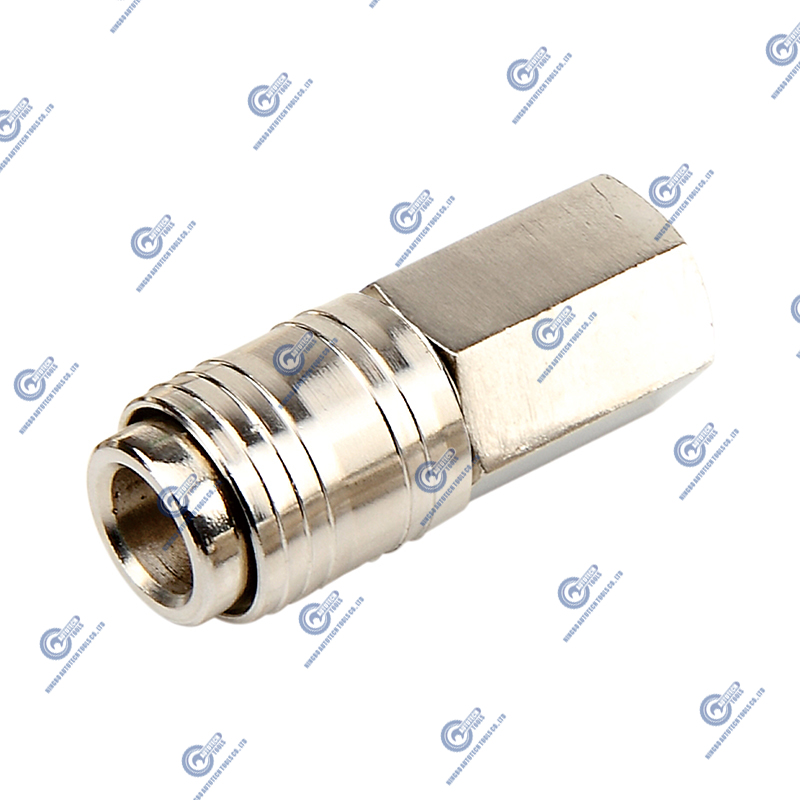
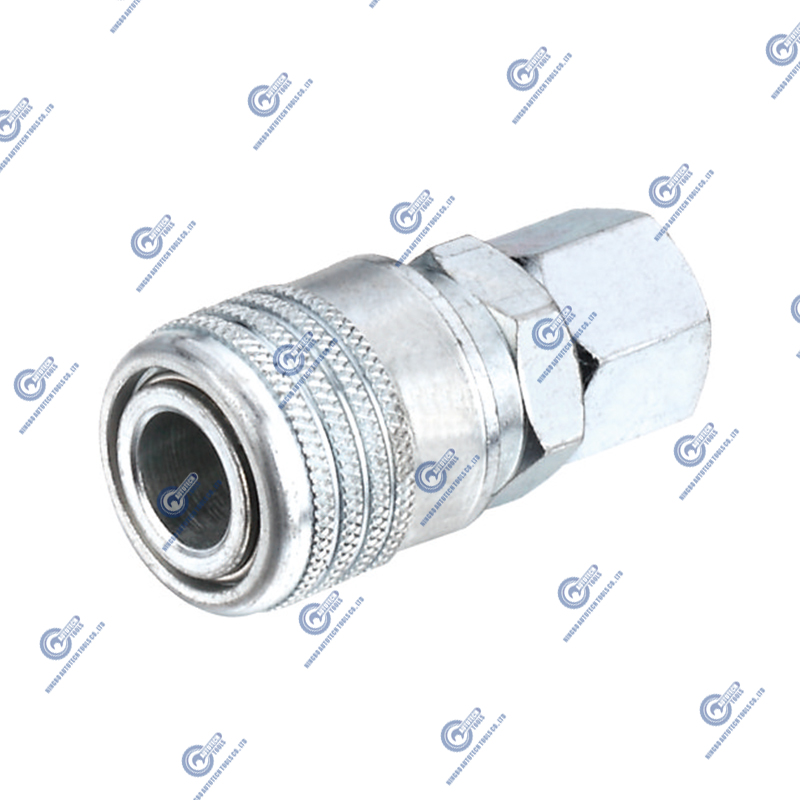
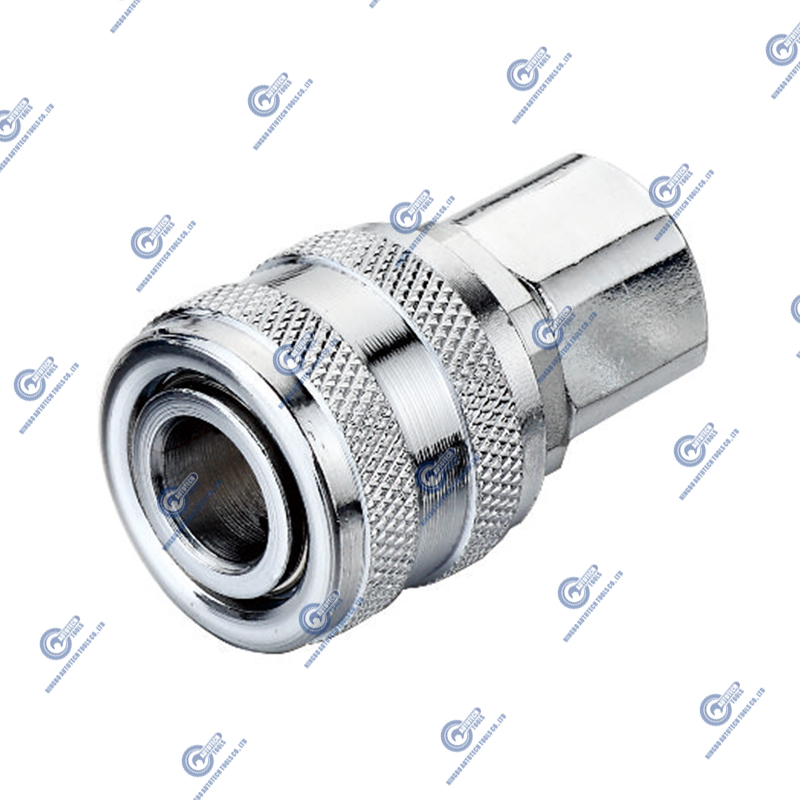
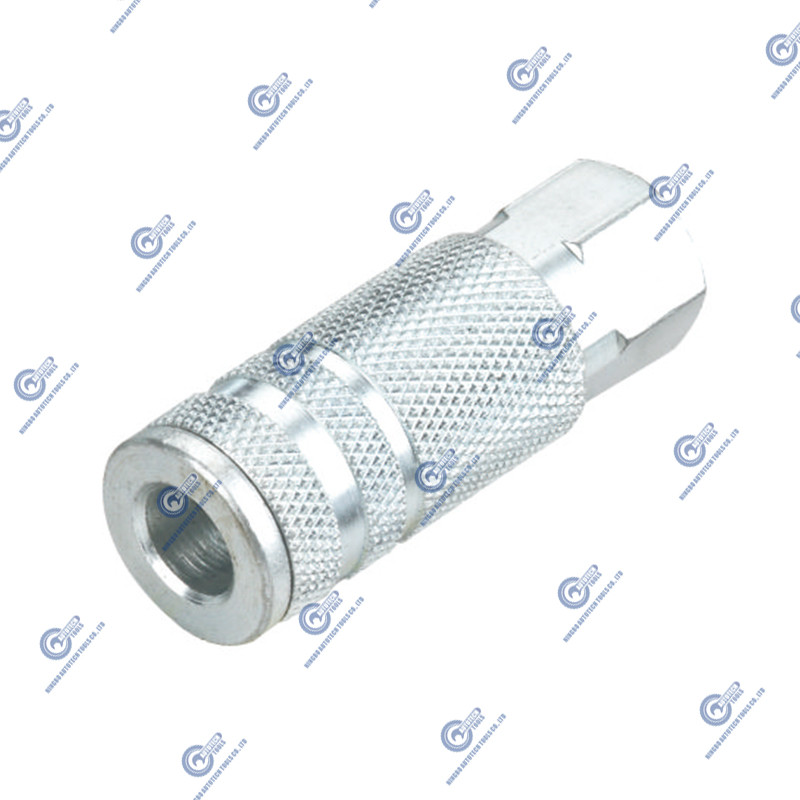

Ningbo Autotech Tools Co.,Ltd was founded in 2014 as a professional manufacturer of tire valves, tire repair tools & air quick couplings.
Product links
Contact Us
-
Address:No.16 Gaoqiang Road, Jiangnan Industrial Zone, Gaoqiao Town, Yinzhou District, Ningbo, China. 315175
-
Tel:+86-0574-89073063
-
E-mail:jimmy@autotechtool.com
