


 English
 Español

News
 Home / News / Industry news / Tire Valves Explained: Types, Fitment, and Reliable Air Retention for Trucks and Cars
Tire Valves Explained: Types, Fitment, and Reliable Air Retention for Trucks and Cars
 2026.10.26
 Industry news
Tire valves are easy to overlook until a slow leak, a stubborn inflation chuck, or a wheel change turns a small part into a workshop headache. In daily driving, fleet service, and OEM assembly, the valve is the sealed gateway between the tire's air chamber and the outside world. It holds pressure, accepts the air chuck, and keeps dust and moisture out. Because the part is small, fitment and material choices matter just as much as the tire itself.
Why Tire Valves Deserve a Place in Your Specification
A tire valve has three jobs: retain air, provide a reliable service connection, and protect the sealing area from contamination. A valve that is dimensionally correct but made with the wrong rubber compound can harden, crack, or leak after repeated heat cycles. A metal valve with the wrong nut torque can damage the rim or lose its seal. That is why experienced buyers look at the whole assembly, not just the valve stem. They check the rim hole, the sealing washer, the cap, the core, and the clearance around the valve. The same logic applies whether the valve is going onto a passenger car, a truck, a motorcycle, or a wheeled piece of construction equipment.
Good valve selection also supports efficient service. A valve that is easy to reach, cap, and inspect is more likely to be maintained properly. A valve that is forced into the wrong rim opening may seal at first and fail later. The difference is rarely dramatic at the start, which is exactly why it pays to get the specification right before the wheel is assembled.
The Main Tire Valve Types and Where They Fit
Tire valve families are usually organized by installation method, vehicle type, and pressure range. The table below gives a practical overview. It is not a substitute for a drawing or a sample check, but it helps narrow the choice before you request a quote or place an order.
| Valve style | Typical use | Key fitment note |
|---|---|---|
| Snap-in tubeless | Passenger car and light-duty tubeless wheels | Fast assembly; verify rim hole size and rubber seal condition. |
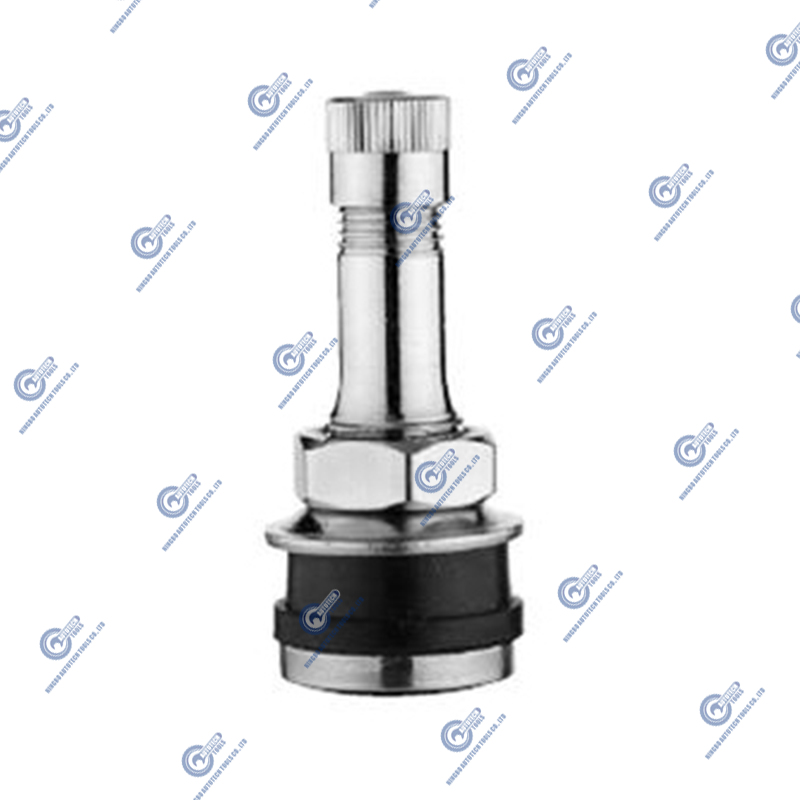
| Clamp-in metal | Passenger, performance, and higher-pressure applications | Metal body and nut secure the valve; correct torque and sealing washer are critical. |
| Rubber base | General tubeless service where a flexible base is preferred | Inspect the base for cracking and confirm proper seating. |
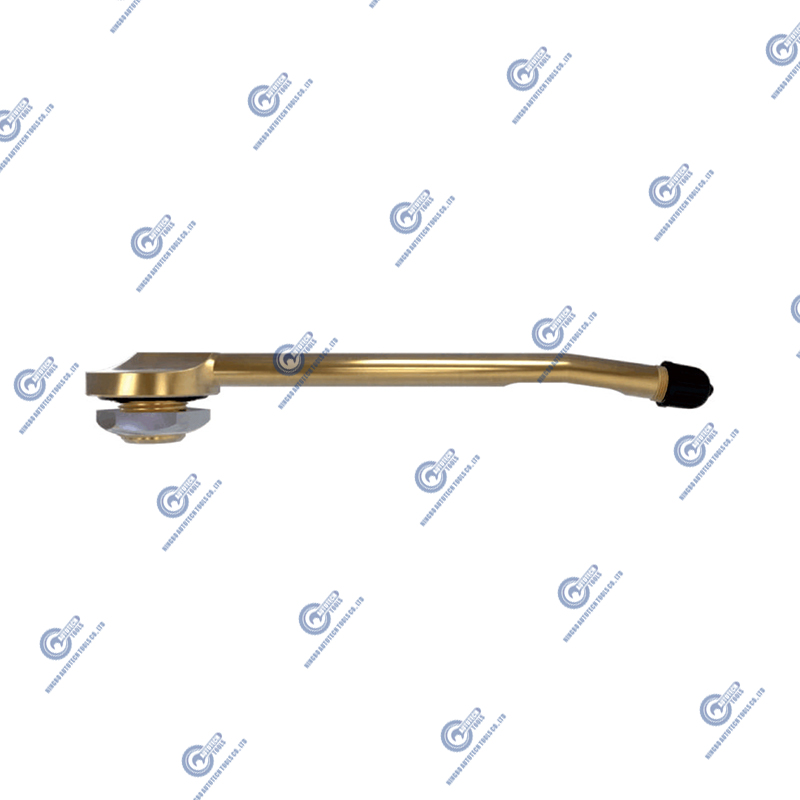
| Truck and bus | Heavy-duty wheels and fleet service | Longer bodies and robust seals suit high-pressure use; dual-wheel clearance matters. |
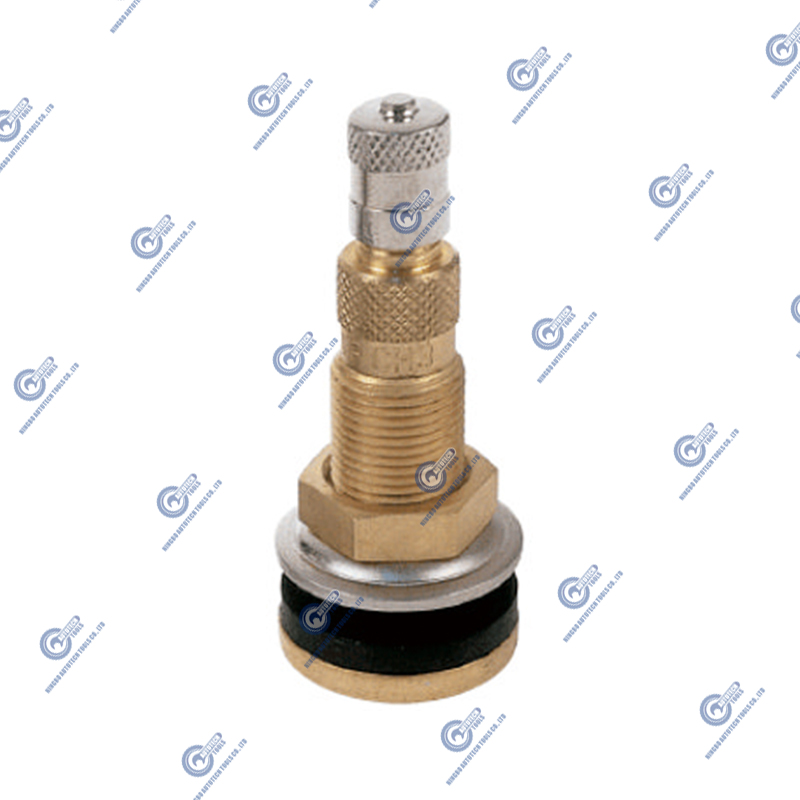
| Screw-on for trucks | Truck applications where a threaded connection is specified | Thread condition and secure tightening affect pressure retention. |
| Motorcycle and high-pressure | Motorcycle wheels and high-pressure systems | Small bore and short body options must match rim and chuck access. |
| Large bore swivel | Large-bore wheels and service positions requiring angle adjustment | Swivel movement should be smooth; check the seal and locking action. |
| European style clamp-in | European rim and vehicle specifications | Match the exact clamp-in profile and nut hardware to the rim. |
| Air chuck valve extension | Reaching valves in tight dual-wheel or deep-rim positions | Extension must seal at both ends and stay clear of moving parts. |
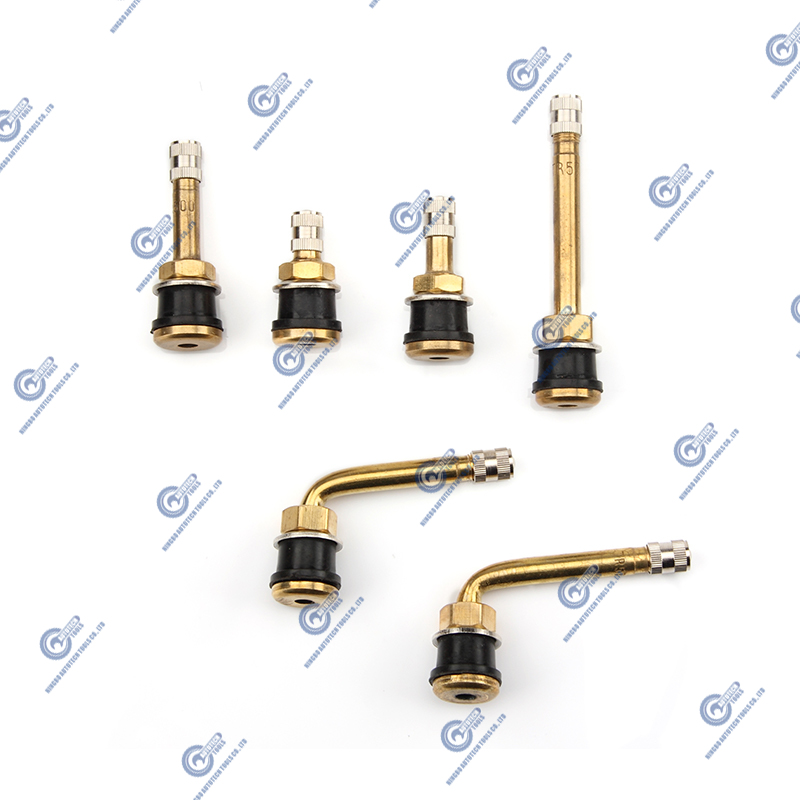
Our own range follows this same logic. It includes snap-in tubeless valves, clamp-in metal valves, truck and bus valves, motorcycle and high-pressure valves, rubber base valves, large bore swivel valves, European style clamp-in valves, screw-on valves for trucks, and air chuck valve extensions. Grouping them this way makes it easier to match a valve to a rim, a vehicle, and a service routine.
Matching Valves to Vehicles, Rims, and Working Conditions
Vehicle and rim details should drive the choice. A passenger car wheel and a heavy truck wheel may both use a tubeless tire, but they do not ask the same thing of a valve.
Automotive and OEM assembly
OEM assembly usually rewards consistency. Snap-in valves suit many passenger car and light-duty tubeless wheels, while clamp-in metal valves are often specified where a more secure metal body or higher pressure capability is needed. For automotive OEM customers, the key is to lock the specification early: rim hole diameter, valve length, cap type, core, and installation method should all be agreed before production begins.
Truck, bus, and high-pressure service
Truck and bus tires put more demands on the valve body, seal, and extension. Dual wheels can also restrict access, so a longer valve or a carefully chosen extension may be needed. Screw-on truck valves and large bore swivel types can help where the service position is awkward, but the thread condition, swivel movement, and seal must be checked. A valve that is hard to reach is often a valve that gets neglected.
Motorcycle, construction, and industrial use
Motorcycle valves and high-pressure valves need a compact fit and a secure seal. Construction machinery and industrial air systems bring another set of conditions: vibration, dust, and frequent service. In these settings, a simple cap and a routine inspection can prevent a small leak from becoming a downtime issue.
Fitment Checks Before You Install or Order
Before you order or install a tire valve, run through a short checklist. It saves returns, rework, and unpleasant surprises at the wheel.
- Confirm the rim hole. Snap-in, clamp-in, and large bore styles do not share the same opening.
- Match the valve to the pressure and vehicle. A passenger car valve is not a truck valve.
- Check length and clearance. Confirm that the cap, chuck, and any extension clear the rim, brake parts, and dual-wheel spacing.
- Inspect the seal and washer. Rubber should be flexible and free from cracks; metal sealing faces should be clean and undamaged.
- Use the right cap. A cap is not decoration. It keeps dust, water, and grit out of the valve core.
- Review torque and installation method. Over-tightening can distort a seal just as easily as under-tightening can leave it loose.
These checks are simple, but they catch most of the common mismatch problems before a wheel is assembled.
Installation and Maintenance Habits That Extend Valve Life
Good installation is partly about technique and partly about respect for the part. Clean the rim area, inspect the old valve, and replace it when the rubber is cracked, the metal is corroded, or the seal has hardened. Use the specified torque. Avoid over-tightening a clamp-in nut to chase a leak, because that can distort the seal or damage the rim. Keep caps on. A missing cap allows dust and moisture into the valve core, and that is a common cause of slow pressure loss.
- Replace the valve when the tire is replaced if the old valve shows age or damage.
- Check the valve core for contamination or a weak spring.
- Look for cracks at the rubber base and corrosion on metal threads.
- Keep extensions and swivel joints clean and properly sealed.
- During fleet service, treat valve inspection as part of the pressure check, not an afterthought.
For fleets, a simple valve replacement interval can be more economical than repeated pressure checks and roadside repairs. For OEM buyers, a stable valve specification reduces assembly variation and warranty risk.
Quality Control, OEM Support, and Custom Tire Valve Programs
As Ningbo Autotech Tools Co., Ltd., we combine manufacturing with international trade. That factory-side view matters when a customer needs a valve that fits a specific rim, a special length, or a custom assembly. Our quality process starts with supplier screening and incoming material inspection. We compare materials and control production so that each batch is stable and traceable. Every batch is tested against the agreed indicators before it leaves. We also support OEM service and custom production for special products.
Our team works with customers in markets including the United States, Germany, Spain, Italy, the United Kingdom, Brazil, and Argentina, and with OEM customers in the automotive and construction machinery sectors. If you are developing a new wheel assembly or sourcing a replacement valve, bring us the drawing, the sample, and the service conditions. That is usually the fastest way to reach a practical specification without forcing a standard part into a non-standard position.
A Simple Way to Choose the Right Tire Valve
Start with the wheel, not the catalog. Note the rim hole, the vehicle type, the pressure range, and the access around the valve. Then choose a valve family that matches those facts, and confirm the small details: seal, cap, core, length, thread, and torque. If the application is unusual, ask for a sample or a custom review rather than forcing a standard part into a non-standard position.
A tire valve does not need to be complicated, but it does need to be right. When it is, it disappears into the background and does its job quietly, which is exactly what a good valve should do.
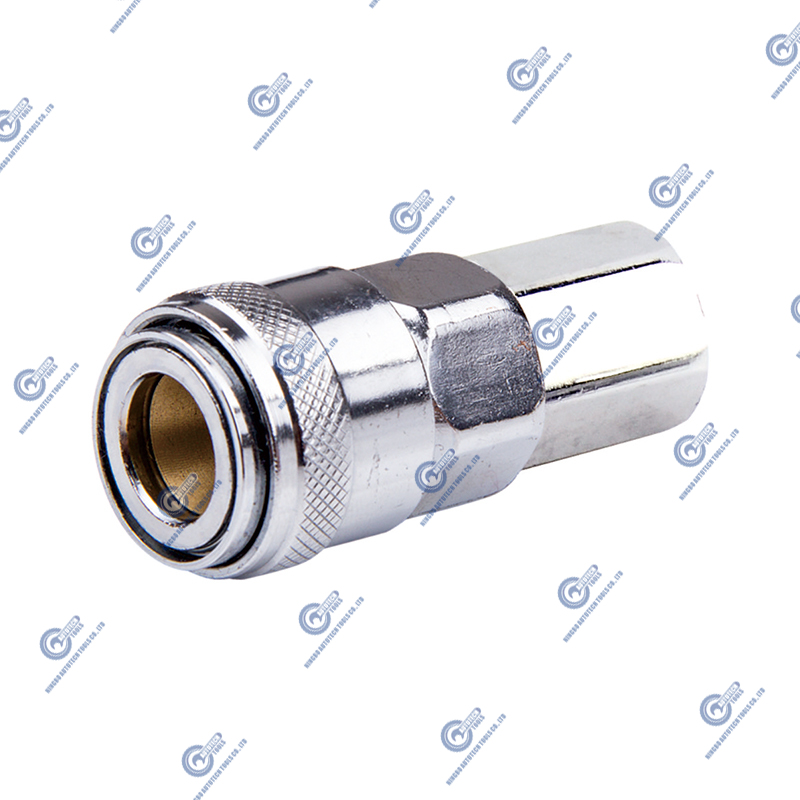
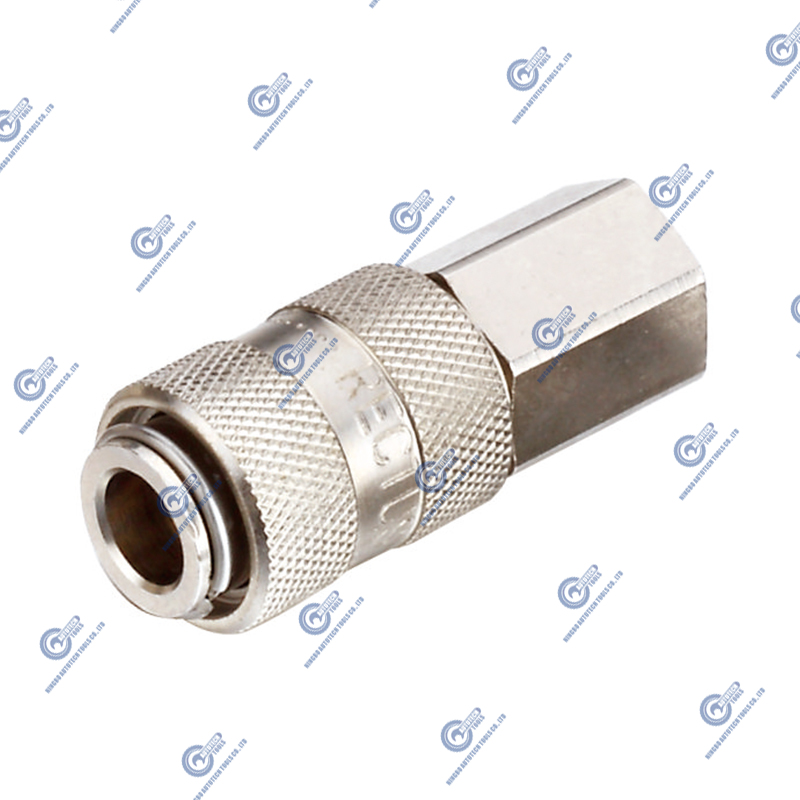
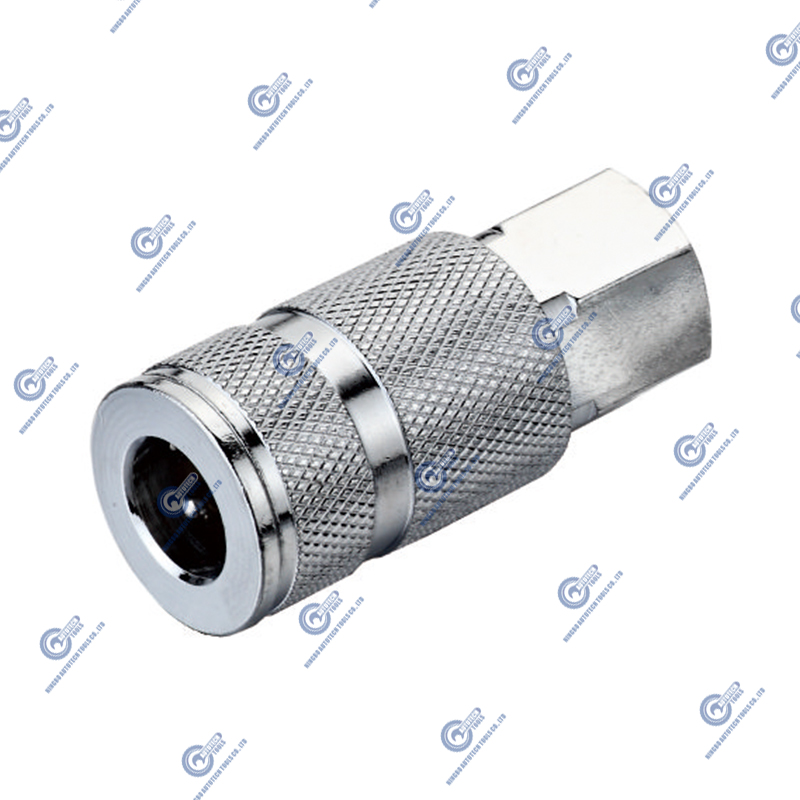
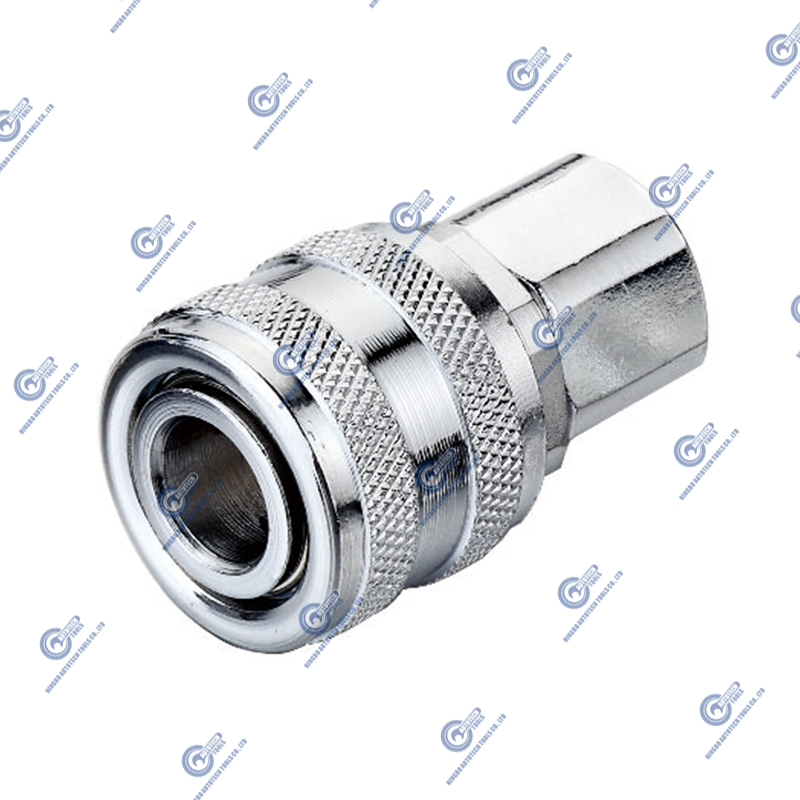

Ningbo Autotech Tools Co.,Ltd was founded in 2014 as a professional manufacturer of tire valves, tire repair tools & air quick couplings.
Product links
Contact Us
-
Address:No.16 Gaoqiang Road, Jiangnan Industrial Zone, Gaoqiao Town, Yinzhou District, Ningbo, China. 315175
-
Tel:+86-0574-89073063
-
E-mail:jimmy@autotechtool.com
