


 English
 Español

News
 Home / News / Industry news / Tire Gauge & Inflator Guide: Choosing, Using, and Maintaining Accurate Air
Tire Gauge & Inflator Guide: Choosing, Using, and Maintaining Accurate Air
 2026.10.19
 Industry news
Tire pressure is one of those small numbers that quietly decides a great deal: how evenly a tire wears, how much fuel a vehicle drinks, how a loaded truck behaves on a wet curve. In plenty of the workshops we talk to, the gauge hanging by the bay door is older than the newest apprentice, and the inflator chuck has been re-taped more than once. No judgement there, because busy shops are busy. But the tire gauge and inflator pair is the least expensive piece of safety equipment on the floor, and it rewards a little attention.
What follows is how we think about the category after years of supplying tire valves, repair tools, and pneumatic fittings to workshops, distributors, and OEM buyers. It is less of a shopping list and more of a way to decide what you actually need before you spend anything.
Start With What the Tire Is Telling You
A tire that runs 20 percent below its rated pressure flexes more with every revolution. That extra flex turns into heat, the heat softens the casing, and the shoulders of the tread scrub away first. On a light passenger car the result is a vague steering feel and a shorter tire life. On a loaded truck or a piece of construction machinery it becomes a genuine safety question, especially in summer heat.
Overinflation causes its own quiet damage. The center of the tread wears faster, the contact patch shrinks, and the carcass becomes less forgiving of potholes and curbs. You do not feel it in the first week. You feel it in the invoice for a premature set of tires.
Two practical notes before any gauge comes out of its case. First, measure cold, meaning before the vehicle has covered more than a couple of kilometers. Second, expect roughly a 1 psi change for every 10 degrees Fahrenheit of ambient temperature shift, so a tire set correctly on a cool morning will read higher after a long highway run. That is normal, and it is not a reason to bleed air out.
Gauges: The Formats Worth Knowing
There is no single best gauge, only a best gauge for a job. A pencil gauge in a delivery van's glovebox is a reasonable choice. The same gauge on a 120 psi truck tire is not.
| Gauge type | Typical range | Best suited to | Practical notes |
|---|---|---|---|
| Pencil / stick | 5–50 psi or 20–120 psi | Quick checks, glovebox backup | Compact and cheap; no bleed valve, harder to read on tall tires |
| Dial with hose | 0–60 psi or 0–160 psi | General workshop bays | Easy to read; needs occasional zero check after drops |
| Digital | Varies by model | Precise readings, record keeping | Clear numbers; battery dependent, so keep a spare |
| Inline gauge on chuck | 0–150 psi or 0–200 psi | High volume inflation work | Accuracy depends heavily on the chuck seal |
| Dual-head foot gauge | 10–150 psi | Truck, bus, heavy equipment | Long hose and reverse head reach dual wheels comfortably |
Resolution, Accuracy, and the Number That Matters
A gauge that reads to 0.1 psi looks impressive, but resolution and accuracy are different things. A sensible working gauge should hold within about one to two percent across its range, which is roughly 0.5 psi at 32 psi. If a shop gauge drifts two psi high, every tire that leaves the bay is two psi under spec, and nobody finds out until the wear pattern shows it six months later. Checking a working gauge against a known master gauge once a year is a cheap habit with a long payback.
Inflators: Matching the Power Source to the Workflow
The inflator question usually comes down to where the work happens. Roadside assistance, a fixed service bay, and a fleet yard each point to a different answer.
| Inflator type | Power source | Typical workload | Limitations |
|---|---|---|---|
| Foot pump with gauge | Manual | Roadside, bicycle and small tires | Slow above 40 psi; tiring on repeated use |
| 12 V portable compressor | Vehicle battery | Passenger cars, emergency top-ups | Long duty cycles cause overheating |
| Cordless inflator | Rechargeable battery | Mobile service, quick top-ups | Battery replacement cost; check duty rating |
| Shop-air inflator with gauge | Compressed air line | High-volume bays, truck tires | Requires dry, regulated air supply |
| Cartridge inflator | CO2 cartridge | Emergencies, cycling | Single use; often no gauge |
One point deserves more attention than it usually gets: air quality. Moisture carried through a shop line ends up inside the tire and inside the gauge mechanism. A simple water trap and a regulator at the point of use protect both, and they cost far less than replacing gauges that fog up every winter.
A Simple Procedure for an Accurate Reading
- Let the tires cool, or accept that a hot reading is a reference figure rather than a specification.
- Look up the vehicle manufacturer's pressure for the actual load, not the maximum printed on the sidewall.
- Remove the valve cap and press the gauge or chuck straight on, not at an angle, to avoid bending the valve core.
- Read the gauge at eye level and write the figure down; memory is a poor record keeper across twenty tires.
- Inflate in short bursts and re-check, rather than holding the trigger and guessing.
- Refit the valve cap. It is a dust seal, and dust is what eventually destroys a valve core.
- If one tire repeatedly needs topping up, test the valve and the bead rather than assuming a puncture.
Where Our Own Work Sits in the Chain
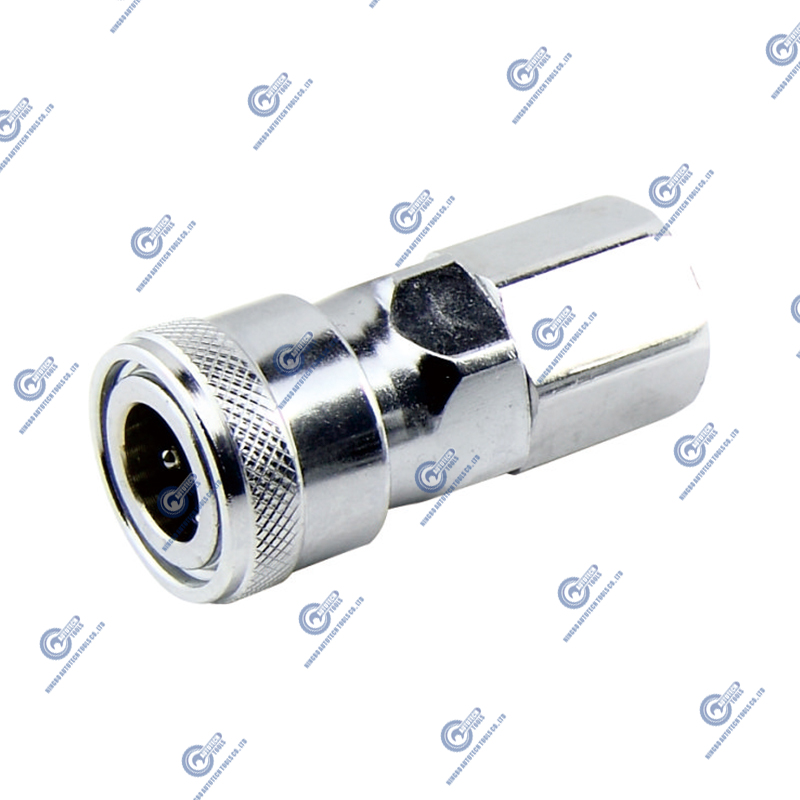
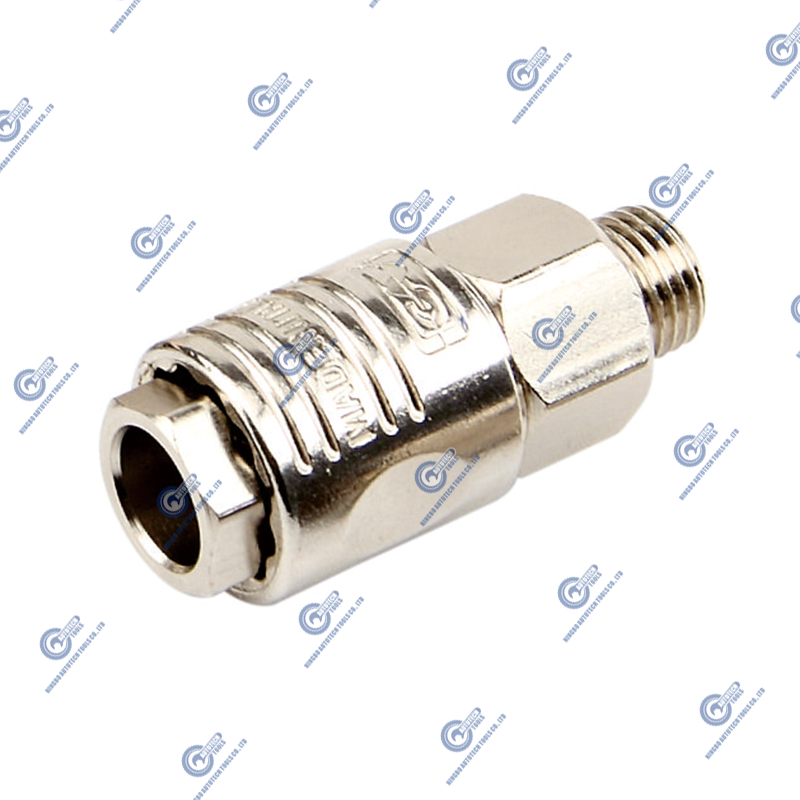
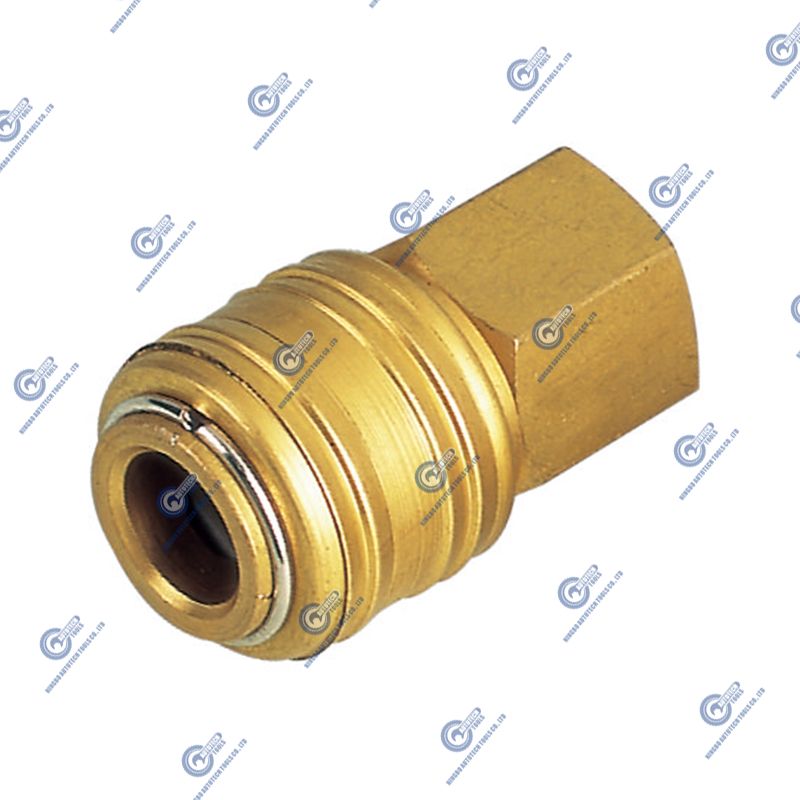
We manufacture tire valves, tire repair tools, and pneumatic couplings, and we export them to markets including the United States, Germany, Spain, Italy, the United Kingdom, Brazil, and Argentina. That places us at the interface between a gauge and the air inside the tire, which is a smaller role than it sounds but a decisive one.
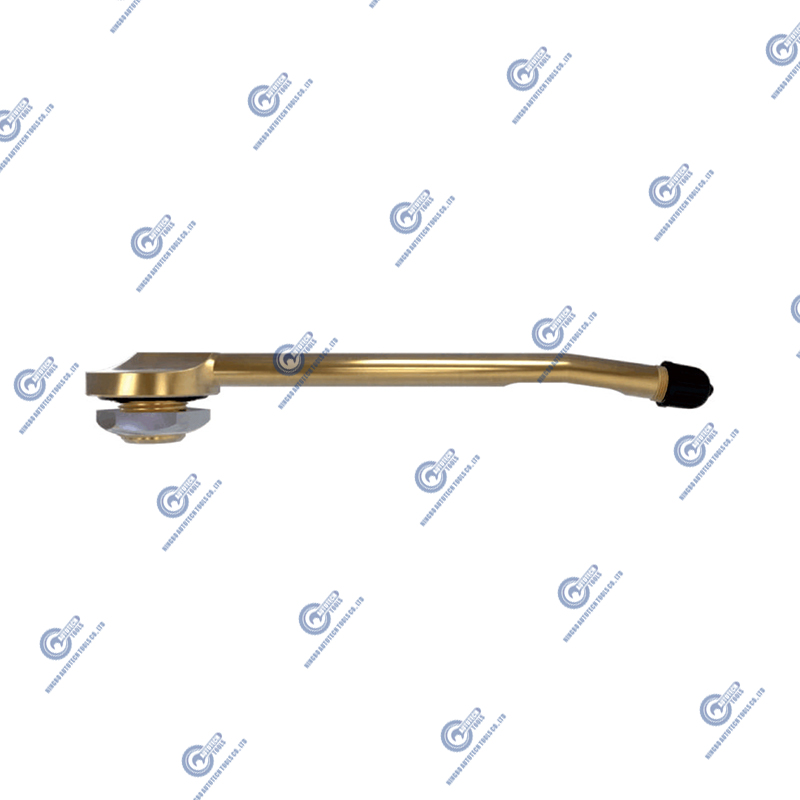
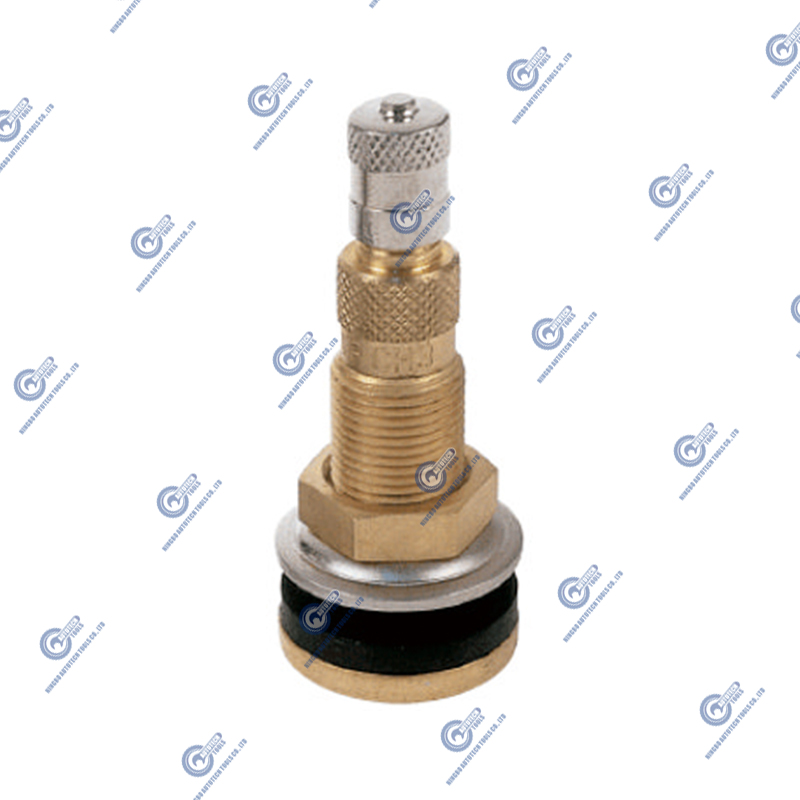
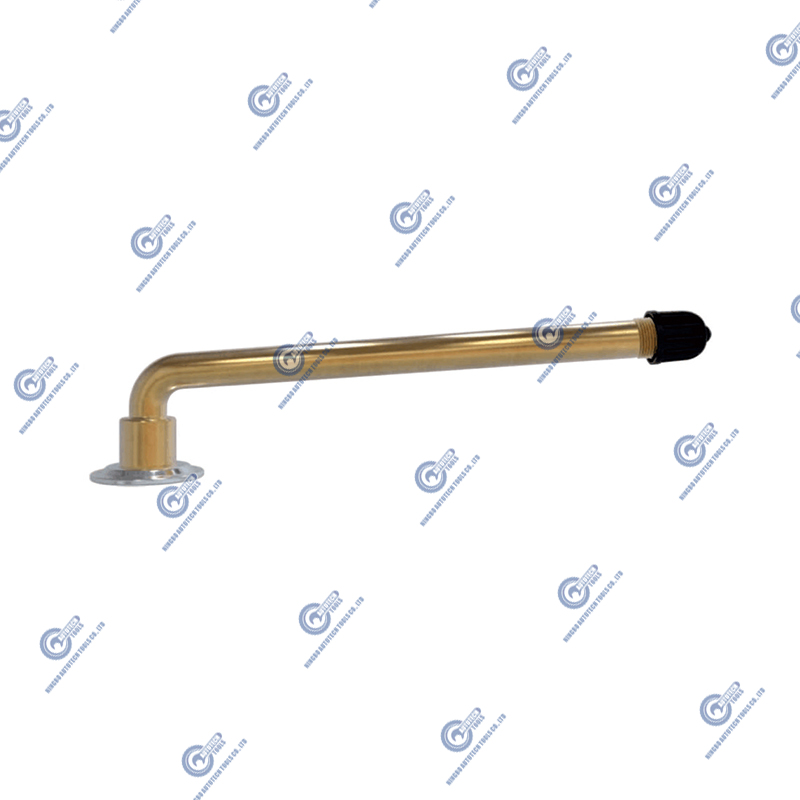
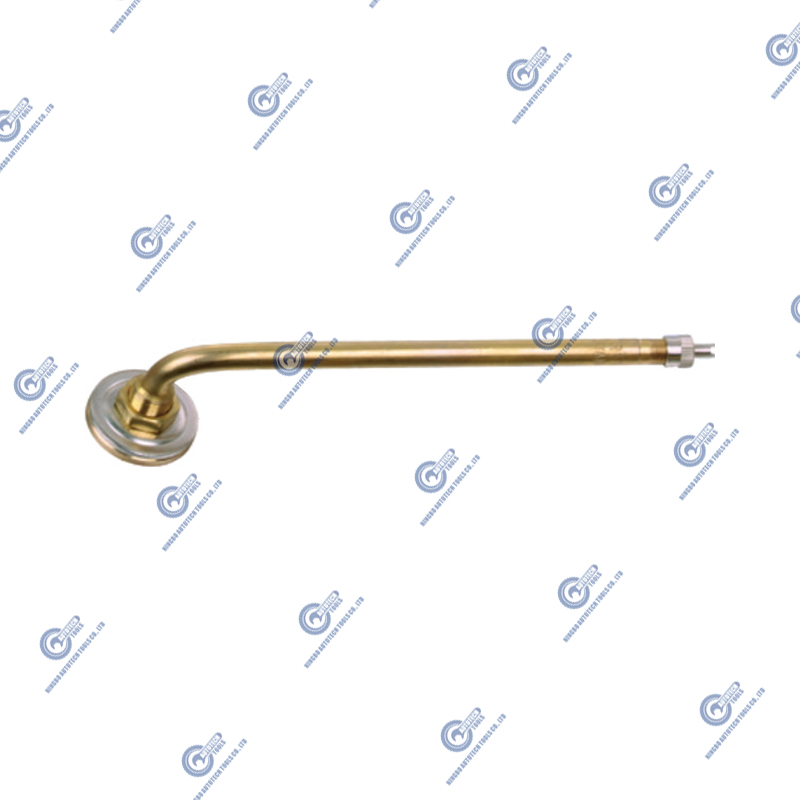
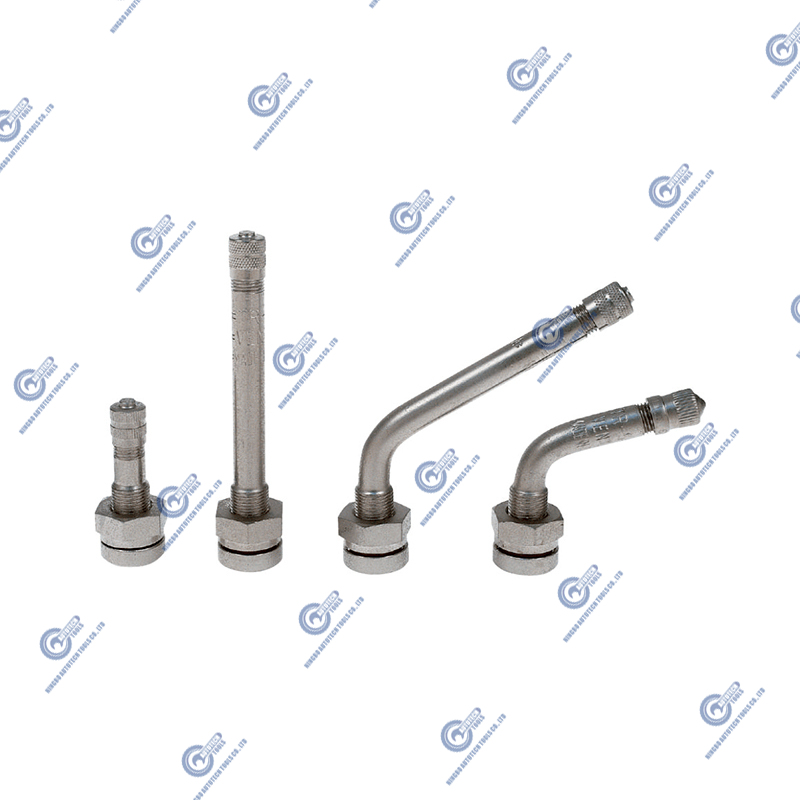
A well-made gauge cannot compensate for a leaking valve core. A top-tier inflator chuck cannot seal against a valve stem that has been chewed up by years of angled pressure. This is why our valve range covers the formats shops actually meet: snap-in tubeless valves, clamp-in metal valves for higher pressure applications, truck and bus valves, motorcycle and high-pressure valves, and air chuck valve extensions for wheels that are awkward to reach. Large bore swivel valves exist for the same practical reason, because reaching a dual wheel should not require a contortion act.
For OEM customers in the automotive and construction machinery sectors, we also handle the less visible side of the job: screening and auditing raw material suppliers, inspecting incoming material, and controlling processes batch by batch so that a specification stays a specification. Custom and special-product production is part of that conversation, since OEM buyers rarely need a catalogue item exactly as drawn.
Maintenance Habits That Keep Readings Honest
- Replace a gauge that has been dropped onto concrete more than once; internal springs do not announce their failure.
- Inspect chuck seals and replace hardened rubber before it starts leaking at the stem.
- Drain compressor tanks and traps regularly, especially in humid months.
- Store gauges out of direct sun; heat and UV age both seals and plastic housings.
- Check hoses and crimp fittings for cracks, which show up as slow pressure loss during inflation.
- Keep a master gauge in the office and compare working gauges against it annually.
Questions Buyers Ask Us Most
Can I trust the gauge built into my inflator?
Usually for a rough reading, less so for a specification. Built-in gauges sit close to the hose and take a beating, and many are not serviceable. Use the inflator to get close, then confirm with a handheld gauge.
How often should a working gauge be replaced?
In a busy bay, plan on an annual comparison against a master gauge and replace anything that has drifted beyond about two percent. In mobile service, where gauges ride in a van all day, the cycle is often shorter.
Does the valve type change what I should buy?
It changes what fits. Clamp-in metal valves on trucks and high-pressure applications need a chuck that seats squarely and holds under load, while snap-in valves suit lighter passenger applications. Matching the chuck to the valve is as important as matching the gauge to the tire.
None of this is complicated, and that is rather the point. A gauge you trust, an inflator that suits the work in front of you, and a valve that seals properly together cover most of what tire pressure management actually requires. Get those three right, check them occasionally, and the tires tend to take care of themselves.
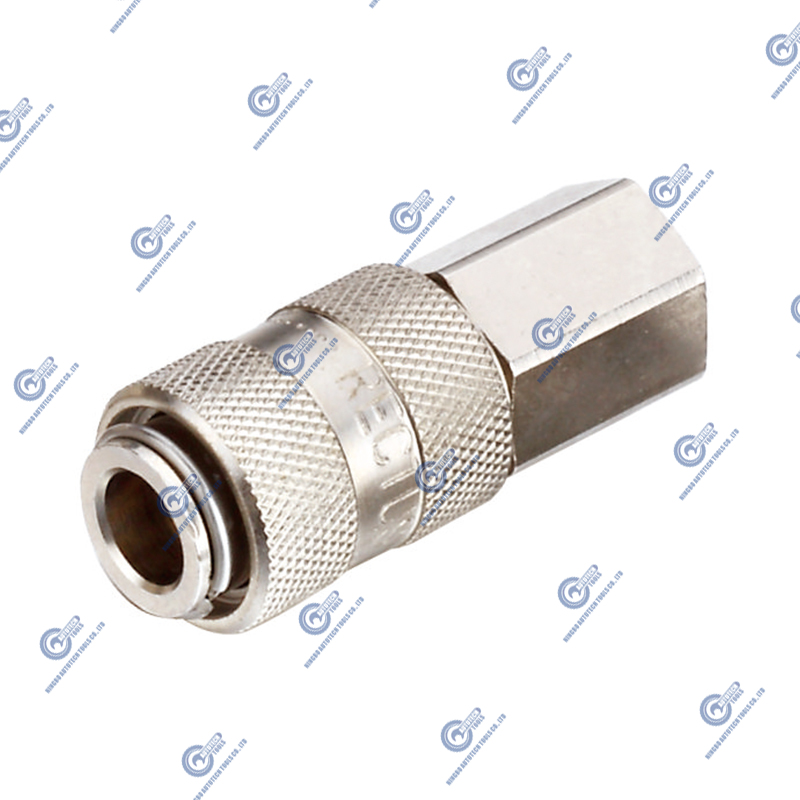
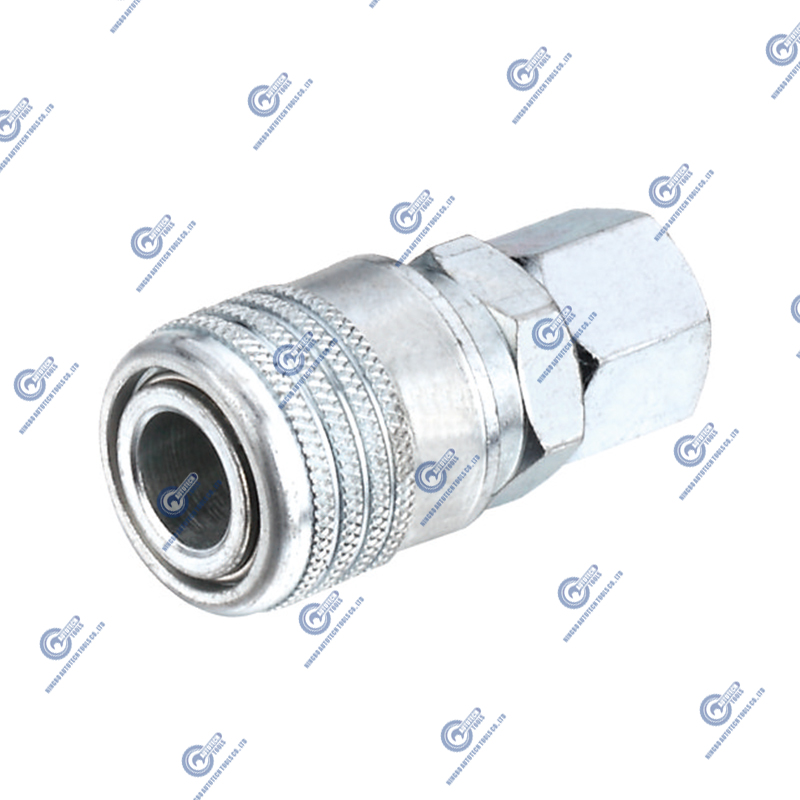
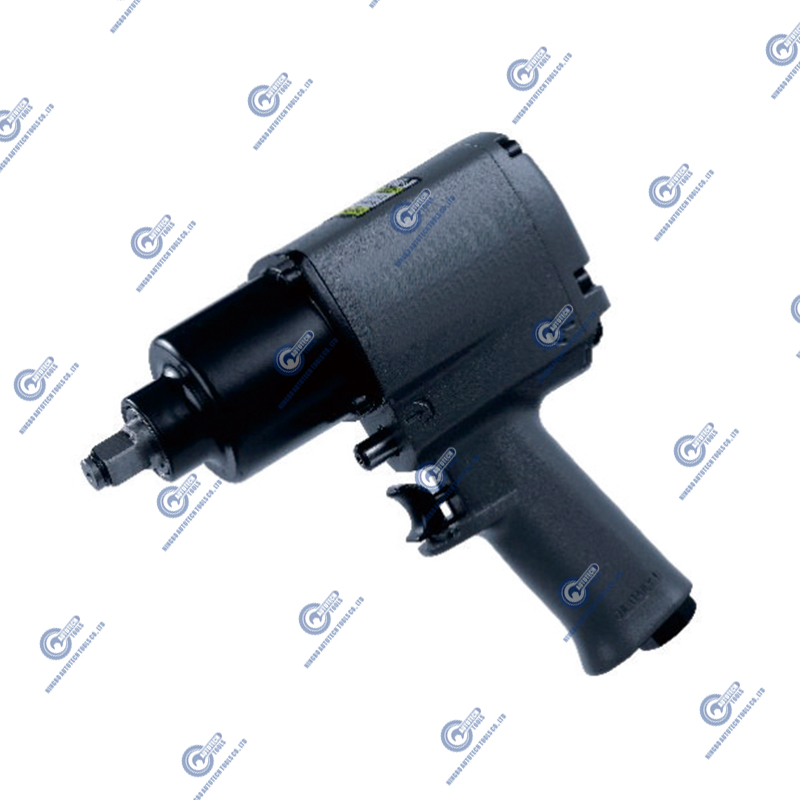
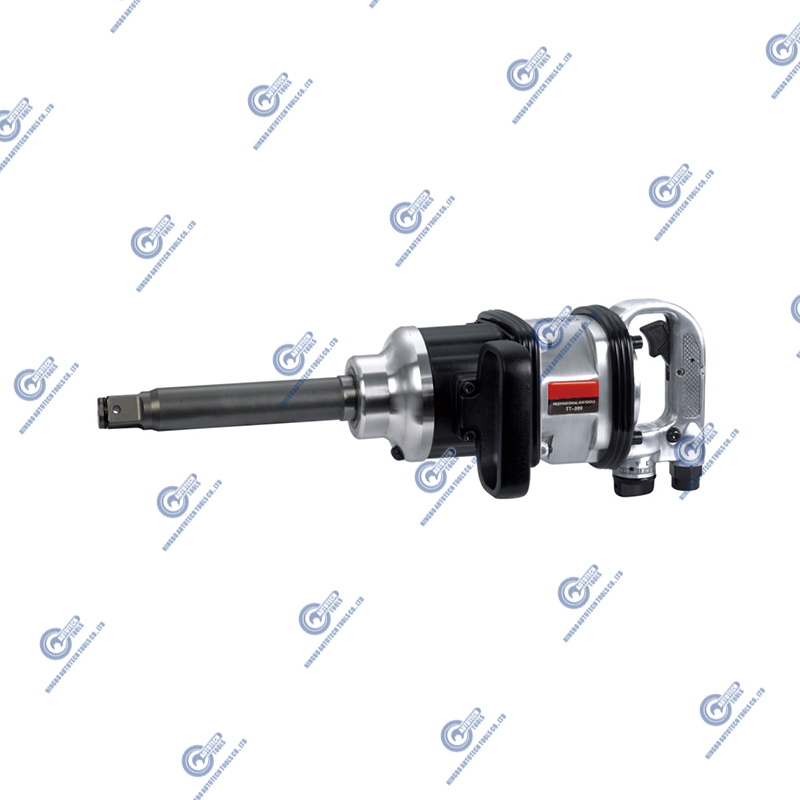

Ningbo Autotech Tools Co.,Ltd was founded in 2014 as a professional manufacturer of tire valves, tire repair tools & air quick couplings.
Product links
Contact Us
-
Address:No.16 Gaoqiang Road, Jiangnan Industrial Zone, Gaoqiao Town, Yinzhou District, Ningbo, China. 315175
-
Tel:+86-0574-89073063
-
E-mail:jimmy@autotechtool.com
