


 English
 Español
News

What Are the Key Features to Look for in a Tire Gauge and Inflator?
 2026.01.26
 Industry news
When you’re maintaining your vehicle, ensuring that your tires are inflated to the correct pressure is a vital aspect of both safety and performance. A Tire Gauge & Inflator is a must-have tool to help you monitor and maintain tire pressure. With numerous models available, choosing the right one can be challenging.
1. Accuracy and Precision
Accurate readings are crucial when it comes to tire maintenance. Incorrect tire pressure can have significant effects on vehicle safety, tire wear, and overall performance. A tire gauge and inflator should give precise readings, typically within a 0.1-0.5 psi range. Most modern digital tire gauges offer superior accuracy compared to traditional analog models. Digital tire gauges are especially beneficial for individuals who require consistent and reliable readings. Moreover, when choosing a model, make sure to check the product’s calibration standards and ensure it is tested for accuracy.
Benefits of Accuracy in Tire Maintenance:
- Reduces tire wear by preventing over- or under-inflation.
- Improves fuel efficiency.
- Enhances driving stability and handling.
- Prevents potential tire blowouts or accidents.
| Type | Accuracy | Pressure Range | Common Use Case |
|---|---|---|---|
| Digital | ±0.1 psi | 0-100 psi | Most accurate, ideal for cars, trucks, and motorcycles |
| Analog | ±0.5 psi | 0-60 psi | Ideal for occasional users or general use |
2. Pressure Range Compatibility
Not all vehicles require the same tire pressure. Passenger cars, for instance, usually have a tire pressure range of 30-35 psi, while larger vehicles like trucks, RVs, or heavy-duty machinery may require pressures over 100 psi. Therefore, it’s essential to choose a tire gauge and inflator that can handle the full spectrum of tire pressures. Some devices come with specialized high-pressure options for larger vehicles, while others are better suited for standard passenger vehicles.
Important Considerations:
- Passenger cars and motorcycles typically need 30-35 psi.
- Commercial vehicles such as trucks, RVs, and trailers require pressures upwards of 80-100 psi.
- Choose a device that can comfortably handle your vehicle’s tire specifications, ensuring flexibility for future needs.
| Vehicle Type | Pressure Range | Recommended Inflator |
|---|---|---|
| Passenger Cars | 30-35 psi | Standard tire inflator |
| SUVs/Trucks | 50-70 psi | High-pressure inflator |
| Heavy Duty Trucks | 80-100 psi | Heavy-duty inflator |
3. Ease of Use
A tire gauge and inflator should be user-friendly, especially for beginners. A simple and intuitive interface will save you time and effort when checking tire pressure. Many modern devices feature digital displays, which are easier to read than analog dials. Additionally, consider how the device is handled. Inflators with ergonomic grips make the process more comfortable, while those with longer hoses allow you to reach all the tires without repositioning the tool multiple times.
Features that Make a Tire Gauge and Inflator Easy to Use:
- Digital Displays: Large, clear numbers are easier to read.
- Ergonomic Handles: Prevents hand fatigue.
- Long Hoses: Allows for easier access to hard-to-reach tires.
- One-Button Operation: Simplifies the inflation process.
| Feature | Advantage |
|---|---|
| Digital Display | Easy-to-read numbers |
| Ergonomic Grip | Comfort during use |
| One-Button Operation | Quick and easy inflation |
4. Inflation Speed and Power Source
Inflating your tires quickly is important, especially in emergencies or when dealing with multiple tires. The speed of inflation depends largely on the airflow rate, measured in CFM (cubic feet per minute). Higher airflow means faster inflation. Additionally, consider how the inflator gets its power. 12V DC inflators connect to your vehicle’s power outlet, while AC-powered models can be used at home. Some models also feature rechargeable batteries, providing more flexibility for on-the-go use.
Inflation Speed and Power Source Breakdown:
- 12V DC models: Ideal for use in the car, usually slower but convenient.
- AC-powered models: Better for home use but require a wall outlet.
- Rechargeable models: Offer maximum portability.
| Power Source | Inflation Speed | Best Use Case |
|---|---|---|
| 12V DC | Medium | On-the-go, car use |
| AC | Fast | Home use, high-frequency use |
| Rechargeable | Fast | On-the-go, portable |
5. Durability and Build Quality
A tire gauge and inflator is an investment that should last for years, so durability is key. Look for a product made of high-quality materials, such as steel or heavy-duty plastic. These materials not only make the device more robust but also ensure it can withstand occasional drops, bumps, or exposure to harsh weather. Additionally, overheat protection and overuse safeguards are critical features that prevent the device from breaking down during heavy or prolonged use.
Durability Tips:
- Choose inflators with metallic housing for greater longevity.
- Models with overheat protection extend the life of your device.
- Look for inflators with impact-resistant casing to handle drops or bumps.
| Material | Durability | Advantage |
|---|---|---|
| Steel | High | Robust and long-lasting |
| Heavy-duty Plastic | Moderate | Lightweight but still durable |
| Rubber Coated | Moderate | Shockproof, resistant to wear |
6. Portability and Storage
Having a tire gauge and inflator that’s portable and easy to store is essential for vehicle owners. Whether you need to store it in your car or garage, a compact and lightweight design can make the tool more convenient. Many inflators come with storage cases or have built-in compartments to keep all accessories in one place. This helps prevent losing parts like adaptors or hoses. The device should also be lightweight enough to carry around without causing strain.
Portability Features:
- Compact Design: Easy to store in small spaces like your car’s trunk.
- Built-in Storage: Keeps all accessories organized.
- Carrying Handles: Makes the device easier to transport.
| Feature | Benefit |
|---|---|
| Compact Design | Space-saving storage |
| Built-in Storage | Keeps accessories organized |
| Lightweight | Easy to carry |
7. Integrated Features (Digital Display, LED Light, Auto Shut-Off)
In modern tire inflators, additional features are becoming standard. Digital displays ensure accurate readings, while LED lights allow for inflation in low-light conditions, especially useful when you’re dealing with a flat tire at night. Auto shut-off is another convenient feature that stops the inflator once the desired pressure is reached, preventing over-inflation and saving you time.
Added Features for Convenience:
- Auto Shut-Off: Prevents over-inflation and makes the process hands-free.
- LED Lights: Useful for night-time tire checks.
- Digital Pressure Monitoring: Displays real-time pressure for precision.
| Feature | Function |
|---|---|
| Auto Shut-Off | Stops the device at the set pressure |
| LED Light | Illuminates for night-time use |
| Digital Monitoring | Provides real-time updates of tire pressure |
8. Versatility for Different Types of Tires
A versatile tire gauge and inflator can handle a range of tire types, from passenger cars to bicycles and RVs. Some models come with multiple nozzle adapters for inflating tires of different sizes or types. This feature is beneficial if you have multiple vehicles or equipment that require tire inflation, as it allows you to use the same device across various applications.
| Vehicle Type | Adapter Needed | Pressure Range |
|---|---|---|
| Cars | Standard | 30-35 psi |
| Motorcycles | Small nozzle | 30-40 psi |
| RVs | Large nozzle | 80-100 psi |
9. Price vs. Quality
While it’s tempting to choose the cheapest tire inflator, the best value often comes from investing in a mid-to-high-range model. A slightly higher price tag can ensure that you’re getting a durable, accurate, and feature-rich product that will last longer and provide better results. Look for products from reputable brands with good customer reviews, as this is often a better indicator of quality than simply comparing prices.
10. Warranty and Customer Support
A strong warranty indicates that the manufacturer stands behind their product. Many high-quality tire gauges and inflators offer 1 to 2-year warranties to give you peace of mind. Additionally, choosing a brand with good customer support ensures that you can resolve any issues or concerns quickly.
FAQ
Q1: How often should I check my tire pressure with a tire gauge and inflator?
A: It’s recommended to check your tire pressure at least once a month, and before long road trips. This ensures optimal tire health and improves safety.
Q2: Can I use a tire inflator for all types of tires?
A: Most modern inflators are versatile and can be used on a wide range of vehicles, from cars and motorcycles to bicycles and RVs, with the proper adapters.
Q3: What should I do if my tire inflator isn’t inflating properly?
A: Ensure the hose is securely attached to the valve stem, check for blockages, and verify the power source. If the issue persists, contact customer support or consult the warranty for repairs.
References
- National Highway Traffic Safety Administration – Importance of Proper Tire Inflation.
- Consumer Reports – Tire Gauges and Inflators: What to Look For.
- Tire Safety and Maintenance – Tire Pressure and Fuel Efficiency.
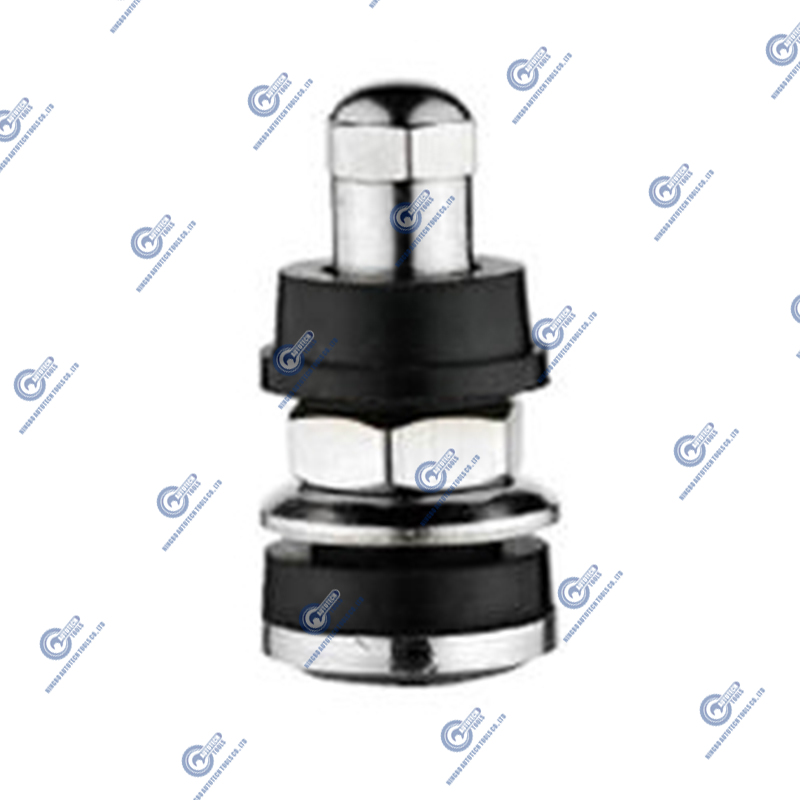
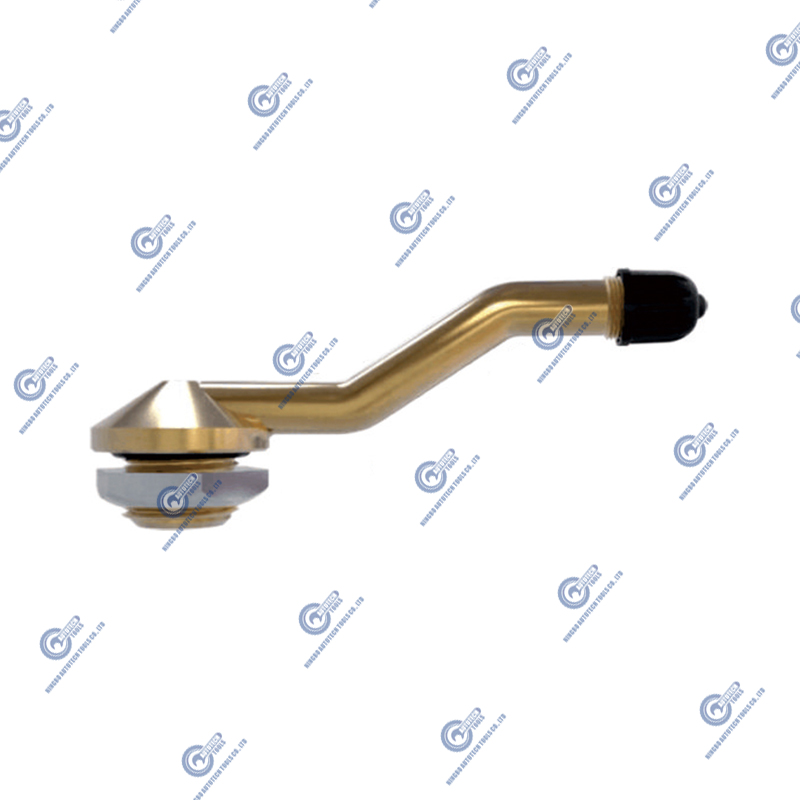
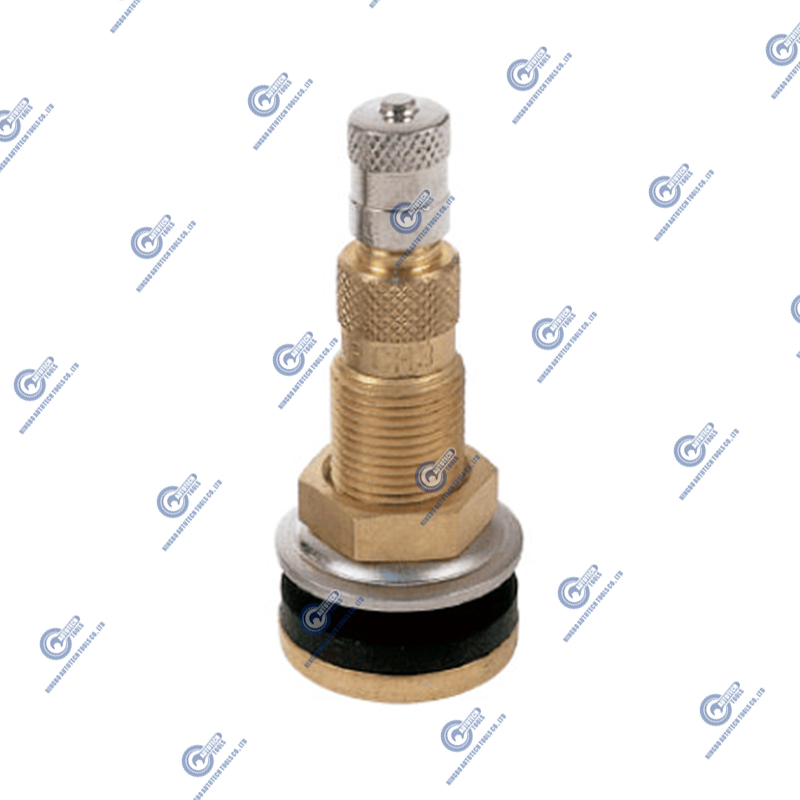
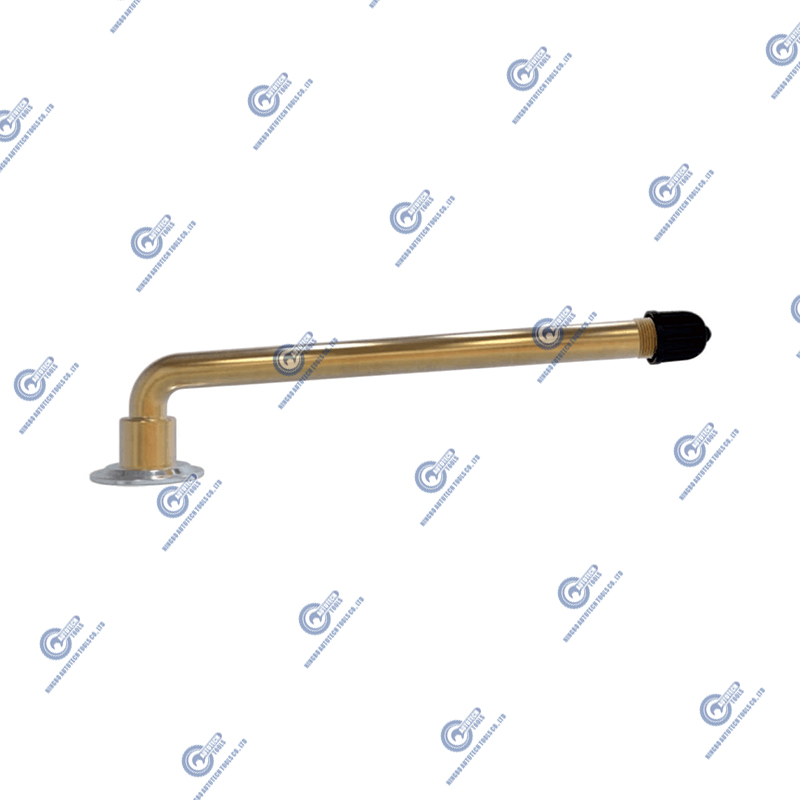
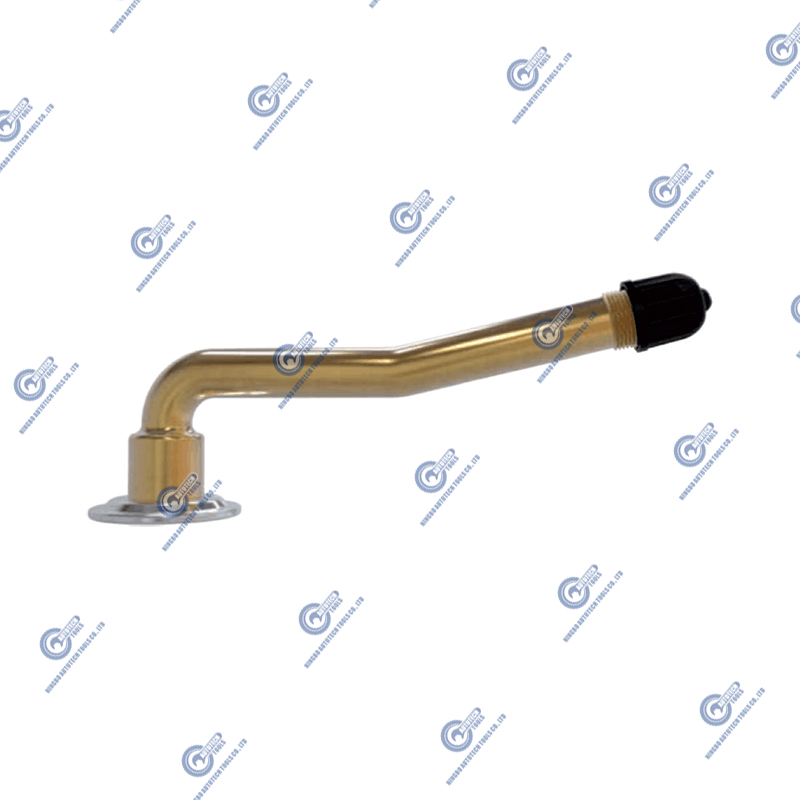
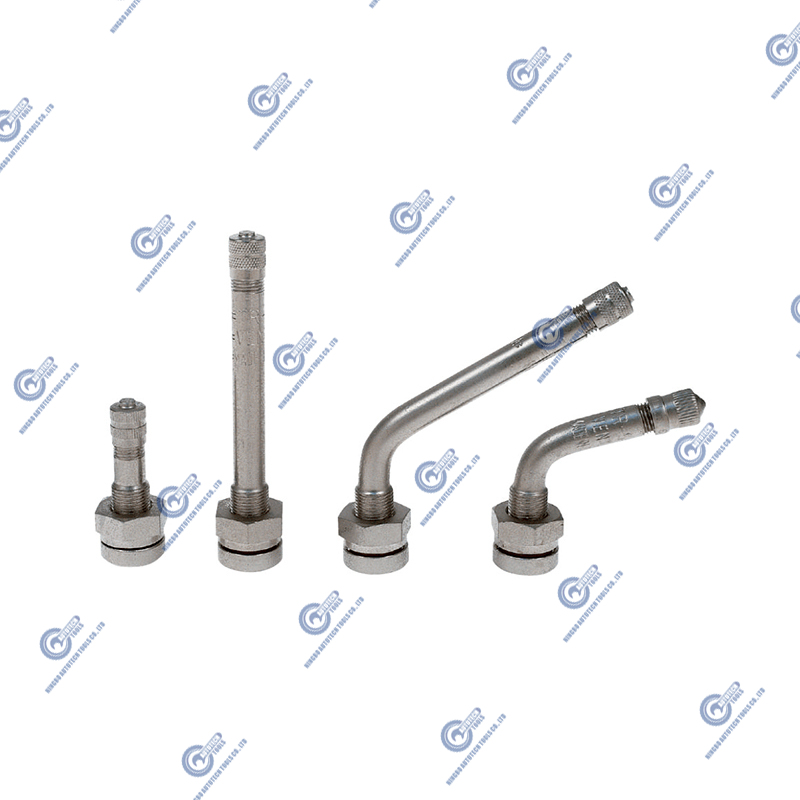
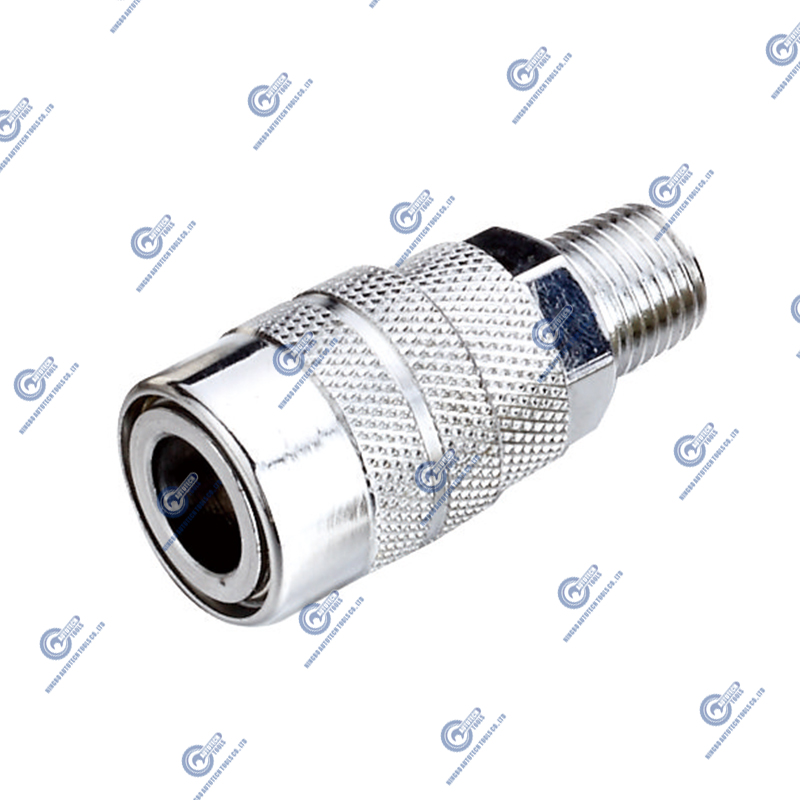
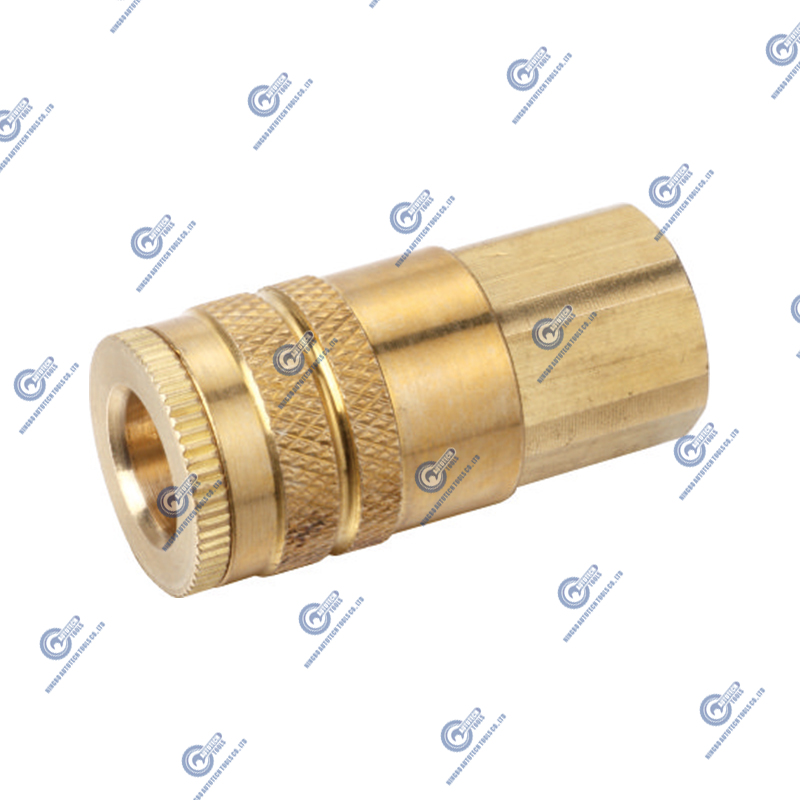
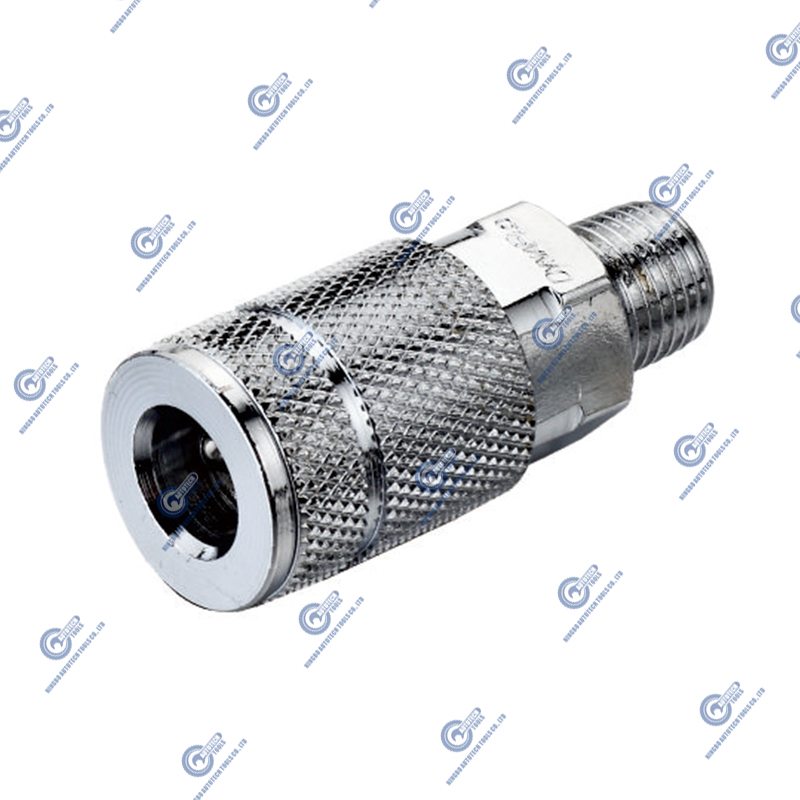
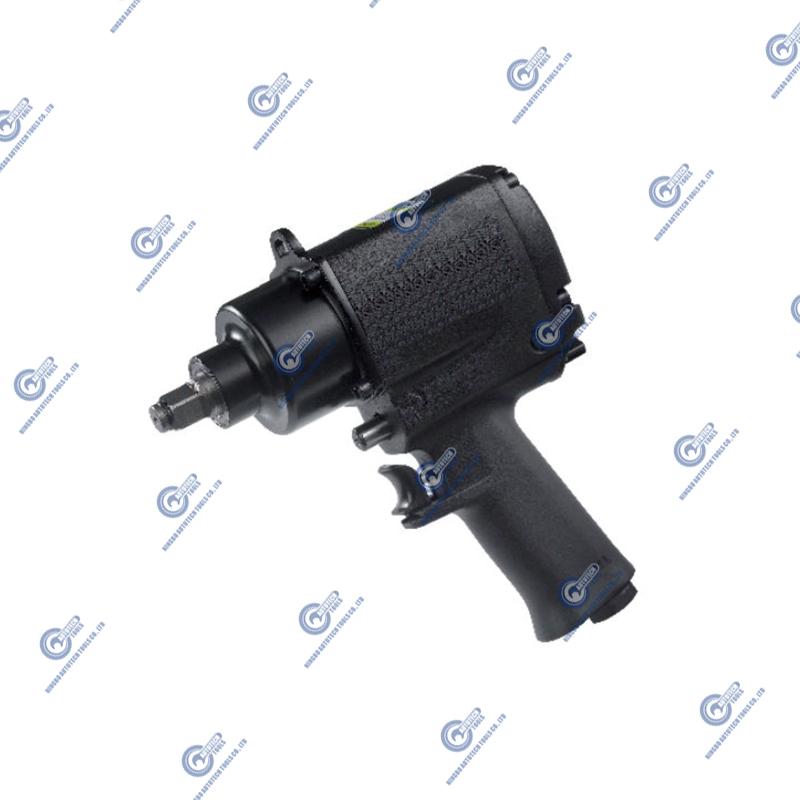
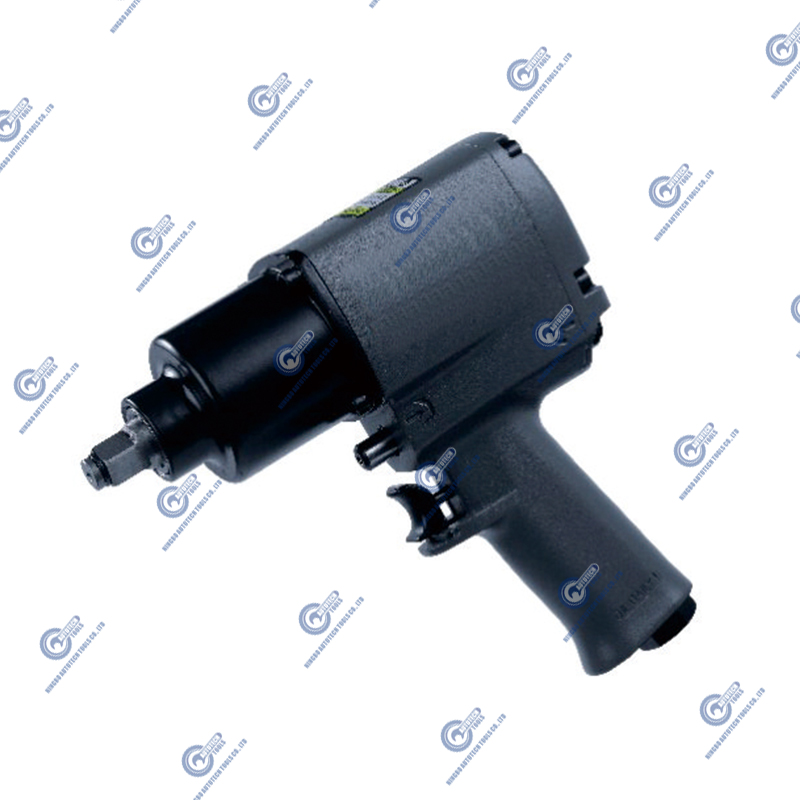
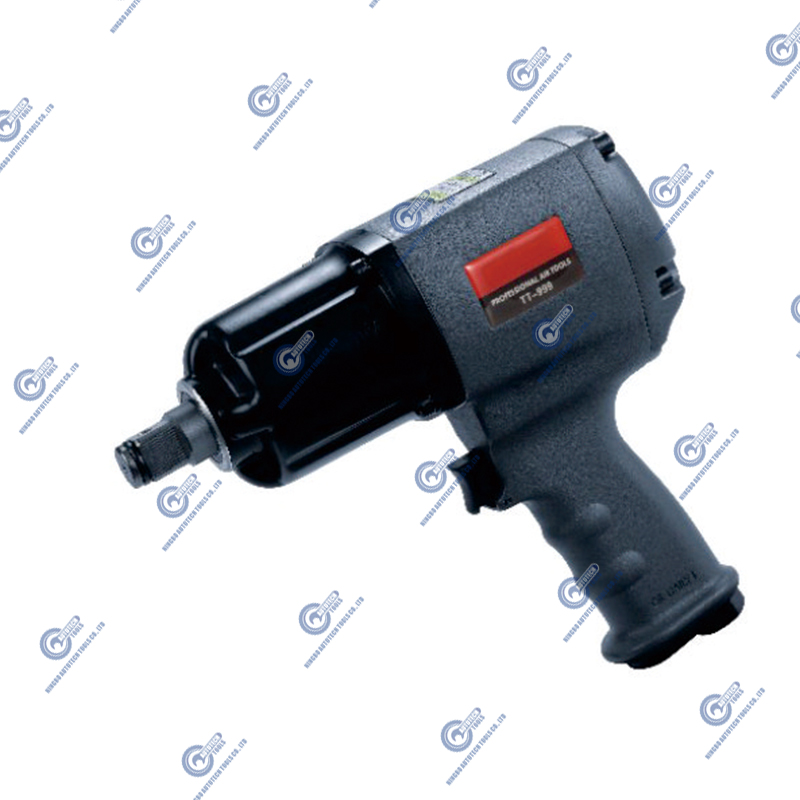

Ningbo Autotech Tools Co.,Ltd was founded in 2014 as a professional manufacturer of tire valves, tire repair tools & air quick couplings.
Product links
Contact Us
-
Address:No.16 Gaoqiang Road, Jiangnan Industrial Zone, Gaoqiao Town, Yinzhou District, Ningbo, China. 315175
-
Tel:+86-0574-89073063
-
E-mail:jimmy@autotechtool.com
