


 English
 Español
News
 Home / News / Industry news / What Are the Safety Considerations When Installing Couplers and Plugs?
 What Are the Safety Considerations When Installing Couplers and Plugs?
 2026.01.12
 Industry news
Installing couplers and plugs requires careful attention to safety, as improper handling can lead to serious hazards like electrical shocks, equipment damage, or even fire. These components are essential for creating reliable connections in electrical, automotive, industrial, and telecommunications systems. Ensuring a safe installation process is crucial to maintaining the integrity of the system and the safety of personnel.
1. Check the Compatibility of Coupler and Plug
Before beginning the installation, it is vital to check that the coupler and plug are compatible. The size, voltage rating, and type of connection should all align with the application they are intended for. Using incompatible components can lead to several issues, such as overheating, improper grounding, or poor connections that increase the risk of system failure. In many cases, coupling components are designed with specific tolerance levels for certain voltage, current, and environmental factors. Using components that do not meet these specifications may lead to sparks, fires, or even catastrophic system failures.
For example, if the coupler and plug are rated for low voltage but are used in a high-voltage environment, the components may not be able to withstand the load, potentially causing them to overheat or degrade. Always refer to the manufacturer’s guidelines to verify compatibility before proceeding with installation. Additionally, confirm that all components are rated for the specific conditions of the installation site, such as exposure to extreme temperatures, humidity, or other environmental factors.
2. Ensure the Power is Off
A critical safety consideration is to always ensure the power is turned off before starting the installation of couplers and plugs. Electrical systems can pose serious risks, including electric shock, fires, or even fatalities if power is not properly deactivated. It is essential to verify that the circuit is fully de-energized using an appropriate voltage detector.
Even if the power has been turned off, it is good practice to wear personal protective equipment (PPE) such as insulated gloves, boots, and goggles to provide extra protection. Additionally, make sure that the area is properly grounded before touching any electrical components. Never assume that the circuit is turned off just because a switch has been flipped. Always double-check to ensure the system is completely de-energized. Additionally, if you are working on a live circuit (which is not recommended unless absolutely necessary), follow strict lockout-tagout procedures and ensure you have the proper protective equipment.
3. Inspect the Condition of the Coupler and Plug
Before installing couplers and plugs, thoroughly inspect them for any visible damage, wear, or degradation. Components with cracks, broken seals, exposed wires, or corrosion can pose a serious safety risk when installed. A damaged coupler or plug can result in poor electrical connections, causing overheating, sparking, or even short-circuiting.
Look for any visible signs of wear, such as scorched areas, cracked insulation, or rust around metallic parts. If any component shows signs of damage, do not attempt to install it. Instead, replace it with a new, undamaged part. Additionally, check the terminals for cleanliness, ensuring they are free from dirt, moisture, or grease, as these can also cause connection issues or lead to arcing.
4. Use Proper Tools
Using the correct tools during installation is essential for ensuring the safety and effectiveness of the connection. Using improper tools can lead to mistakes like over-tightening or damaging the components, which can create hazards. Specific tools, such as crimping tools, torque wrenches, and insulated screwdrivers, should be used to handle couplers and plugs properly. Using general tools or tools that are not designed for electrical work can compromise the integrity of the installation.
The importance of using the right tools is highlighted in the table below, which compares the tools typically used in coupler and plug installation:
| Tool | Purpose | Importance for Safety |
|---|---|---|
| Insulated Screwdriver | Tightening screws and securing terminals | Prevents accidental electric shock by isolating conductive parts. |
| Torque Wrench | Ensures components are fastened to the correct tightness | Prevents over-tightening, which can damage components and cause failures. |
| Crimping Tool | Used to securely attach plugs to cables | Ensures a solid, permanent connection, reducing the risk of loose connections. |
| Voltage Detector | Tests whether power is still running through the system | Ensures the circuit is safe to work on, preventing electric shock. |
By using the right tools for each task, you minimize the chances of creating weak points in the electrical system that could fail later and compromise safety.
5. Follow Manufacturer Guidelines
Every manufacturer provides specific instructions for installing couplers and plugs, including the types of tools to use, torque settings, and other installation parameters. Following these guidelines ensures that the components are installed in the safest and most effective manner. Manufacturer instructions often include important information about the correct electrical ratings, temperature tolerances, and environmental considerations for the installation.
Many manufacturers will also provide diagrams or technical drawings to ensure proper alignment of components. Failure to follow these guidelines can result in improper connections, increased risk of failure, or even violations of safety standards, which could lead to accidents or equipment damage. By strictly adhering to the manufacturer’s instructions, you are following a tried and tested approach to safe installation.
6. Avoid Overloading the Connections
Overloading a coupler or plug can result in overheating, which can cause serious damage to the electrical system, potentially leading to fires or equipment malfunction. Each coupler and plug has a specific current and voltage rating, and exceeding these limits can cause the components to fail.
To avoid overloading, make sure that the electrical load connected to the coupler or plug does not exceed its rated capacity. Use appropriate circuit protection devices such as fuses or circuit breakers to protect against overloads. For example, a 10-amp coupler should only be used for circuits drawing 10 amps or less. If the load is too high, replace the coupler and plug with a higher-rated component or redistribute the load across multiple circuits to reduce the risk of overheating.
7. Proper Grounding
Grounding is a critical safety feature when installing couplers and plugs in electrical systems. Grounding provides a path for electrical current to safely dissipate into the earth in the event of a short circuit or electrical fault. Without proper grounding, a system is prone to power surges, electrical shocks, or fire hazards.
Ensure that all connections are grounded correctly, and verify that the ground wire is securely attached to a proper grounding point, such as a metal conduit or grounding rod. Use ground fault circuit interrupters (GFCIs) where appropriate to provide an added layer of protection. Also, avoid using any components that do not include built-in grounding features, as this can leave the system vulnerable to electrical faults.
8. Regular Inspections and Maintenance
Once couplers and plugs have been installed, regular maintenance and inspections are essential to ensure continued safety. Over time, electrical components can wear out, loosen, or corrode, which can create dangerous conditions. Inspect couplers and plugs periodically to ensure they remain secure and free of any damage.
Check for signs of heat damage, discoloration, or any smell of burning, which may indicate overheating. Ensure that the connections remain tight, and replace any components that show signs of wear. Regular inspections and prompt repairs help prevent potential hazards from escalating and ensure the continued safe operation of the system.
FAQ
Q1: Can I install couplers and plugs in live circuits?
It is highly recommended that you never install couplers and plugs in live circuits. Always ensure the power is turned off before starting the installation. If the circuit must remain live, make sure to use appropriate PPE and follow all safety protocols.
Q2: How can I tell if a coupler or plug is faulty?
Inspect the components for cracks, discoloration, or visible damage. Any signs of wear, such as loose connectors or overheating, indicate that the component should be replaced immediately.
Q3: Are there specific couplers and plugs for outdoor use?
Yes, there are specially designed couplers and plugs for outdoor use, which are resistant to moisture, dust, and extreme weather conditions. Ensure that these components are rated for the environment in which they will be used.
Q4: What tools do I need to install couplers and plugs?
Basic tools include insulated screwdrivers, torque wrenches, crimping tools, and voltage testers. Make sure the tools are specifically designed for electrical work to minimize risk.
References
- IEC Standards for Electrical Installations – International Electrotechnical Commission.
- Electrical Safety Handbook – John Cadick, Peter J. Adams, and Dennis K. Neitzel.
- NFPA 70E: Standard for Electrical Safety in the Workplace – National Fire Protection Association.
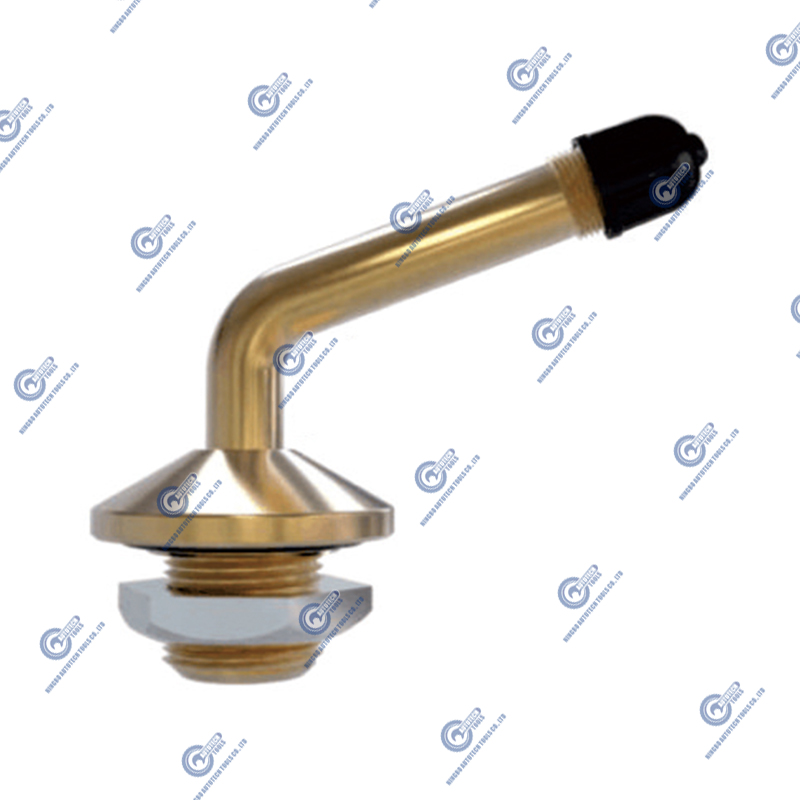
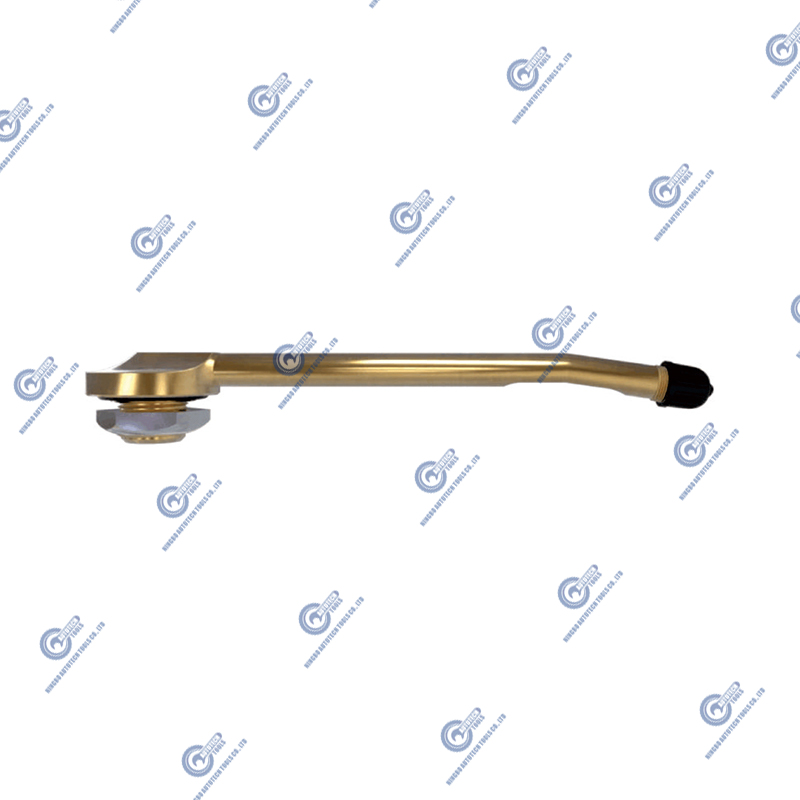
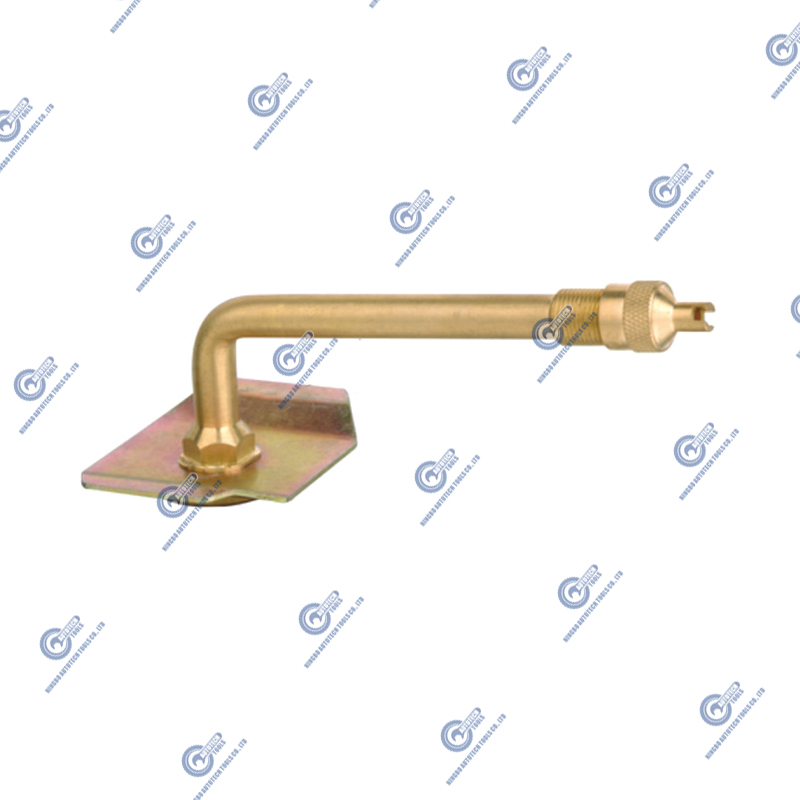
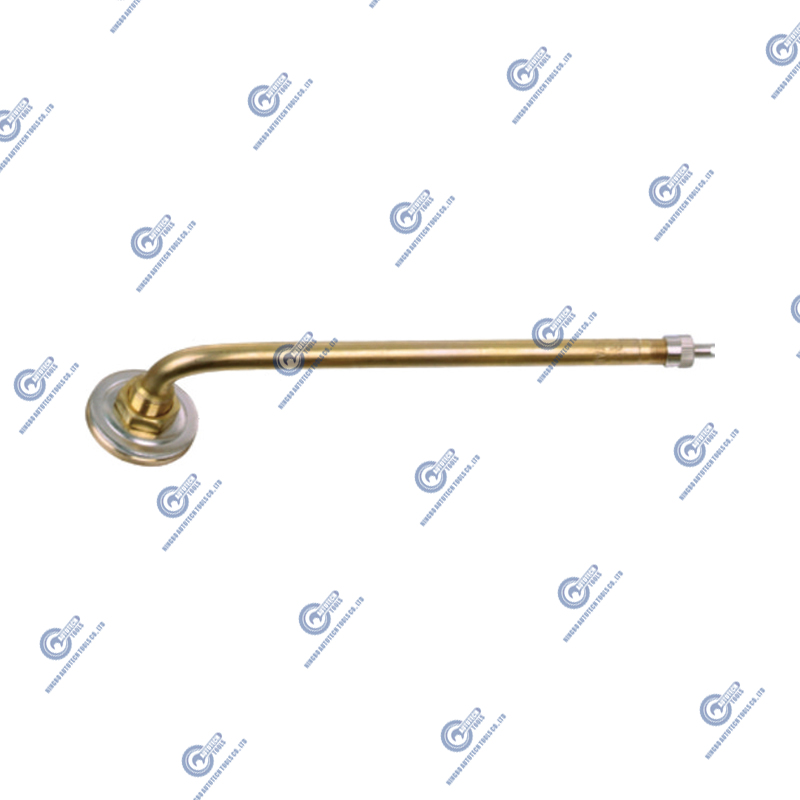

Ningbo Autotech Tools Co.,Ltd was founded in 2014 as a professional manufacturer of tire valves, tire repair tools & air quick couplings.
Product links
Contact Us
-
Address:No.16 Gaoqiang Road, Jiangnan Industrial Zone, Gaoqiao Town, Yinzhou District, Ningbo, China. 315175
-
Tel:+86-0574-89073063
-
E-mail:jimmy@autotechtool.com
