


 English
 Español
News
 Home / News / Industry news / Why Does Your Tire Pressure Gauge Give a Different Reading Than the Gas Station Air Pump?
 Why Does Your Tire Pressure Gauge Give a Different Reading Than the Gas Station Air Pump?
 2026.04.27
 Industry news
You pull into a gas station, check your tire pressure with your trusty digital gauge, and see 32 PSI. Then you use the station’s air pump hose, and its gauge reads 29 PSI. Or worse, the pump says 35 PSI. Which one is correct? This frustrating discrepancy is extremely common, and it leads to underinflated or overinflated tires—both of which compromise safety, fuel economy, and tire life. Understanding why these differences occur will help you trust the right gauge and maintain proper tire pressure consistently.
The Short Answer: Most Gas Station Air Pump Gauges Are Inaccurate
Before diving into technical details, here is the simple truth. The gauges built into gas station air compressors are typically low-cost, mass-produced devices that receive little to no maintenance. They are mounted on hoses that get dragged across concrete floors, dropped, kinked, and exposed to weather, dust, and vibration. In contrast, a decent handheld tire pressure gauge—even an inexpensive one—is usually more accurate because it is handled more carefully and often designed with tighter tolerances. However, even accurate gauges can show different readings due to several specific factors explained below.
Differences in Gauge Type and Internal Mechanisms
Not all pressure gauges work the same way. The internal mechanism determines how susceptible the gauge is to wear, temperature, shock, and calibration drift.
How Digital Tire Pressure Gauges Work
Digital gauges use a piezoelectric or strain-gauge sensor. When pressure is applied, the sensor generates a small electrical signal proportional to the force. A microprocessor converts that signal into a PSI or BAR reading on an LCD screen. High-quality digital gauges from reputable brands (e.g., JACO, Longacre, TEKTON) are accurate to within ±0.5% to ±1% of full scale. However, cheap digital gauges (under $10) often use low-grade sensors that drift over time or become non-linear. The battery level can also affect accuracy—low batteries sometimes cause erratic readings.
How Dial (Analog) Tire Pressure Gauges Work
Dial gauges contain a hollow, curved tube called a Bourdon tube. As pressure enters the tube, it tries to straighten out, and this movement rotates a needle on a dial face. Quality dial gauges with brass or stainless steel internals can be very accurate (±1–2%). But they are sensitive to shock. Dropping a dial gauge even once can bend the Bourdon tube or dislodge the movement mechanism, causing permanent offset errors. Many gas station air pumps use a low-cost dial gauge mounted directly on the hose handle, and those handles are repeatedly dropped or banged against concrete.
How Pencil (Stick) Gauges Work
Pencil gauges use a simple spring-loaded piston with a graduated rod that pops out when pressed against the valve stem. They have no delicate internal mechanisms, which makes them durable. However, most pencil gauges are accurate only to about ±3–5 PSI at best. They are fine for a quick check but not for precision. Gas stations rarely use pencil gauges on their pumps, but drivers often compare their own pencil gauge to the station’s dial gauge—and both may be inaccurate.
Comparison Table: Gauge Type Accuracy and Durability
| Gauge Type | Typical Accuracy | Susceptibility to Damage | Maintenance Needed | Best Use Case |
|---|---|---|---|---|
| Digital (premium) | ±0.5–1% | Moderate (electronics) | Battery replacement | Enthusiast/professional |
| Digital (budget) | ±2–5% | Moderate | Battery replacement | Occasional home use |
| Dial (Bourdon tube) | ±1–2% | High (shock-sensitive) | Occasional calibration | Garage/workshop |
| Pencil (stick) | ±3–5 PSI | Low | None | Quick roadside check |
| Gas station pump gauge | ±3–10 PSI or more | Very high | Almost never | Filling, not measuring |
Calibration Drift: Why Gauges Lose Accuracy Over Time
Every pressure gauge—whether digital, dial, or the one on a gas station pump—gradually drifts out of calibration. Calibration means the gauge’s reading matches a known reference standard (like a deadweight tester). Over time, springs weaken, sensors age, and mechanical linkages wear.
How Fast Do Gauges Drift?
A high-quality industrial gauge might stay within spec for one to two years of regular use. A consumer-grade gauge could drift noticeably after six months. Gas station air pump gauges are almost never recalibrated. In many stations, the same compressor and hose have been in use for five or ten years with zero calibration checks. Consequently, a gas station gauge that once read correctly may now be off by 5, 8, or even 10 PSI.
Why Calibration Matters More at Higher Pressures
Calibration error is often expressed as a percentage of full scale. For example, a gauge with a 0–100 PSI range that is 2% off could be inaccurate by ±2 PSI at any reading. However, if the gauge is also non-linear (error changes across the range), the discrepancy may be larger at typical car tire pressures (30–40 PSI). Some cheap gauges are most inaccurate right in the middle of their range—exactly where you need them most.
How You Use the Gauge Affects the Reading
Even with two perfectly calibrated gauges, user technique can create different readings. The way you apply the gauge to the tire valve stem matters greatly.
Inconsistent Sealing Against the Valve Stem
A tire pressure gauge must form a tight, momentary seal with the valve stem. If you press the gauge at an angle, or if you do not press firmly enough, air escapes around the gauge instead of entering the sensor. This leakage causes a low reading. With a gas station pump hose, the chuck often has a dual-function design: it must both seal to read pressure and also open the valve to allow air flow. Worn rubber seals on the hose chuck are a major source of error.
Loss of Air During the Reading
When you attach a standard gauge, a small amount of air escapes from the tire as the gauge depresses the valve core. On a low-volume tire (like a compact car tire), that brief escape might drop the pressure by 0.5–1 PSI. If you check the same tire repeatedly in quick succession, each reading can be slightly lower than the last. A gas station pump hose typically uses a larger chuck that may release more air during connection.
Pulling the Gauge Off Too Quickly
Digital and dial gauges often have a “peak hold” function—they capture the highest pressure reached during the measurement. If you pull the gauge away before the reading stabilizes, you might capture an intermediate value. With gas station pumps, the gauge may continue to show the pressure while the pump is running, which is actually the supply pressure, not the tire pressure. This is a very common cause of confusion.
Temperature Effects on Tire Pressure Readings
Tire pressure changes with temperature. This is not a gauge error—it is a physical property of gases. However, if you do not account for temperature, the same tire will show different pressures at different times, leading you to believe one gauge is wrong.
Hot Tires vs. Cold Tires
The standard for tire inflation is cold pressure—meaning the tire has not been driven for at least three hours or has been driven less than one mile. When you drive, friction heats the tires, and the air inside expands. A tire that is properly inflated to 35 PSI cold may read 38–40 PSI hot. If you drive to a gas station and immediately check your tires, the gas station gauge will show a higher pressure than your home gauge that you used on cold tires that morning. Neither gauge is wrong; the tire temperature changed.
Ambient Temperature and Seasonal Changes
For every 10°F change in ambient temperature, tire pressure changes by approximately 1 PSI. A cold winter morning at 20°F versus a warm afternoon at 70°F can produce a 5 PSI difference from temperature alone. If you use your personal gauge at home in the morning (cold tires, cold air) and then drive to a gas station in the afternoon (warm tires, warmer ambient), the two readings will differ significantly.
How Gas Station Hoses Are Affected by Temperature
The air hose at a gas station sits outside in the sun or cold. The air inside the hose may be much hotter or colder than the air in your tires. When you first connect the hose, the gauge may momentarily read the hose air temperature before stabilizing to tire temperature. Some drivers read the gauge immediately, before equilibrium is reached.
Pressure Loss Through the Hose and Fittings
Gas station air pumps are not directly connected to your tire. The compressor builds pressure in a tank, and that pressure travels through dozens or hundreds of feet of hose to the dispenser. Along the way, there are fittings, swivels, couplers, and the tire chuck. Each connection creates a small pressure drop when air is flowing.
Static Pressure vs. Dynamic Pressure
When the pump is not running and no air is flowing, the gauge on the hose should read the same as your tire pressure (if the chuck is properly sealed). However, many drivers check pressure while the pump is still running or immediately after releasing the trigger. During air flow, the gauge reads dynamic pressure, which is lower than static tire pressure due to friction losses in the hose. If you read the gauge while air is moving, you will see a falsely low number.
Leaking Fittings and Hoses
Old, cracked hoses and worn O-rings in the quick-connect fittings allow air to leak. A gas station with poor maintenance may have a system that loses 2–5 PSI between the compressor and the tire chuck. When you attach the hose, the gauge may show the pressure after those losses, not the true tire pressure.
Gauge Resolution and Rounding Differences
Not all gauges display pressure with the same level of detail. Some digital gauges show tenths of a PSI (e.g., 32.4 PSI). Many dial gauges have markings every 2 PSI, requiring you to estimate between lines. Gas station pump gauges often have very coarse markings or a digital display that rounds to the nearest whole PSI.
How Rounding Creates Apparent Differences
Suppose your tire is actually at 34.6 PSI. Your digital gauge with tenths displays 34.6. The gas station’s digital gauge rounds to the nearest whole number, so it displays 35. A gas station dial gauge with markings every 2 PSI might be interpreted as 34 or 36 depending on the angle you view it. None of these readings is truly wrong, but they appear inconsistent.
Mechanical Damage to the Gas Station Gauge
Gas station air pump gauges have a hard life. They are:
- Dropped onto concrete repeatedly
- Driven over by vehicles
- Exposed to rain, snow, road salt, and UV sunlight
- Kinked and yanked by impatient drivers
- Covered in dirt, oil, and grease
A dial gauge that has been dropped may have a bent Bourdon tube, causing a permanent offset of 5–10 PSI. A digital gauge with a cracked housing may allow moisture inside, shorting the sensor. Many gas station gauges are also very old—some stations have not replaced their air pump hardware in over a decade.
Why Station Owners Rarely Calibrate or Replace Gauges
Air pumps at gas stations are often low-revenue or free services. Station owners have little incentive to spend money on precision calibration or frequent replacement. As long as the pump pushes air, most owners consider it functional. Therefore, you should never assume that a gas station’s built-in gauge is accurate. It is a convenience tool for adding air, not a reliable measuring instrument.
How to Get a Reliable Reading and Reconcile Differences
Given all these potential sources of discrepancy, follow these best practices to ensure you know your true tire pressure.
Use Your Own High-Quality Gauge as the Reference
Buy a reputable tire pressure gauge and treat it as your single source of truth. Recommended options include:
- JACO ElitePro digital (accurate to ±0.5%)
- Longacre Racing dial gauge (accurate to ±1%)
- TEKTON 5941 digital (good value, ±1%)
- Accu-Gage pencil style (simple and reliable, ±2 PSI)
Check your personal gauge for calibration occasionally. Many auto parts stores and tire shops will check your gauge against a calibrated master for free.
Follow the Correct Procedure for Checking Pressure
- Check tires when they are cold (car parked for at least three hours).
- Remove the valve cap and press the gauge firmly and squarely onto the valve stem.
- Read the pressure immediately (or wait for digital stabilization).
- Do not release and reapply the gauge multiple times in a row without adding air.
- Record the reading and compare to your vehicle’s recommended pressure (found on the driver’s door jamb or in the owner’s manual).
Use the Gas Station Pump Only for Adding Air, Not Measuring
When you need to add air at a gas station:
- Use your own gauge to check the tire pressure before adding air.
- Add air using the pump, but ignore the pump’s gauge.
- After adding a few seconds of air, stop and recheck with your own gauge.
- Repeat until you reach the correct cold pressure (or compensate for hot tires if you just drove).
If you must rely on a gas station gauge because you forgot yours, check the same tire two or three times in a row. If the readings vary widely (e.g., 32, 35, 31), the gauge is unreliable. Try a different pump or station.
Why Gas Station and Personal Gauge Readings Differ
| Cause | Typical Discrepancy | Which Gauge Is Usually Correct? |
|---|---|---|
| Poor calibration of station gauge | 2–10 PSI | Personal gauge (if quality) |
| Worn or damaged hose/chuck | 2–5 PSI | Personal gauge |
| Reading while air is flowing | 3–8 PSI low | Neither (procedure error) |
| Hot tires (after driving) | 3–5 PSI high | Personal gauge on cold tires |
| Incomplete sealing to valve stem | 1–5 PSI low | Personal gauge (with good technique) |
| Gauge resolution/rounding | 0.5–2 PSI | Both (not a true error) |
| Ambient temperature change | 1–5 PSI | Both (physics, not gauge error) |
| Repeated checking releasing air | 0.5–1 PSI per check | First reading |
Frequently Asked Questions (FAQ)
Q1: Can I trust the digital gauge on a brand new gas station air pump?
Even new gas station pumps use commercial-grade gauges that are often less accurate than a decent consumer gauge. While a brand new unit may be within ±2–3 PSI, it will likely drift quickly due to lack of maintenance. It is always better to use your own gauge.
Q2: How can I test if my personal tire pressure gauge is accurate?
Take your gauge to a tire shop or auto parts store (e.g., Discount Tire, AutoZone, O’Reilly). Ask them to check your tire pressure with their calibrated master gauge, then immediately check the same tire with your gauge. If the difference is more than 1 PSI, consider replacing or recalibrating your gauge.
Q3: Why does my tire pressure gauge show a different reading on each tire even when all tires were inflated to the same pressure?
Small differences are normal due to temperature variation (sun hitting one side of the car), slight leakage differences at valve stems, or minor gauge technique variations. Differences of 1–2 PSI are acceptable. Differences over 3–4 PSI suggest a problem with the gauge, the valve stems, or a slow leak in one tire.
Q4: Do expensive tire pressure gauges really make a difference?
Yes, up to a point. A $10 digital gauge may be fine for occasional use, but a $30–50 gauge from a reputable brand will typically hold calibration longer, have better build quality, and provide more consistent readings. For professional or enthusiast use, a $100+ racing gauge is worth the investment.
Q5: Can a gas station air pump overinflate my tires if its gauge is broken?
Absolutely. If the pump’s gauge reads low (e.g., shows 25 PSI when the tire is actually at 35 PSI), you might keep adding air until the gauge reads 35 PSI—but the tire would then be at 45 PSI or higher, which is dangerous. Always use your own gauge to check pressure frequently while filling.
Q6: How often should I replace my tire pressure gauge?
Replace a digital gauge if the readings become erratic, if the battery dies and it does not use standard batteries, or after any drop onto a hard surface. Replace a dial gauge if the needle does not return to zero when disconnected, or if it is more than 2 PSI off from a known accurate reference. Replace a pencil gauge if the rod sticks or the readings are inconsistent. For typical home use, replacing every two to three years is reasonable.
Q7: Does the valve cap affect tire pressure readings?
No. Valve caps keep dirt out of the valve mechanism but do not seal in air. Removing the cap has no effect on pressure. However, a missing cap can allow debris to enter the valve, causing slow leaks over time.
Q8: Why do some gas stations have a separate pressure gauge on a hose instead of built into the pump handle?
Some older or industrial-style pumps use a remote gauge mounted on the wall or on a short separate hose. This design reduces damage to the gauge because it is not dragged on the ground. However, the long air hose between the gauge and the tire chuck can still introduce pressure drops, and these remote gauges are also rarely calibrated.
Q9: Can extreme cold cause my digital tire pressure gauge to malfunction?
Yes. Many digital gauges are rated for use down to 32°F (0°C) or lower, but cheap LCD screens can become slow or unreadable below freezing. The sensor itself may still work, but the display may lag. In very cold weather, a dial or pencil gauge is more reliable.
Q10: Is it legal for a gas station to have an inaccurate air pump gauge?
In most jurisdictions, there is no law requiring gas station air pump gauges to be accurate because they are not used for trade or sale. Weights and measures regulations typically apply only to fuel dispensers, not to free or coin-operated air pumps. Therefore, stations have no legal obligation to calibrate them. This is another reason to rely on your own gauge.
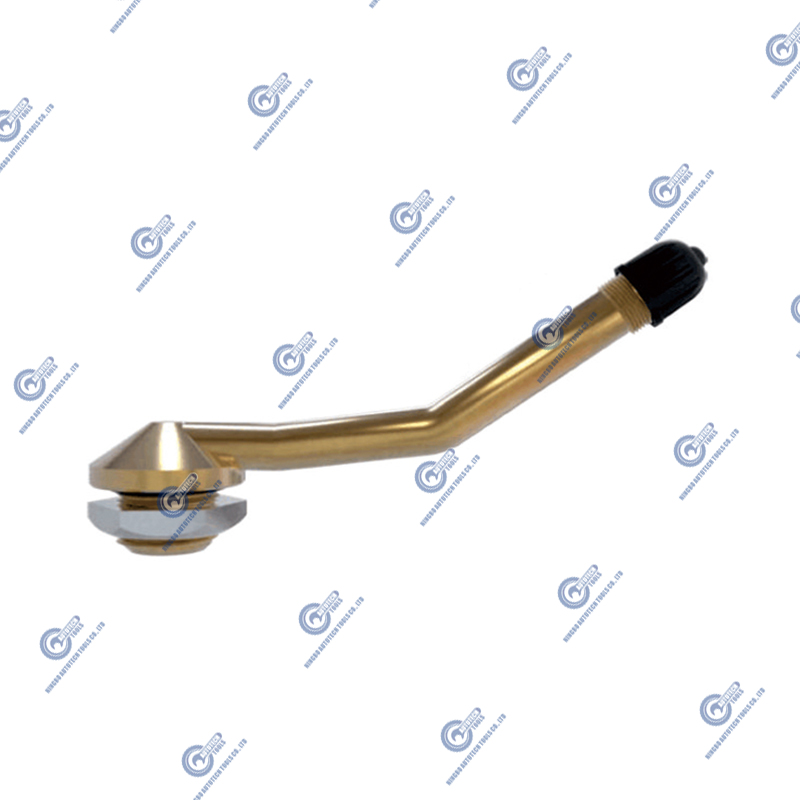
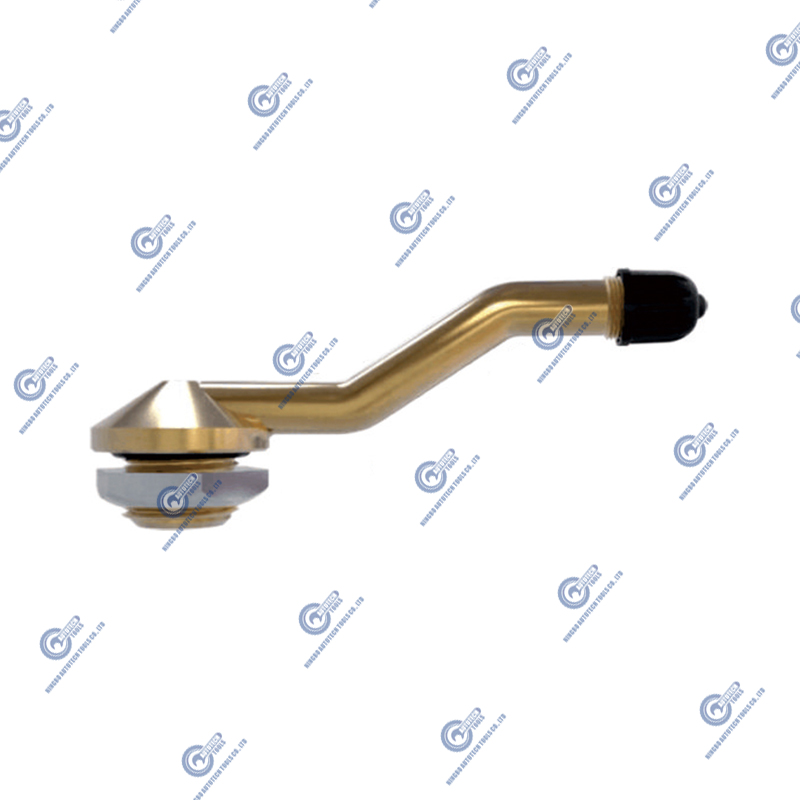
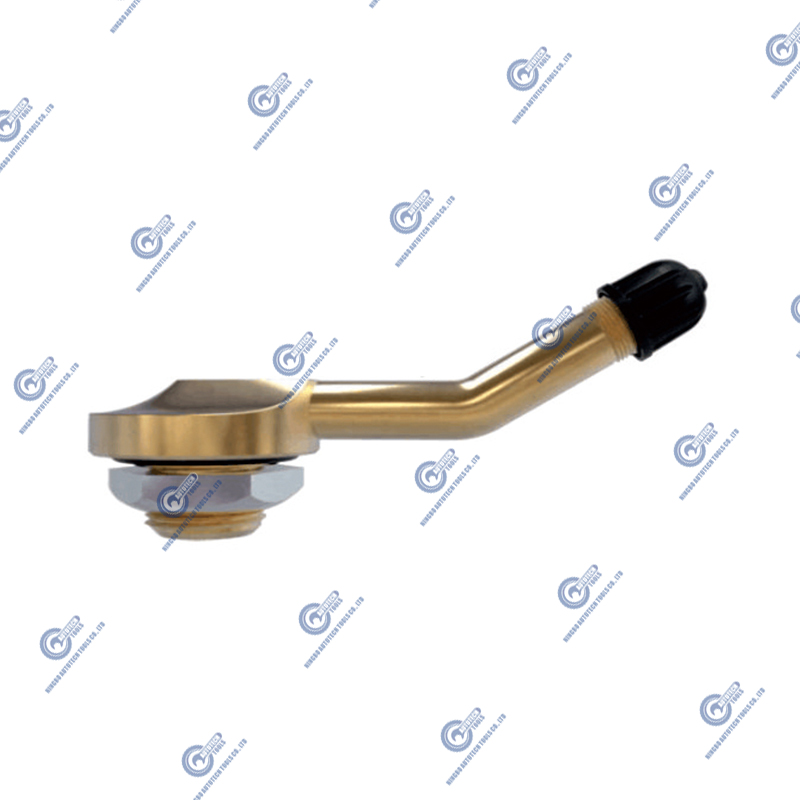
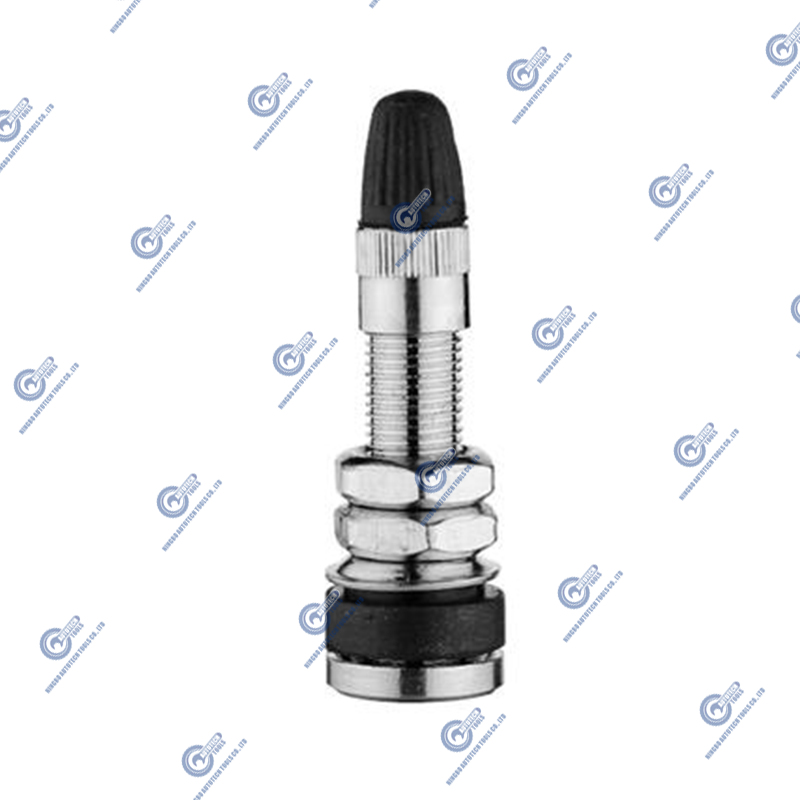

Ningbo Autotech Tools Co.,Ltd was founded in 2014 as a professional manufacturer of tire valves, tire repair tools & air quick couplings.
Product links
Contact Us
-
Address:No.16 Gaoqiang Road, Jiangnan Industrial Zone, Gaoqiao Town, Yinzhou District, Ningbo, China. 315175
-
Tel:+86-0574-89073063
-
E-mail:jimmy@autotechtool.com
