


 English
 Español
News

What Is a Tire Gauge & Inflator and Why Should Every Driver Own One?
 2026.05.04
 Industry news
A tire gauge & inflator is a handheld or portable device that both measures the air pressure inside a tire and inflates it to the correct level — combining two essential functions in a single tool. Every driver should own one because tire pressure directly affects safety, fuel economy, and tire lifespan, yet studies show that 1 in 4 vehicles on U.S. roads has at least one significantly underinflated tire at any given time. A tire gauge & inflator puts pressure management entirely in the driver's hands, eliminating dependence on gas station air pumps and allowing accurate, on-demand inflation checks anywhere — at home, on a road trip, or roadside after a slow leak.
What Exactly Is a Tire Gauge & Inflator
A tire gauge & inflator is best understood as two tools merged into one compact unit. Each function serves a distinct purpose:
- The tire gauge component reads the current air pressure inside the tire in PSI (pounds per square inch), BAR, or kPa. It connects to the tire's valve stem and provides an immediate pressure reading — either via a digital display, analog dial, or sliding stick indicator depending on the type.
- The inflator component pumps air into the tire when pressure is below the recommended level. This is powered by an electric motor — typically drawing power from the vehicle's 12V DC outlet (cigarette lighter socket) or a built-in rechargeable lithium-ion battery — which drives a miniature air compressor capable of delivering 100–150 PSI of output pressure.
Premium models add a preset auto-shutoff feature: the driver enters the target PSI, the inflator pumps air, and the compressor automatically stops the moment the target pressure is reached — eliminating the risk of overinflation. Entry-level models require manual monitoring and stopping.
Most tire gauge & inflator units weigh between 1.5 and 3.5 lbs and fit easily in a glove compartment or trunk emergency kit. They are distinct from full-size workshop air compressors both in portability and flow rate — a portable inflator typically delivers 1–2 CFM (cubic feet per minute) of airflow, sufficient to inflate a standard passenger car tire from flat in 4–8 minutes.
The Real Cost of Ignoring Tire Pressure
Many drivers treat tire pressure as a minor maintenance detail. The data tells a very different story. Incorrect tire pressure — whether too low or too high — has measurable, compounding consequences across safety, fuel costs, and tire wear:
| Pressure Condition | Effect on Fuel Economy | Effect on Tire Life | Safety Risk |
|---|---|---|---|
| Correct PSI | Optimal | Full rated lifespan | Minimal |
| 6 PSI low (typical slow leak) | −2.5% MPG | −10% tread life | Moderate — longer braking distance |
| 10 PSI low | −3.3% MPG | −25% tread life | High — overheating, blowout risk |
| 25% below recommended | −4%+ MPG | −40–45% tread life | Severe — NHTSA classifies as unsafe |
| 5 PSI over recommended | Marginal improvement | Center tread wear, reduced life | Moderate — reduced wet grip |
The U.S. Department of Energy estimates that American drivers collectively waste 1.25 billion gallons of fuel per year due to underinflated tires. At current fuel prices, that represents over $4 billion in unnecessary fuel costs annually — costs that a $25–$60 tire gauge & inflator can directly reduce.
Types of Tire Gauge & Inflator Available
The market offers several distinct types of tire gauge & inflator, each suited to different drivers and use cases:
12V DC Corded Inflator with Digital Gauge
The most common type for everyday drivers. Powers from the vehicle's 12V outlet via a cord typically 10–12 feet long, giving enough reach to service all four tires without moving the vehicle. Accuracy of ±1 PSI is standard on quality digital models. Price range: $25–$60. Limitation: requires the vehicle to be running or the ignition on to supply power.
Cordless Battery-Powered Inflator with Digital Gauge
Increasingly popular, these units use an integrated 2,000–6,000 mAh lithium-ion battery that can fully inflate 3–6 standard car tires per charge. Fully cordless and operable away from the vehicle — useful for bicycles, sports equipment, and inflating tires when the car battery is dead. Price range: $40–$120. Premium models from brands like Fanttik, Ryobi, and Avid Power include LED work lights, USB charging ports, and preset auto-shutoff.
Heavy-Duty Truck and SUV Inflators
Designed for tires with larger volume and higher recommended PSI — including light trucks, SUVs, motorhomes, and commercial vehicles. These units typically deliver 150 PSI maximum output (versus 100 PSI on standard passenger car units) and use heavier-duty compressor motors to handle the extended run times required for larger tires. Price range: $60–$150.
Standalone Stick or Dial Gauge (Gauge Only, No Inflator)
A traditional tire pressure gauge without inflation capability — for drivers who check pressure regularly using a gas station air pump but want an accurate personal gauge rather than relying on station-supplied gauges, which can be off by 4–8 PSI due to wear and lack of calibration. Price range: $5–$25. These should not be confused with combined gauge & inflator units but are often sold alongside them.
Six Reasons Every Driver Needs One
Owning a tire gauge & inflator delivers concrete, measurable benefits across safety, cost, and convenience. Here are the six most compelling reasons:
- Blowout prevention: The NHTSA estimates that tire failures contribute to approximately 11,000 crashes and 200 fatalities per year in the United States. The majority of tire blowouts are preceded by a period of chronic underinflation that causes heat buildup in the sidewall. Regular pressure checks with a personal gauge catch underinflation before it becomes catastrophic.
- Fuel savings: Keeping all four tires at the correct PSI improves fuel efficiency by an average of 0.5–3% per tank — modest per fill-up but meaningful over a full year of driving. For a driver covering 15,000 miles annually at 30 MPG, even a 1% fuel savings equates to approximately 5 gallons saved per year.
- Extended tire life: Tires worn due to incorrect pressure cannot be reversed — the rubber is permanently lost. A driver who maintains correct pressure consistently over the life of a set of tires can expect to gain an additional 10,000–15,000 miles of tread life compared to a driver who routinely runs 8–10 PSI low.
- Emergency roadside capability: A slow leak from a nail or valve stem issue doesn't always require immediate tire replacement. A portable inflator can top up a leaking tire enough to reach a tire shop safely — potentially saving the cost of a tow truck call, which averages $75–$125 in the U.S.
- TPMS supplement: Modern vehicles equipped with Tire Pressure Monitoring Systems (TPMS) only trigger a warning light when pressure drops 25% below recommended — by which point significant tire damage and fuel economy loss have already occurred. A personal tire gauge & inflator allows the driver to catch and correct pressure drops of even 2–3 PSI, well before the TPMS threshold.
- Multi-vehicle and multi-purpose use: A single tire gauge & inflator handles cars, motorcycles, bicycles, ATVs, trailers, sports balls, and inflatable recreational equipment — making it useful well beyond four-wheel automotive applications. Many units include adapter nozzles for Presta valves (road bicycles), sports ball needles, and inflatable toy connectors.
How Often Should You Check Tire Pressure
Tire pressure is not a set-and-forget specification. Several factors cause it to change continuously:
- Temperature change: Tire pressure changes by approximately 1 PSI for every 10°F (5.5°C) change in ambient temperature. A tire correctly inflated at 32 PSI in summer at 85°F will read approximately 27–28 PSI on a winter morning at 35°F — already approaching the TPMS warning threshold without any air loss.
- Natural permeation: Even a perfectly sealed tire loses 1–2 PSI per month through microscopic permeation of air through the rubber — a normal characteristic of all pneumatic tires.
- Slow leaks: Valve stem deterioration, minor bead seal issues, and embedded road debris can cause losses of 3–5 PSI per week without any visible flat tire.
Industry and safety organizations including the NHTSA, AAA, and tire manufacturers universally recommend checking tire pressure at least once per month and always before long road trips. Always check pressure when the tires are cold — meaning the vehicle has been stationary for at least 3 hours or driven less than 1 mile — as driving heats the air inside and temporarily inflates readings by 4–6 PSI above the true cold pressure.
What to Look for When Choosing a Tire Gauge & Inflator
For drivers purchasing their first tire gauge & inflator, the following specifications and features have the greatest impact on real-world usefulness:
- Accuracy: Look for ±1 PSI accuracy or better. Avoid units with no published accuracy specification — these typically use low-cost sensors with ±3–5 PSI variance, which is insufficient for meaningful pressure management.
- Auto-shutoff / preset pressure: This feature alone justifies spending an extra $15–$20. It prevents overinflation and allows hands-free inflation — critical when servicing tires alone at night or in poor weather.
- Maximum PSI rating: Standard passenger cars require 30–36 PSI. Light trucks and SUVs often require 35–50 PSI. Ensure the inflator's maximum output pressure exceeds your vehicle's requirement by a comfortable margin.
- Power source: A 12V corded unit suits most drivers who check tires at home or near the vehicle. A cordless battery unit suits drivers who travel frequently, carry the inflator for roadside emergencies, or need to inflate items away from the vehicle.
- Hose length: A minimum 16–20 inch air hose between the unit body and the valve stem connector is necessary to reach all four tires without awkward positioning. Units with very short hoses (under 10 inches) are difficult to use on recessed valve stems.
- Included accessories: Needle adapters (for sports balls), Presta valve adapters (for road bicycle tires), and inflatable toy nozzles significantly expand utility at no meaningful cost to the manufacturer.
Finding Your Vehicle's Correct Tire Pressure
Before using a tire gauge & inflator, drivers must know the correct target PSI for their specific vehicle. This information is always available in three places:
- Driver's door jamb sticker: A label on the inside edge of the driver's door or door frame lists the recommended cold tire pressure for front and rear tires — and sometimes a different pressure for the spare. This is the most reliable and vehicle-specific source.
- Owner's manual: The tire and wheel section lists recommended pressures along with maximum load conditions and alternative pressures for specific use cases (e.g., towing).
- Fuel filler door or glove box lid: Some manufacturers place the pressure sticker in these locations instead of the door jamb.
One critical point: never inflate to the PSI printed on the tire sidewall. That number is the tire's maximum allowable pressure — not the recommended operating pressure. Inflating to the sidewall maximum creates an overinflated, dangerously stiff tire with reduced grip and impact absorption. The correct pressure is always the vehicle manufacturer's specification, not the tire manufacturer's maximum.
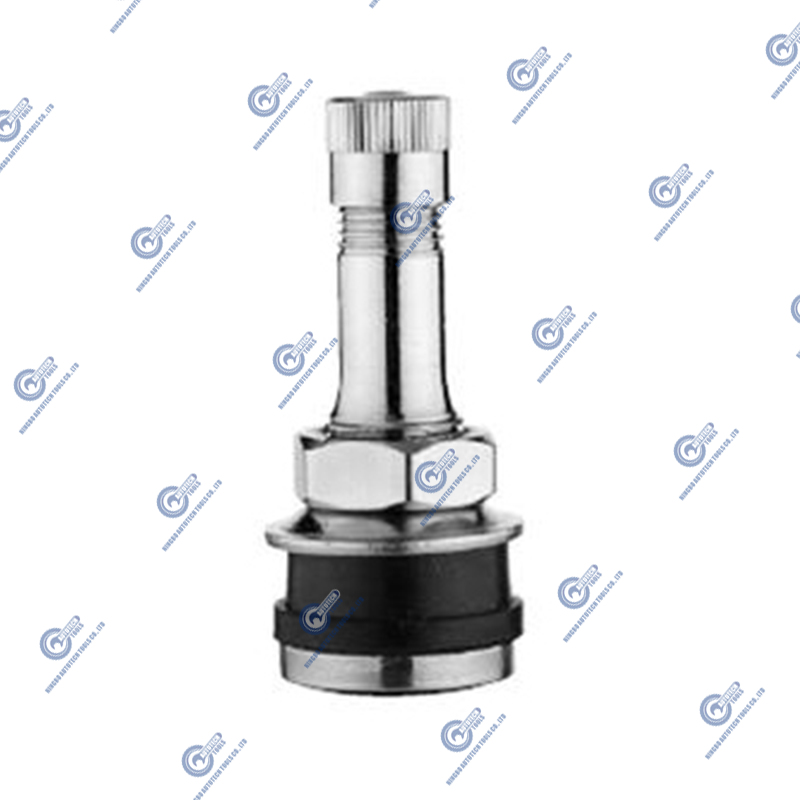
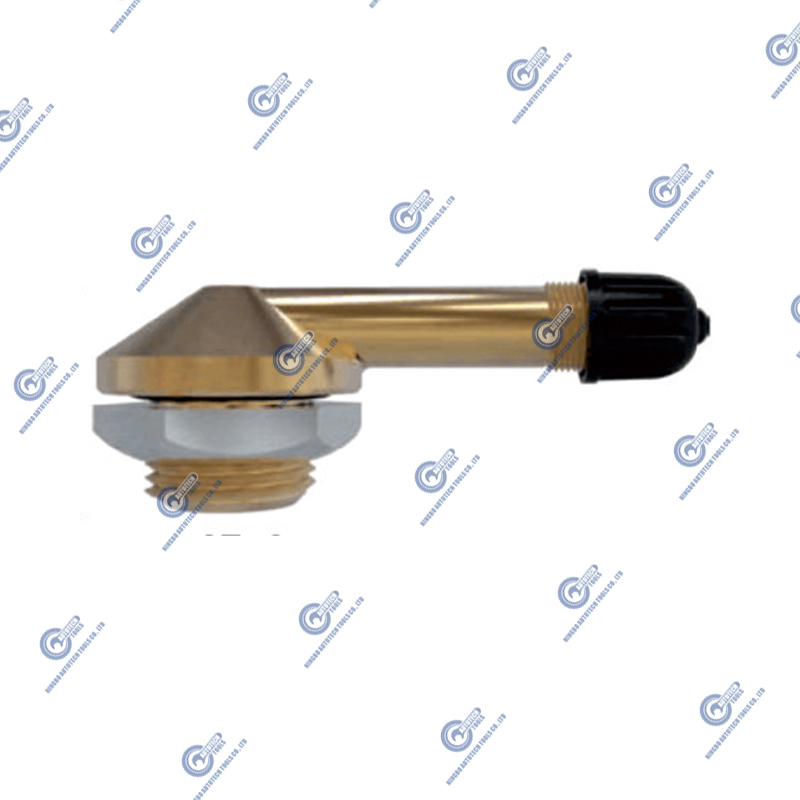
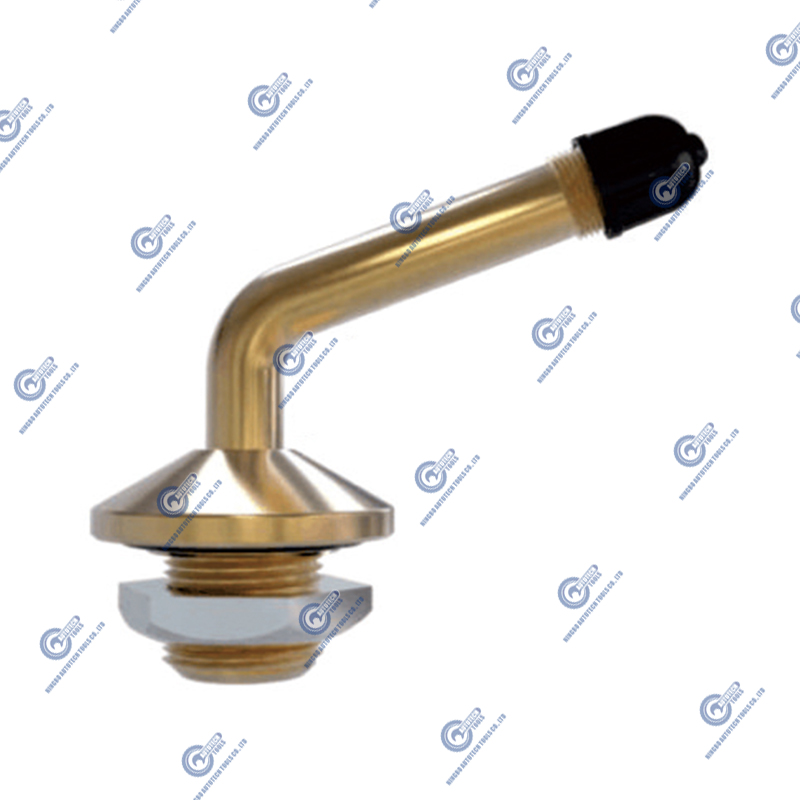
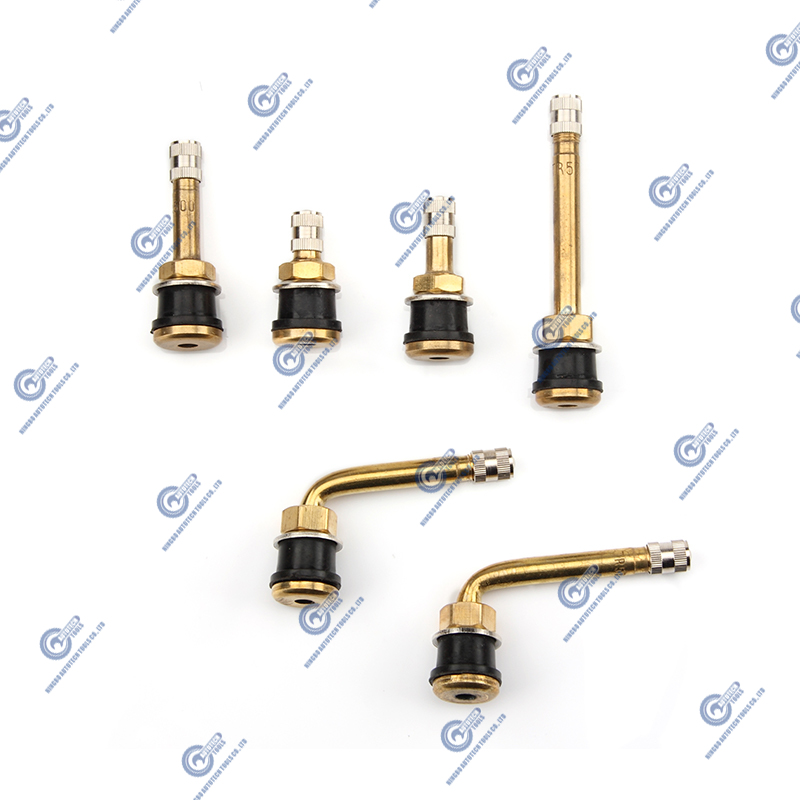
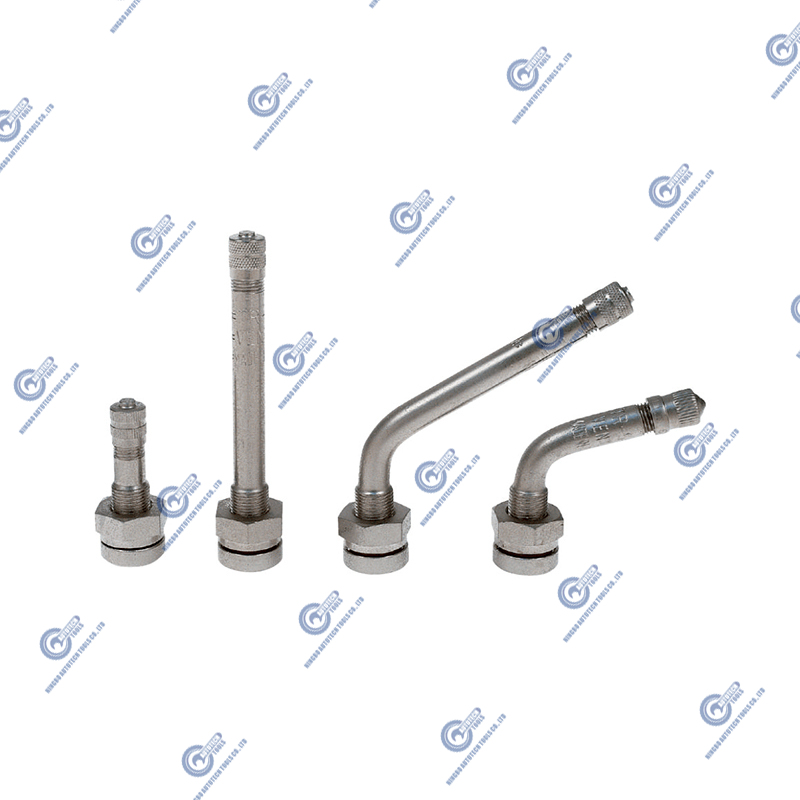
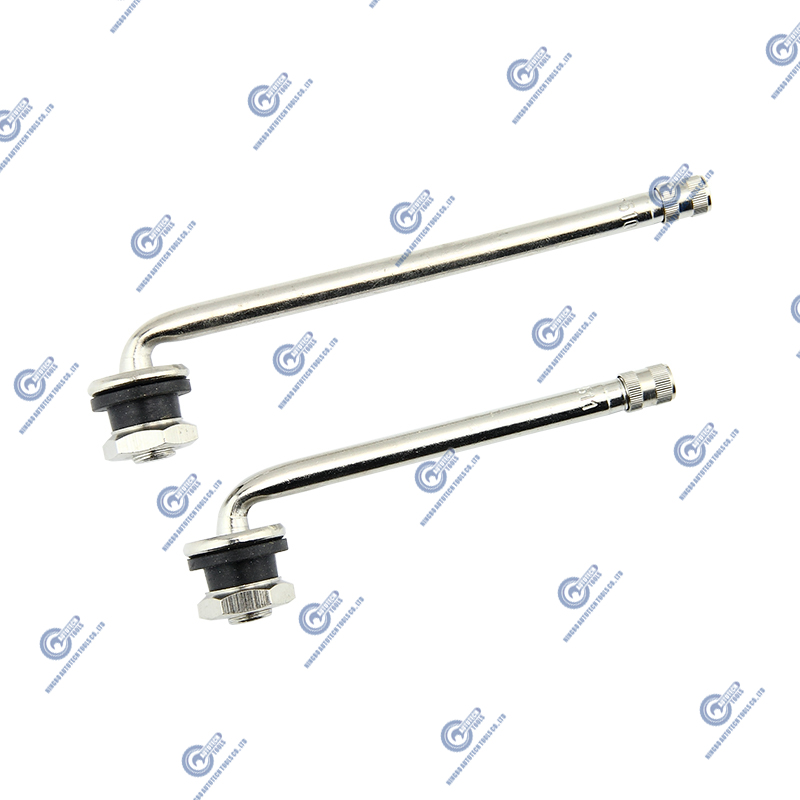
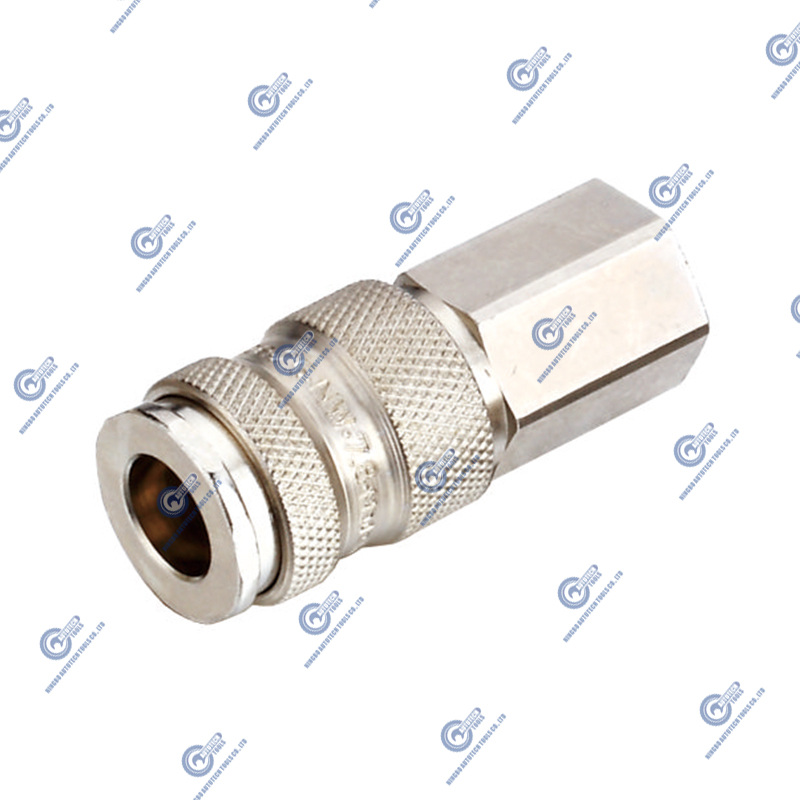
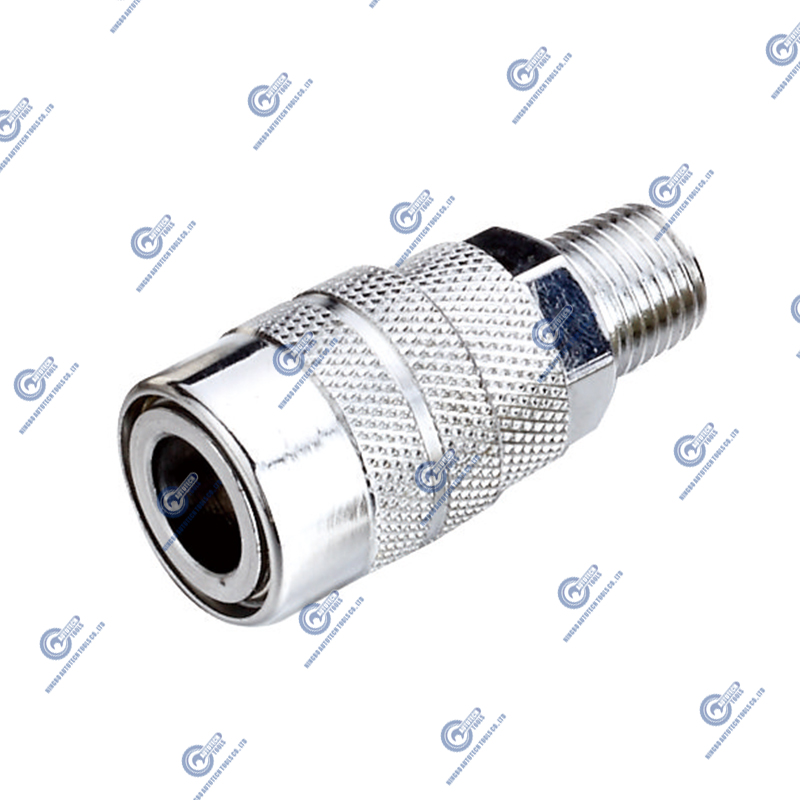
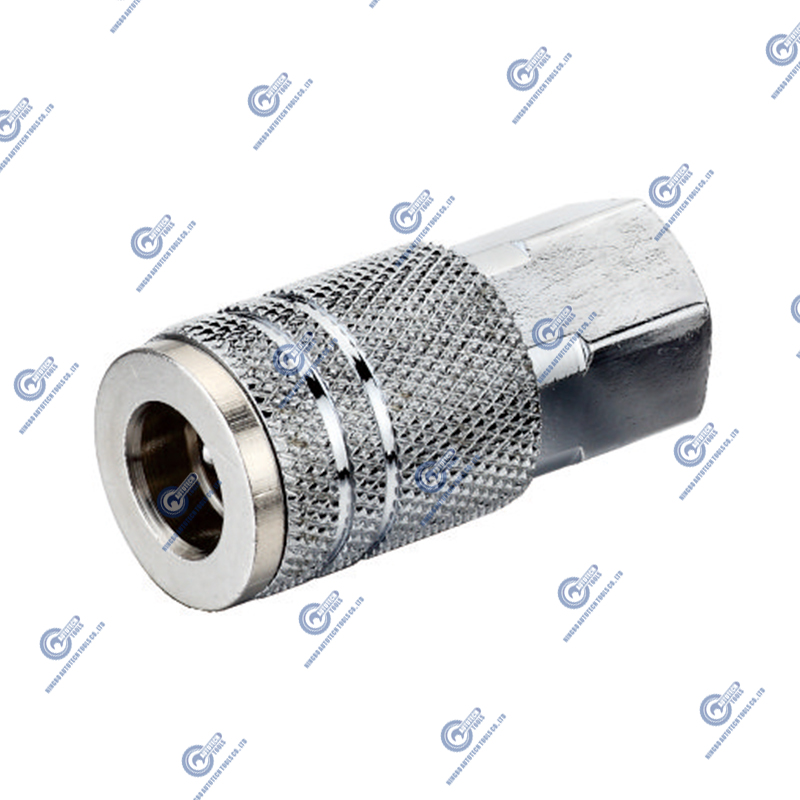
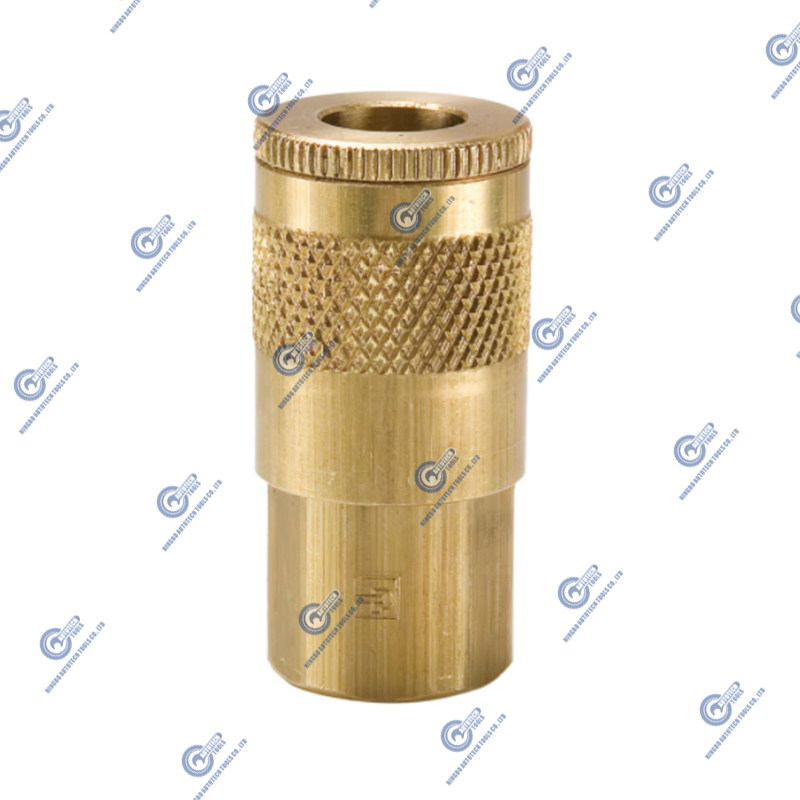

Ningbo Autotech Tools Co.,Ltd was founded in 2014 as a professional manufacturer of tire valves, tire repair tools & air quick couplings.
Product links
Contact Us
-
Address:No.16 Gaoqiang Road, Jiangnan Industrial Zone, Gaoqiao Town, Yinzhou District, Ningbo, China. 315175
-
Tel:+86-0574-89073063
-
E-mail:jimmy@autotechtool.com
