


 English
 Español
News
 Home / News / Industry news / How Do You Use a Tire Gauge and Inflator to Check and Fill Your Tires Correctly?
 How Do You Use a Tire Gauge and Inflator to Check and Fill Your Tires Correctly?
 2026.06.01
 Industry news
A complete step-by-step guide for drivers who want to check and inflate their tires accurately at home using a tire gauge and portable inflator.
Direct Answer: Check Cold Pressure First, Then Inflate in Short Bursts to Your Door Jamb Specification
The correct process is to measure cold tire pressure with a gauge, compare the reading to the PSI specification on your driver's door jamb sticker, then use a portable inflator to add air in short bursts — rechecking after each burst until the target is reached. The most common mistakes are checking pressure after driving (when tires are warm and pressure reads artificially high), inflating to the maximum PSI printed on the tire sidewall instead of the vehicle specification, and failing to reseat the gauge firmly enough on the valve stem, producing a false low reading. Done correctly, the entire process for all four tires takes under 10 minutes and requires only a quality gauge and a portable inflator.
What You Need Before You Start
Gather the following before beginning. Having everything ready prevents interruptions mid-process that can lead to errors:
- A quality tire pressure gauge. A digital gauge accurate to ±0.5 PSI is recommended for home use. Stick gauges are acceptable for emergencies but typically accurate only to ±2 to 3 PSI — not precise enough for reliable monthly maintenance.
- A portable tire inflator. A 12V DC inflator powered via the car's 12V outlet, or a rechargeable cordless inflator, is the most convenient option for home use. Choose a model with a built-in digital pressure gauge and auto-shutoff at a preset PSI — this eliminates manual guesswork during inflation.
- Your vehicle's recommended PSI. Check the driver's door jamb sticker. Note whether front and rear tires have different specifications — many SUVs, trucks, and performance vehicles specify different pressures for front and rear axles.
- A pen and notepad or phone. Record each tire's current reading before adjusting. This helps identify a tire losing pressure faster than the others — a sign of a slow leak requiring repair.
Step 1 — Confirm Your Tires Are Cold
Tire pressure must be measured when tires are cold — parked for at least 3 hours and driven fewer than 1 mile since parking. As tires warm up during driving, air inside expands and pressure rises by 4 to 8 PSI above the true cold reading. Checking after even a 10-minute drive produces a falsely high reading that leads to underinflation after the tires cool down.
If you must check and inflate after driving — for example, at a roadside gas station — add 4 PSI to your door jamb cold pressure target as a temporary warm-tire adjustment, then recheck the following morning before driving to confirm the actual cold pressure is correct.
Step 2 — Locate and Prepare the Valve Stem
The valve stem is a short rubber or metal protrusion on the inner edge of the wheel rim, accessible through the wheel spokes. On most passenger vehicles the stem is approximately 1.5 to 2 inches long and has a removable dust cap on the end.
- Turn the wheel so the valve stem is facing toward you and accessible — you may need to move the vehicle forward a foot or two to bring the stem to a convenient position.
- Remove the valve cap by turning it counterclockwise. Place it in your pocket or set it somewhere secure — losing a valve cap allows moisture and road debris into the valve core, causing corrosion and slow leaks over time.
- Visually inspect the valve stem for cracking, corrosion, or damage. A cracked rubber valve stem is a common source of slow leaks and should be replaced by a tire shop for approximately $5 to $10 per stem.
Step 3 — Measure Current Tire Pressure
Correct gauge technique is critical. A poorly seated gauge produces a hissing sound and a falsely low reading that leads to overinflation:
- Hold the gauge at a straight angle to the valve stem — not at a diagonal. A diagonal approach tilts the valve core pin unevenly and causes air to escape around the seal.
- Press the gauge chuck firmly and fully onto the valve stem in a single quick motion. You should hear a brief hiss as the valve core opens, followed by silence as the gauge seals. If you hear continuous hissing, the gauge is not fully seated — press harder or reposition slightly.
- Read the PSI display immediately. On a digital gauge, the reading appears within one second. On a dial gauge, read the needle position. On a stick gauge, read the measurement bar that ejects from the base of the gauge body.
- Take two readings per tire to confirm consistency. If the two readings differ by more than 1 PSI, the gauge may not be seating properly or the valve core may be partially obstructed — clean the valve tip and retry.
- Record the reading and move to the next tire. Check all four tires and the spare before making any adjustments — this gives you a complete picture of which tires need the most attention.
Interpreting Your Readings
| Reading vs. Specification | Condition | Action Required | Urgency |
|---|---|---|---|
| Within ±2 PSI of target | Acceptable | Fine-tune to exact target if convenient | Low |
| 3–5 PSI below target | Underinflated | Inflate to target before next drive | Moderate |
| 6+ PSI below target | Significantly underinflated | Inflate immediately — inspect for slow leak | High |
| 3–5 PSI above target | Overinflated | Release air to target pressure | Moderate |
| One tire 6+ PSI lower than others | Possible slow leak | Inflate, recheck in 24 hrs, inspect for puncture | High |
Step 4 — Inflate to the Correct PSI Using a Portable Inflator
Portable tire inflators fall into three categories. Understanding how each type connects and operates prevents mistakes during inflation:
12V DC Inflators (Corded — Plugs Into Car's 12V Outlet)
- Start the vehicle's engine or turn the ignition to accessory mode to power the 12V outlet. Running a 12V inflator with the engine off can drain the battery within 15 to 20 minutes of continuous use.
- Connect the inflator hose to the tire valve stem by threading the chuck clockwise until snug. Most 12V inflators use a screw-on chuck rather than a push-on chuck — ensure it is tight enough to prevent air leakage during inflation.
- If the inflator has a preset pressure function, set the target PSI before starting. If it does not, inflate in 10 to 15 second bursts, stopping to check pressure with your gauge after each burst.
- Stop inflating when the gauge reads 1 PSI above the target — disconnecting the inflator hose typically releases a small amount of air, bringing the final reading to the correct level.
Cordless Battery-Powered Inflators
- Confirm the battery is adequately charged before starting — most cordless inflators display battery level. A fully charged inflator typically inflates 4 to 6 standard passenger tires from 26 PSI to 32 PSI before requiring recharging.
- Connect the hose to the valve stem and set the target PSI on the digital display. Press start — the inflator runs automatically and stops when the preset pressure is reached on models with auto-shutoff.
- Verify the final pressure with your independent gauge after disconnecting — inflator gauges can read 1 to 2 PSI higher than actual due to hose pressure during inflation. The independent gauge confirms the true tire pressure after the hose is removed.
Gas Station Air Pumps
- Gas station pumps often have inaccurate built-in gauges — calibration is rarely maintained. Always bring and use your own gauge to verify pressure rather than relying solely on the station pump's readout.
- Because you will have driven to the station, add 4 PSI to your cold pressure target as a warm-tire adjustment. Recheck the following morning when tires have cooled to confirm the actual cold pressure is correct.
- Inflate in short bursts and check with your own gauge frequently — gas station pumps deliver high flow rates and can overshoot the target pressure quickly if left running without monitoring.
Step 5 — Release Air If Overinflated
Overshooting the target PSI is common when inflating manually. Releasing air precisely requires a controlled technique:
- Using the gauge bleed valve. Most quality tire gauges have a small bleed button on the side of the chuck. Press it briefly to release air in small increments — about 0.5 to 1 PSI per half-second press. Recheck pressure after each brief release.
- Using the valve core pin. Insert the tip of a pen cap, small screwdriver, or the back end of a valve cap into the center of the valve stem and press briefly against the small metal pin inside. This opens the valve and releases air. Use very short presses — air releases quickly and it is easy to undershoot the target.
- Never over-release and then re-inflate repeatedly. Each inflation cycle adds a small amount of moisture to the tire interior. Minimizing the number of inflate-deflate cycles keeps moisture accumulation low and extends valve core life.
Step 6 — Final Check and Valve Cap Replacement
- After adjusting all four tires, perform a final pressure check on each tire with your gauge to confirm all readings are within ±1 PSI of the target.
- Replace all valve caps finger-tight. Do not overtighten — valve caps are made of plastic or soft metal and the threads strip easily. Their purpose is dust and moisture exclusion, not pressure retention.
- Check the spare tire pressure as well. Spare tires — particularly compact spares — lose pressure in storage and are frequently found significantly underinflated when needed. Most compact spare tires require 60 PSI; full-size spares match the regular tire specification.
- Note the date and each tire's final pressure reading. If one tire consistently requires significantly more air than the others over successive monthly checks, have it inspected for a slow leak at a tire shop.
Common Mistakes and How to Avoid Them
| Mistake | What Goes Wrong | How to Avoid It |
|---|---|---|
| Checking warm tires after driving | Reads 4–8 PSI high — leads to underinflation | Always check after 3+ hours parked |
| Inflating to sidewall max PSI | Dangerous overinflation — reduced grip and blowout risk | Use door jamb sticker spec only |
| Gauge not fully seated on valve | Air escapes — false low reading causes overinflation | Press firmly, listen for hiss to stop |
| Trusting inflator gauge without verification | Inflator reads high during inflation — overinflation | Always verify with separate gauge after disconnecting |
| Forgetting the spare tire | Flat spare discovered when needed most | Include spare in every monthly check |
| Inflating continuously without checking | Easy to overshoot — requires air release and re-check | Inflate in 10–15 second bursts, check between each |
Accuracy Comes From Process, Not Equipment
A $15 digital gauge and a $40 portable inflator used correctly will produce better results than a $200 inflator used on warm tires or inflated to the wrong target PSI. The process — cold tires, correct specification, firm gauge seating, short inflation bursts, and independent pressure verification — matters more than the brand or price of equipment. Build this routine into the first morning of each month, include the spare tire every time, and you will maintain optimal tire pressure year-round with minimal time and cost investment.
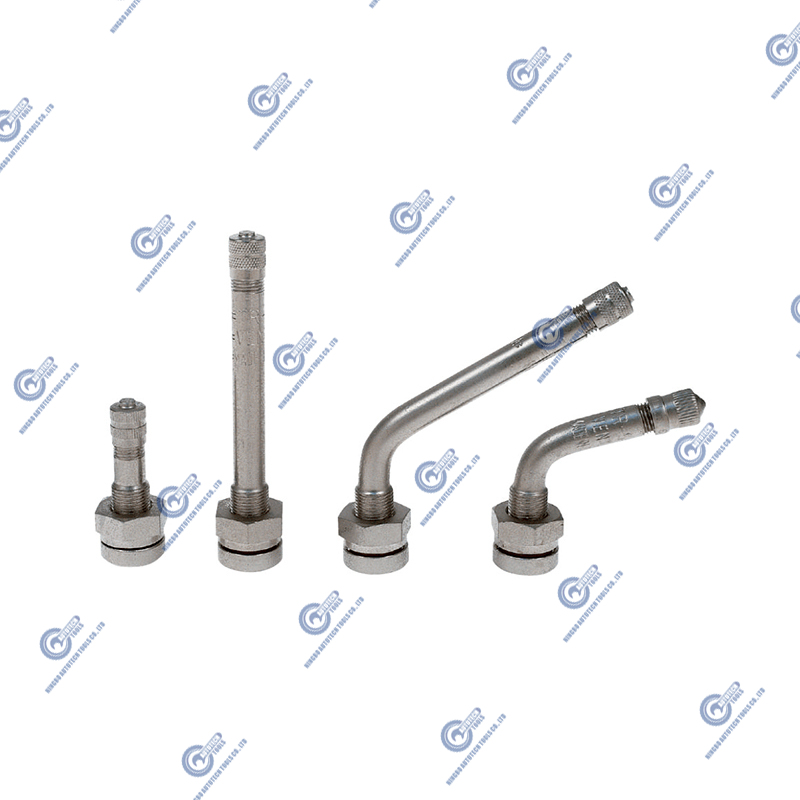
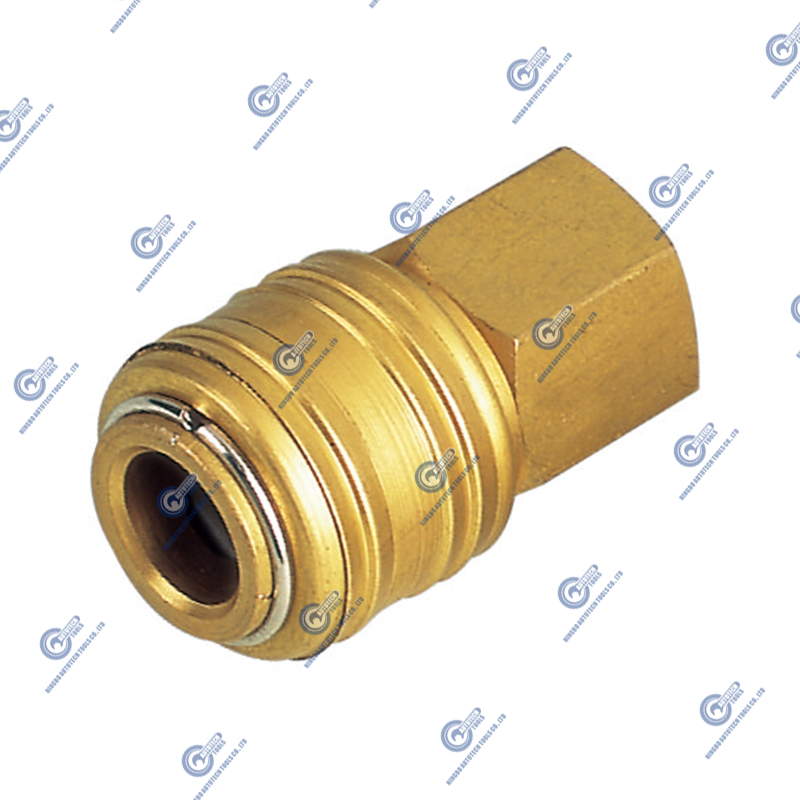
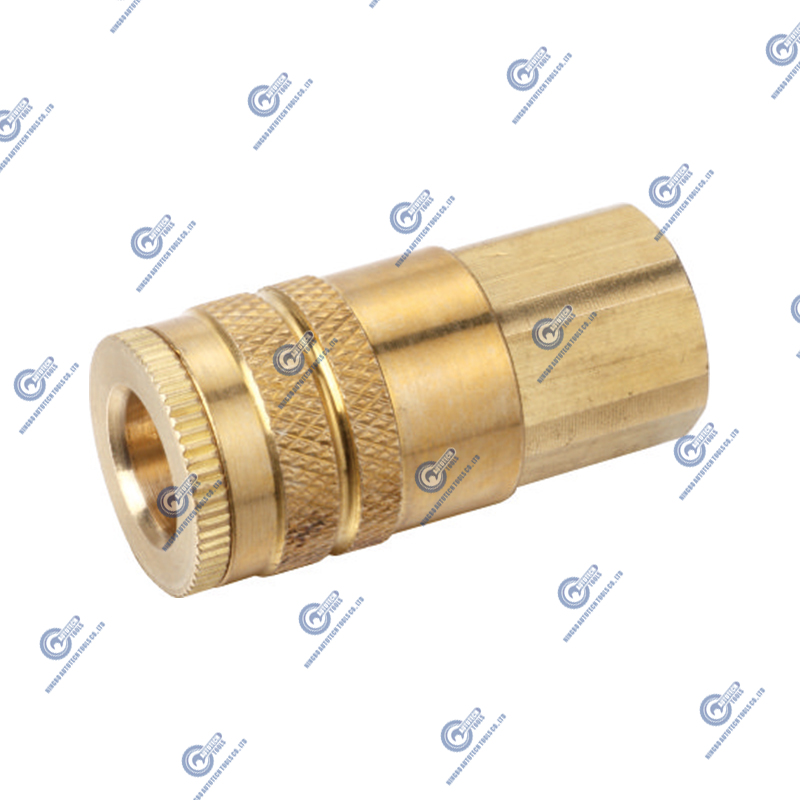
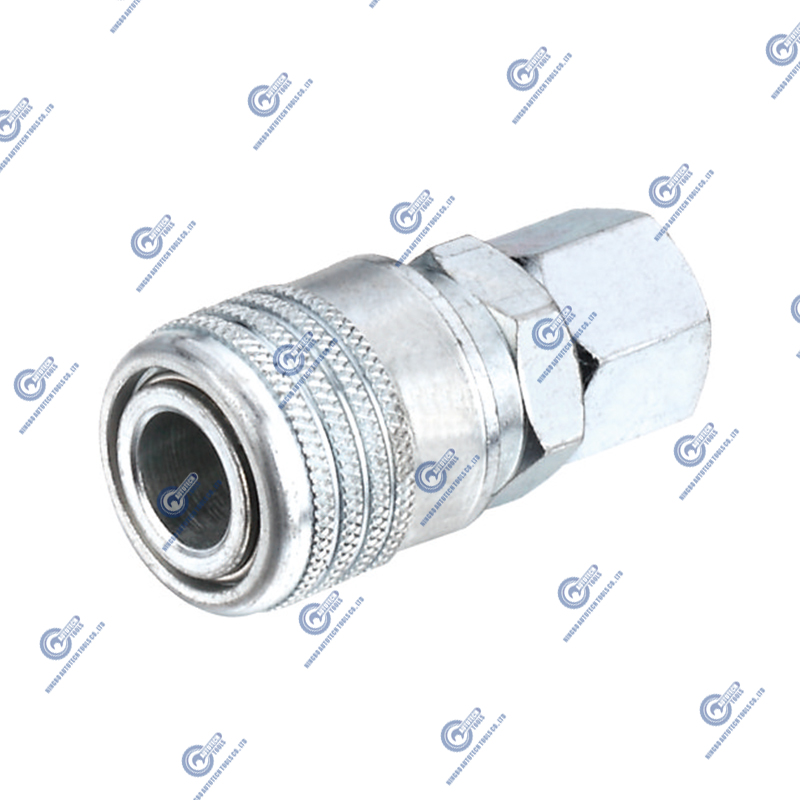

Ningbo Autotech Tools Co.,Ltd was founded in 2014 as a professional manufacturer of tire valves, tire repair tools & air quick couplings.
Product links
Contact Us
-
Address:No.16 Gaoqiang Road, Jiangnan Industrial Zone, Gaoqiao Town, Yinzhou District, Ningbo, China. 315175
-
Tel:+86-0574-89073063
-
E-mail:jimmy@autotechtool.com
