


 English
 Español
News
 Home / News / Industry news / Is Your Tire Gauge & Inflator Giving False Readings? How to Calibrate Your Tools
 Is Your Tire Gauge & Inflator Giving False Readings? How to Calibrate Your Tools
 2026.03.02
 Industry news
In modern road safety management, a Tire Gauge & Inflator is far more than a simple pumping tool; it is a core device for ensuring vehicle handling, fuel economy, and driving safety. However, many car owners overlook a critical fact: these precision instruments drift over time. If your tire gauge provides incorrect readings, it can lead to under-inflation or over-inflation, which in turn causes blowouts, increased braking distances, and abnormal tire wear.
The Science of Inaccuracy: Why Tire Tools Fail Over Time
Even a high-quality Tire Gauge & Inflator will inevitably experience precision drift during long-term use. Understanding the physical and electronic principles behind this is the first step in effective troubleshooting.
Mechanical Wear vs. Electronic Drift
Different types of tire pressure tools have distinct failure mechanisms:
- Analog Gauges: These tools typically rely on a Bourdon tube or an internal spring mechanism. As the number of uses increases, metal fatigue causes the spring to lose its original tension. Furthermore, if you accidentally drop an analog gauge, the delicate internal gears or the needle shaft may shift, leading to a permanent reading offset.
- Digital Inflators: These utilize pressure transducers to convert physical force into electrical signals. While they don’t have complex mechanical wear issues, they are highly susceptible to Electronic Drift. This drift is usually caused by unstable battery voltage, aging circuits, or prolonged exposure to extreme temperature fluctuations.
Environmental Impact: Temperature, Humidity, and Corrosion
Most household inflators are calibrated at standard ambient temperatures.
- Temperature Effects: Extreme cold or heat changes the impedance of internal sensors or the expansion coefficient of mechanical parts.
- Humidity and Corrosion: Storing tools in damp garages or trunks for long periods allows moisture to seep into the chuck or sensor chamber, leading to internal oxidation. This corrosion not only blocks air passages but also hardens rubber O-rings, creating micro-leaks that cause the measured value to be lower than the actual tire pressure.
Detecting False Readings: The “Master Gauge” Test
When you suspect your Tire Gauge & Inflator is inaccurate, blind adjustment is dangerous. You need to establish a baseline through a systematic comparison test.
Establishing a Baseline with Comparison
Professional repair shops usually own a “Master Gauge” certified by official bodies (such as ANSI). As a regular user, you can verify your device using the “Three-Way Comparison Method”:
- Measure using your primary Tire Gauge & Inflator.
- Measure again using a high-quality portable “pencil-style” manual gauge.
- Cross-reference the vehicle’s built-in TPMS (Tire Pressure Monitoring System) dashboard reading.
Technical Accuracy Thresholds
The following table outlines how to judge whether your equipment requires calibration or disposal:
| Reading Difference | Status Evaluation | Required Action |
|---|---|---|
| 0 - 0.5 PSI | Extremely Accurate | No action needed; maintain regular cleaning. |
| 1 - 2 PSI | Acceptable Range | Standard error for most household tools; monitor monthly. |
| 3 - 5 PSI | Critical Condition | Warning: Calibrate immediately to ensure driving safety. |
| > 5 PSI | Failed / Defective | Internal structure damaged; replace with a new device immediately. |
How to Calibrate Your Tire Gauge & Inflator for Peak Performance
Not all tire pressure tools are adjustable, but many mid-to-high-end digital and analog devices have built-in calibration paths.
Calibrating Analog Dial Gauges
Analog gauges usually have a tiny adjustment screw located under the dial or on the side.
- Step 1: Find a stable air source with a known accurate pressure (e.g., have a professional tire shop inflate a spare tire to exactly 30 PSI).
- Step 2: Connect your gauge. If it reads 32 PSI, use a precision screwdriver to slowly turn the adjustment screw until the needle points exactly to the 30 PSI mark.
- Step 3: Re-test at different points like 15 PSI and 45 PSI to ensure “linearity” across the entire scale.
Resetting and Calibrating Digital Inflators
Digital inflators usually feature a “Zero-Tare” function.
- Atmospheric Reset: Turn on the power while disconnected from the tire. If the screen shows a non-zero value (e.g., 0.5 PSI), long-press the “Unit” or “Power” button (refer to your manual) to perform a hard reset and force it to 0.0.
- Reference Value Calibration: Some high-end cordless inflators support calibration modes via specific button combinations. You can input a known standard pressure value to allow the sensor to recalibrate its pressure curve.
Maintenance Tips for Long-Term Precision
A Tire Gauge & Inflator is a precision measurement instrument, not a heavy-duty hardware tool. Proper storage and maintenance habits are the best ways to prevent false readings.
Protective Storage and Handling
- Avoid Severe Vibration: Many owners toss their inflators onto the trunk floor. Bouncing during driving can damage internal sensors. It is recommended to keep the tool in a padded storage case.
- Battery Management: For digital devices, if they won’t be used for more than three months, be sure to remove the batteries. Leaking battery acid can instantly corrode the delicate circuitry of the pressure transducer.
Cleaning the Valve Connector (Chuck)
Dirt and debris inside the chuck are leading causes of inconsistent readings.
- Airtightness Check: If you hear a “hissing” sound during inflation, the reading is inevitably wrong.
- Cleaning Method: Periodically use a cotton swab dipped in a small amount of isopropyl alcohol to clean the internal rubber O-ring and center pin. This ensures a 100% airtight seal and prevents oil from corroding the internal pressure diaphragm.
Frequently Asked Questions (FAQ)
1. Can cold weather affect the accuracy of my tire gauge?
Yes. Extreme cold can stiffen internal mechanical parts or change the impedance of electronic sensors. It is recommended to store the tool at room temperature or let it warm up in the car’s heater before use.
2. Are digital inflators always more accurate than analog ones?
Not necessarily. Digital displays are just easier to read; the core accuracy depends on the quality of the internal sensor. A high-quality liquid-filled analog gauge is often more durable and consistent than a cheap digital one.
3. Why is my inflator reading different from my car’s dashboard?
This is usually because TPMS (Tire Pressure Monitoring System) sensors update slowly when stationary, or because the measurement locations differ (valve stem vs. inside the wheel hub). Temperature differences also cause a normal 1-2 PSI deviation.
4. How often should I calibrate my tire tools?
For personal use, a comparison check once a year is sufficient. If you are an off-road enthusiast who frequently adjusts tire pressure (airing down/up), a check every six months is recommended.
References and Citations
- ANSI/ASME B40.100: Standard for Pressure Gauges and Gauge Attachments (2025 Revision).
- NIST (National Institute of Standards and Technology): Guide for Pressure Calibration and Metrology.
- Tire Industry Association (TIA): Maintenance Standards for Professional Inflation Tools.
- SAE International: Comparative Analysis of Digital vs. Analog Pressure Transducers in Automotive Applications.
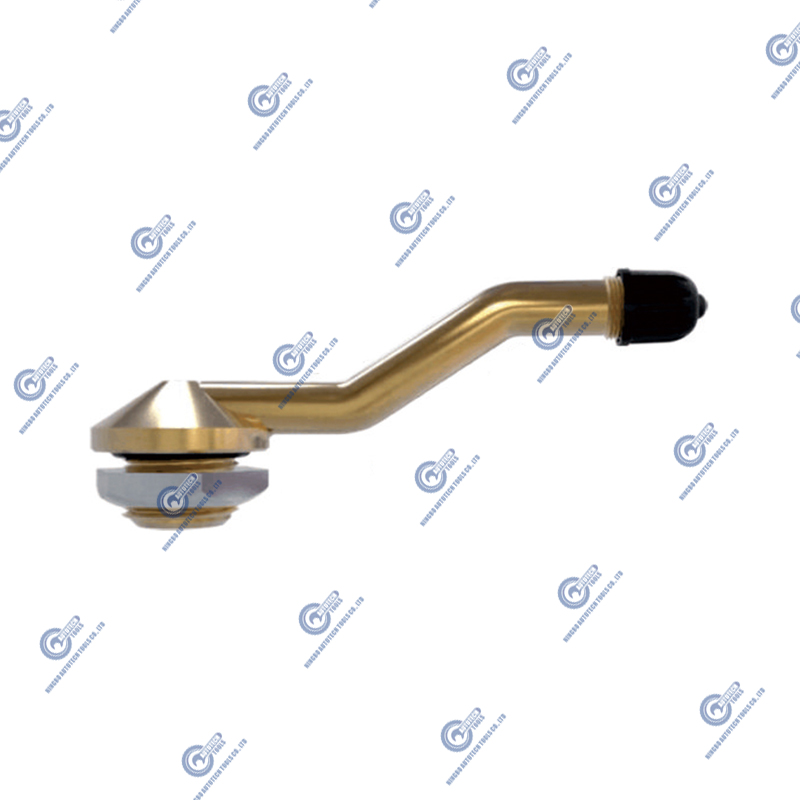
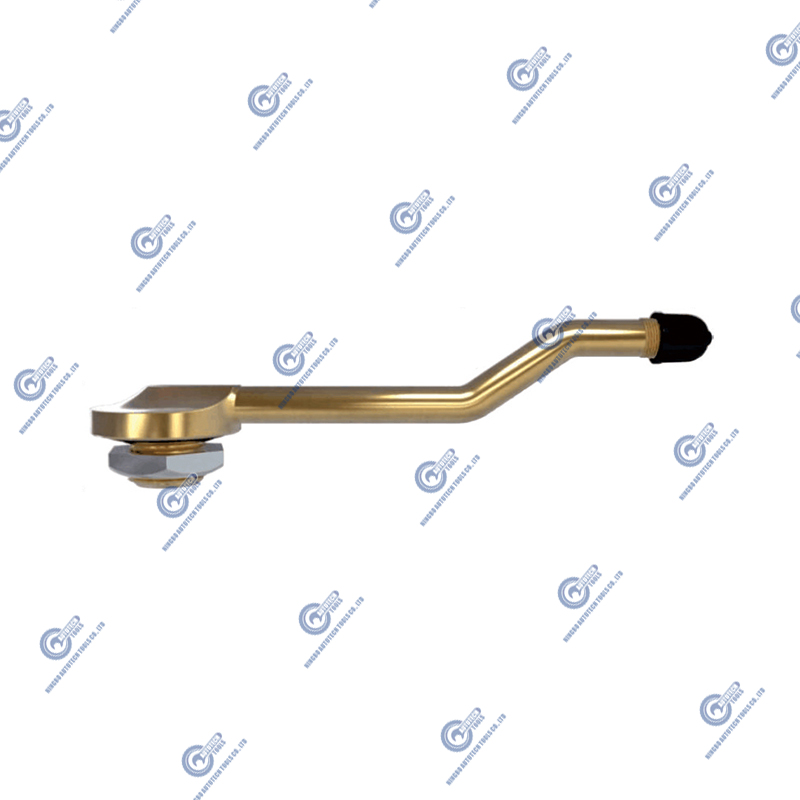
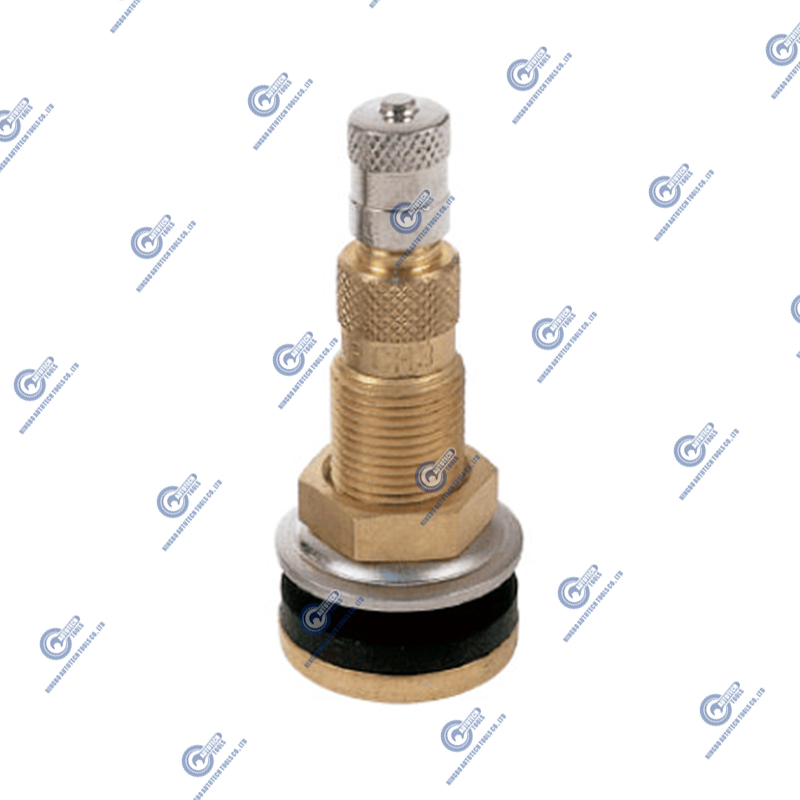
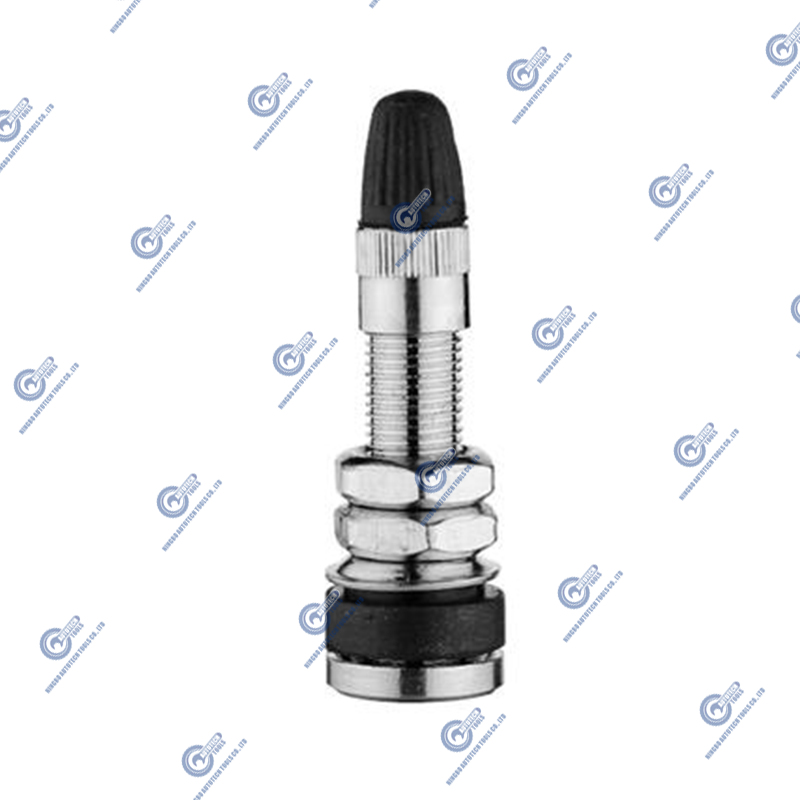
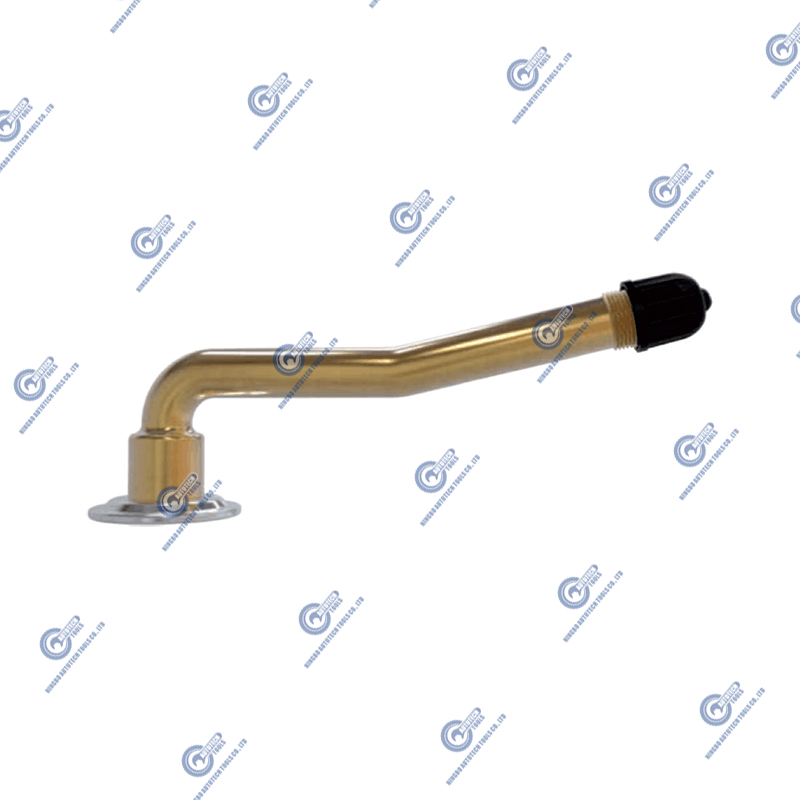
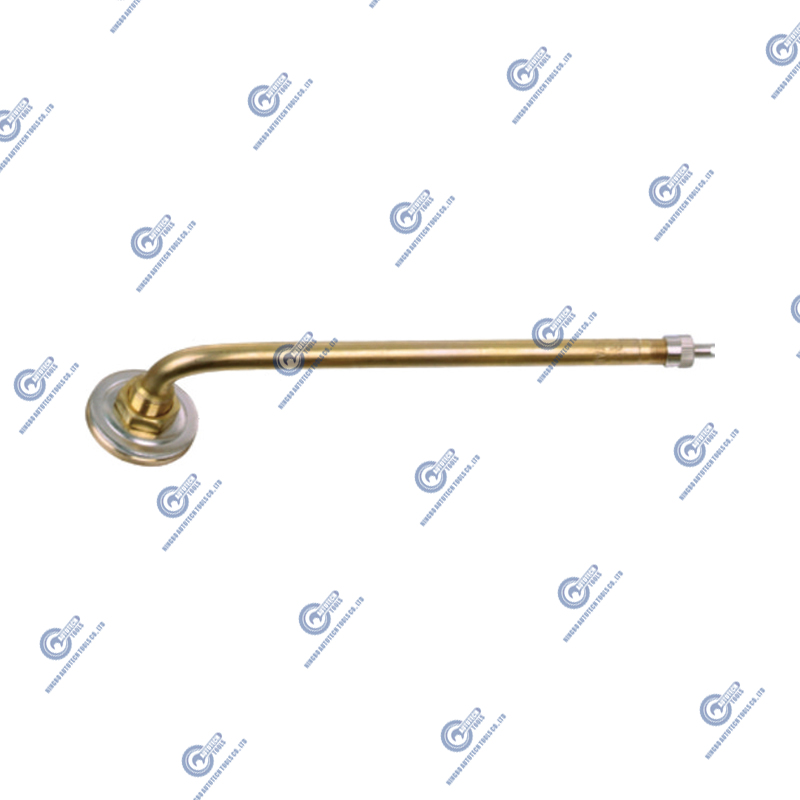
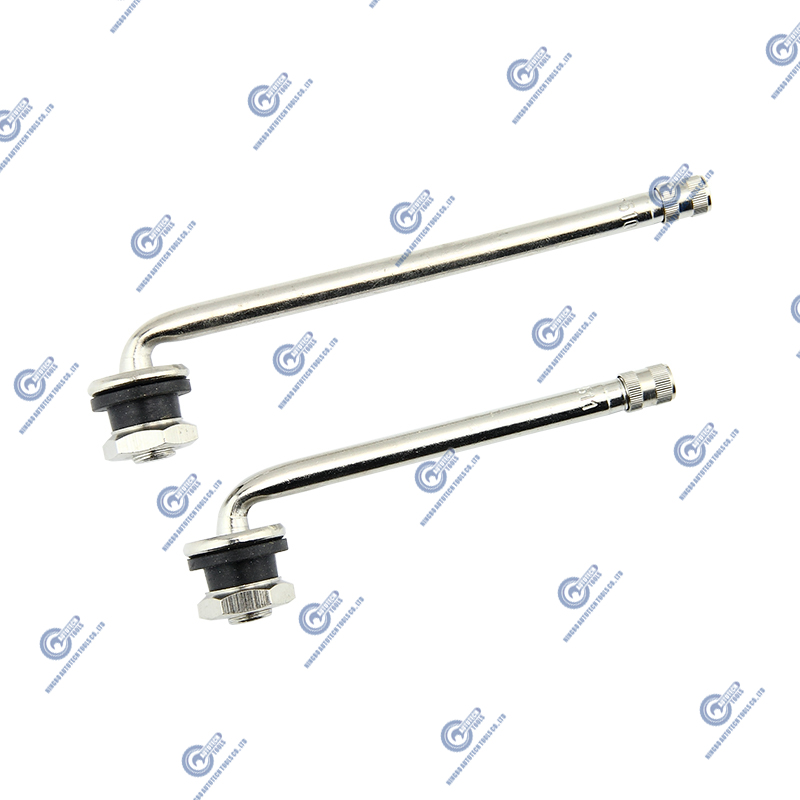
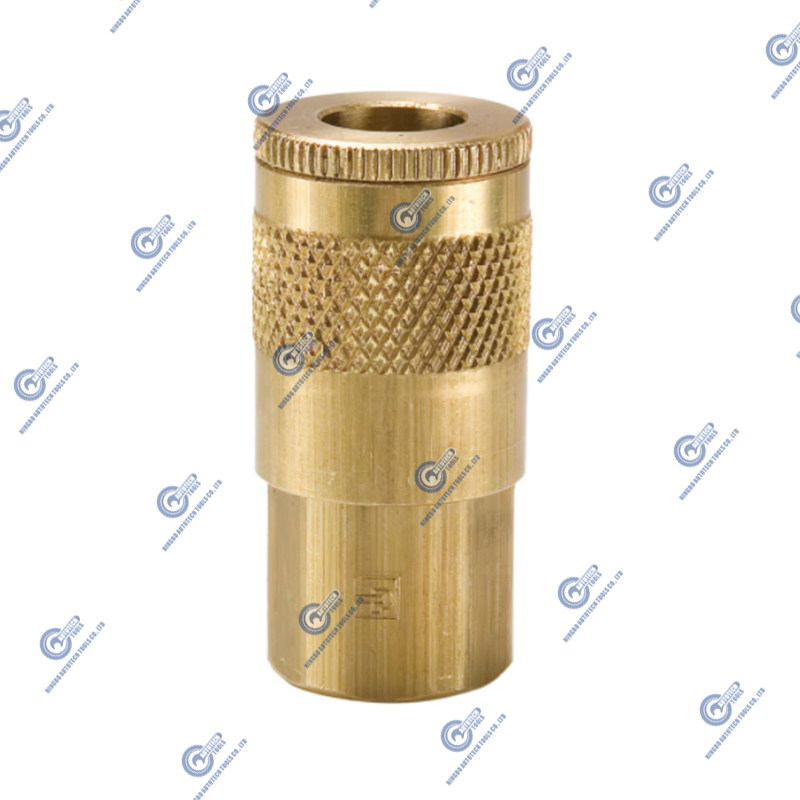
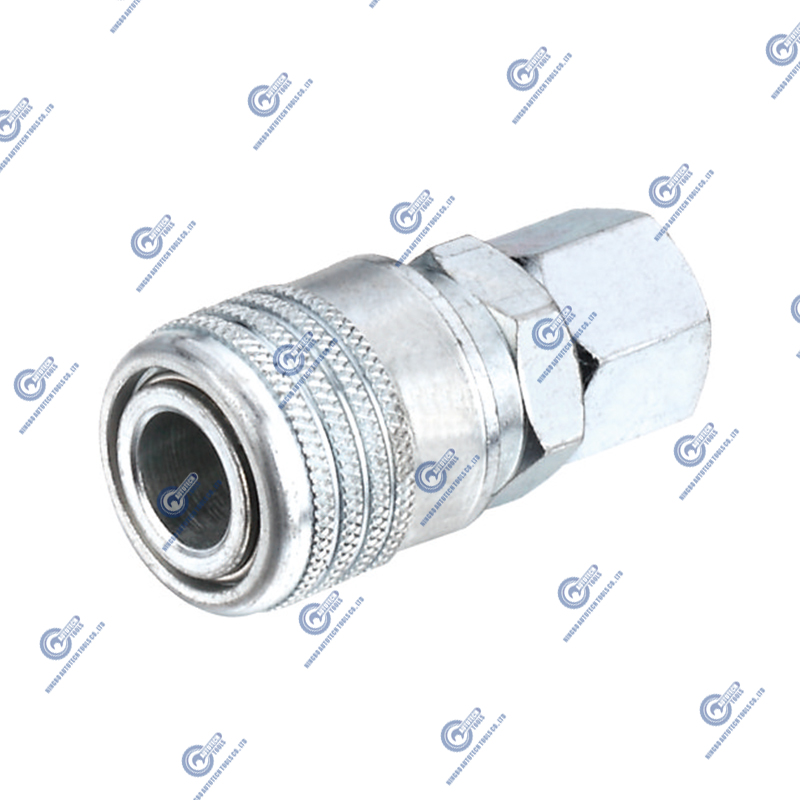
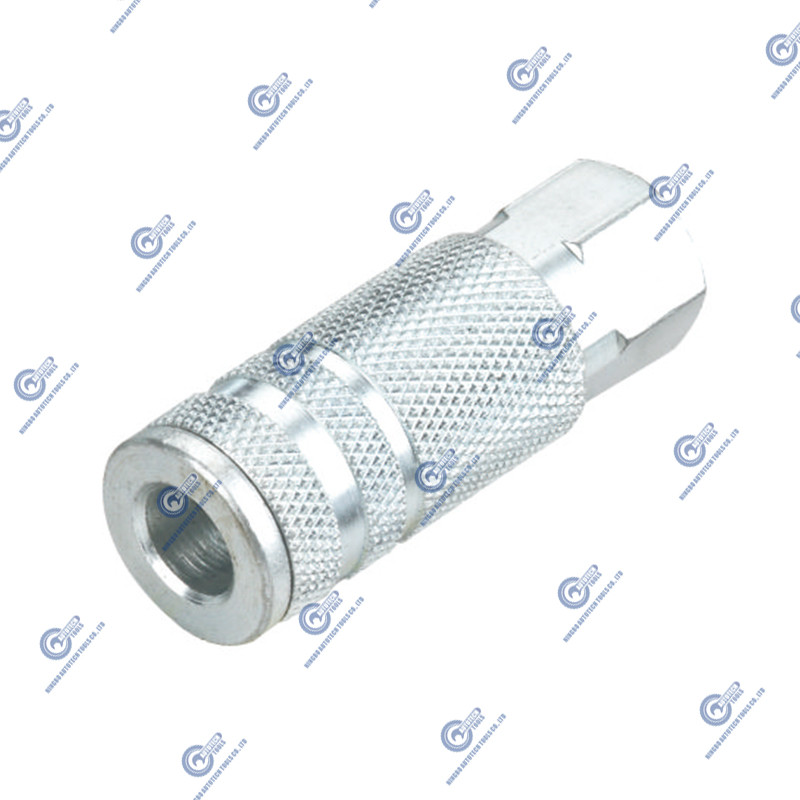
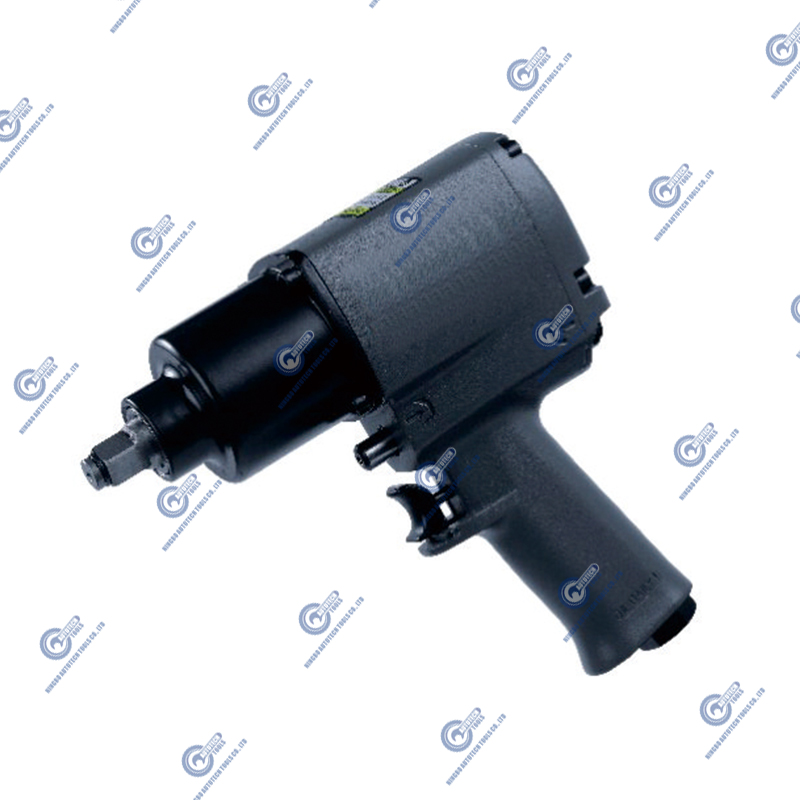
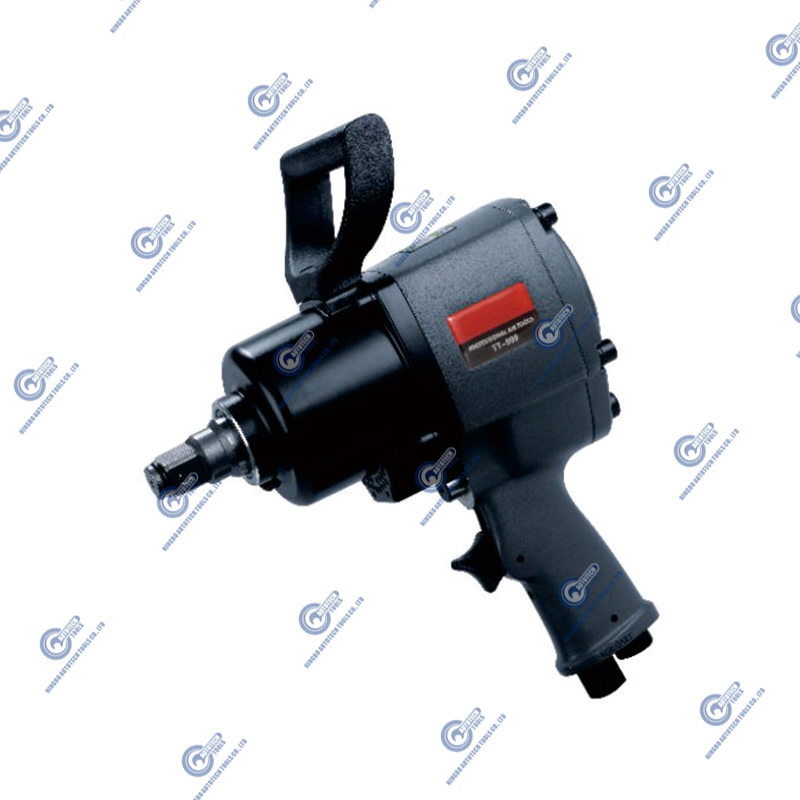

Ningbo Autotech Tools Co.,Ltd was founded in 2014 as a professional manufacturer of tire valves, tire repair tools & air quick couplings.
Product links
Contact Us
-
Address:No.16 Gaoqiang Road, Jiangnan Industrial Zone, Gaoqiao Town, Yinzhou District, Ningbo, China. 315175
-
Tel:+86-0574-89073063
-
E-mail:jimmy@autotechtool.com
