


 English
 Español
News

Tire Valve Types Explained: Schrader vs. Snap-In vs. Clamp-In
 2026.07.06
 Industry news
Schrader valves are the standard valve type used on virtually all passenger vehicles, motorcycles, and bicycles in North America, while snap-in and clamp-in TIRE VALVES refer to how the valve stem itself is mounted into the wheel rim — not a different valve mechanism. Snap-in stems are pressed into the rim and suited for passenger vehicles, while clamp-in (bolt-in) stems are bolted in place and used primarily on high-pressure applications like trucks and trailers.
Below, we explain the difference between valve types and mounting styles, when each is used, and how to choose the right one for your vehicle or equipment.
Understanding the Two Categories: Valve Mechanism vs. Mounting Style
A common point of confusion is that "Schrader" describes the valve mechanism itself (the spring-loaded pin that lets air in and seals it inside), while "snap-in" and "clamp-in" describe how the valve stem is physically mounted into the wheel. This means a tire can have a snap-in Schrader valve or a clamp-in Schrader valve — they aren't mutually exclusive categories.
Understanding this distinction is the first step to choosing the correct replacement valve for your specific wheel and application.
Schrader Valves: The Industry Standard
The Schrader valve, invented in 1893, is the most widely used tire valve mechanism in the world. It uses a spring-loaded pin inside a threaded valve body, which opens when pressed (such as by an inflator nozzle) and seals shut under tire pressure when released.
Key Characteristics
- Universal compatibility: Used on cars, motorcycles, ATVs, and most mountain bikes.
- Pressure range: Suitable for typical passenger tire pressures of 30-50 PSI, and up to 100+ PSI in heavy-duty variants.
- TPMS compatibility: Most factory TPMS (tire pressure monitoring system) sensors are built around a Schrader-style valve core.
Because of its widespread adoption, over 90% of valve stems sold for passenger vehicles in North America use the Schrader mechanism, making replacement parts easy to find at nearly any auto parts retailer.
Snap-In Valve Stems: Standard for Most Passenger Vehicles
Snap-in valve stems are rubber-bodied stems that are pressed directly into a hole in the wheel rim, held in place by the rubber's grip and elasticity rather than a separate fastening mechanism.
Advantages
- Quick installation: Can be installed in seconds using a valve stem installation tool, without bolts or fasteners.
- Cost-effective: Typically less expensive than clamp-in alternatives, often under a few dollars per stem.
- Sufficient for most passenger use: Reliable for tire pressures up to roughly 65 PSI, covering the vast majority of cars and light trucks.
Limitations
The rubber body can degrade over time due to UV exposure, ozone, and road chemicals. Most manufacturers recommend replacing snap-in stems every 5-6 years or whenever new tires are mounted, since the rubber may have hardened or cracked even if no leak is currently visible.
Clamp-In (Bolt-In) Valve Stems: Built for High Pressure
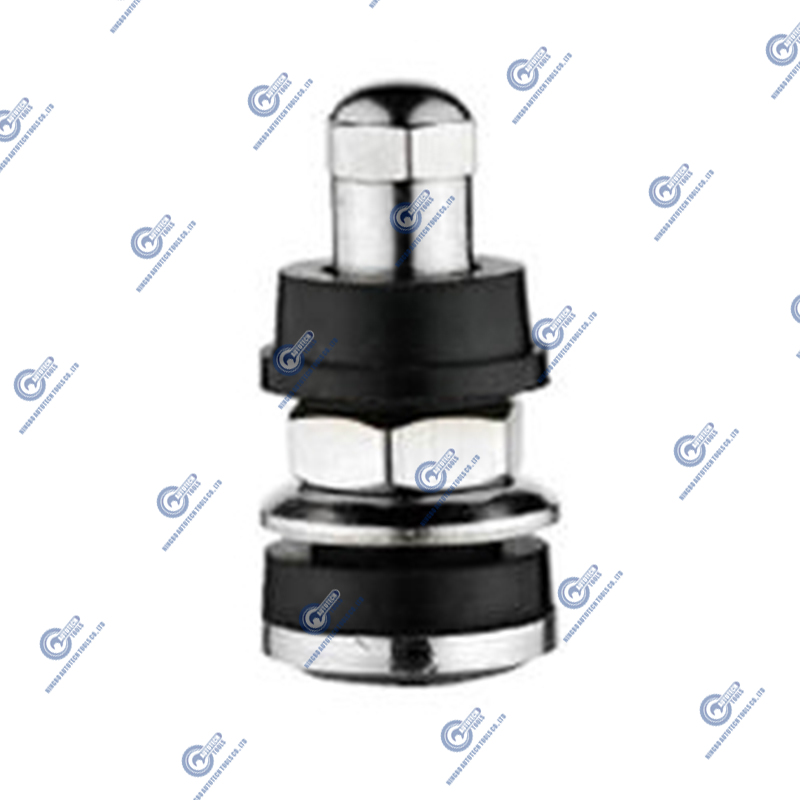
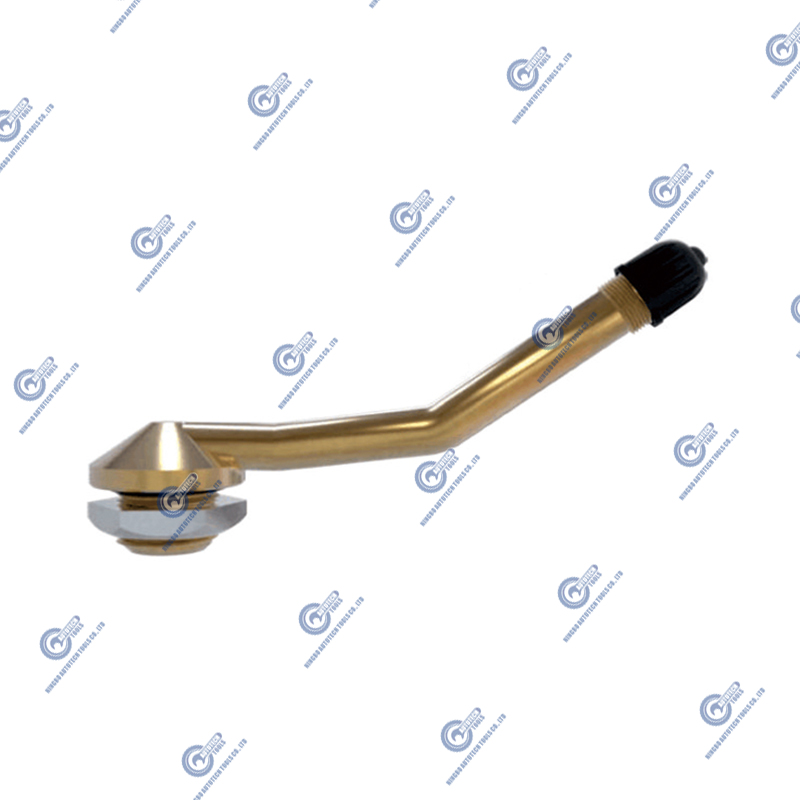
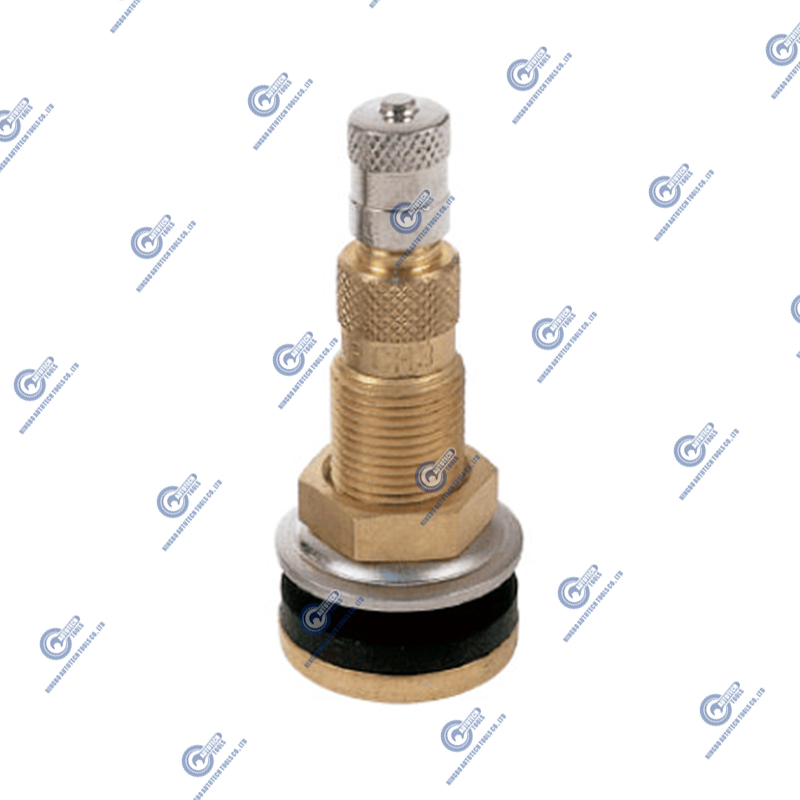
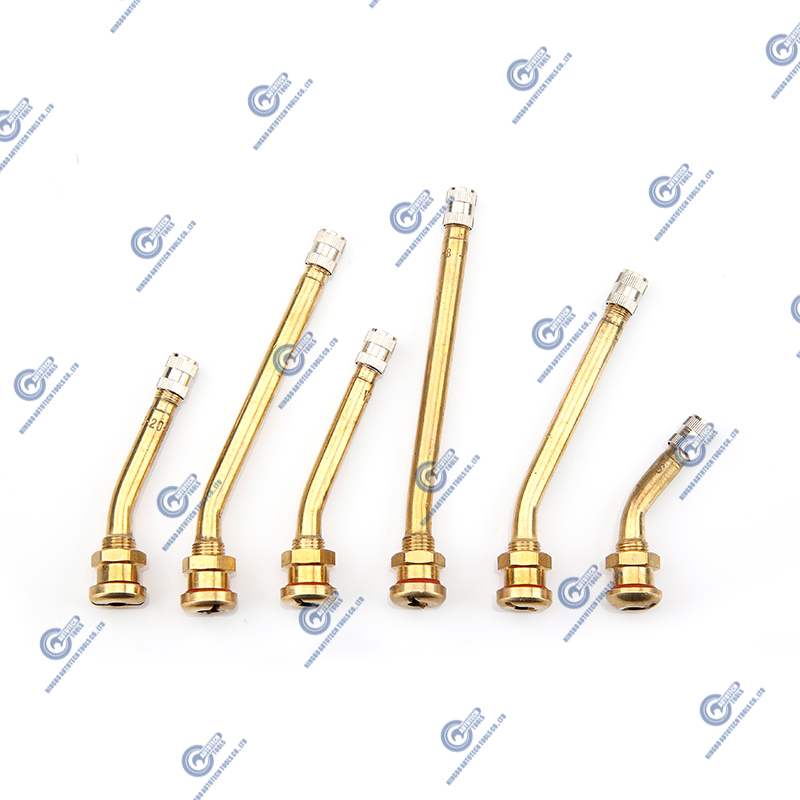
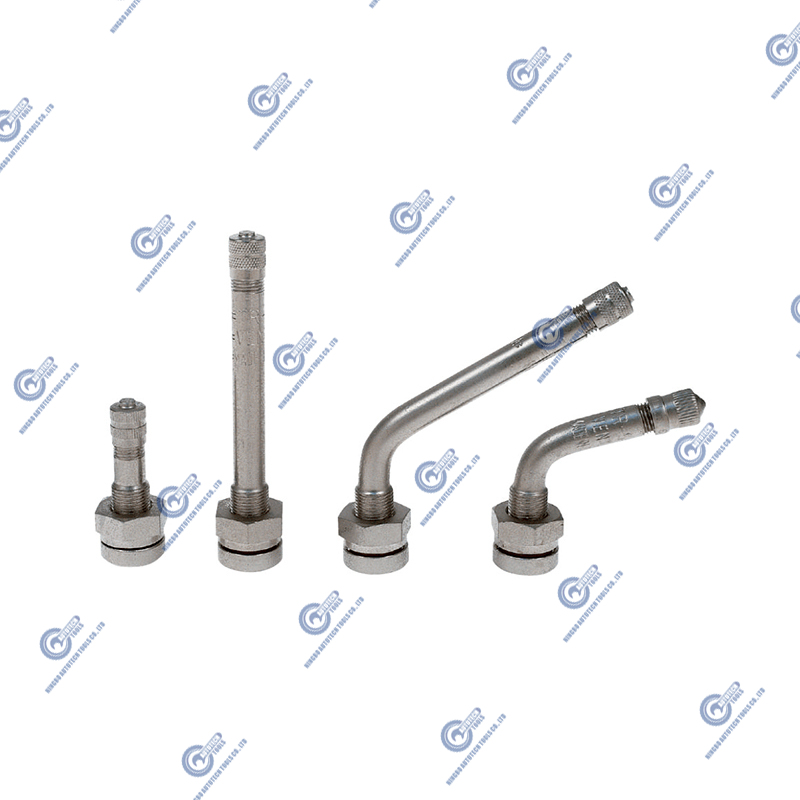
Clamp-in valve stems use a metal body secured to the wheel with a nut or clamp mechanism, rather than relying on rubber elasticity. This design provides a more secure, vibration-resistant mount suited for higher-pressure applications.
Advantages
- Higher pressure tolerance: Commonly rated for 80-150+ PSI, suitable for trucks, trailers, and high-performance vehicles.
- Greater durability: Metal construction resists the cracking and hardening that affects rubber snap-in stems over time.
- Reduced vibration risk: The bolted connection is less prone to loosening under heavy loads or rough terrain.
Limitations
Installation requires more time and basic tools compared to snap-in stems, and the parts themselves typically cost more. Clamp-in stems are generally unnecessary for standard passenger vehicles, where the added pressure tolerance and durability don't outweigh the higher cost and installation complexity.
Side-by-Side Comparison
The table below summarizes the key differences between snap-in and clamp-in mounting styles, both of which commonly use a Schrader valve mechanism.
| Feature | Snap-In | Clamp-In |
|---|---|---|
| Material | Rubber body | Metal body with nut/clamp |
| Max Pressure Rating | Up to ~65 PSI | 80-150+ PSI |
| Typical Lifespan | 5-6 years | 8-10+ years |
| Best For | Passenger cars, light trucks | Heavy trucks, trailers, high-performance wheels |
Signs Your Valve Stem Needs Replacement
Valve stems are a common but often overlooked source of slow air leaks. Watch for these warning signs:
- Visible cracking or dry rot on the rubber body of a snap-in stem.
- Tire losing 1-2 PSI per week with no visible puncture in the tread.
- Audible hissing near the valve stem when soapy water is applied.
- Valve cap won't seal properly or threads appear stripped or corroded.
Most tire professionals recommend replacing the valve stem any time a tire is removed for service, since the labor cost to replace it later (after a leak develops) is the same as doing it proactively during a routine tire change.
Final Recommendation
For standard passenger cars and light trucks, a snap-in Schrader valve stem is the correct and most cost-effective choice, and should be replaced every 5-6 years or with each new tire installation. For heavy-duty trucks, trailers, or high-performance vehicles running higher tire pressures, a clamp-in Schrader valve stem provides the added durability and pressure tolerance needed for demanding conditions.
Regardless of mounting style, always confirm the valve stem matches your vehicle's required pressure rating and is compatible with any installed TPMS sensors before replacement.

Ningbo Autotech Tools Co.,Ltd was founded in 2014 as a professional manufacturer of tire valves, tire repair tools & air quick couplings.
Product links
Contact Us
-
Address:No.16 Gaoqiang Road, Jiangnan Industrial Zone, Gaoqiao Town, Yinzhou District, Ningbo, China. 315175
-
Tel:+86-0574-89073063
-
E-mail:jimmy@autotechtool.com
