


 English
 Español
News

Tire Valves for TPMS Systems: What's Different and Why
 2026.08.24
 Industry news
TPMS-compatible tire valves differ from standard valves primarily because they must house or attach to a pressure sensor inside the wheel, requiring specific valve stem designs — typically aluminum or a hybrid metal-rubber construction rated for the sensor's clamp-in mounting — rather than the simple rubber snap-in valves used on non-TPMS wheels. Using the wrong valve type on a TPMS-equipped wheel can damage the sensor, cause inaccurate pressure readings, or result in a slow air leak that standard valves wouldn't otherwise cause.
What TPMS Actually Requires From a Valve
A Tire Pressure Monitoring System (TPMS) uses a small electronic sensor mounted inside the wheel to continuously measure air pressure and transmit that data wirelessly to the vehicle's dashboard. In most passenger vehicles, this sensor is physically attached to the valve stem itself, meaning the valve isn't just a simple air inlet — it's also the mounting point and support structure for an electronic component.
Because the sensor assembly can weigh 20–30 grams and spins with the wheel at highway speeds, the valve stem supporting it must be significantly more rigid and securely mounted than a standard rubber snap-in valve designed only to hold back air pressure.
Standard Rubber Valves vs. TPMS Valves
Standard rubber snap-in valves are a single molded piece that flexes slightly during installation and seals against the wheel's valve hole through rubber compression. This works well for basic tire inflation but isn't rigid enough to reliably support a sensor spinning at speed for years without fatigue cracking.
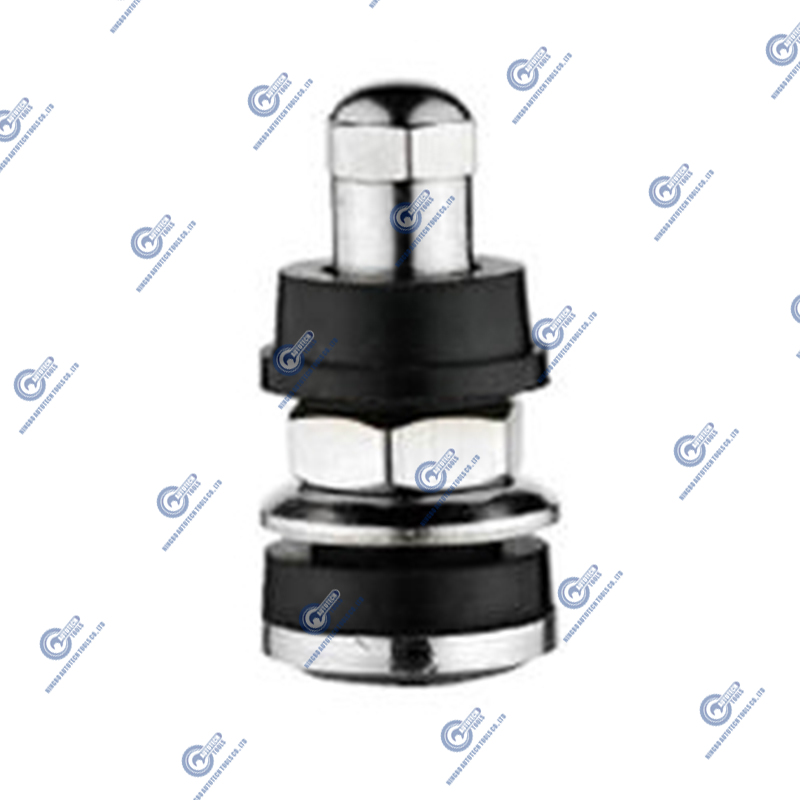
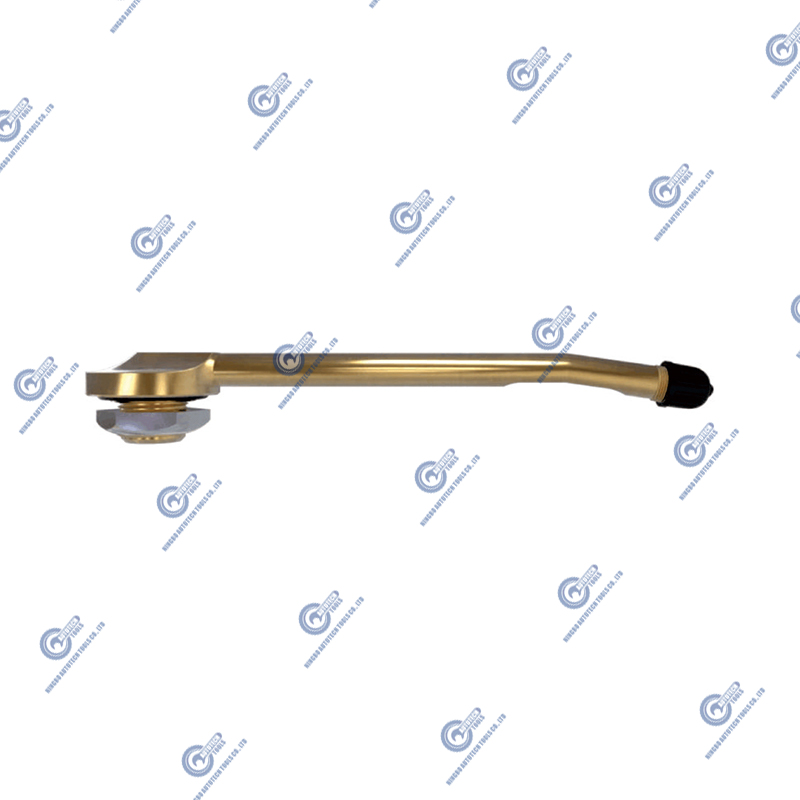
TPMS valves are typically built as clamp-in units with a rigid aluminum or metal core, bolted securely to the wheel rather than simply pressed into place. This provides the structural support the sensor needs while maintaining an airtight seal under constant vibration and centrifugal force.
Key Differences at a Glance
| Feature | Standard Rubber Valve | TPMS-Compatible Valve |
|---|---|---|
| Construction | Single molded rubber piece | Rigid aluminum core with rubber grommet seal |
| Mounting method | Snap-in, pressed into wheel hole | Clamp-in, bolted with a torque nut |
| Sensor compatibility | Not designed for sensor attachment | Built to support and integrate TPMS sensor |
| Typical lifespan | 5–6 years | Sensor life dependent (often 7–10 years) |
| Replacement recommendation | Every new tire installation | Every new tire installation (service kit) |
Why TPMS Valves Need to Be Replaced More Carefully
Because the rubber grommet seal on a TPMS valve is smaller and works harder to seal around a rigid metal core, it degrades faster under heat and UV exposure than a full rubber snap-in valve. Most tire manufacturers and TPMS sensor makers recommend replacing the rubber seal components — often sold as a "TPMS service kit" including the grommet, valve core, cap, and retaining nut — every time a tire is removed and reinstalled.
Reusing old TPMS valve seals is one of the leading causes of slow air leaks after tire service, since the compressed rubber grommet can lose its sealing property once removed and reseated, even if it looks physically intact.
Common Mistakes When Replacing TPMS Valves
- Installing a standard rubber snap-in valve on a wheel that requires a TPMS sensor mount, which will not physically accommodate the sensor
- Over-torquing the retaining nut on a clamp-in valve, which can crack the sensor housing or distort the seal
- Reusing old rubber grommets and valve cores instead of replacing them as part of the service kit
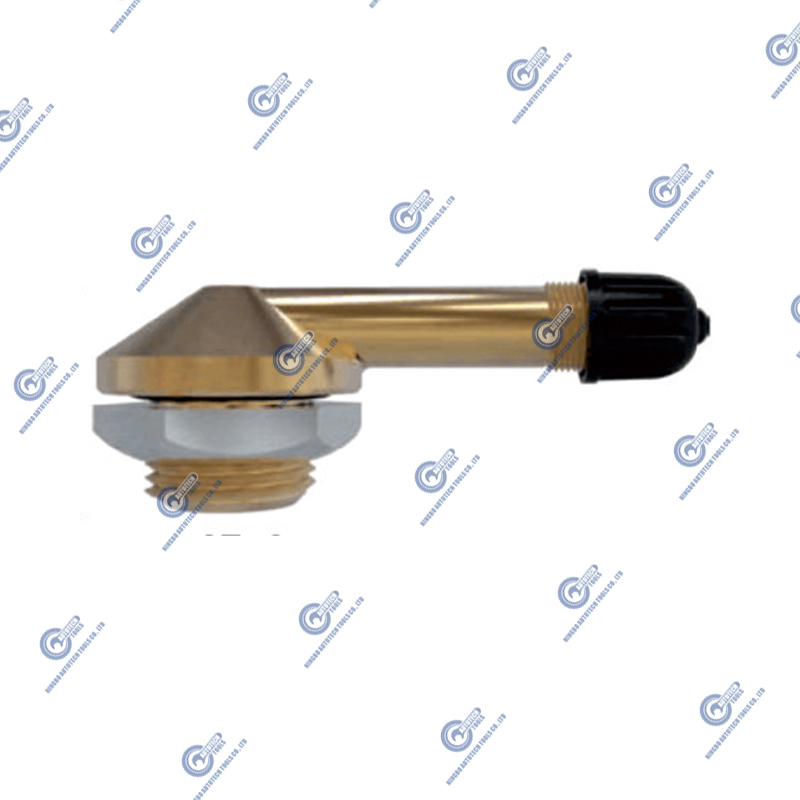
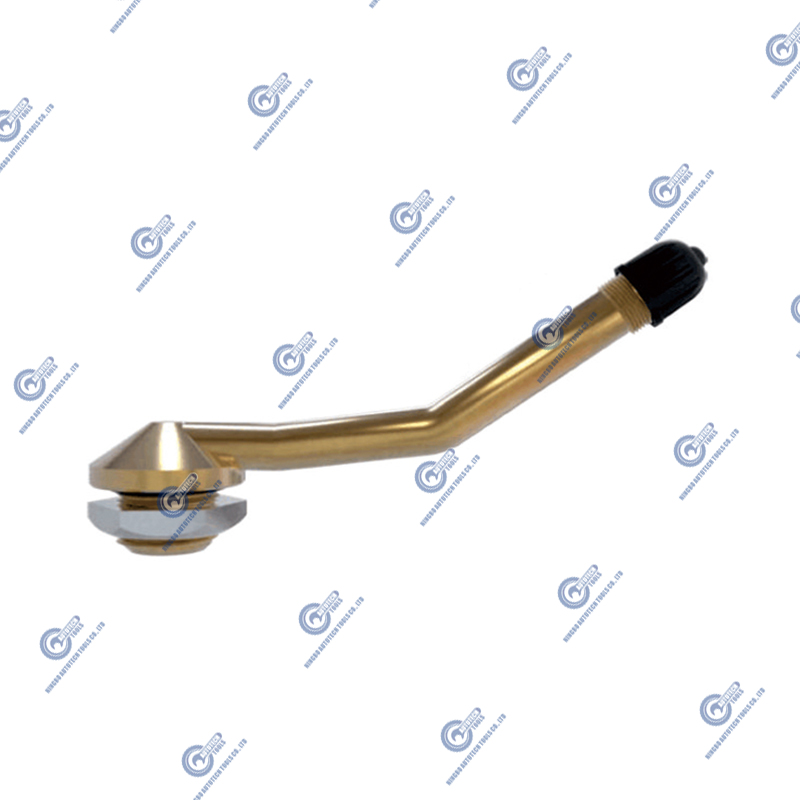
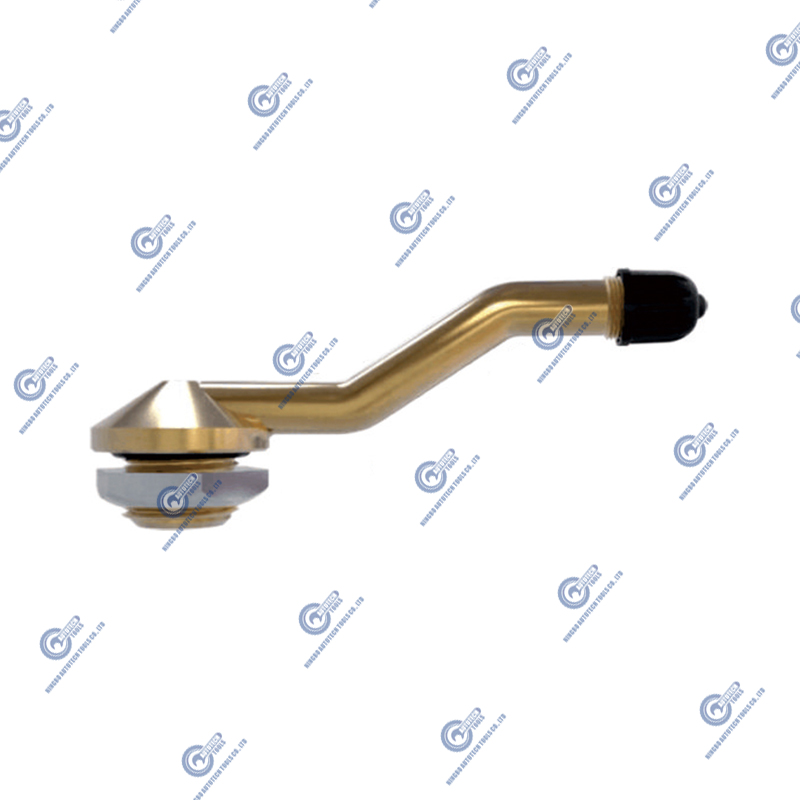
- Mixing valve stem lengths or angles that don't match the original sensor design, causing clearance issues with the wheel or brake components
Torque Specifications Matter More Than People Expect
Unlike rubber snap-in valves, which don't have a specific torque requirement, TPMS clamp-in valves rely on a precisely torqued retaining nut to maintain an airtight seal without damaging the sensor housing. Most TPMS valve manufacturers specify a torque range of approximately 4 to 6 inch-pounds — significantly lower than most people would instinctively apply by hand, which is why a calibrated torque wrench designed for TPMS service is considered standard practice among tire technicians.
How to Check If Your Vehicle Uses TPMS Valves
Nearly all vehicles manufactured after 2007 in the United States are required to include TPMS as a result of the TREAD Act, meaning the vast majority of passenger vehicles on the road today use TPMS-compatible valves rather than standard rubber ones. If your dashboard has a tire pressure warning light (a U-shaped icon with an exclamation point) or your owner's manual mentions TPMS, your vehicle almost certainly requires TPMS-specific valve service.
When in doubt, a quick visual check at the valve stem can help — TPMS valves typically show a visible metal core and retaining nut at the base, rather than a fully rubber stem that flexes freely by hand.
TPMS valves aren't just a variation of standard tire valves — they're a structurally different component built to support an electronic sensor under continuous rotational stress. Using the wrong valve type, skipping seal replacement during tire service, or over-torquing the retaining nut are all common mistakes that can lead to sensor damage or slow leaks. For any TPMS-equipped vehicle, replacing the full valve service kit at every tire change remains the safest, most reliable practice to keep both the sensor and the seal functioning correctly.

Ningbo Autotech Tools Co.,Ltd was founded in 2014 as a professional manufacturer of tire valves, tire repair tools & air quick couplings.
Product links
Contact Us
-
Address:No.16 Gaoqiang Road, Jiangnan Industrial Zone, Gaoqiao Town, Yinzhou District, Ningbo, China. 315175
-
Tel:+86-0574-89073063
-
E-mail:jimmy@autotechtool.com
