


 English
 Español
News

Tire Pressure Gauge Buying Guide: Features to Look For
 2026.08.17
 Industry news
The most important features to look for in a tire pressure gauge are accuracy (within ±1 PSI), an appropriate pressure range for your vehicle type, a readable display format, and build durability — with digital gauges generally offering the best combination of accuracy and ease of reading for most drivers. Choosing the wrong gauge type or range is one of the most common reasons drivers unknowingly over- or under-inflate their tires.
Accuracy: The Most Critical Feature
Accuracy determines whether your tires are actually inflated to a safe, efficient pressure — or whether you only think they are. A gauge that reads even 2–3 PSI off can lead to noticeable differences in handling, fuel economy, and tire wear over time.
Look for gauges that specify an accuracy tolerance of ±1 PSI or better; budget gauges without a stated tolerance often vary by 3–5 PSI compared to a reference gauge, which is enough to meaningfully affect tire performance and even trigger a low-pressure warning light unnecessarily.
Gauge Type: Digital, Analog (Dial), or Stick
Digital Gauges
Digital gauges display an exact numeric reading, removing guesswork from interpretation. Most quality digital gauges offer ±1 PSI accuracy and often include backlit displays for low-light use, such as checking tires at night or in a dim garage.
Analog (Dial) Gauges
Dial gauges use a needle and printed scale, and tend to hold calibration well over time if built with a quality internal mechanism. High-quality dial gauges can maintain accuracy within ±1–2 PSI for years, though cheaper models are more prone to drift after repeated drops or temperature swings.
Stick (Pencil) Gauges
Stick gauges are compact and inexpensive but generally the least accurate of the three types, often varying by 3–4 PSI between units. They remain popular as glovebox backups due to their small size and low cost, but are not recommended as a primary gauge for accuracy-sensitive checks.
Comparing Gauge Types
| Type | Typical Accuracy | Ease of Reading | Best For |
|---|---|---|---|
| Digital | ±1 PSI | Excellent (numeric display) | Most drivers, precise checks |
| Analog (dial) | ±1–2 PSI | Good, but requires clear vision of needle | Long-term durability, no batteries needed |
| Stick (pencil) | ±3–4 PSI | Fair, small markings | Backup gauge, glovebox storage |
Pressure Range: Matching the Gauge to Your Vehicle
Gauges are built with different measurement ranges, and using one poorly matched to your vehicle can reduce reading precision. A gauge with too wide a range may lack fine resolution at typical passenger car pressures.
- Passenger cars: most tires require 30–35 PSI, so a gauge with a 0–60 PSI range offers good resolution
- Trucks and SUVs: often require higher pressures (35–50 PSI), so confirm the gauge covers this comfortably
- RVs and trailers: can require up to 80–100 PSI, needing a gauge specifically rated for that higher range
- Motorcycles: typically run lower pressures (28–42 PSI), where a compact gauge with fine 0.5 PSI increments is ideal
Using an RV-rated gauge (0–100+ PSI) on a passenger car can reduce reading precision since the scale increments are spaced too widely for accurate readings in the 30–35 PSI range most cars require.
Build Quality and Durability
A gauge that gets tossed in a glovebox or trunk needs to withstand vibration, temperature swings, and occasional drops without losing calibration. Features that improve durability include:
- Rubber overmold or protective casing to absorb impact from drops
- Brass or metal air chuck (the part that presses onto the valve stem) rather than plastic, which wears faster
- Sealed internal components for digital gauges, protecting against moisture and dust
Additional Features Worth Considering
Built-In Bleed Valve
A bleed valve button lets you release small amounts of air directly through the gauge if a tire is overinflated, avoiding the need for a separate tool. This is a convenient feature that saves time during routine pressure checks.
Backlit or Illuminated Display
For digital gauges, a backlit screen makes checking pressure easier in low light — a practical feature since tire pressure should ideally be checked when tires are cold, which often means early morning or nighttime.
Auto Shut-Off
Digital gauges with auto shut-off conserve battery life between uses, which matters since these gauges are often used infrequently and can sit unused for weeks or months at a time.
Quick Checklist Before You Buy
- Confirm the gauge lists a stated accuracy tolerance of ±1 PSI or better
- Match the pressure range to your vehicle type (car, truck, RV, or motorcycle)
- Choose digital for ease of reading, or analog for long-term durability without batteries
- Check for a metal air chuck and protective casing for better durability
- Consider convenience features like a bleed valve or backlit display if you'll use it frequently
A good tire pressure gauge doesn't need to be expensive, but it does need to be accurate, appropriately ranged for your vehicle, and durable enough to survive daily use. Digital gauges offer the best balance of accuracy and ease of use for most drivers, while quality analog gauges remain a solid battery-free alternative. Prioritizing accuracy and proper range over flashy extras will ensure your tires stay safely and efficiently inflated for years to come.
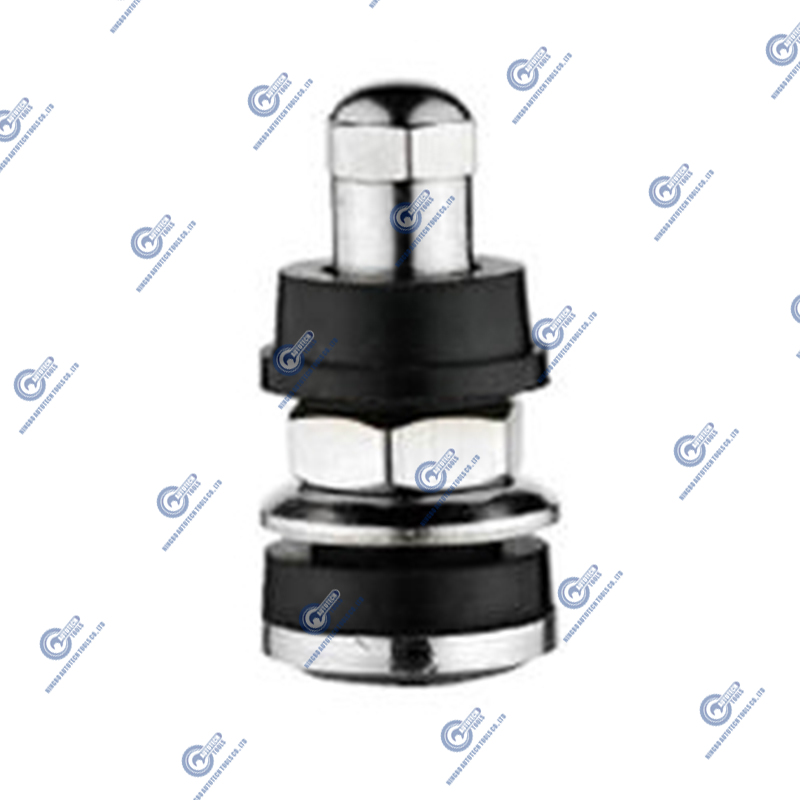
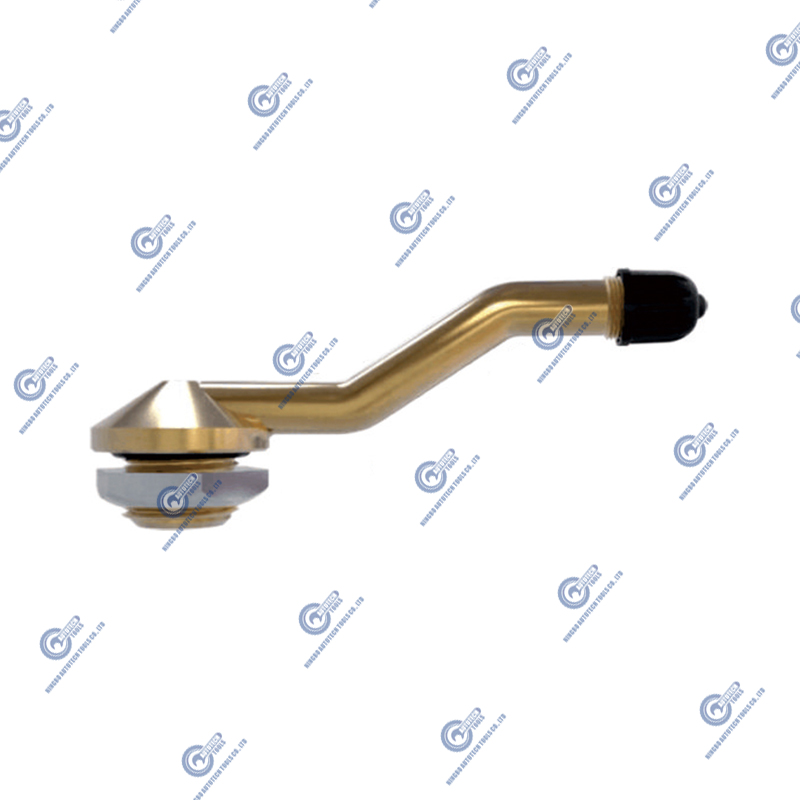
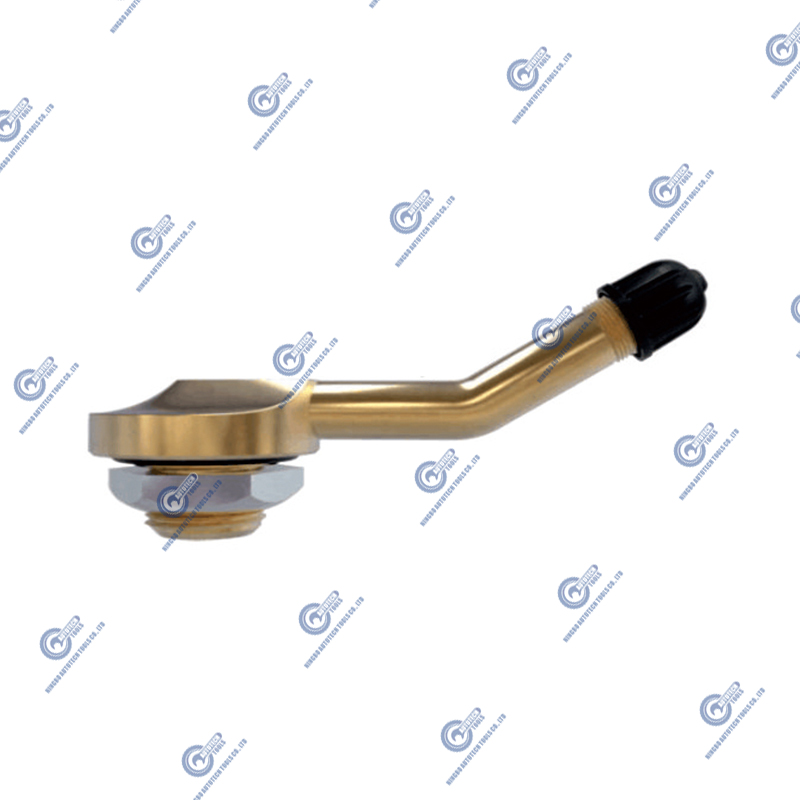
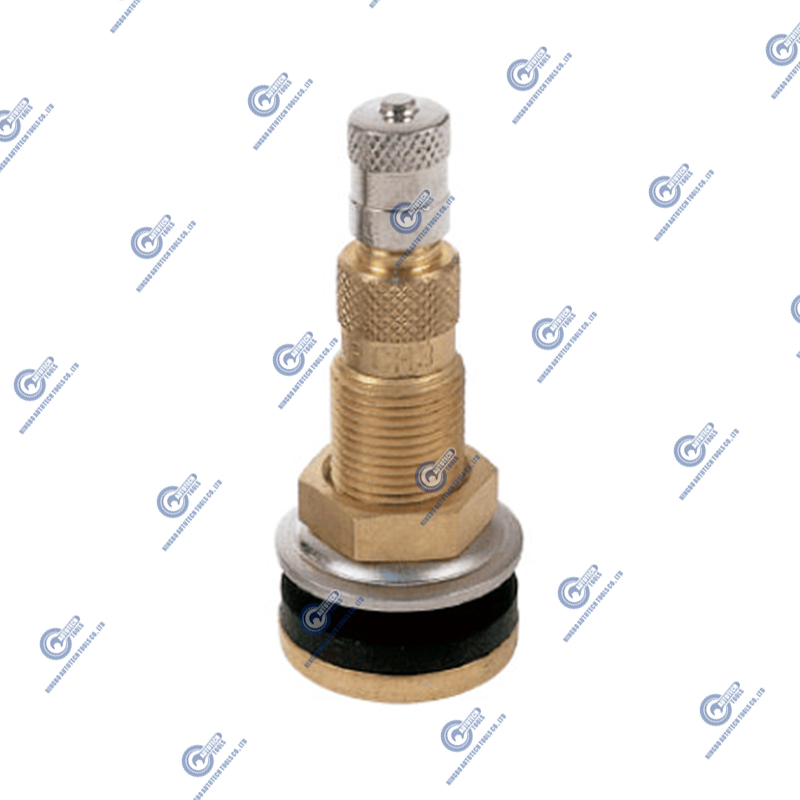
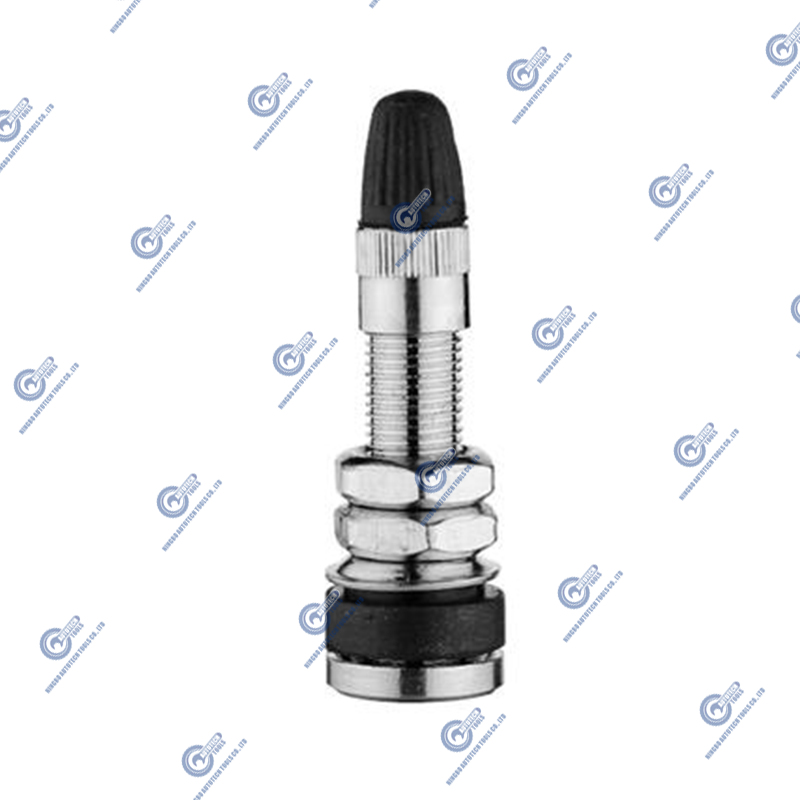
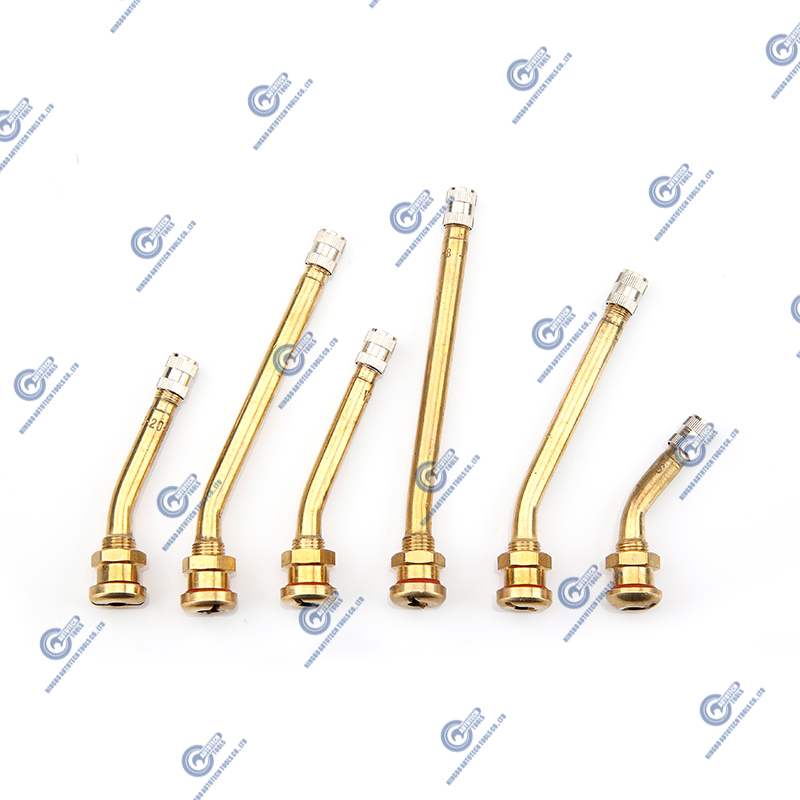
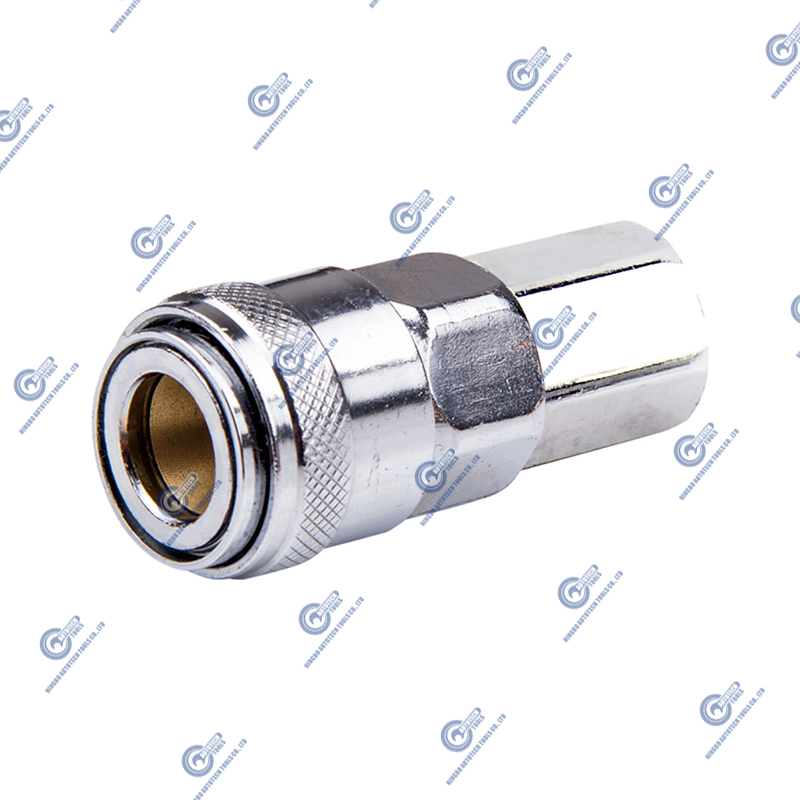
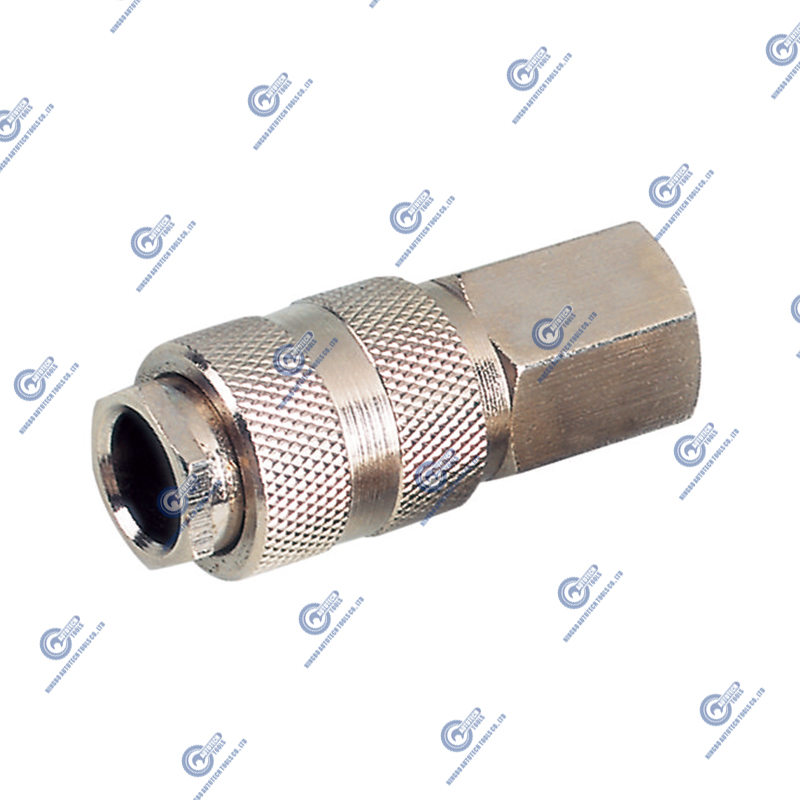
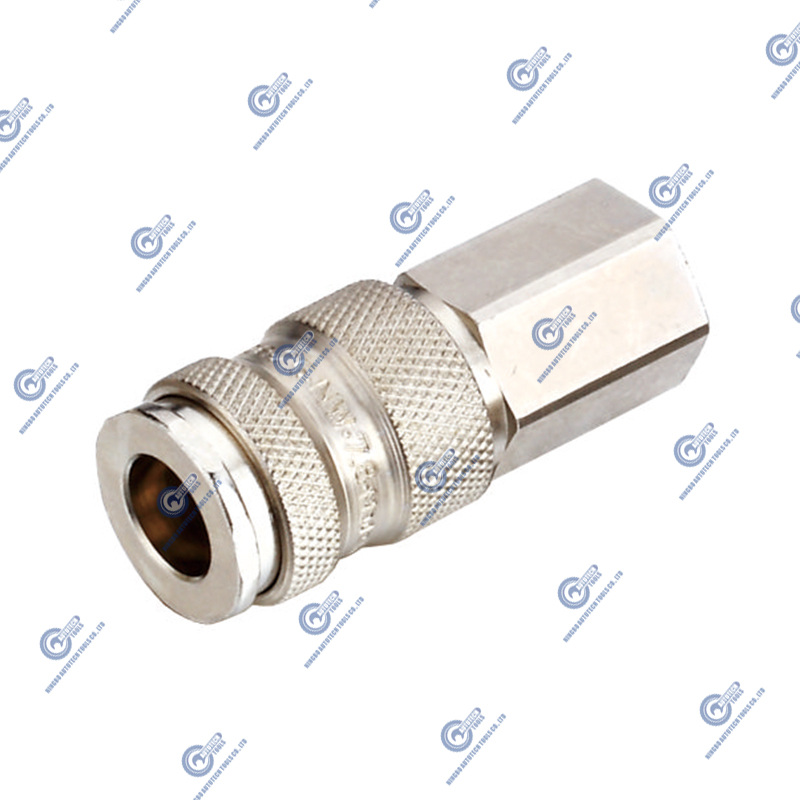
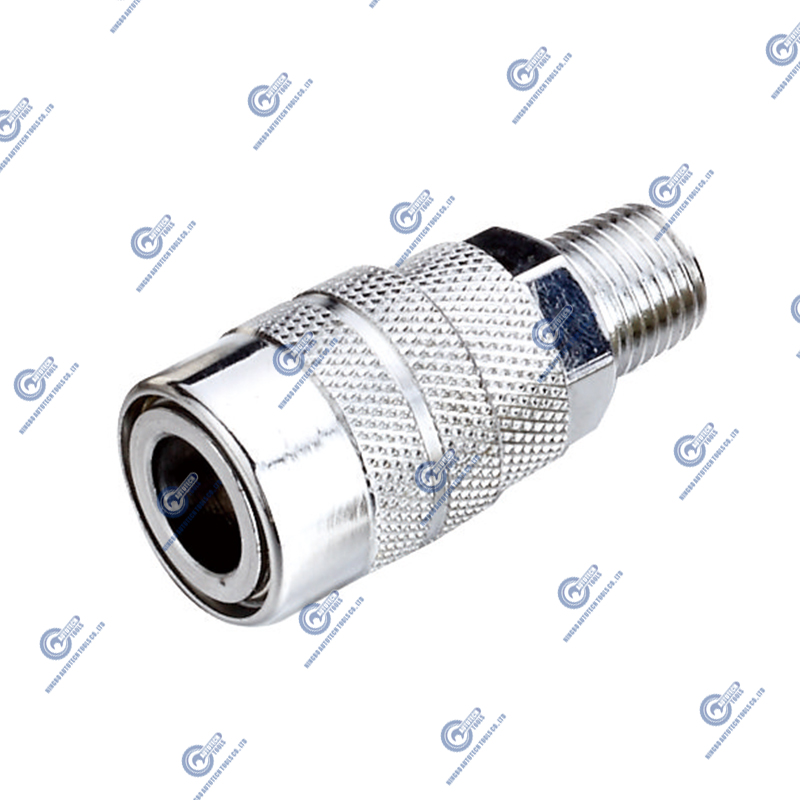
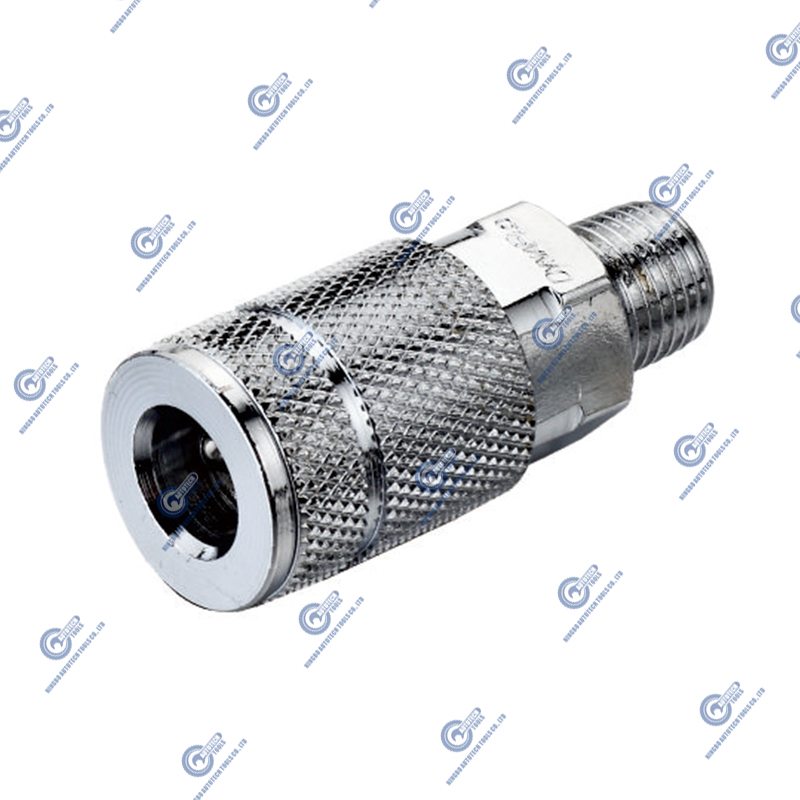
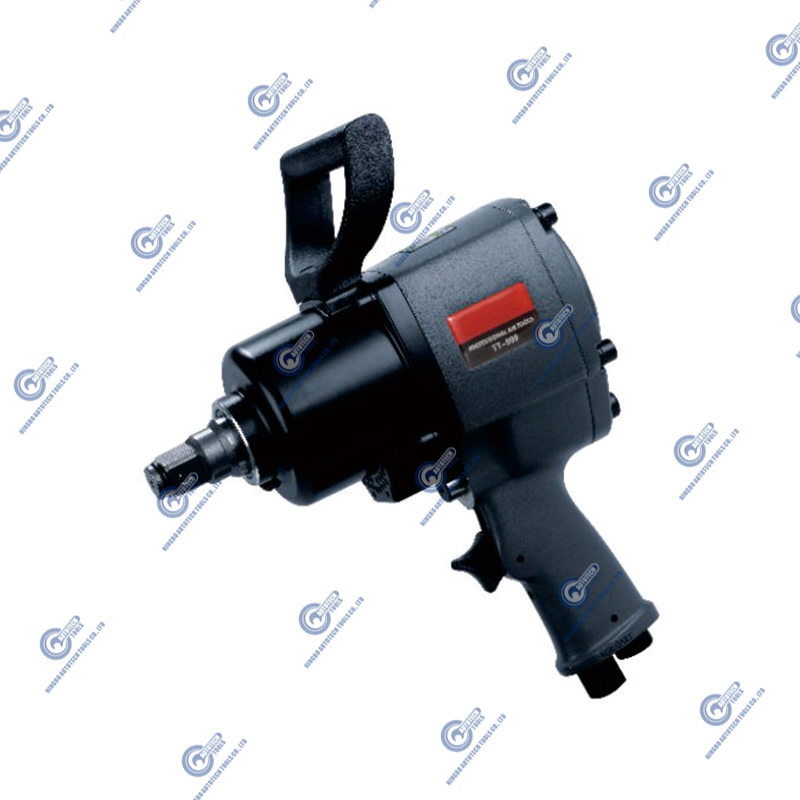

Ningbo Autotech Tools Co.,Ltd was founded in 2014 as a professional manufacturer of tire valves, tire repair tools & air quick couplings.
Product links
Contact Us
-
Address:No.16 Gaoqiang Road, Jiangnan Industrial Zone, Gaoqiao Town, Yinzhou District, Ningbo, China. 315175
-
Tel:+86-0574-89073063
-
E-mail:jimmy@autotechtool.com
