


 English
 Español
News
 Home / News / Industry news / Tire Gauge & Inflator Types Explained: Digital, Analog, and Portable Options
 Tire Gauge & Inflator Types Explained: Digital, Analog, and Portable Options
 2026.08.03
 Industry news
The Short Answer: Digital for Accuracy, Analog for Durability, Portable Inflators for Peace of Mind
For most drivers, the best setup is a digital tire gauge accurate to within ±1 PSI, paired with a 12V portable inflator capable of reaching at least 100 PSI, kept together in the trunk for both routine checks and roadside emergencies. Digital gauges offer the clearest readout and best precision, analog dial and stick gauges remain reliable when batteries aren't an option, and portable inflators eliminate the need to find a gas station air pump when a tire runs low unexpectedly.
Digital Tire Gauges
Digital gauges use an electronic pressure sensor and LCD display to show an exact numerical reading, typically to the nearest 0.5 or 1 PSI. This precision matters more than it might seem — modern tires, especially low-profile and performance tires, are sensitive to pressure differences as small as 2-3 PSI, which can noticeably affect handling, tread wear, and fuel efficiency over time.
Quality digital gauges are typically accurate to within ±1 PSI, compared to the ±2-3 PSI variance common on lower-quality analog dial gauges. The trade-off is battery dependency — a digital gauge with a dead battery is useless at the moment you need it, which is why many experienced drivers keep a backup analog gauge in the glovebox regardless of which type they use day to day.
What to Look for in a Digital Gauge
- Backlit display for reading pressure in low-light conditions
- Auto-off function to preserve battery life between uses
- A pressure range covering at least 0-100 PSI to accommodate both passenger and light truck tires
- Replaceable, commonly available batteries rather than a proprietary rechargeable cell
Analog Gauges: Dial and Stick Types
Analog gauges have no electronics, no batteries, and generally no failure points beyond the mechanical parts themselves, which makes them a reliable backup tool even after years in a glovebox.
Dial Gauges
Dial gauges use a circular gauge face similar to a small pressure meter, and the better models include a large, easy-to-read face with markings every 1 PSI rather than every 2-5 PSI on cheaper models, which makes a real difference in reading precision. Quality dial gauges from reputable brands are calibrated close to lab-grade accuracy, though calibration can drift slightly over years of use and rough handling.
Stick (Pencil) Gauges
Stick gauges use a sliding scale that extends from the body when pressed against a valve stem. They're compact and inexpensive, but the sliding mechanism is more prone to reading inconsistently after repeated use, and the small scale markings are harder to read precisely compared to a dial or digital display. They're best treated as an emergency backup rather than a primary gauge for routine pressure checks.
Gauge Accuracy Comparison
| Gauge Type | Typical Accuracy | Battery Required |
|---|---|---|
| Digital | ±1 PSI | Yes |
| Dial (quality) | ±1-2 PSI | No |
| Stick/pencil | ±2-3 PSI | No |
Portable Inflators: 12V vs. Battery-Powered
A gauge only tells you the pressure — a portable inflator lets you actually correct it without driving to a gas station, which matters most during a roadside emergency or a slow leak discovered far from home.
12V (Cigarette Lighter) Inflators
These plug directly into a vehicle's 12V accessory outlet and draw power continuously while in use. They're generally more powerful than battery models, with quality units capable of inflating a completely flat passenger tire from 0 to 35 PSI in roughly 3-5 minutes. Since they draw from the vehicle's electrical system, run time isn't limited by a battery charge, though they do require the vehicle to be running to avoid draining the car battery during extended use.
Battery-Powered (Cordless) Inflators
Cordless inflators run on rechargeable lithium-ion batteries, making them usable away from a vehicle entirely — useful for bicycles, sports equipment, or inflatables in addition to car tires. Their main limitation is run time: most models can fully inflate 2-4 passenger tires per charge before needing to be recharged, which is worth checking against expected use before relying on one as a sole emergency tool.
Combined Gauge-Inflator Units
Many modern portable inflators include a built-in digital pressure gauge and an auto-shutoff feature that stops inflation once a pre-set target PSI is reached. This combination reduces the risk of overinflation, which is a common mistake when using a separate gauge and a manual inflator without stopping regularly to check pressure.
The trade-off is that the built-in gauge on a combined unit is generally less precise than a dedicated digital gauge, since it's designed for convenience during inflation rather than fine-grained routine monitoring. For that reason, many drivers use a combined unit for roadside inflation and a separate high-accuracy digital gauge for regular monthly pressure checks.
Additional Features Worth Considering
- A built-in pressure release valve, which lets you reduce pressure slightly without disconnecting and reattaching the gauge
- An LED work light on inflators, useful for roadside changes at night
- A flexible or swivel chuck that seals onto the valve stem without leaking air during use
- A carrying case, which keeps the gauge and inflator together and protected in the trunk
- Multiple nozzle attachments for inflating sports balls, mattresses, or bicycle tires with the same unit
Step-by-Step: Choosing the Right Combination
Once the general categories are clear, these steps help translate them into an actual purchase decision suited to your driving habits.
- Choose a digital gauge accurate to ±1 PSI as your primary tool for routine monthly checks
- Keep a quality dial gauge as a battery-free backup in the glovebox
- Select a 12V inflator if the tool will primarily be used near the vehicle, or a battery-powered model if you need it away from a car as well
- Confirm the inflator's maximum PSI rating comfortably exceeds your tire's required pressure, including a safety margin
- Consider a combined gauge-inflator unit for convenience, but keep a separate precision gauge for accurate routine monitoring
Keeping both a reliable gauge and a capable inflator in the vehicle removes the guesswork from tire maintenance, whether that means catching a slow leak before it becomes a flat or getting back on the road quickly after finding a tire low during a routine check.
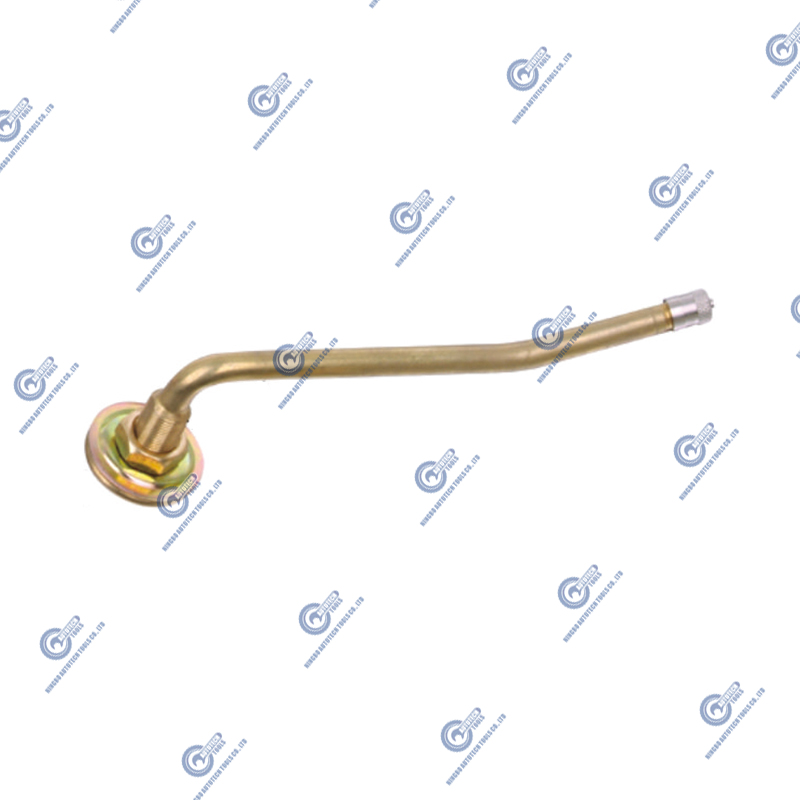
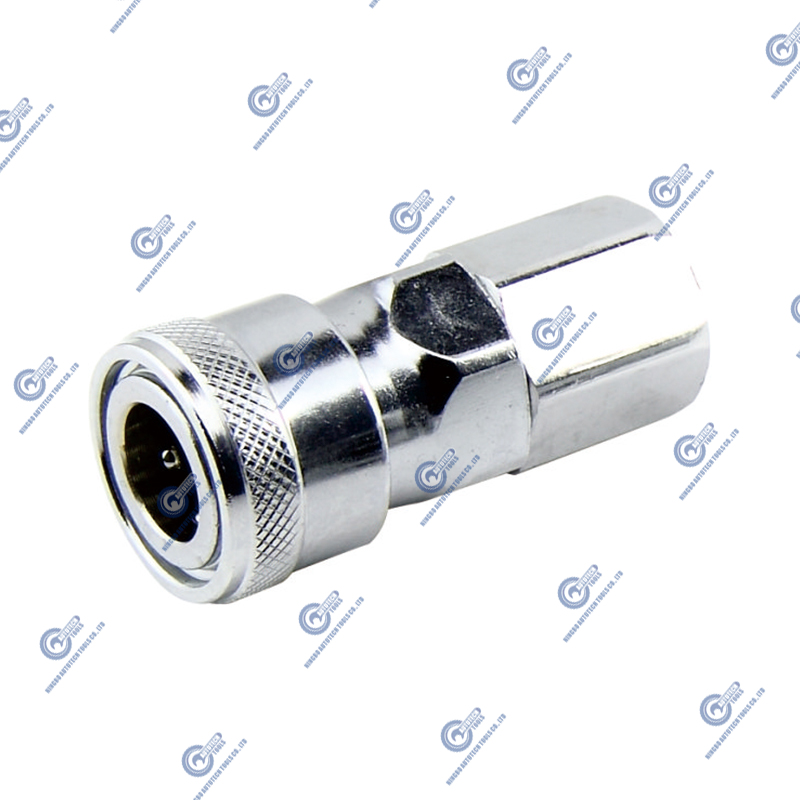
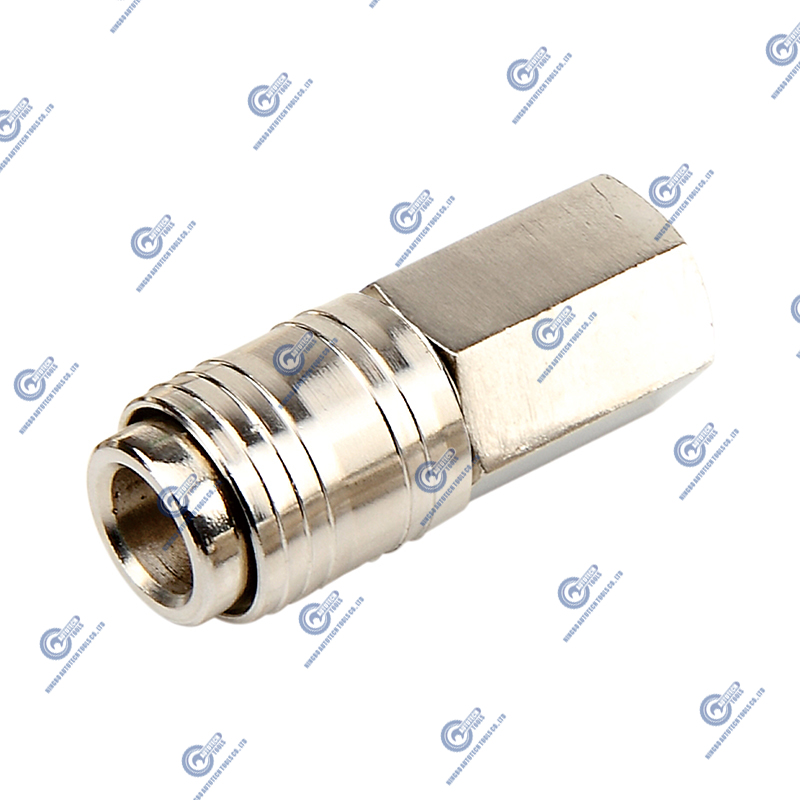
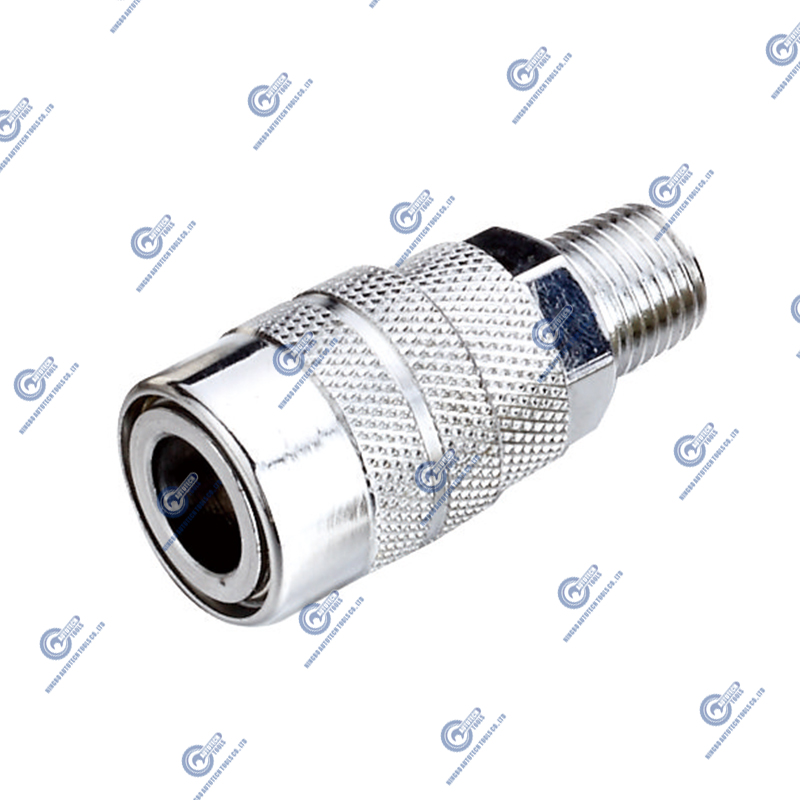
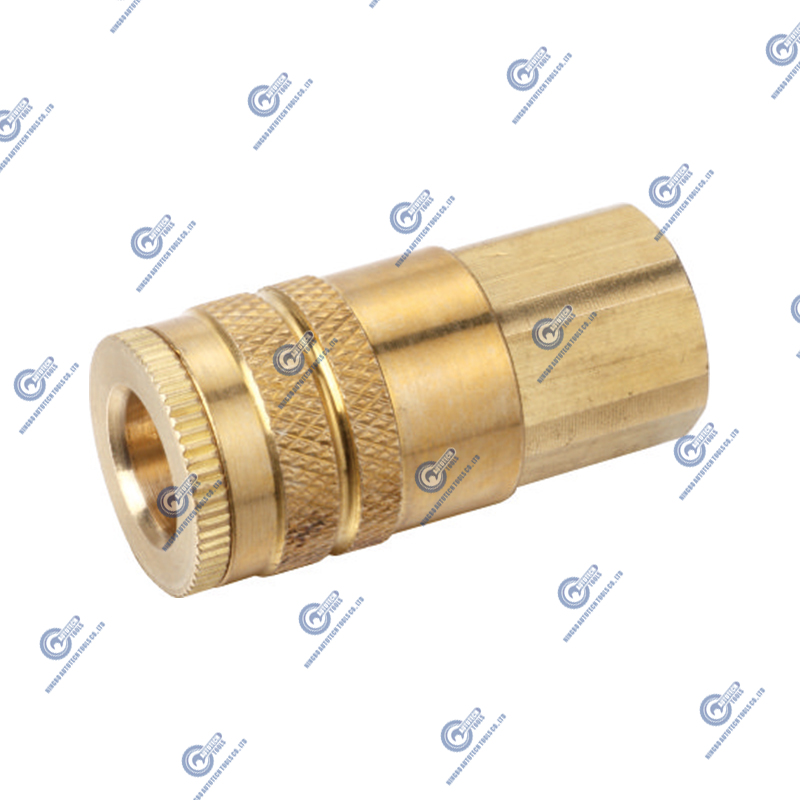
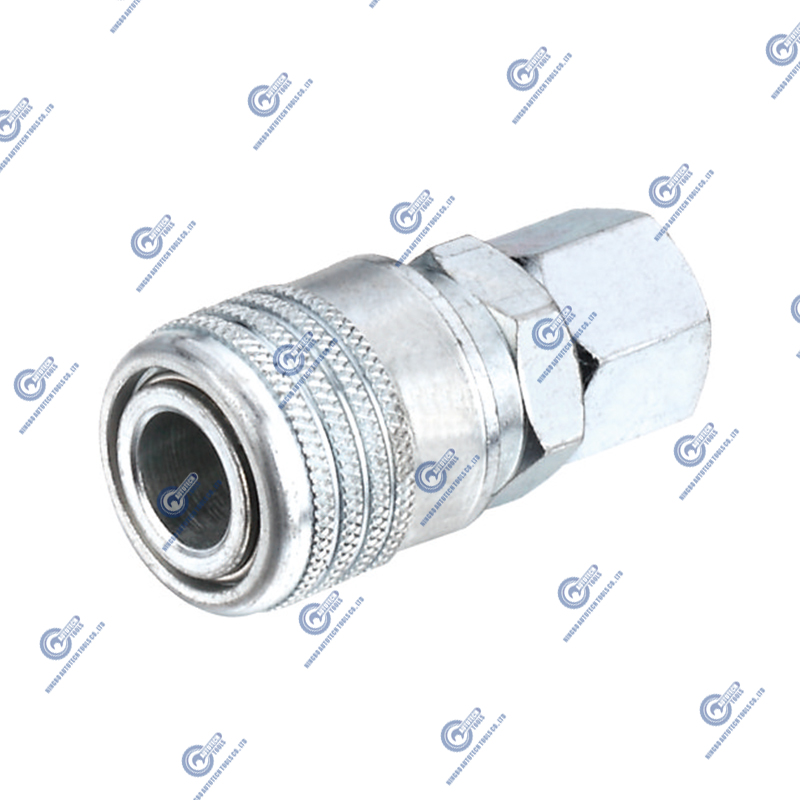
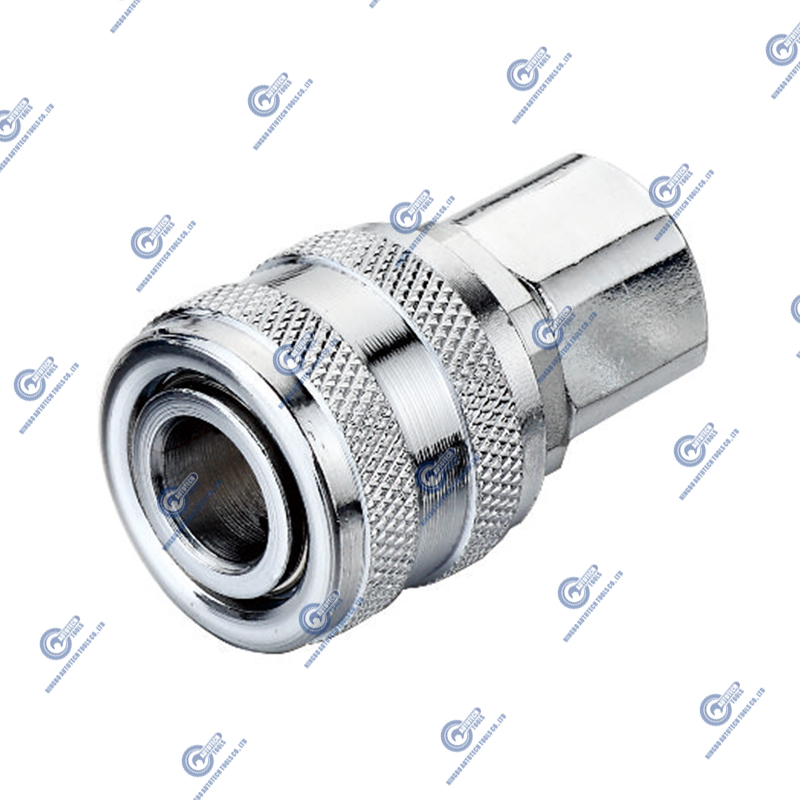
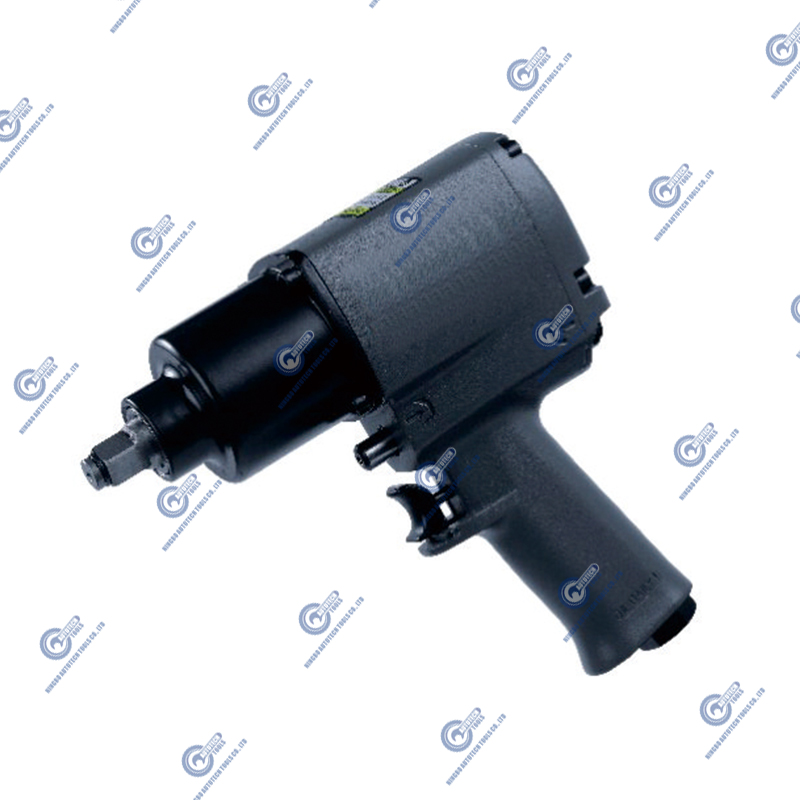

Ningbo Autotech Tools Co.,Ltd was founded in 2014 as a professional manufacturer of tire valves, tire repair tools & air quick couplings.
Product links
Contact Us
-
Address:No.16 Gaoqiang Road, Jiangnan Industrial Zone, Gaoqiao Town, Yinzhou District, Ningbo, China. 315175
-
Tel:+86-0574-89073063
-
E-mail:jimmy@autotechtool.com
