


 English
 Español
News

Quick Connect Coupling Sizing Guide: Matching Fittings to Your System
 2026.08.10
 Industry news
Correctly sizing a quick connect coupling requires matching three factors simultaneously — port thread size, flow rate requirements, and system pressure rating — since a coupling that is too small for the required flow can cause pressure drop of 20% or more, while one rated below system pressure risks seal failure or disconnection under load. Getting these three variables right the first time avoids costly downtime, leaks, and premature component wear.
Step 1: Match the Thread Size and Port Type
The most basic sizing step is ensuring the coupling's thread type and size match your existing ports. Common thread standards include NPT (National Pipe Thread) in North America, BSP (British Standard Pipe) in Europe and Asia, and metric threads in some hydraulic systems.
Mismatched thread standards are one of the most common causes of leaks at coupling connections, even when the nominal size appears correct — NPT and BSP fittings of the same nominal diameter are not interchangeable due to differences in thread angle and pitch.
Step 2: Calculate Required Flow Rate
Coupling size directly affects how much fluid or air can pass through without excessive pressure loss. Undersized couplings act as a bottleneck, forcing the system to work harder and reducing overall efficiency.
As a general rule, flow velocity through a coupling should stay below 15 feet per second for liquids and under 30 feet per second for compressed air to avoid turbulence, noise, and unnecessary pressure drop. Exceeding these thresholds can reduce system efficiency by 15–25% and accelerate wear on seals and fittings.
Coupling Size vs. Recommended Flow Rate
| Coupling Size | Approx. Flow Rate (GPM) | Typical Application |
|---|---|---|
| 1/4" | 3–5 GPM | Small pneumatic tools, lab equipment |
| 3/8" | 8–12 GPM | General air tools, small cooling loops |
| 1/2" | 15–20 GPM | Mould cooling, mid-size hydraulic systems |
| 3/4" | 25–35 GPM | Industrial cooling systems, large machinery |
| 1" | 40–55 GPM | High-volume industrial fluid transfer |
Step 3: Verify Pressure Rating
Every quick connect coupling carries a maximum working pressure rating, which must exceed your system's peak operating pressure — not just its average pressure. Pressure spikes during startup, valve closure, or equipment cycling can briefly exceed normal operating levels.
Best practice is to select a coupling rated for at least 25–50% above your system's maximum expected operating pressure as a safety margin, particularly in hydraulic systems where pressure spikes are common during equipment start-up or sudden load changes.
Typical Pressure Ranges by Application
- Pneumatic tool systems: 90–150 PSI
- Mould and die cooling water lines: 60–120 PSI
- Hydraulic power systems: 1,500–5,000+ PSI
- Chemical transfer lines: varies widely; always confirm chemical compatibility alongside pressure rating
Step 4: Consider Material Compatibility
Sizing isn't only about dimensions — the coupling material must also be compatible with the fluid, temperature, and environment it will operate in. Brass couplings are common for general water and air applications, stainless steel is preferred for corrosive or high-temperature environments, and specialized polymer couplings are used in chemical transfer systems where metal reactivity is a concern.
Using a brass coupling in a system with chlorinated water or certain chemical additives can lead to dezincification — a corrosion process that weakens brass fittings over time — making stainless steel or coated alternatives a safer long-term choice in those conditions.
Single Shut-Off vs. Double Shut-Off Couplings
Beyond size, the shut-off configuration affects how much fluid or air escapes during disconnection. Single shut-off couplings seal one side of the connection, allowing some fluid loss from the hose side when disconnected. Double shut-off couplings seal both sides, minimizing spillage and air ingress — an important feature for systems using expensive fluids or requiring contamination control.
Double shut-off couplings typically cost 20–40% more than single shut-off versions but are standard practice in mould cooling systems and hydraulic applications where fluid loss and air intrusion must be minimized.
Common Sizing Mistakes to Avoid
- Sizing based only on existing pipe diameter without checking actual flow rate requirements
- Selecting a pressure rating based on average operating pressure rather than peak/spike pressure
- Mixing thread standards (e.g., NPT with BSP) assuming nominal sizes are interchangeable
- Overlooking material compatibility with system fluids, leading to premature corrosion
- Choosing single shut-off couplings for systems where fluid loss or contamination control matters
Final Takeaway
Properly sizing a quick connect coupling comes down to four checks: matching thread type and size, confirming flow rate capacity, verifying pressure rating with an adequate safety margin, and selecting the right material for your fluid and environment. Skipping any one of these steps is a common source of leaks, pressure loss, and premature equipment failure. Taking the time to verify all four factors upfront ensures reliable, leak-free performance across the life of your system.
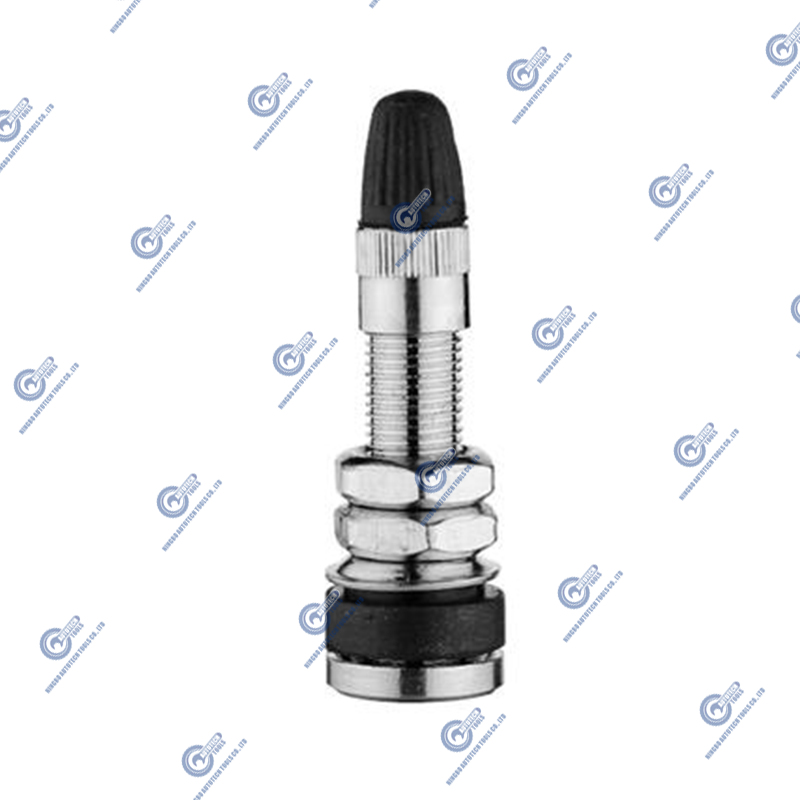
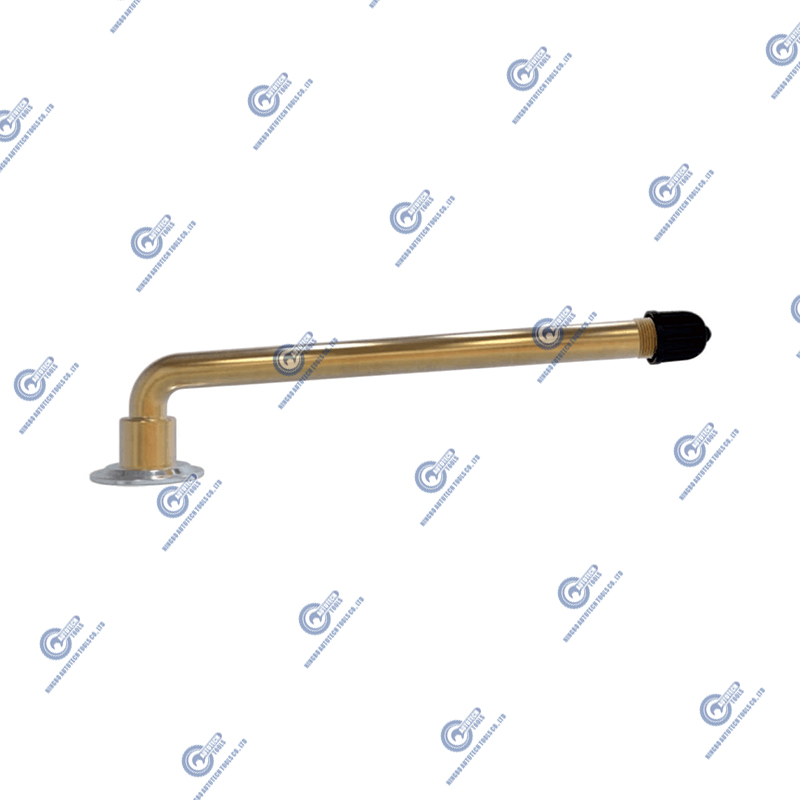
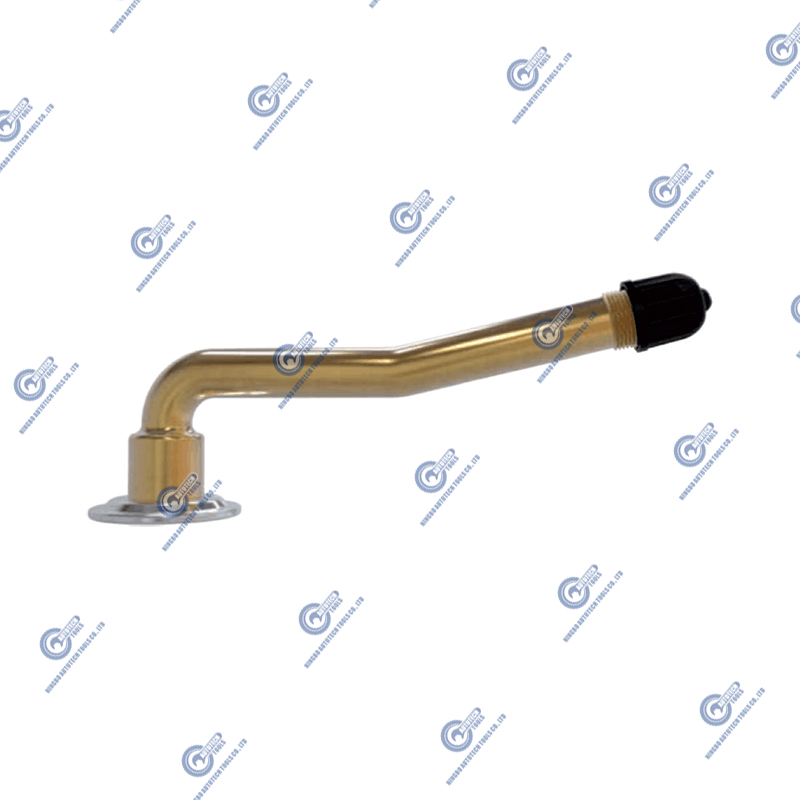
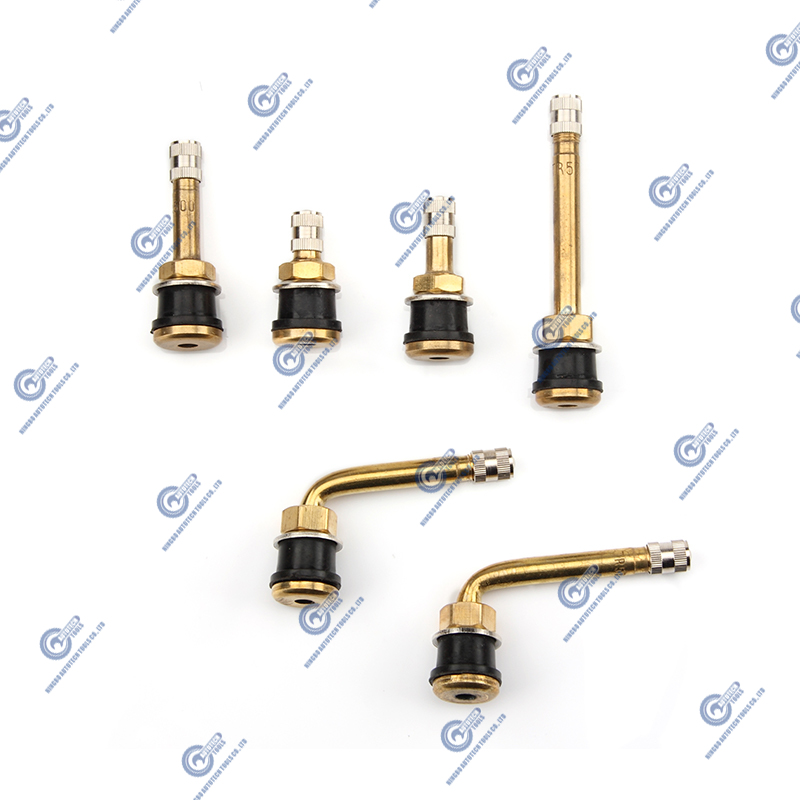
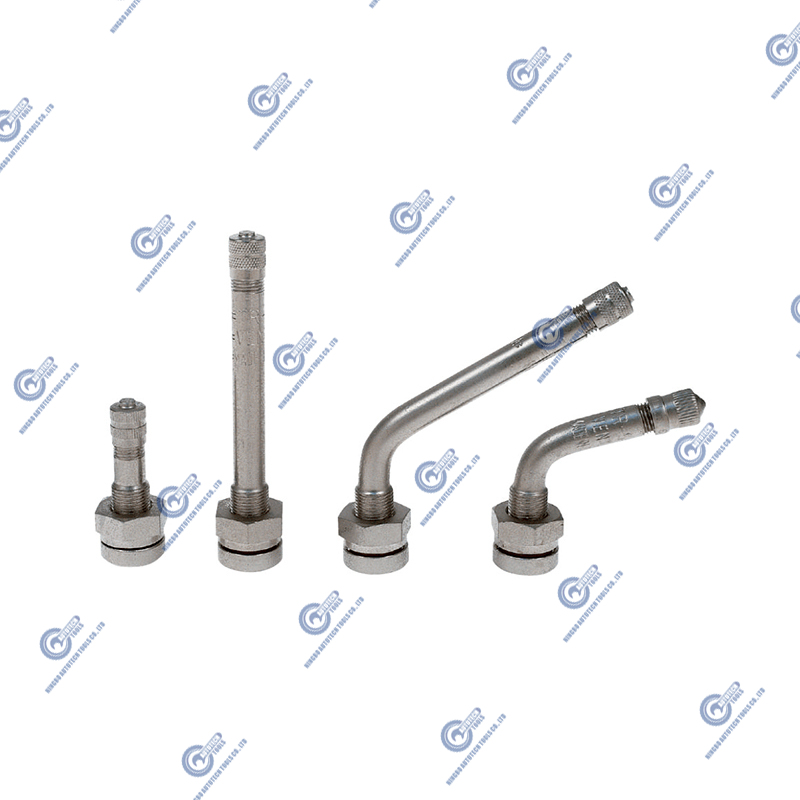
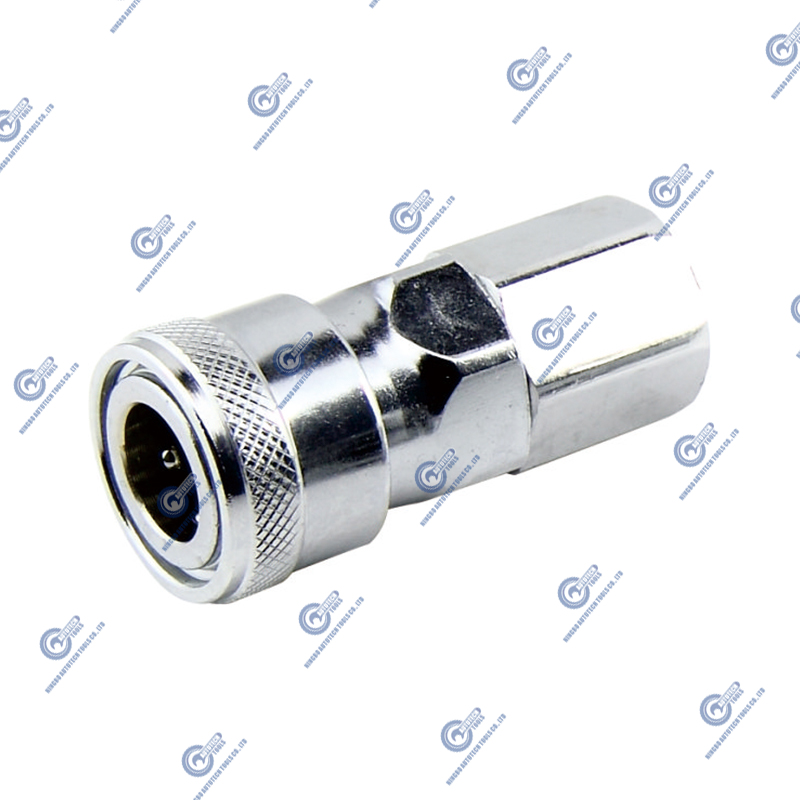
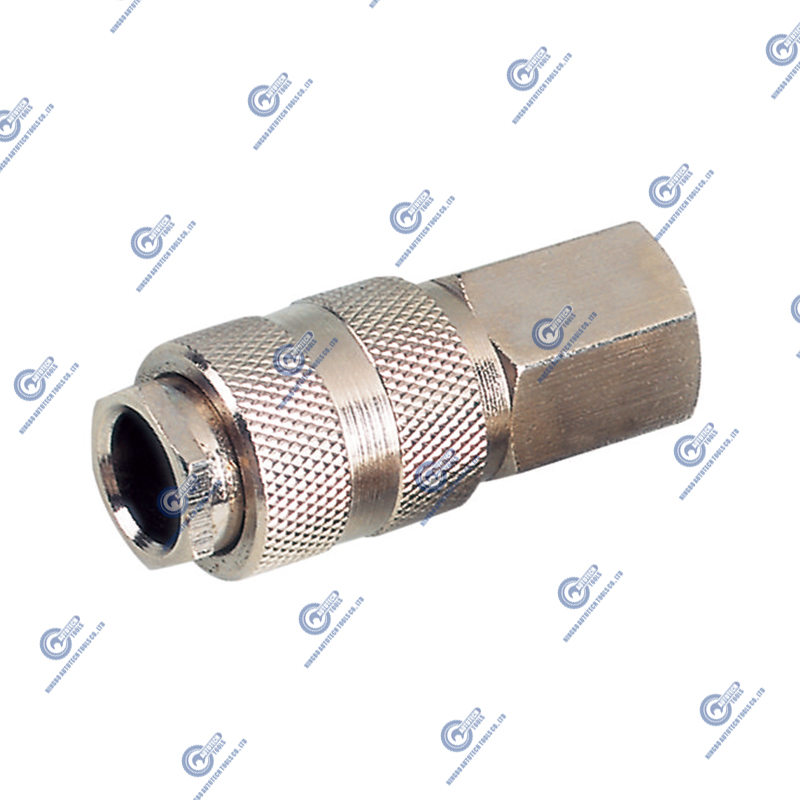
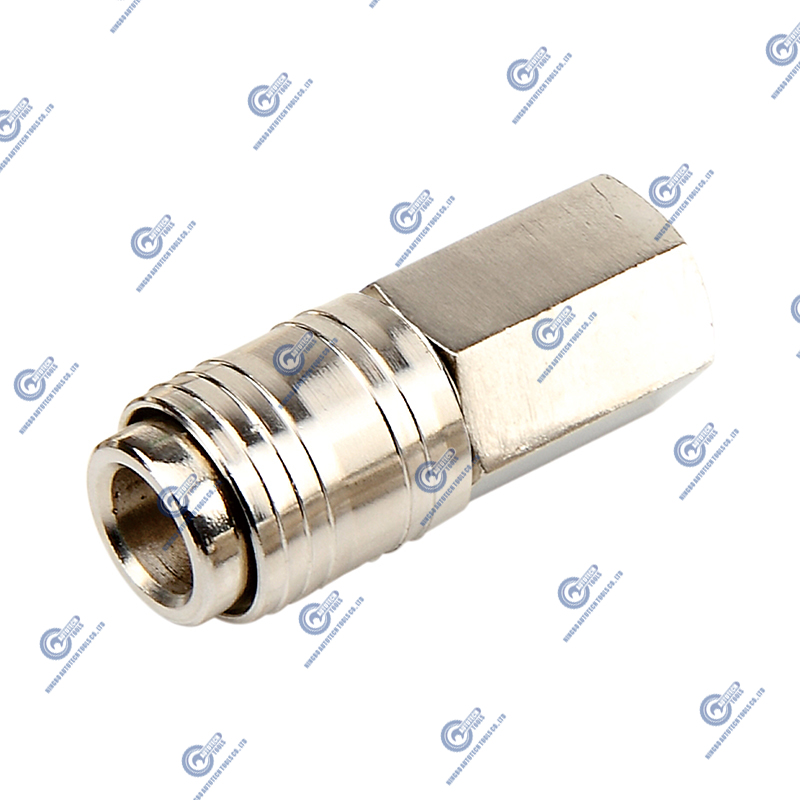
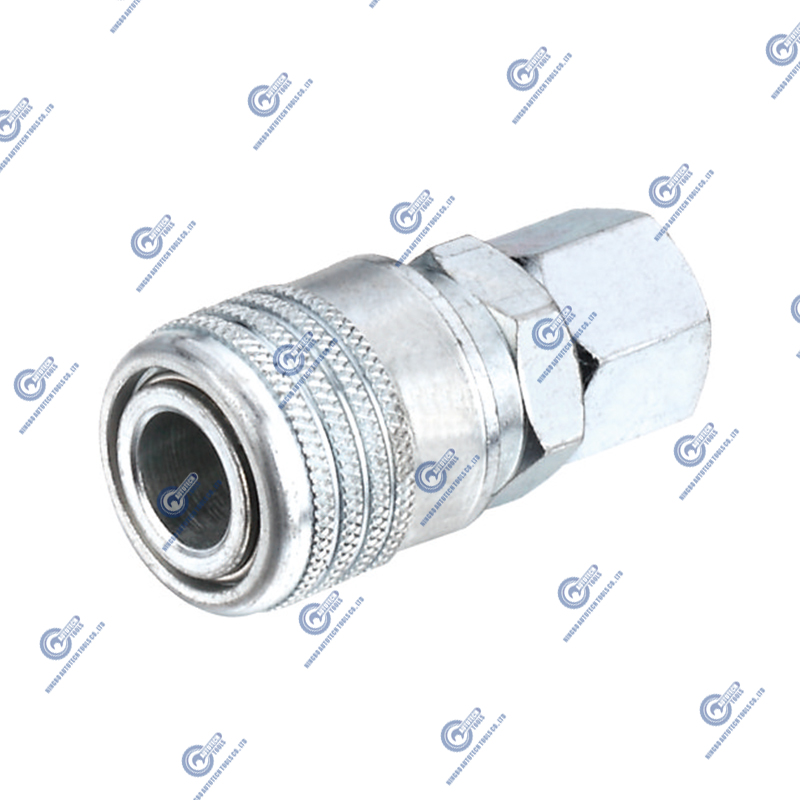
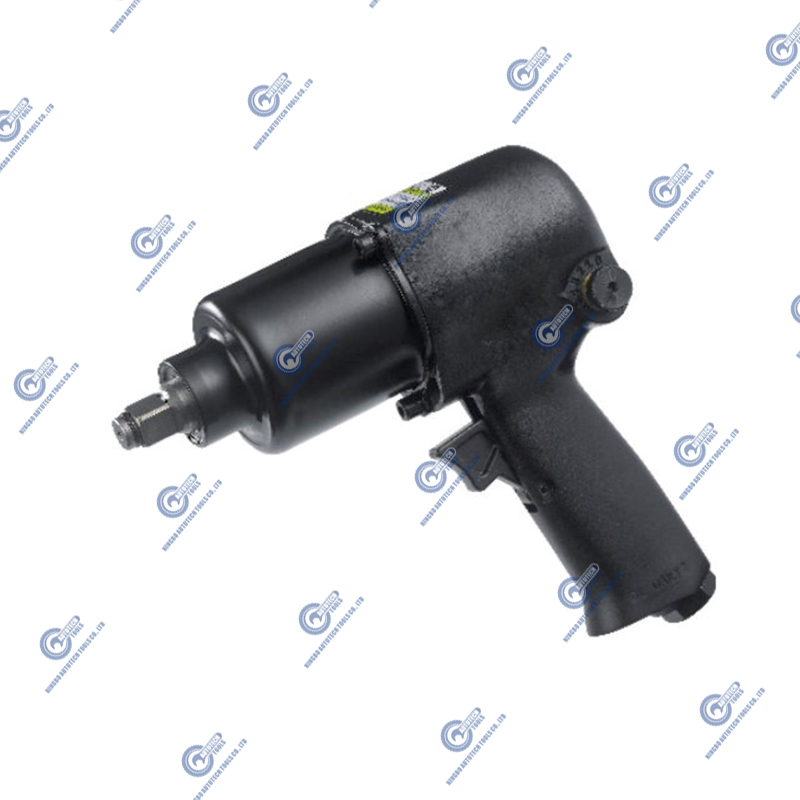
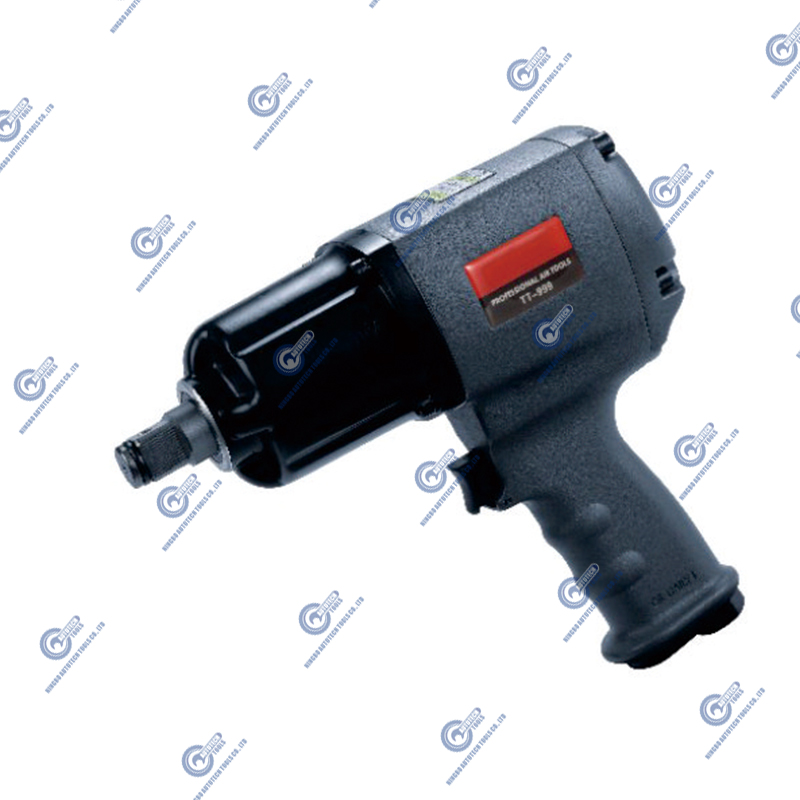
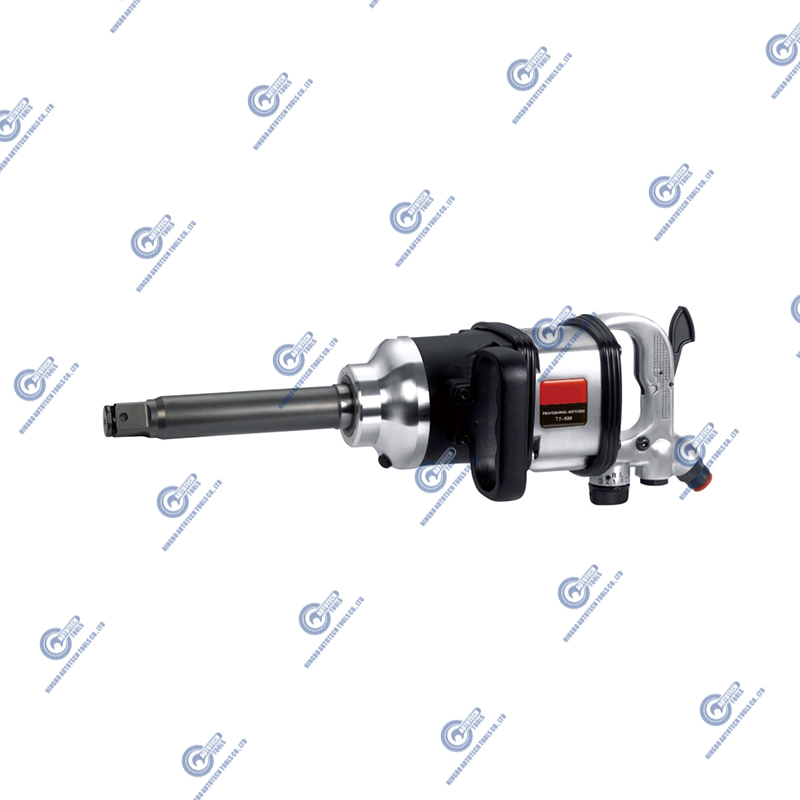

Ningbo Autotech Tools Co.,Ltd was founded in 2014 as a professional manufacturer of tire valves, tire repair tools & air quick couplings.
Product links
Contact Us
-
Address:No.16 Gaoqiang Road, Jiangnan Industrial Zone, Gaoqiao Town, Yinzhou District, Ningbo, China. 315175
-
Tel:+86-0574-89073063
-
E-mail:jimmy@autotechtool.com
