


 English
 Español
News
 Home / News / Industry news / Tire Valves Explained: Types, Materials, Pressure Ratings, and Fitment Guide
 Tire Valves Explained: Types, Materials, Pressure Ratings, and Fitment Guide
 2026.09.07
 Industry news
Picture a delivery van that has been running fine for weeks. Then one morning, the onboard TPMS light shows the right front tire at 28 psi instead of 35 psi. The driver tops it off, but the same warning returns three days later. A quick soapy-water test reveals small bubbles around the rubber valve stem's base. The tire itself is nearly new. The culprit is the valve.
This situation is common because a tire valve is often the least considered component on a wheel, yet it is critical: it seals the tire's pressure, allows controlled inflation and deflation, and protects the tire's inner chamber from dirt and moisture. The choice of the correct valve is not a one-size-fits-all decision. It depends on the type of vehicle, the rim hole diameter, the pressure the tire must hold, and the environment in which the valve will live. We’ll walk through the main types, the key selection criteria, and the quality issues that separate a reliable valve from a leak waiting to happen.
What a Tire Valve Does
At its core, a tire valve is a check valve. A spring-loaded core blocks air from escaping until a chuck or gauge pushes the pin inward, which opens the path for inflation or deflation. The outer stem provides the structural path through the rim or tube. The resulting seal must hold pressure over months, resist ozone and temperature extremes, and survive centrifugal force at highway speed. A failure in any of these functions causes a slow leak, a blowout-prone pressure drop, or a valve that tears out during rotation.
The Main Tire Valve Types
Most tire valves fall into a few broad families. The table below summarizes the common types, then we’ll look at each in more detail.
| Type | Typical Application | Rim Hole Diameter | Pressure Capacity |
|---|---|---|---|
| Snap-in rubber | Passenger cars, light trucks, trailers | 0.453 in (11.5 mm) | Up to 65 psi (450 kPa) |
| Clamp-in metal | Performance cars, off-road, many TPMS systems | 0.453 in or 0.625 in | Generally higher than rubber |
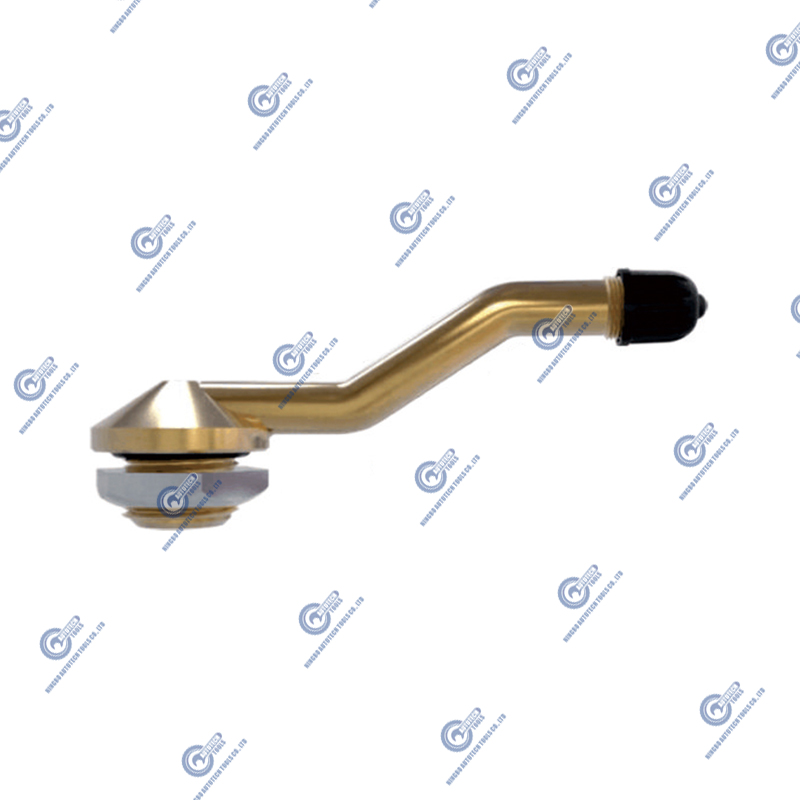
| Truck and bus | Commercial trucks, buses, trailers | 0.625 in (15.9 mm) | Matches tire pressure rating |
| Motorcycle / high-pressure | Motorcycles, scooters, special applications | Varies by wheel | Varies by model |
Snap-In Rubber Valves
Snap-in valves are the standard for most passenger cars and light trucks. They use a rubber body that compresses into the rim hole and is pulled through with a special tool, then snaps into place. Because the rubber itself creates the seal, the fit must match the hole diameter and the rim edge condition. These valves are inexpensive and quick to install, but they wear over time. Ozone, tire cleaners, and heat accelerate cracking. A standard snap-in rubber valve is rated for a maximum cold inflation pressure of 65 psi for typical passenger and light truck duty.
Clamp-In Metal Valves
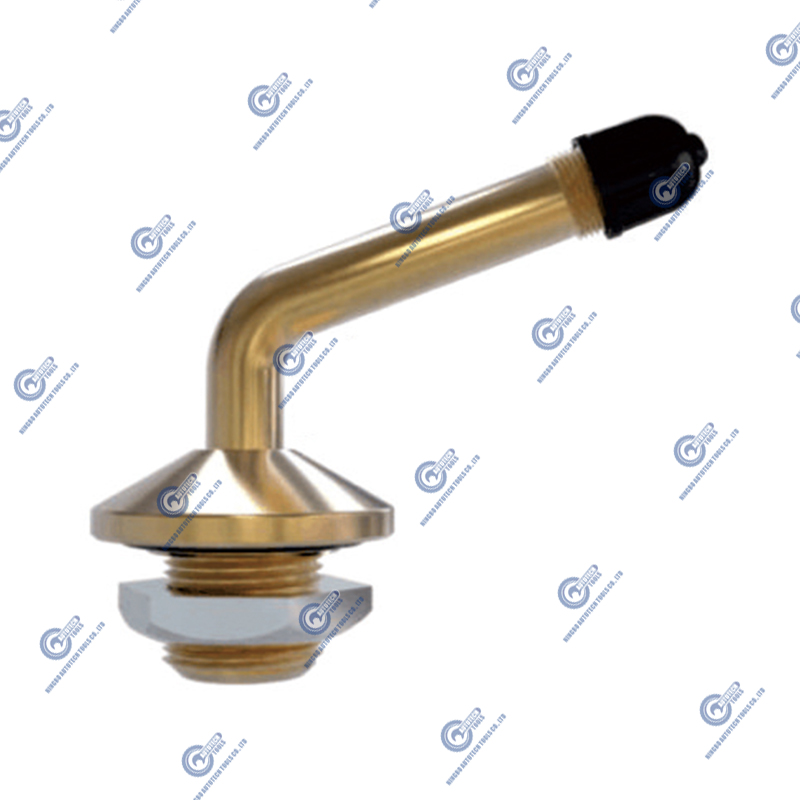
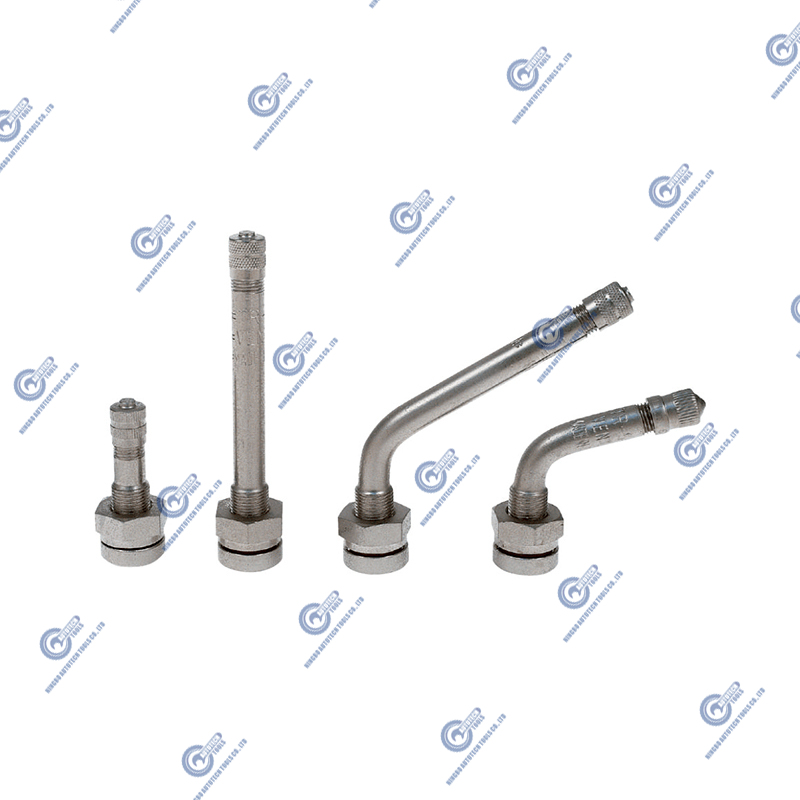
Clamp-in valves have a metal body, usually brass, that passes through the rim and is held by a clamping nut and washer from the inside. The seal is made by an O-ring or rubber grommet against the rim. This design is more secure under high centrifugal force and high heat, and it is commonly used on performance cars, alloy wheels, and many vehicles with TPMS sensors because the metal stem provides a rigid seat for the sensor. Metal valves are reusable if undamaged, but the nut must be torqued to the specified value - usually around 70 in-lb, though you should verify the wheel manufacturer's recommendation.
Truck and Bus Valves
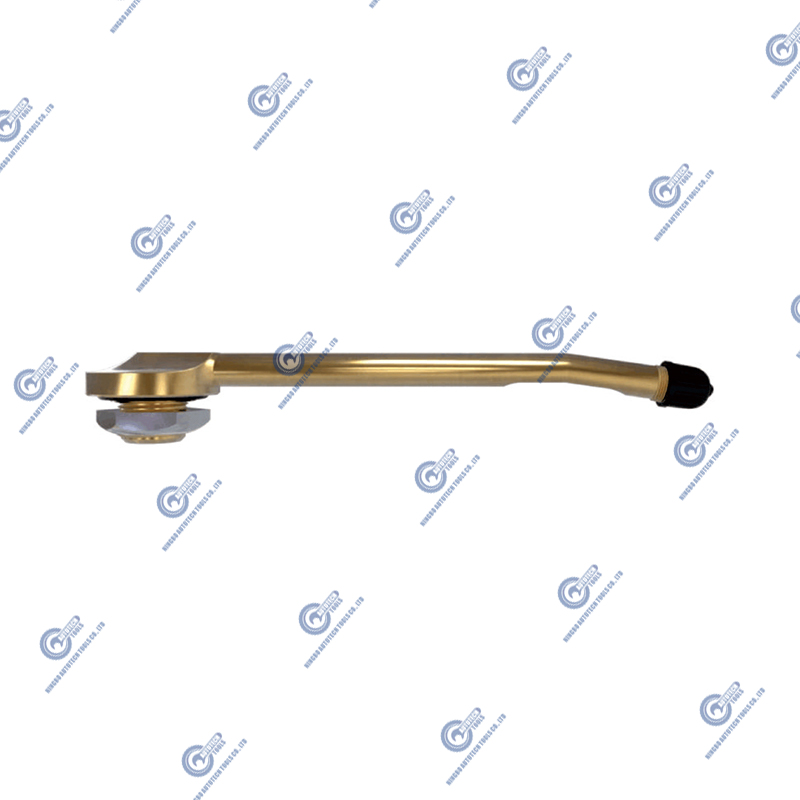
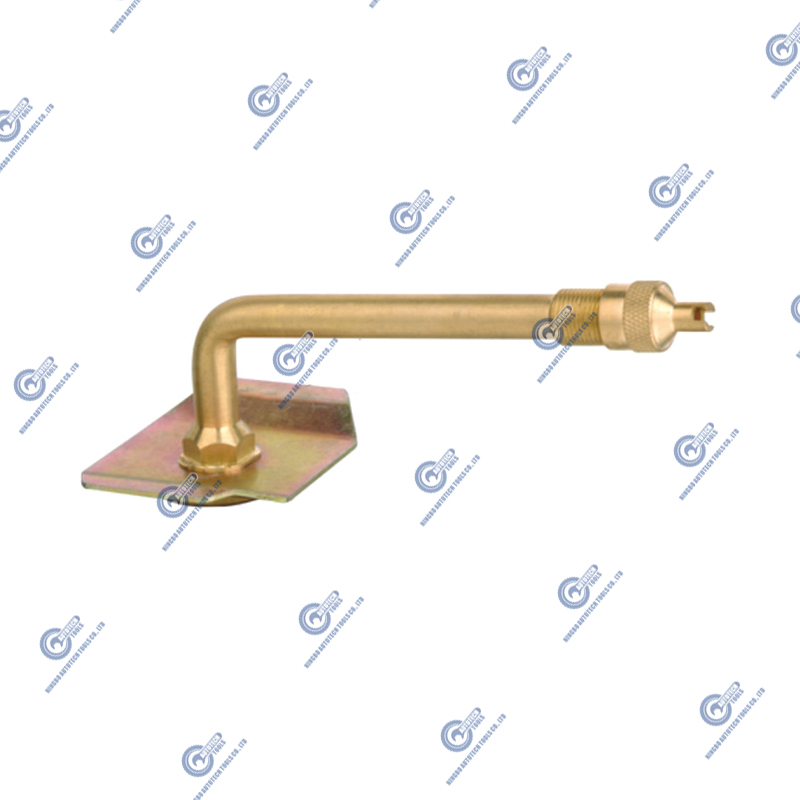
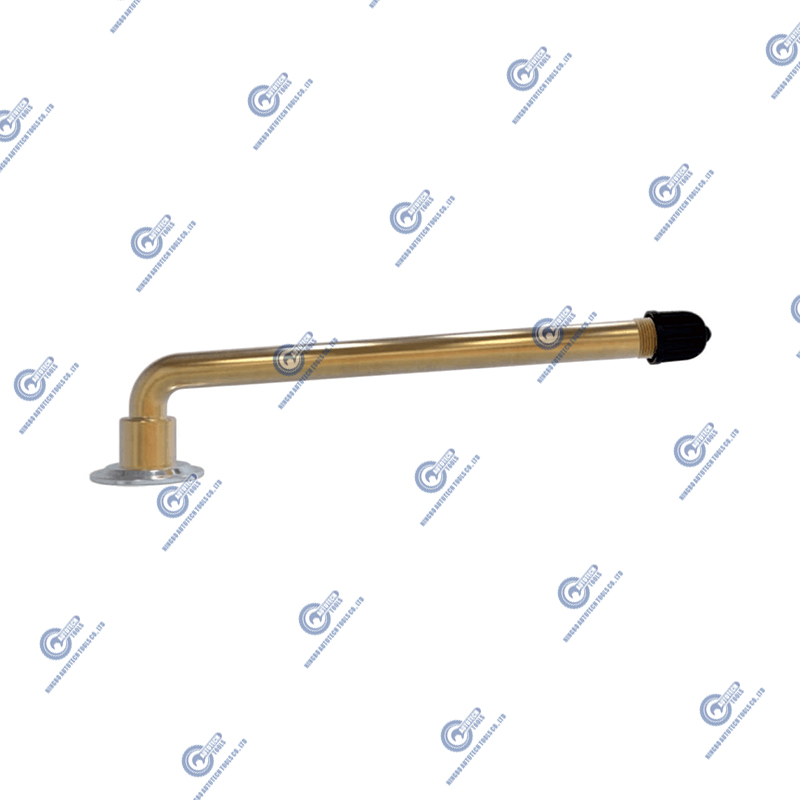
Truck, bus, and trailer applications demand larger valves that handle higher pressures and bigger tire bores. Many of these valves are clamp-in style with a 0.625-inch rim hole and feature straight or angled bodies to fit dual-wheel and deep-well rims. Some use a screw-on construction with an internal core. Because the inflation pressure in commercial tires often exceeds passenger-car levels, the valve must match the tire's maximum inflation rating. Using an under-rated valve risks air loss and can damage expensive tire and wheel assemblies.
Motorcycle and High-Pressure Valves
Motorcycle valves are typically smaller, lightweight, and sometimes angled to fit compact spoke or cast wheels. High-pressure applications, such as trailers or heavy-duty off-road vehicles, may require a metal valve with a higher pressure rating than a standard rubber unit. The choice is driven by the tire's required pressure and the physical clearance of the wheel.
Specialized and Large-Bore Valves
For very large tires, like those on forklifts, agricultural equipment, or construction machinery, a large-bore valve allows faster inflation and deflation. Swivel and European-style clamp-in valves are also available to fit specific rim profiles. These are niche products, but they are important for fleet owners and OEMs that need a single supplier for different wheel designs.
How to Choose the Right Valve
Start with the vehicle and its tire pressure placard. Then match these parameters:
- Rim hole diameter: Measure or look up the spec. Most passenger rims use 0.453-inch holes; heavy-duty rims often use 0.625-inch holes.
- Tire pressure requirement: The valve's maximum pressure rating must be at least as high as the tire's maximum cold inflation pressure.
- Valve size and shape: Consider the rim's drop-center depth, and whether the valve head will interfere with brake components or a wheel cover.
- TPMS compatibility: If the vehicle uses a tire pressure monitoring sensor, choose a metal valve designed to retain the sensor, or a rubber valve that meets the sensor's hub requirements.
- Environment: High-ozone or high-temperature areas call for EPDM rubber or metal valves. Off-road and industrial environments need extra corrosion resistance.
If a valve is too short for the rim depth, it will not seal correctly. If it is too flexible for high speed, it can flutter and leak. When in doubt, replace with the valve type specified by the wheel manufacturer.
Materials and Manufacturing Quality
Once the correct type is identified, quality becomes a matter of materials and process. A good rubber valve uses an ozone-resistant compound, usually EPDM, that remains flexible over years of service. The sealing surfaces must be free of flash and burrs. Metal valves should be made from brass or stainless steel with a smooth bore for the valve core. A cheap valve may look acceptable but fail after a season of heat cycles.
From a manufacturing perspective, batch-to-batch consistency is what separates a reliable supplier from a problematic one. A valve that seals perfectly in the first sample batch might develop micro-cracks if the rubber compound changes slightly. That is why OEMs and fleet buyers should ask about material traceability, incoming inspection of rubber and brass, and test records for each production lot. In our experience, the best quality control comes from integrated production, where raw materials are tested before blending and every batch is pressure-tested before packing.
Replacement and Maintenance
Signs that a valve needs replacement include:
- Cracks or dry rot near the base
- Bent or damaged stem threads
- Leaking around the rim hole, shown by bubbles when soapy water is applied
- A rubber valve that has become stiff or deformed
For a safe replacement, follow these basics:
- Always deflate the tire completely before removing the valve.
- Clean the rim hole thoroughly; any debris will break the seal.
- Use the correct pulling tool and rubber lubricant for snap-in valves.
- For metal valves, replace the O-ring and torque the nut to spec.
- After mounting, verify the assembly with a pressure-drop test and a soapy-water leak check.
Regular valve checks should be part of seasonal tire rotations or pressure checks, especially on vehicles older than five years.
A tire valve is a small component, but it carries the entire inflation system on its shoulders. Choosing the right type, matching the pressure rating and rim hole, and selecting a supplier with real quality control are not optional details. They are the difference between predictable pressure retention and intermittent, hard-to-diagnose leaks. Whether you are a fleet manager, an OEM buyer, or a repair technician, treating tire valves as a deliberate engineering choice will pay off in fewer callbacks and safer roads.

Ningbo Autotech Tools Co.,Ltd was founded in 2014 as a professional manufacturer of tire valves, tire repair tools & air quick couplings.
Product links
Contact Us
-
Address:No.16 Gaoqiang Road, Jiangnan Industrial Zone, Gaoqiao Town, Yinzhou District, Ningbo, China. 315175
-
Tel:+86-0574-89073063
-
E-mail:jimmy@autotechtool.com
