


 English
 Español
News
 Home / News / Industry news / Industrial Interchange Couplings: How They Work and How to Choose Quality
 Industrial Interchange Couplings: How They Work and How to Choose Quality
 2026.09.14
 Industry news
Walk through any vehicle assembly plant, tire center, or maintenance shop, and you will probably see the same compressed-air fitting: the Industrial Interchange coupling. It is the most common pneumatic quick-connect profile in shop-air systems. Because the plug and socket dimensions are standardized, components from different production batches can be mated without forcing, as long as both parts follow the same profile. This article explains what Industrial Interchange couplings are, how they work, where to use them, and what practical details matter when you choose or source them.
What Are Industrial Interchange Couplings?
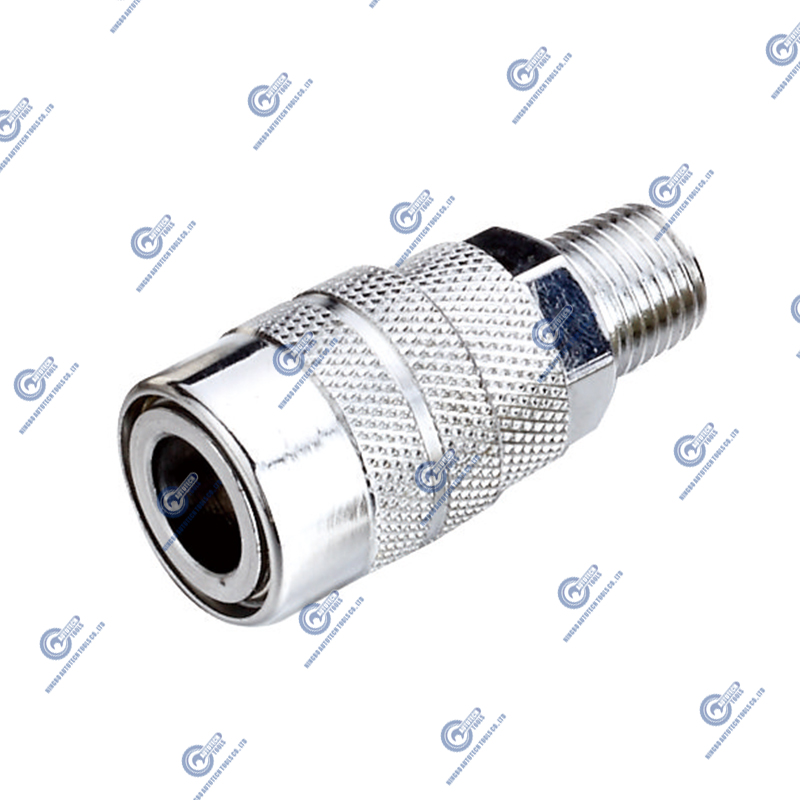
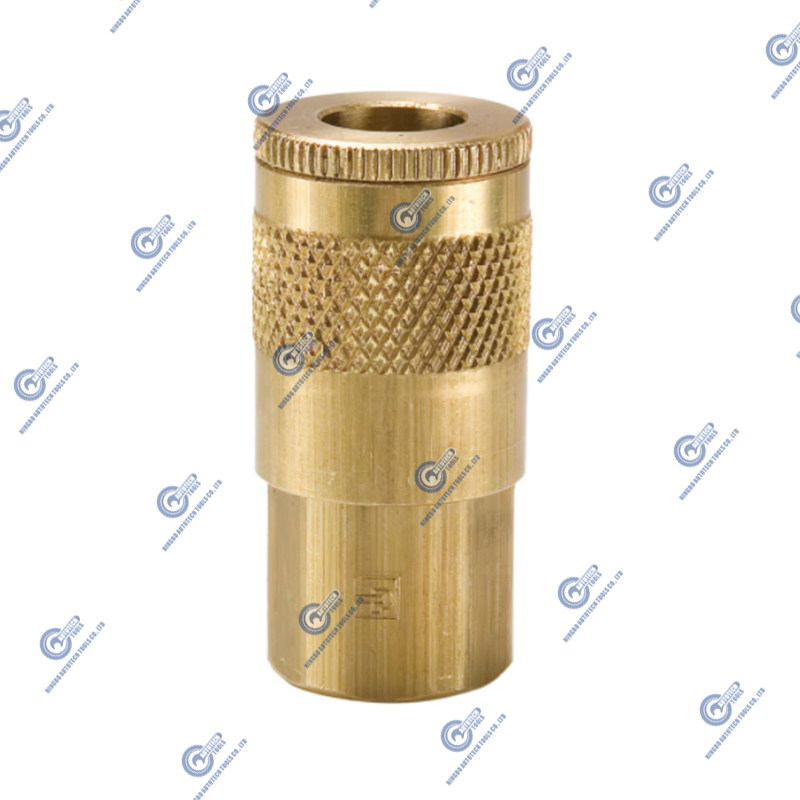
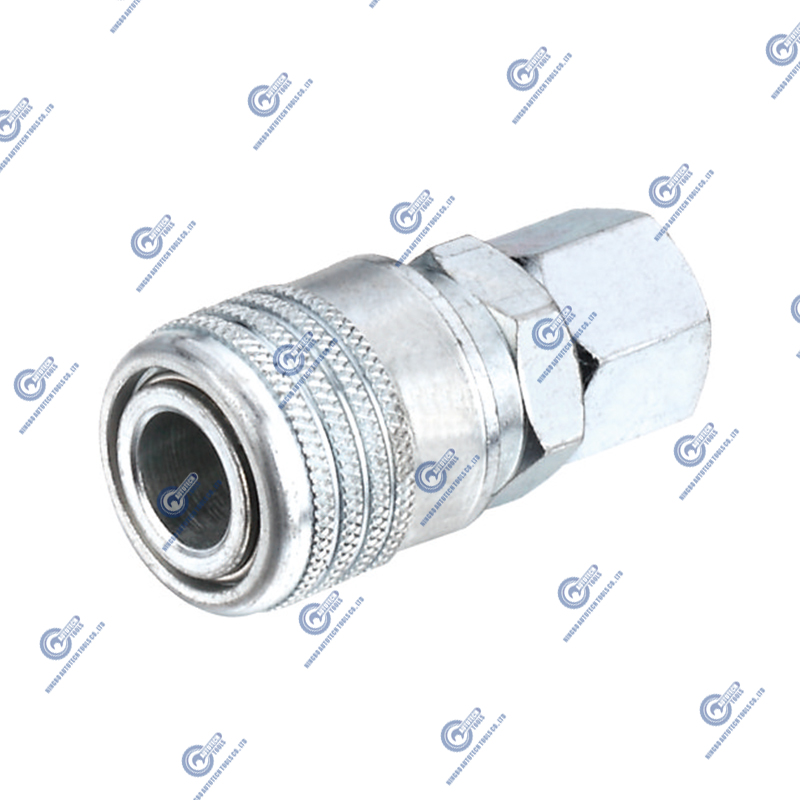
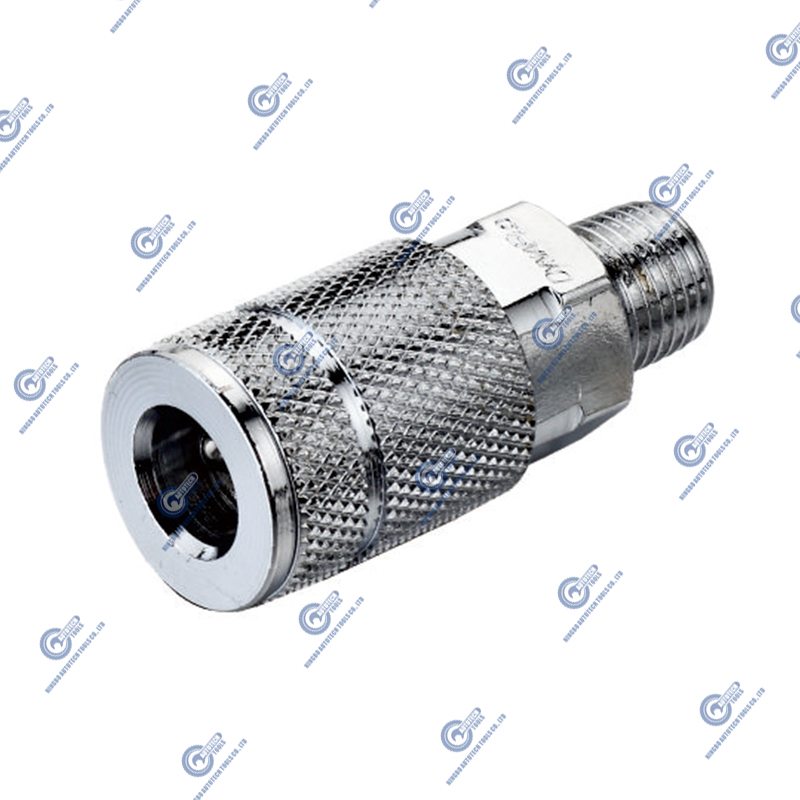
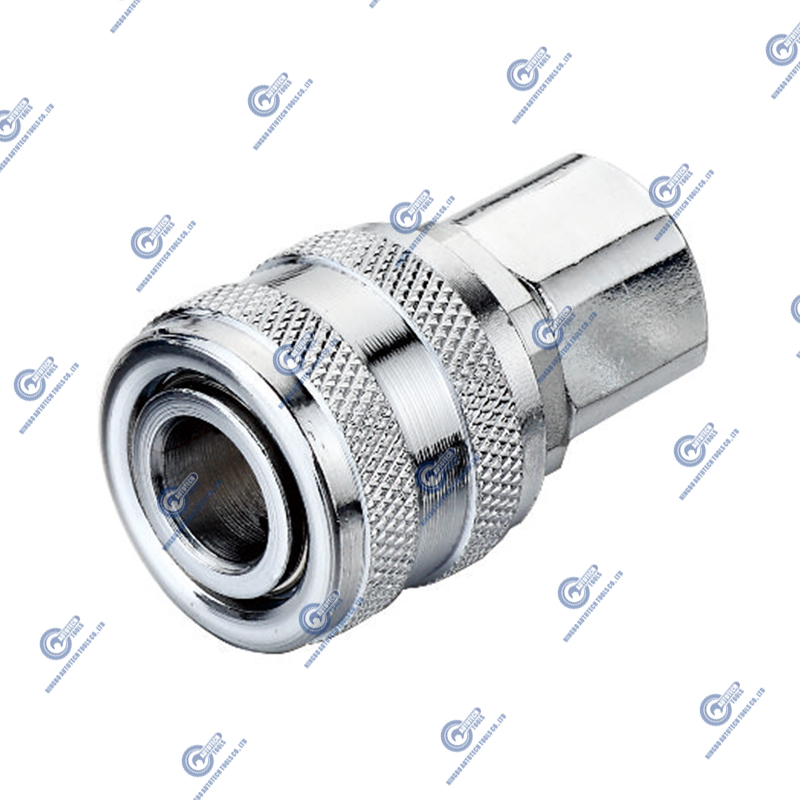
An Industrial Interchange coupling is a two-part quick-disconnect fitting for compressed air. The socket is usually installed on a hose or machine panel; the plug, sometimes called a nipple, is attached to a tool or an extension hose. When the plug is pushed into the socket, the internal locking mechanism opens the air passage and the socket sleeve snaps forward to hold the plug in place. Pulling the sleeve back releases the plug and stops the airflow automatically.
The word "interchange" refers to a dimensional profile, not a single brand. A socket and plug that both follow the Industrial Interchange profile connect correctly even if they come from different factories. That is why many workshops standardize on this profile: one plug fits the sockets already installed on hoses, tools, and compressors.
Industrial Interchange couplings are sometimes called "Industrial-Shape" couplings because of their recognizable external contour. The standard is available in several body sizes; the most common are 1/4-inch, 3/8-inch, and 1/2-inch sizes, each intended for a different airflow range.
| Body size | Typical flow capacity | Common applications |
|---|---|---|
| 1/4 inch | Low to medium | Blow guns, inflators, light air tools |
| 3/8 inch | Medium to high | Impact wrenches, ratchets, sanders |
| 1/2 inch | High | High-consumption tools, industrial equipment |
How the Industrial Interchange Profile Works
At the center of the design is the plug groove. The socket contains a ring of hardened steel balls arranged around the bore. When the plug is inserted, it pushes the balls outward; once the groove reaches the balls, a spring-loaded sleeve forces the balls into the groove and locks the plug. A seal inside the socket keeps compressed air from leaking at the connection point.
This design also explains why the connection is so fast. No threaded collar or adapter nut is needed. Push the plug in until the sleeve snaps, and the air is on. Pull the sleeve back, and the air shuts off. That speed is one reason Industrial Interchange couplings dominate pneumatic workstations.
Where Industrial Interchange Couplings Are Used
Industrial Interchange couplings appear wherever compressed air is used as a utility. Common applications include:
- Vehicle assembly and component manufacturing
- Tire inflation and tire repair stations
- Air tool connections in maintenance shops and plant floors
- Paint spraying and dust blow-off lines
- Machine-side air supplies and fixture connections
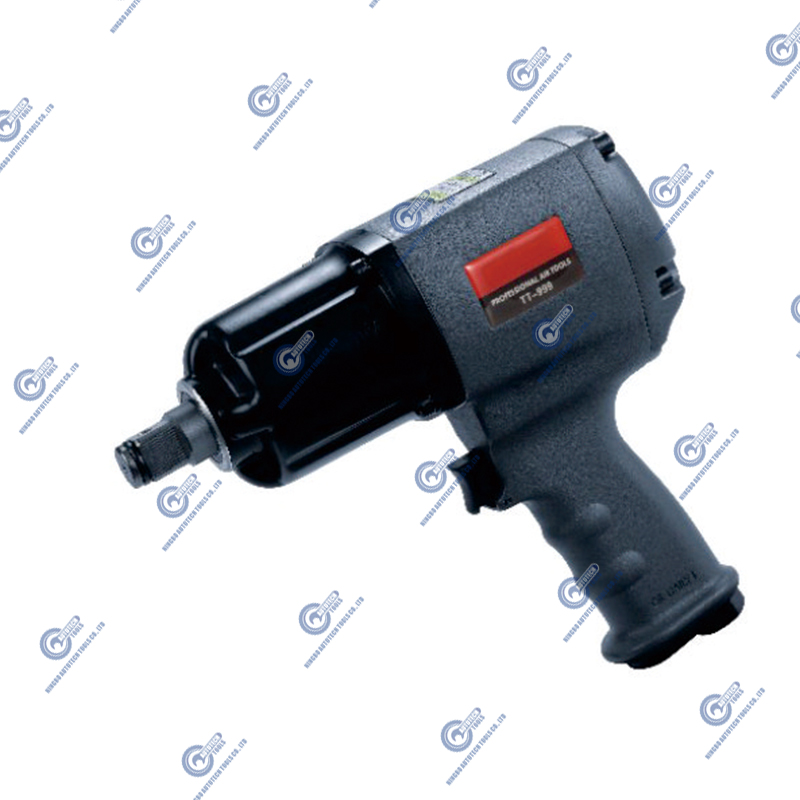
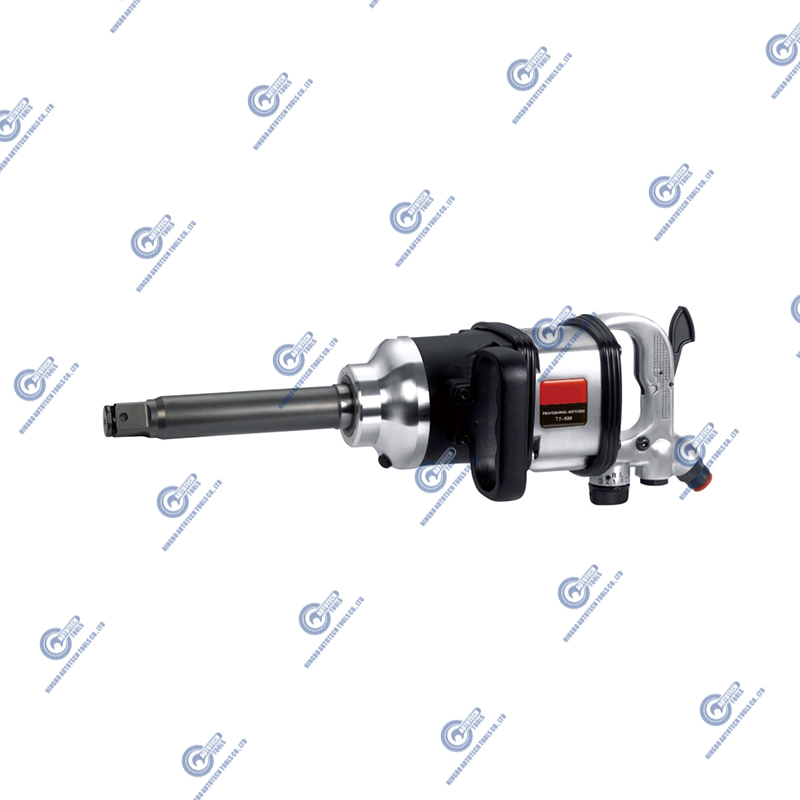
In tire-service work, for example, an air impact wrench or an inflator connected through an Industrial Interchange coupling is usually the first point of connection. Because the same coupling family fits many tools, changing from one tool to another takes seconds rather than minutes.
How to Choose the Right Coupling
Start with airflow demand, then check pressure, connection thread, and material. The right coupling gives the tool enough air without adding unnecessary size or cost.
- Match the body size to the tool's air consumption. An undersized coupling starves high-air tools; an oversized coupling adds weight and cost without improving performance.
- Check the pressure rating. The coupling must be rated for the compressor's maximum working pressure, ideally with some margin above normal line pressure.
- Choose the correct end connection. NPT threads are common in North America; BSP threads are widespread in other markets. A mismatch at the adapter point will leak even if the coupling itself is sound.
- Select material based on the environment. Brass is corrosion-resistant and popular for general shop use; nickel-plated brass handles moderate moisture well. Steel offers higher strength for heavy abuse, while stainless steel suits food, chemical, or washdown areas.
- Consider discharge style. Some sockets bleed downstream air before disconnection, which reduces hose whip and makes tool changes safer for operators who switch tools all day.
Manufacturing Quality: What to Look For
Because the interchange profile is standardized, product quality is what separates a reliable coupling from a frustrating one. A coupling that looks correct but uses weak materials or imprecise parts will leak, wear quickly, or fail under repeated insertion.
- Material and forming process. Forged bodies have a denser grain structure than many cast or simple-machined bodies, so they handle impacts and sleeve movement more reliably.
- Machining tolerances. The groove depth, ball seat diameter, and plug diameter all need to stay within a tight range. If the groove is too shallow, the balls can slip; if the plug is too loose, the connection wobbles and the seal wears unevenly.
- Seal quality. The valve seal and the static seal inside the socket determine leak rates. Oil, heat, and repeated pressure cycles can crack a low-grade seal quickly.
- Batch consistency. For high-volume buyers, every batch should behave like the previous one. A responsible factory inspects incoming material, monitors production parameters, and tests finished couplings according to clear indicators.
When sourcing couplings, ask the seller about the factory process: raw material inspection, dimensional checks, seal material, and batch-to-batch variation. These details matter more than a brand printed on the body.
Common Failure Points and How to Avoid Them
Even with a good standard, installation habits can create problems. The most common signs are air leaks, poor fit, and early wear.
- Air leaks. Leaks usually come from a worn seal or a plug that has not fully locked. Listen for hissing after connection; check that the sleeve has snapped completely forward.
- Dirt in the socket. Metal chips, dust, or dried oil can prevent the locking balls from seating. Use protective caps during storage and blow out the socket before connecting a new plug.
- Mixing different interchange profiles. A European or British profile plug may look similar to an Industrial Interchange plug, but it will lock incompletely and leak. Verify the profile type before use.
- Disconnecting under full pressure. Releasing the collar while the hose is pressurized accelerates wear on the sleeve spring and seal. Reduce downstream pressure first when the application allows.
Why an Integrated Manufacturer Helps with Coupling Consistency
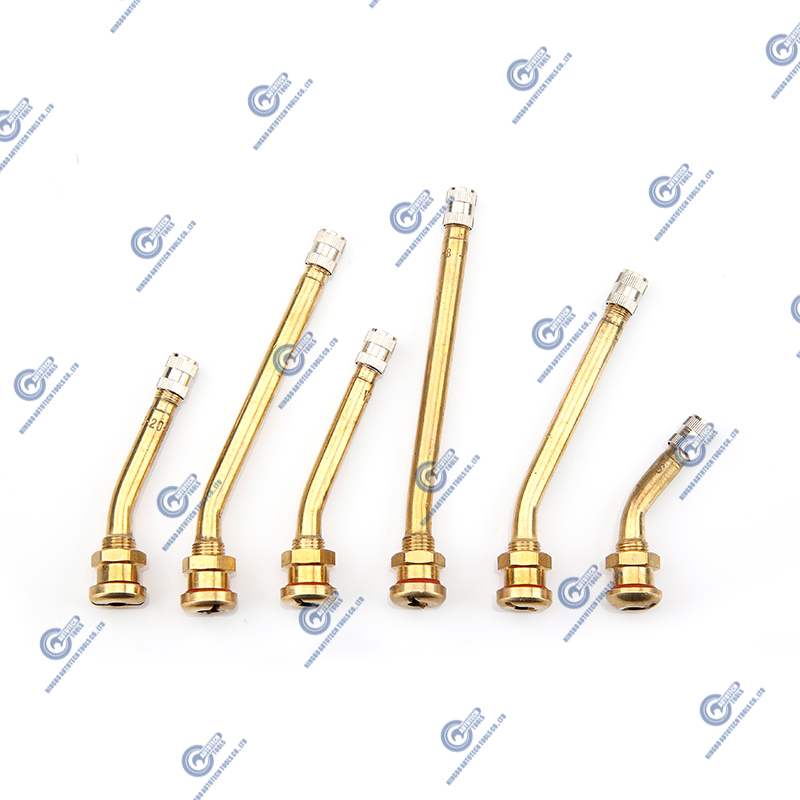
One practical way to reduce quality risk is to source couplings from a company that combines manufacturing with export. Ningbo Autotech Tools Co., Ltd., based in Ningbo, China, is a manufacturer-exporter that produces pneumatic quick couplings alongside tire valves, tire repair tools, and related compressed-air components. Its export markets include the United States, Germany, Spain, Italy, and Brazil.
Because the same organization controls raw material selection, forging, machining, inspection, and export packaging, it is easier to keep dimensions consistent and traceable. This structure also makes OEM (original equipment manufacturer) work more practical. If a customer needs a specific thread, plating, or plug length, the factory can adjust the process without waiting for an outside supplier to interpret the drawing.
For buyers, fewer handoffs mean fewer surprises during incoming inspection.
Industrial Interchange couplings may look like a simple component in a compressed-air system, but they have a direct effect on tool performance, energy waste, and operator convenience. By understanding the profile, selecting the right size and material, and working with a supplier that keeps tolerances and seals under control, you can avoid many of the leaks and delays that slow down real-world work.
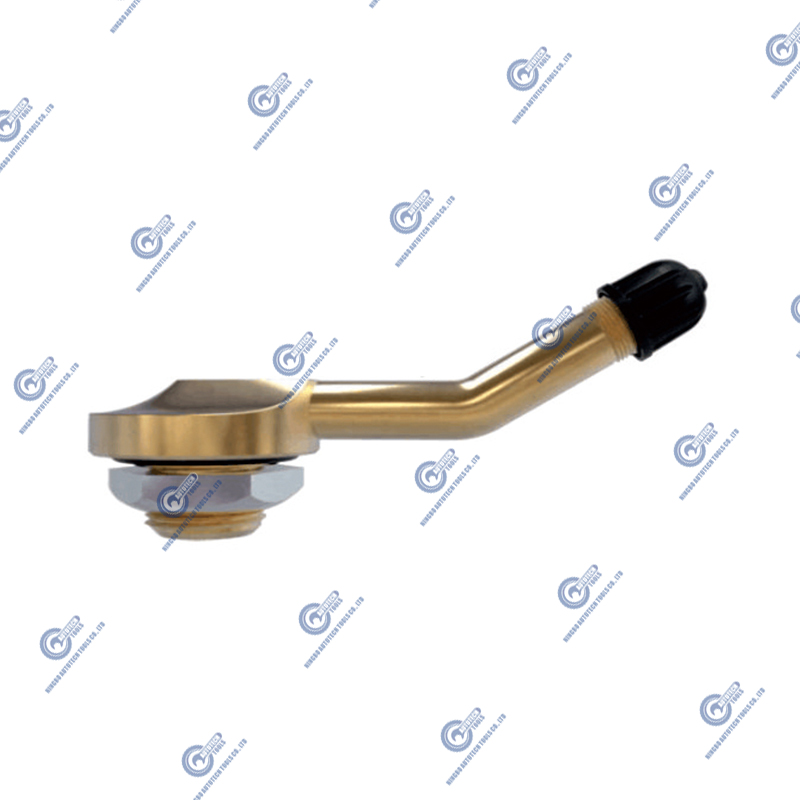
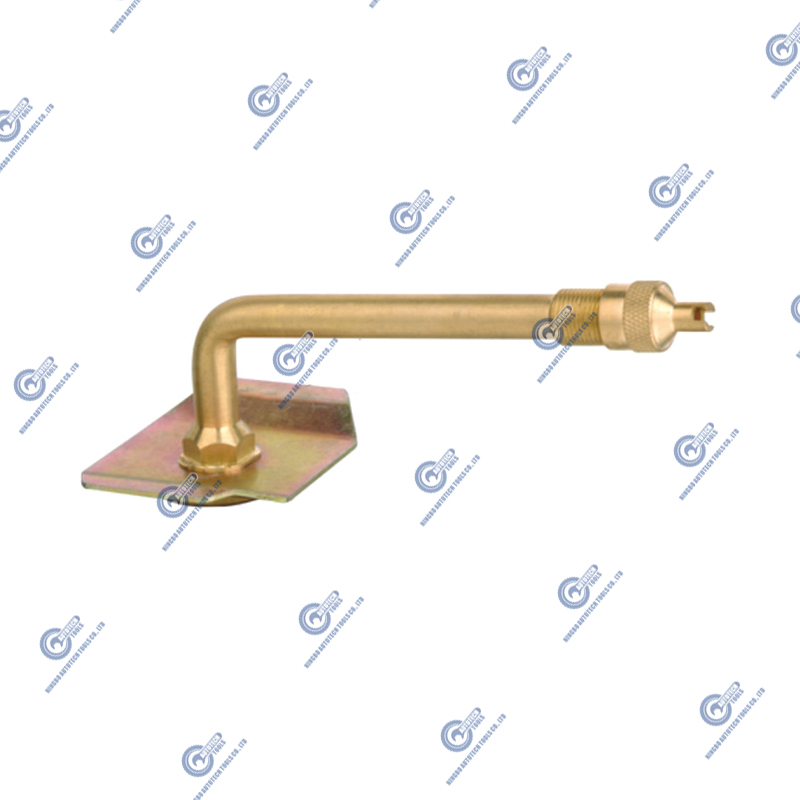
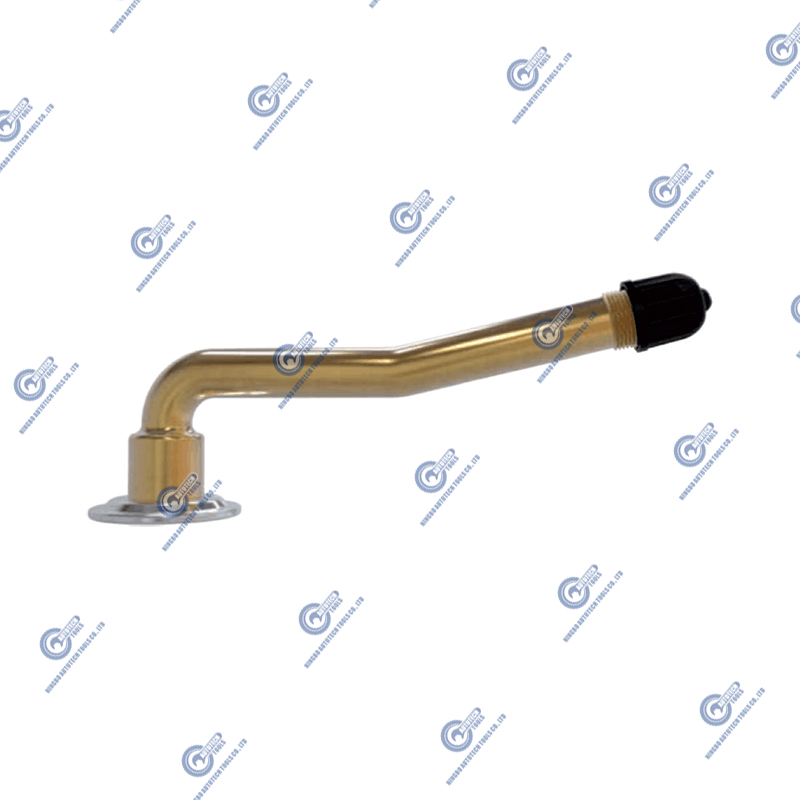
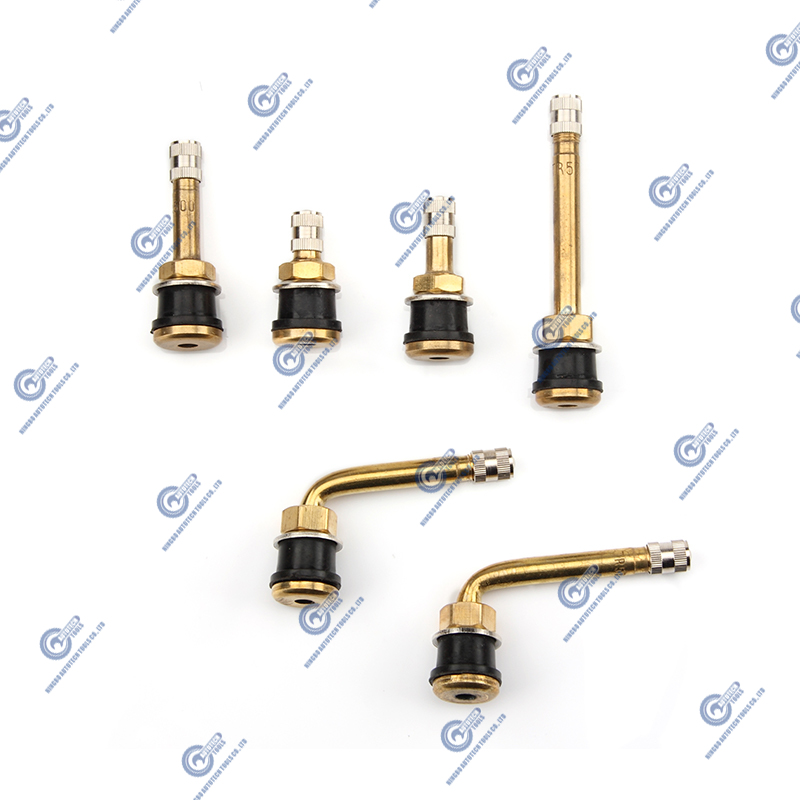

Ningbo Autotech Tools Co.,Ltd was founded in 2014 as a professional manufacturer of tire valves, tire repair tools & air quick couplings.
Product links
Contact Us
-
Address:No.16 Gaoqiang Road, Jiangnan Industrial Zone, Gaoqiao Town, Yinzhou District, Ningbo, China. 315175
-
Tel:+86-0574-89073063
-
E-mail:jimmy@autotechtool.com
