


 English
 Español
News

How to determine if a tire valve needs to be replaced?
 2025.12.29
 Industry news
Tire valves are an essential component of a vehicle’s tires, serving the critical function of maintaining tire pressure and ensuring optimal tire performance. If a valve malfunctions or gets damaged, it can lead to air leakage, unstable tire pressure, and even impact vehicle safety.
1. Tire Valve Leakage
Leakage is the most common sign of a problem with the tire valve. If you notice that your tire pressure frequently drops below normal or the tire doesn’t hold air for long, the valve could be leaking. A simple method to check is by using soapy water. Apply soapy water to the valve area, and if you see bubbles forming, this indicates that the valve’s seal is compromised, and air is leaking out.
Valve leakage can occur due to a damaged valve core. The valve core is a small component inside the valve responsible for sealing the air. Over time, exposure to UV rays, extreme temperatures, and regular use can cause the valve core to age, deform, or corrode, leading to poor sealing. When the valve core loses its sealing ability, air will leak from the tire.
If the valve is leaking, you may need to replace the valve core or the entire valve, depending on where the leak is coming from and the extent of the damage. If only the valve core is damaged, replacing it should suffice; however, if the valve body is damaged, replacing the entire valve may be necessary.
2. Valve Core Aging or Damage
The valve core is the key part of the valve, responsible for maintaining a proper seal to keep the tire inflated. Over time, the valve core may degrade due to exposure to heat, moisture, UV rays, and other environmental factors. As the valve core ages, it loses its elasticity, reducing its ability to maintain a proper seal, which can lead to air leakage.
Valve core damage can also compromise the valve’s functionality. For example, if the valve core is cracked or damaged due to excessive twisting, impact, or other external forces, the seal will no longer work properly, and air will slowly leak out. In such cases, it’s essential to replace the valve core.
How to check if the valve core is aging or damaged:
- Inspect the valve visually for cracks, discoloration, or corrosion, which are signs of aging or damage.
- While checking the tires, gently press the valve core to see if it feels loose or if air leaks out.
If you notice that the valve core is aging or damaged, you should replace it immediately. For tires that have been in use for a long time, it’s a good idea to regularly check the condition of the valve core.
3. Visible Damage to the Valve
Visible damage to the valve can also affect its normal operation. The valve is an exposed component that comes into contact with the environment, including water, dirt, and debris. If the valve experiences impact, scraping, or cracking, it may no longer function properly, or the seal may fail altogether.
Valve damage can come in many forms, such as bent or broken valve stems, cracked or damaged valve bodies, or even the loss of the rubber seal around the valve. These types of damage will compromise the valve’s ability to maintain adequate air pressure, leading to leakage or air pressure loss.
Common Types of Valve Damage and Their Effects
| Damage Type | Possible Consequences | Solution |
|---|---|---|
| Bent or broken valve stem | Affects the valve’s ability to seal properly, leading to air leakage | Replace the damaged valve |
| Scratches or wear on the valve surface | Increases wear on the valve, reducing its sealing ability | Replace the valve and the rubber seals around it |
| Rubber seal loss | Loss of sealing function, leading to air leakage | Replace the seal or the entire valve |
| Corrosion or rust on the valve stem | The valve loses elasticity, and leakage becomes severe | Replace the entire valve |
In such cases, if the valve shows visible external damage, it’s essential to replace it to avoid further affecting the tire’s performance and vehicle safety.
4. Valve Not Tight or Difficult to Inflate
The valve’s sealing ability is crucial for determining if it needs replacing. If you notice that the valve is loose or the air pump is unable to properly connect to the valve, this could indicate a malfunctioning valve. The valve core may have become stuck, or the valve body may have deteriorated, preventing the pump from inflating the tire or causing leakage during inflation.
Sometimes, the rubber seal around the valve can lose its elasticity due to aging, preventing the valve from closing properly. When the valve doesn’t fully seal, air will slowly leak out, causing tire pressure instability. In this case, checking and replacing the valve is necessary.
5. Hissing Sound from the Valve
During driving, a hissing sound is usually a sign that the tire valve is leaking. If the valve is damaged or aging, the air inside the tire will gradually leak out, causing a constant hissing sound. This sound might continue even after the vehicle stops. Especially if your Tire Pressure Monitoring System (TPMS) alerts you to low tire pressure, the valve leak becomes even more noticeable.
If you hear unusual sounds or a persistent hissing, inspect the valve for damage and replace it immediately. Valve leakage can worsen the tire pressure issue and compromise vehicle safety, so replacing the valve promptly is essential.
6. Checking the Valve During Tire Replacement
Checking the valve when replacing tires is critical. Even if the tires themselves are in good condition, the valves may have aged or deteriorated over time. It’s especially common for valves to degrade on tires that have been used for several years. It’s a good idea to replace the valve when replacing the tire to ensure all components are in optimal condition.
FAQ Section
Q1: What should I do if my tire valve is leaking?
A: If you notice a leaking tire valve, you can use soapy water to locate the leak. If it’s the valve core that’s damaged, you can replace just the valve core. If the valve body is damaged, you may need to replace the entire valve.
Q2: How can I tell if my valve core is aging?
A: You can check for visible cracks, discoloration, or corrosion on the valve. If the valve feels loose or leaks air when pressed, it’s a sign that the valve core may be aged and needs replacing.
Q3: Does a damaged tire valve affect the tire’s lifespan?
A: Yes, a damaged tire valve can lead to underinflation, which increases tire wear and reduces its lifespan. Therefore, regular inspection and timely valve replacement are important to avoid such issues.
Q4: Do tire valves require regular maintenance?
A: Yes, tire valves should be checked regularly, especially for valve core aging and sealing performance. Regular inspections help prevent air leaks and tire pressure issues.
References
- “Tire Valve Maintenance and Troubleshooting,” Tire Technology Journal, 2022.
- “Air Valve and TPMS Systems,” Automotive Engineering Review, 2021.
- “Understanding Tire Pressure and Valve Maintenance,” Vehicle Safety and Maintenance Guide, 2020.
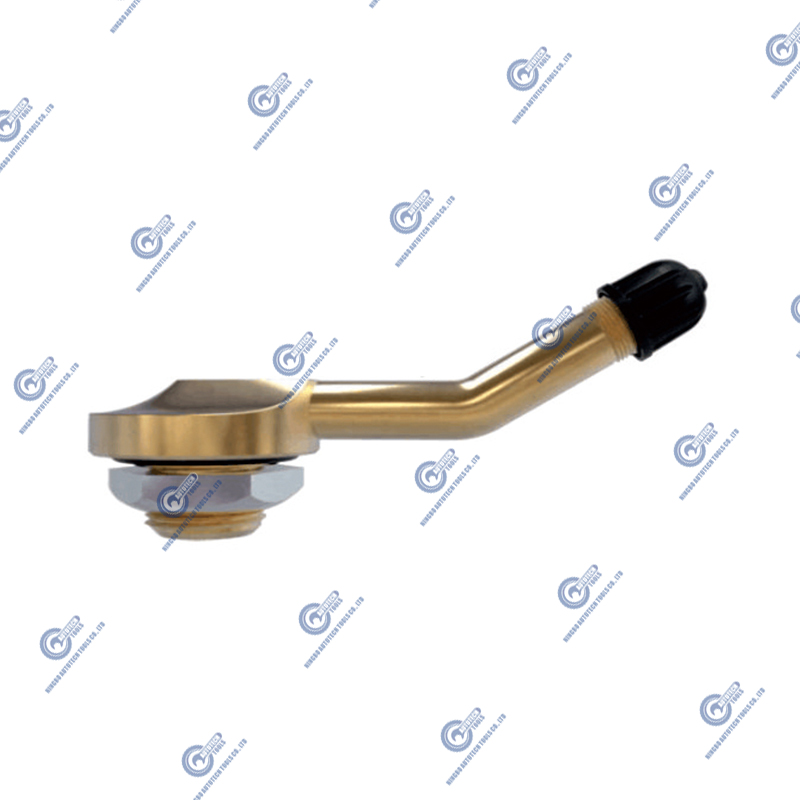
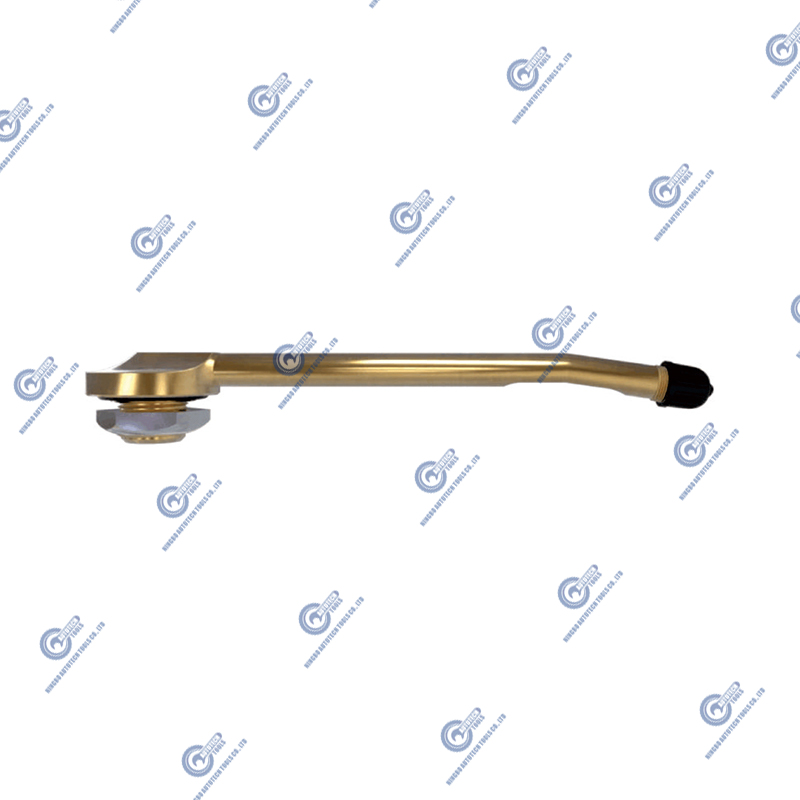
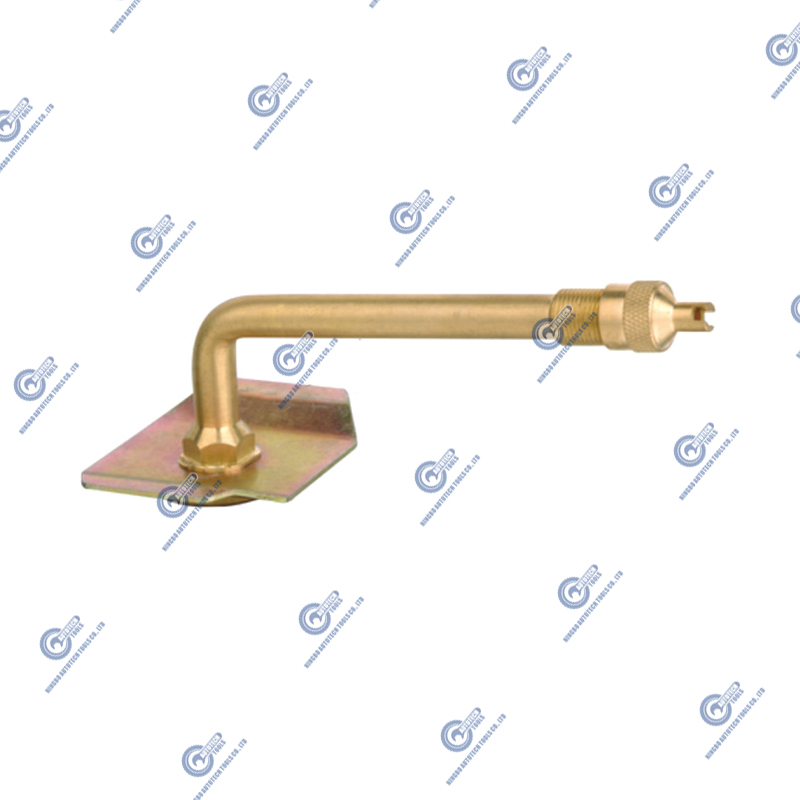
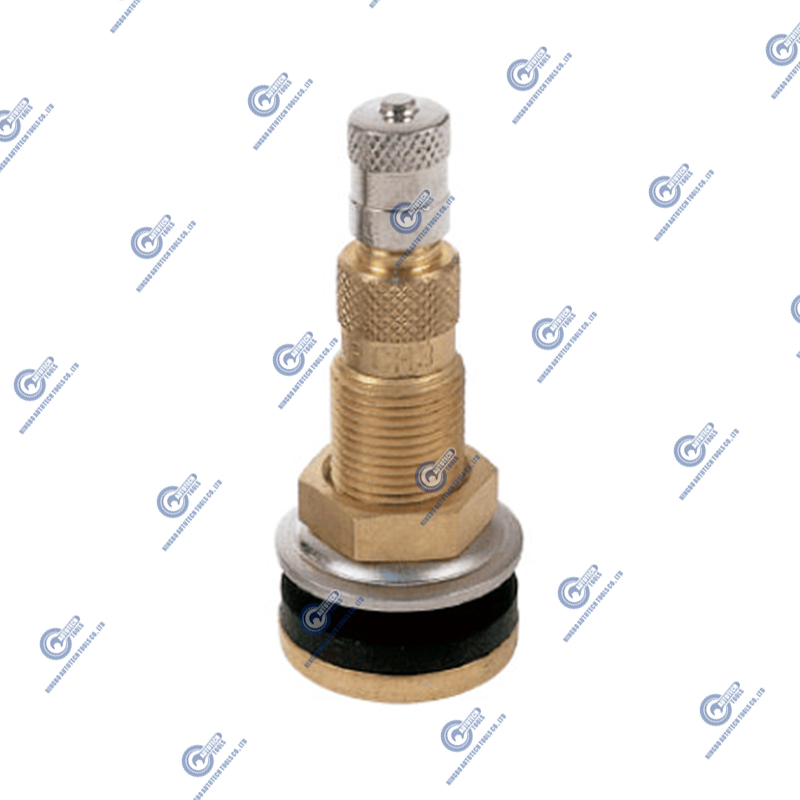
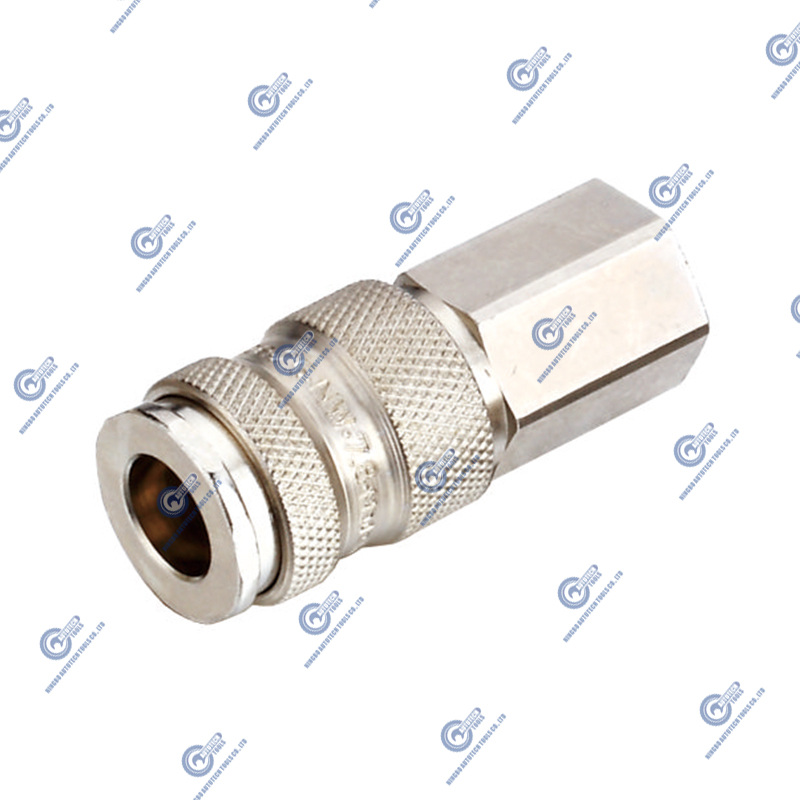
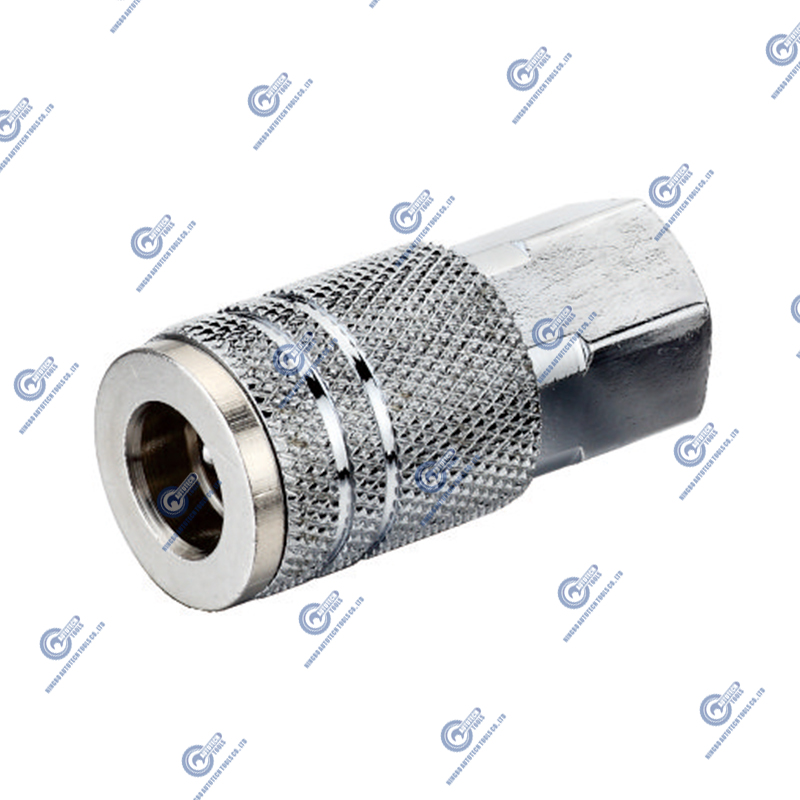
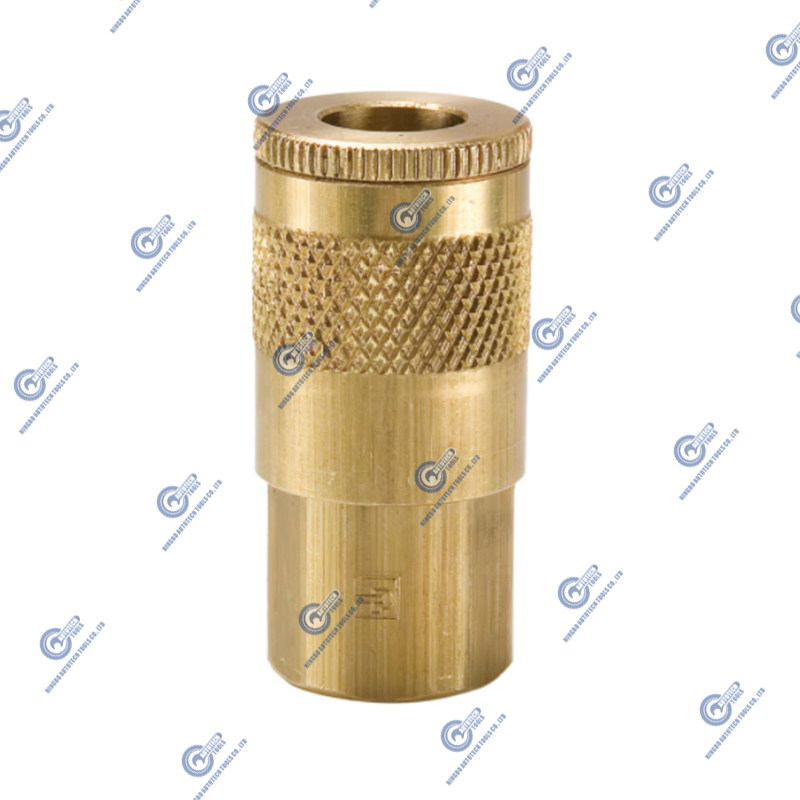
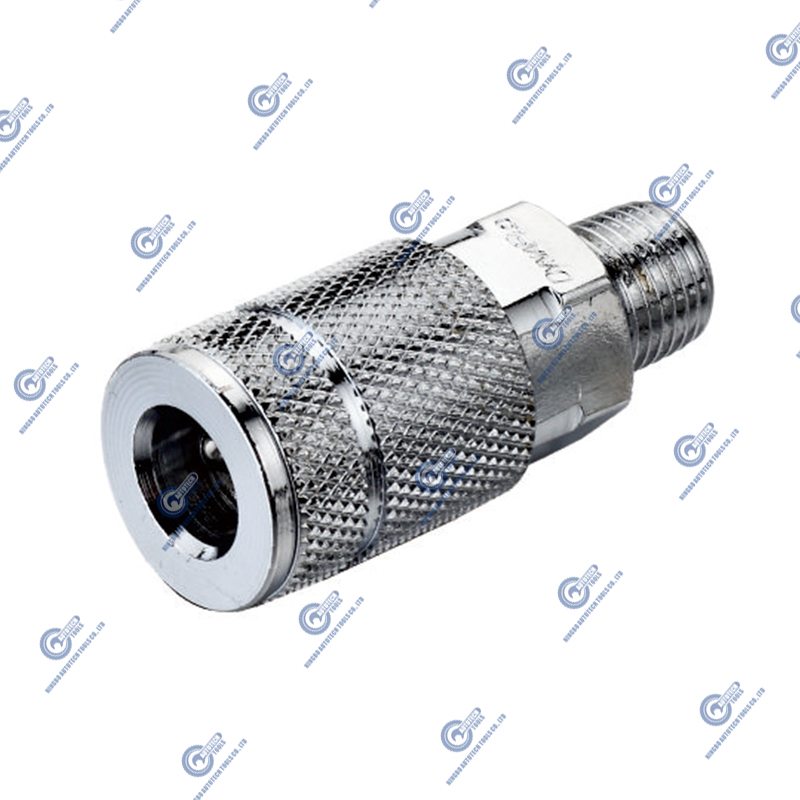

Ningbo Autotech Tools Co.,Ltd was founded in 2014 as a professional manufacturer of tire valves, tire repair tools & air quick couplings.
Product links
Contact Us
-
Address:No.16 Gaoqiang Road, Jiangnan Industrial Zone, Gaoqiao Town, Yinzhou District, Ningbo, China. 315175
-
Tel:+86-0574-89073063
-
E-mail:jimmy@autotechtool.com
