

 English
 Español
News
 Home / News / Industry news / Hydraulic Jack Guide: Types, Working Principle, Selection, and Safety Tips
 Hydraulic Jack Guide: Types, Working Principle, Selection, and Safety Tips
 2026.09.28
 Industry news
Few tools in a workshop earn their keep as quietly as a hydraulic jack. From lifting a sedan for a quick tire change to supporting heavy machinery during maintenance, it turns a task that would be impossible by muscle power into a smooth, controlled operation. As a manufacturer and exporter of tire repair and workshop equipment, we’ve built and tested jacks for a wide range of markets, and we know that choosing the right one comes down to understanding how they work, what they’re made for, and how to use them safely. Whether you are a professional technician or a production manager, understanding the fundamentals helps you make smarter purchasing decisions.
What Is a Hydraulic Jack?
A hydraulic jack is a lifting device that uses hydraulic fluid to create a large amount of force from a small input effort. Unlike a mechanical jack that relies on a threaded screw or a toggling arm, a hydraulic jack uses an incompressible liquid to transfer pressure through a sealed system. This makes hydraulic jacks very efficient for lifting heavy vehicles, equipment, and industrial loads.
The most familiar examples are floor jacks found in auto repair shops, but the same principle is used in bottle jacks, transmission jacks, and many specialized hydraulic cylinders. Their common job is to raise a load, hold it securely at height, and lower it in a controlled manner. In factories, hydraulic jacks are used to position dies, align conveyor components, and support heavy machine parts during repair.
How Does a Hydraulic Jack Work?
The magic behind a hydraulic jack is Pascal’s law, which states that pressure applied to a confined fluid is transmitted equally in all directions. When you operate the handle of a jack, you push a small piston that forces oil out of a reservoir and into a larger cylinder. Because the fluid cannot be compressed, the pressure acts on the face of the larger cylinder piston, multiplying the force according to the ratio of the piston areas.
A typical lifting sequence looks like this:
- Operating the handle activates a small pump, drawing oil from the reservoir.
- A one-way valve lets the oil flow into the main cylinder.
- As oil accumulates, the large piston rises and lifts the load.
- To lower the jack, a release valve opens and lets the oil return to the reservoir.
This system gives the operator precise control. Unlike a quick mechanical lift, the hydraulic jack moves smoothly, which reduces shock to both the load and the user. The hydraulic system also offers self-locking behavior in many designs, meaning the load stays in place even if pump pressure is lost, although a separate check valve is always safer.
Main Types of Hydraulic Jacks
There are several common types of hydraulic jacks, each designed for a different combination of capacity, footprint, and travel height. The table below summarizes the most frequent designs we see in workshops and industrial settings.
| Type | Typical Capacity | Best For | Key Feature |
|---|---|---|---|
| Floor jack | 2–10 tons | Automotive repair, general workshop use | Low profile, long chassis, stable wheels |
| Bottle jack | 5–50 tons | Trucks, buses, industrial equipment | Compact vertical cylinder, very high capacity |
| Hydraulic scissor jack | 1–3 tons | Roadside changes, low-height vehicles | Compact when folded, extends with a scissor linkage |
| Inline or porto-power unit | 4–20 tons | Body shops, structural spreading and lifting | Remote connected cylinder for tight spaces |
Specialized designs also exist, such as dual-piston floor jacks and long-ram bottle jacks, but the core selection logic remains the same. When a customer asks us which jack is best, we usually start with two questions: what is the heaviest load, and how low does the lifting point sit? The answers quickly narrow the choices.
How to Choose the Right Hydraulic Jack
Selecting a hydraulic jack involves more than just picking the highest number of tons. A jack that is the wrong shape or too weak for the job is a safety risk and an operational headache. Some buyers focus only on tonnage, but that can lead to the wrong frame length or an unstable base. Here are the key points we consider in our factory checks and that we recommend to our partners:
- Capacity and margin: Choose a jack rated at least 25 percent above your heaviest regular load. Hydraulic components can degrade, so the working margin protects against surprises.
- Lift range: Check both the minimum saddle height and the maximum lift height. A low-profile floor jack reaches under sports cars, while a tall bottle jack is for raised truck suspension points.
- Stability and base size: A wide, well-enforced base reduces tipping. The same principle applies to large industrial jacks, where stability matters as much as force.
- Ease of maintenance: Look for accessible oil fill points, replaceable seals, and a clean vent system. If you are buying in volume, these features save hours of downtime later.
- Sealing and environmental resistance: In a dusty workshop or a humid container, a good paint finish and rust-resistant seals extend service life.
Remember that no single jack does everything. Many professionals keep a floor jack for the work bay and a compact bottle jack for transport and support jobs.
Safety and Maintenance Tips
Even the most reliable hydraulic jack can become dangerous if it is abused or neglected. Because we see returned samples from the market, we have a strong opinion about basic care. Follow these practices to keep your equipment safe and long-lived:
- Always set the parking brake and use wheel chocks before lifting a vehicle.
- Position the jack on a solid, level surface and align the saddle with the manufacturer’s recommended lift point.
- Never work under a load supported only by a hydraulic jack. Always use a set of jack stands once the vehicle is raised.
- Check hydraulic oil level regularly. Low oil causes spongy operation and reduces maximum lift.
- Inspect hoses and pistons for leaks or damage. A small leak can become a sudden drop.
- After every use, release the pressure and lower the load fully, then clean the cylinder rod and apply a light oil film.
It is also wise to load-test a jack once a year at its rated capacity. In our factory, every jack is tested before it leaves the line, but field conditions can change the picture quickly. Keeping the jack clean and dry is especially important if it is stored on a vehicle or exposed to road salt.
Why Buying from a Manufacturing Partner Matters
The hydraulic jack is one of those products where the manufacturing process makes or breaks the final result. The cylinder bore, the piston seal, the quality of the release valve, and the heat treatment of the frame all decide whether a jack lasts for five or fifteen years. As a factory-backed international trading company, we work directly with our own production lines. That gives us visibility into raw material quality, process control, and final testing.
We have supplied hydraulic jacks and other tire repair tools to automotive and construction machinery OEMs across the United States and Europe. That experience teaches us that a customer’s brand is only as strong as the components inside. So we keep the same engineering discipline for a single container order as for a long-term OEM program. We manufacture tire valves, couplers, and repair tools as well, so we understand how a jack fits into the whole workshop workflow.
If you are sourcing hydraulic jacks for your own workshop or for resale, the practical lesson is simple: ask about certification, test reports, and the factory’s ability to customize. A good partner will show you how the jack is built, not just how it looks.
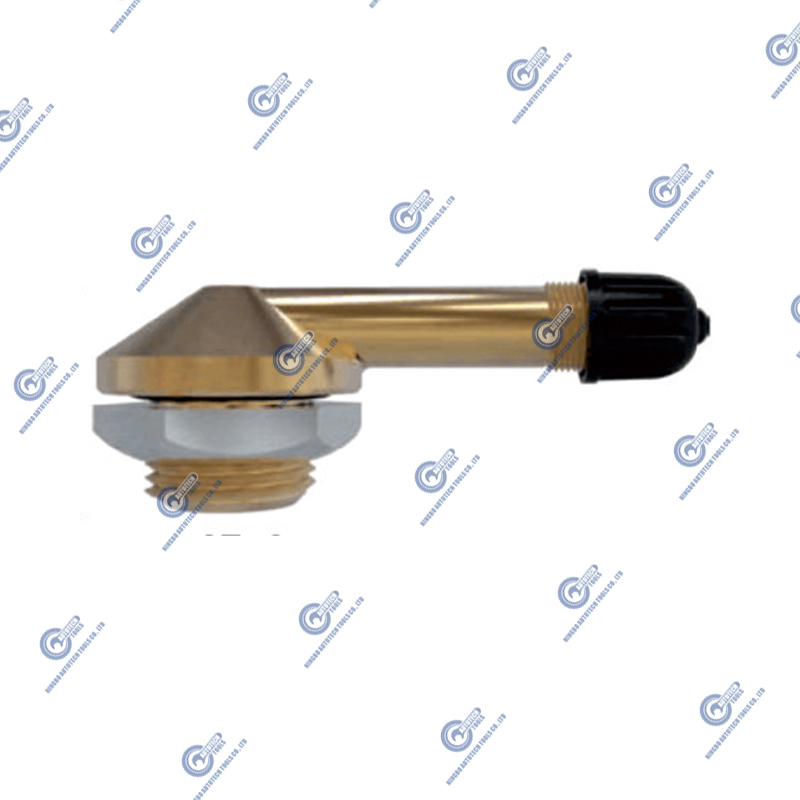
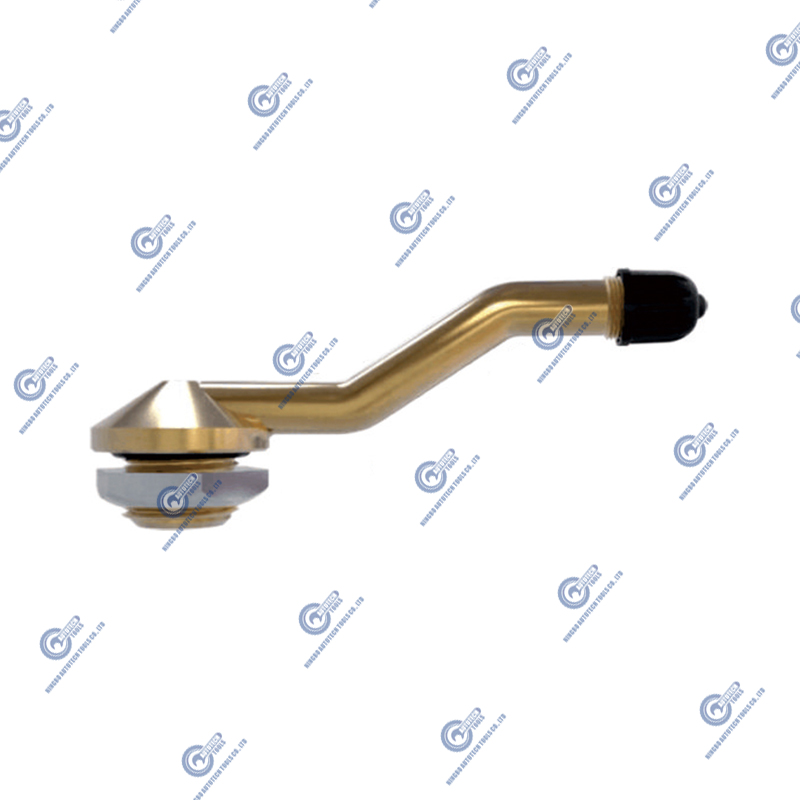
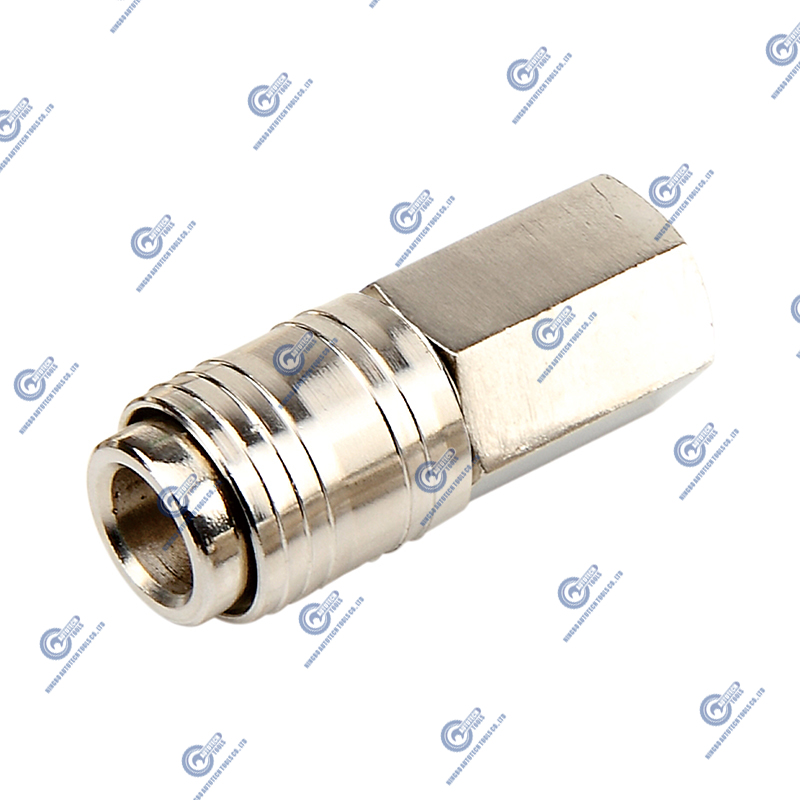
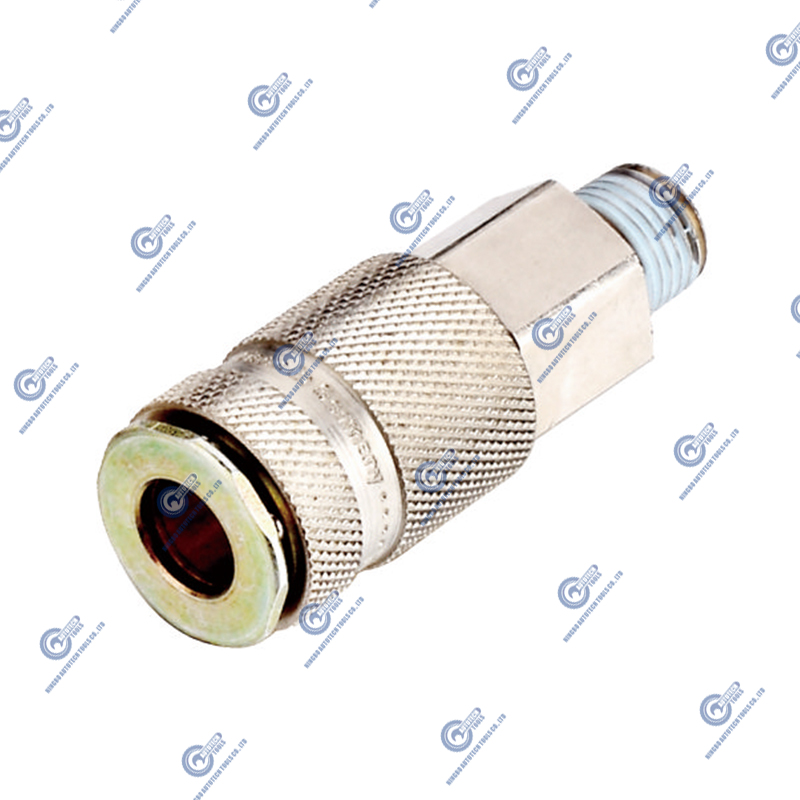
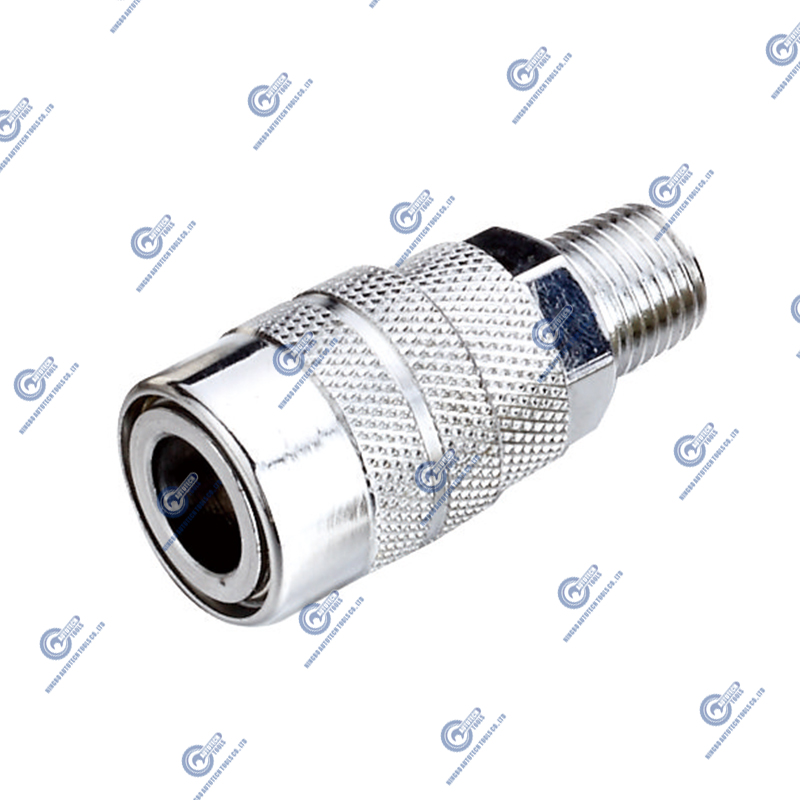
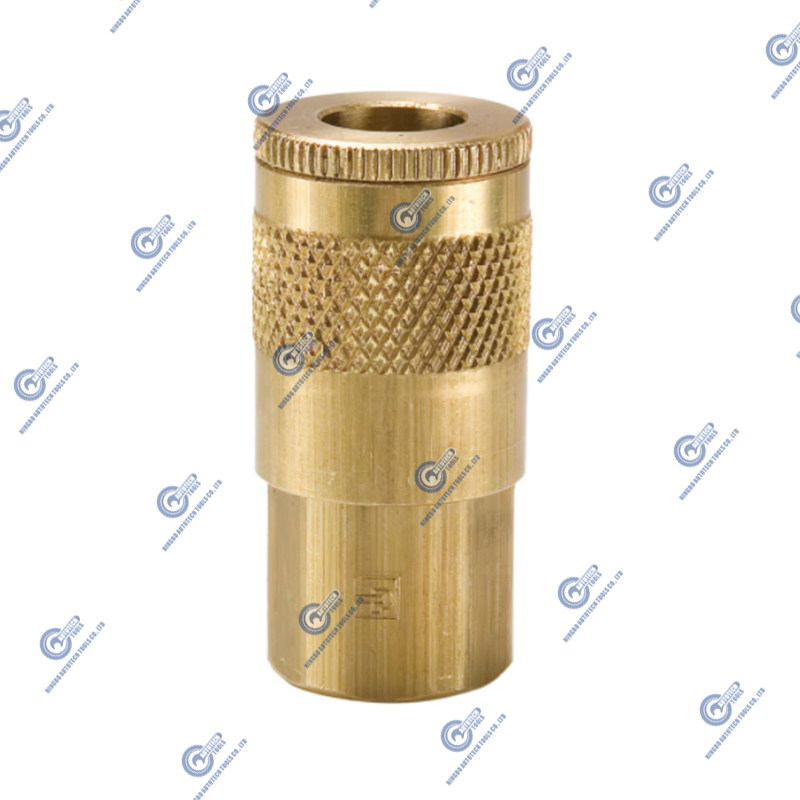

Ningbo Autotech Tools Co.,Ltd was founded in 2014 as a professional manufacturer of tire valves, tire repair tools & air quick couplings.
Product links
Contact Us
-
Address:No.16 Gaoqiang Road, Jiangnan Industrial Zone, Gaoqiao Town, Yinzhou District, Ningbo, China. 315175
-
Tel:+86-0574-89073063
-
E-mail:jimmy@autotechtool.com
